

10 Best Treks in Nepal in December 2026 Guide

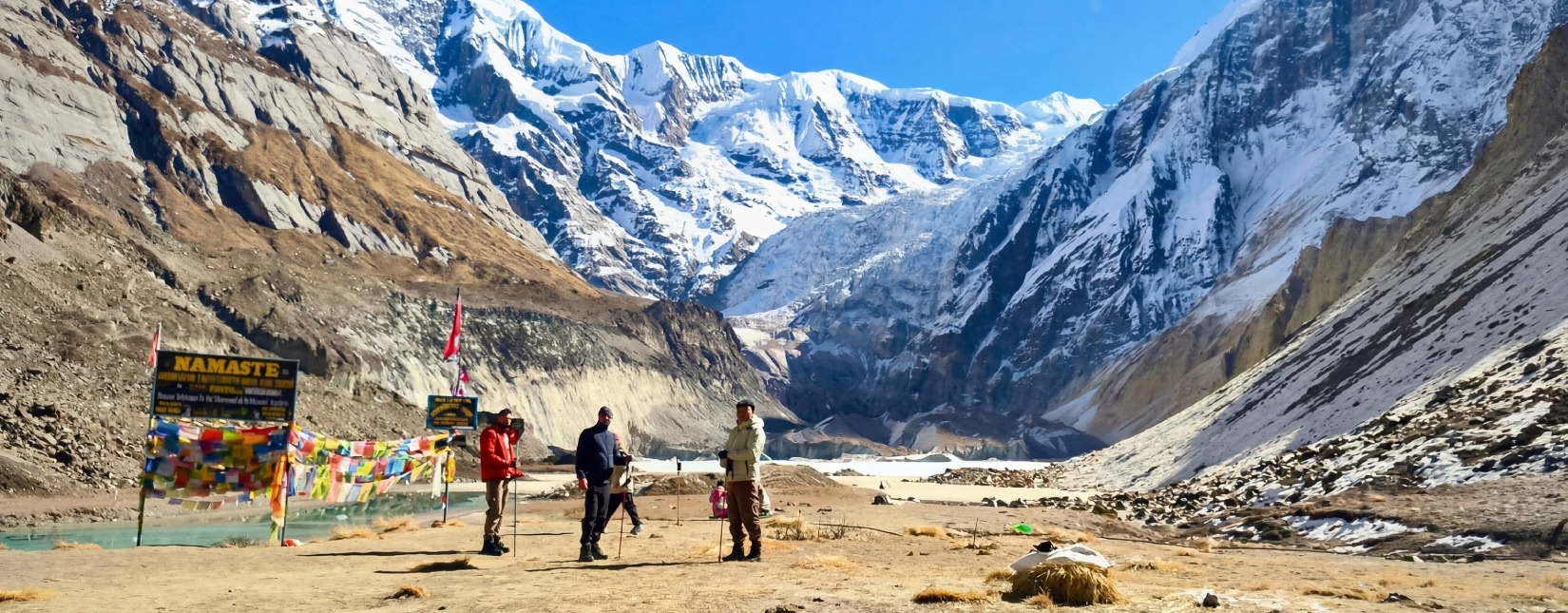
The best treks in Nepal in December offer clear Himalayan views, quiet trails, and rewarding winter landscapes across the Everest, Annapurna, Langtang, and remote western regions. The top 10 routes include Ghorepani Poon Hill, Everest Base Camp, Langtang Valley, Annapurna Base Camp, Rara Lake, Mardi Himal, Pikey Peak, Khopra Ridge, Helambu Circuit, and Tamang Heritage Trail. Each trek offers a different balance of mountain scenery, cultural experiences, altitude, difficulty, and trekking duration.
December brings crisp mornings, improved mountain visibility, and fewer crowds, but freezing nights, snowfall, icy trails, and flight disruptions can affect trekking plans. Early December generally provides more manageable conditions, especially for higher routes such as Annapurna Base Camp and Khopra Ridge. Choosing the right trek depends on your fitness, available days, and tolerance for cold and altitude, along with proper winter gear, acclimatization, and flexible itineraries. This guide compares the 10 best December treks by highlights, weather, duration, accessibility, and seasonal risks to help you choose the right Himalayan adventure.
1. Ghorepani Poon Hill Trek
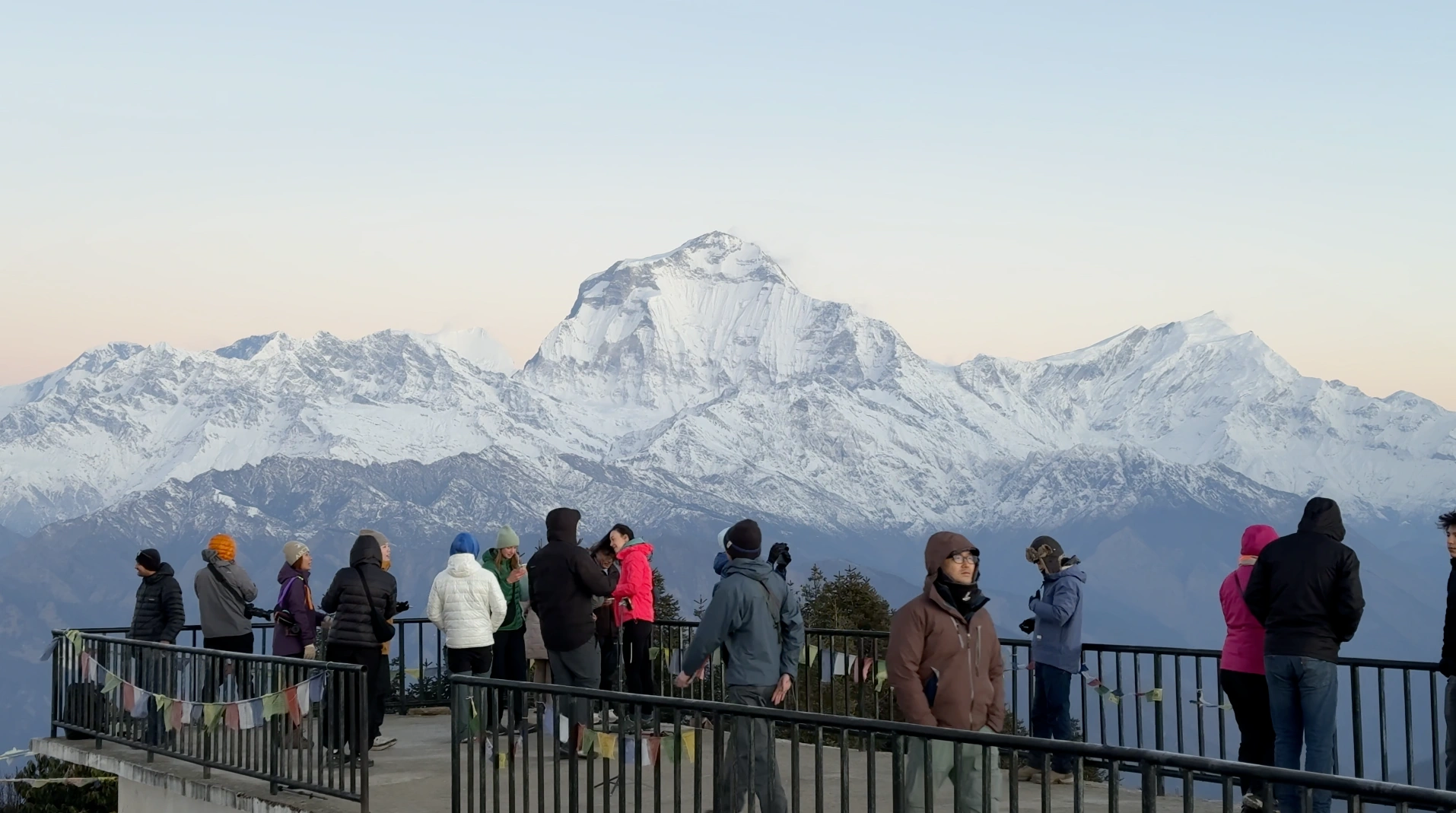
Ghorepani Poon Hill is Nepal's most popular short trek. It starts near Pokhara and reaches 3,210 m. The route crosses Gurung villages and rhododendron forest. Dawn at Poon Hill reveals Dhaulagiri and the Annapurna range. December makes it a clear, quiet walk of 4 to 5 days.
What Makes Ghorepani Poon Hill Ideal for December Trekking?
Ghorepani Poon Hill suits December because it peaks at 3,210 m, takes only 4 to 5 days, and delivers a sunrise panorama of Dhaulagiri and the Annapurna range under the clearest skies of the year. The low altitude removes acclimatization risk, and the short route fits a week of leave.
The trail climbs from Nayapul (1,070 m) through Ulleri to Ghorepani (2,874 m), then up to Poon Hill before dawn. Spring brings rhododendron blooms, so December gives up the flowers and gains clarity. Ghorepani has dozens of lodges, which keeps beds easy to find for most of the month. The exception is the week from December 24 to January 2, when holiday groups from Pokhara and Kathmandu fill rooms. Book that week 3 to 4 weeks ahead.
What Are the Major Highlights of the Ghorepani Poon Hill Trek?
The 6 main highlights are the Poon Hill sunrise, the Ulleri stone staircase, Ghorepani village, the Ghandruk Gurung settlement, the Tadapani forest, and a close view of Dhaulagiri.
From the summit, Dhaulagiri (8,167 m), Annapurna I (8,091 m), Annapurna South (7,219 m), Nilgiri (7,061 m), Tukuche Peak (6,920 m), and Machhapuchhre (6,993 m) stand in one frame. The Ulleri staircase has thousands of stone steps and burns more legs than the summit does. Ghandruk is a large Gurung village with stone houses and a small museum on Gurung life.
How Cold Does It Get on the Ghorepani Poon Hill Trek in December?
Daytime temperatures run 8 to 15°C and nights fall between -5 and 5°C, with Ghorepani as the coldest stop at an average of about 4°C. The pre-dawn climb to Poon Hill is the coldest hour of the trek.
The climb starts near 5:15 AM and takes 45 to 60 minutes, so you reach the viewpoint before the 6:45 AM sunrise. Carry a headlamp, a down jacket, gloves, and a hat. Snow is light and patchy near Ghorepani, Poon Hill, and Tadapani, but it lingers in shade. The Ghorepani to Tadapani section turns slippery, so pack microspikes. A sleeping bag rated to -10°C is enough here, and Pokhara rental shops stock them.
How Many Days Are Needed for the Ghorepani Poon Hill Trek?
The Ghorepani Poon Hill Trek takes 4 to 5 days from Pokhara, and an extended loop through Ghandruk takes 6 to 7 days.
A standard plan runs Pokhara to Nayapul by road, then Ulleri or Banthanti on day 1, Ghorepani and Poon Hill on day 2, Tadapani on day 3, and Ghandruk and Nayapul on day 4. Add 1 or 2 days for the Jhinu Danda hot springs. December daylight ends near 5:15 PM, so each day finishes by mid-afternoon.
2. Everest Base Camp Trek
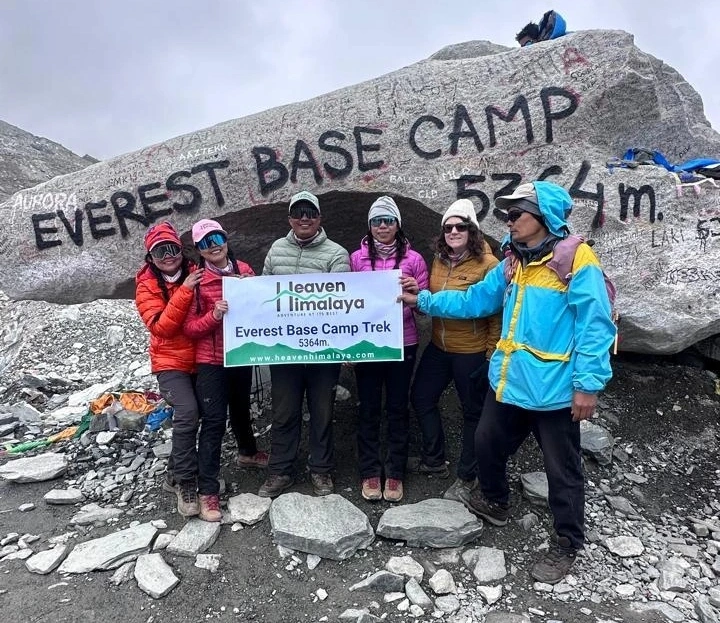
Everest Base Camp is the classic Himalayan trek. The route climbs from Lukla at 2,860 m to Base Camp at 5,364 m. Kala Patthar at 5,545 m gives the best view of Everest. December brings clear skies and few trekkers. Nights are severe, so preparation decides the trip.
What Makes the Everest Base Camp Trek Special in December?
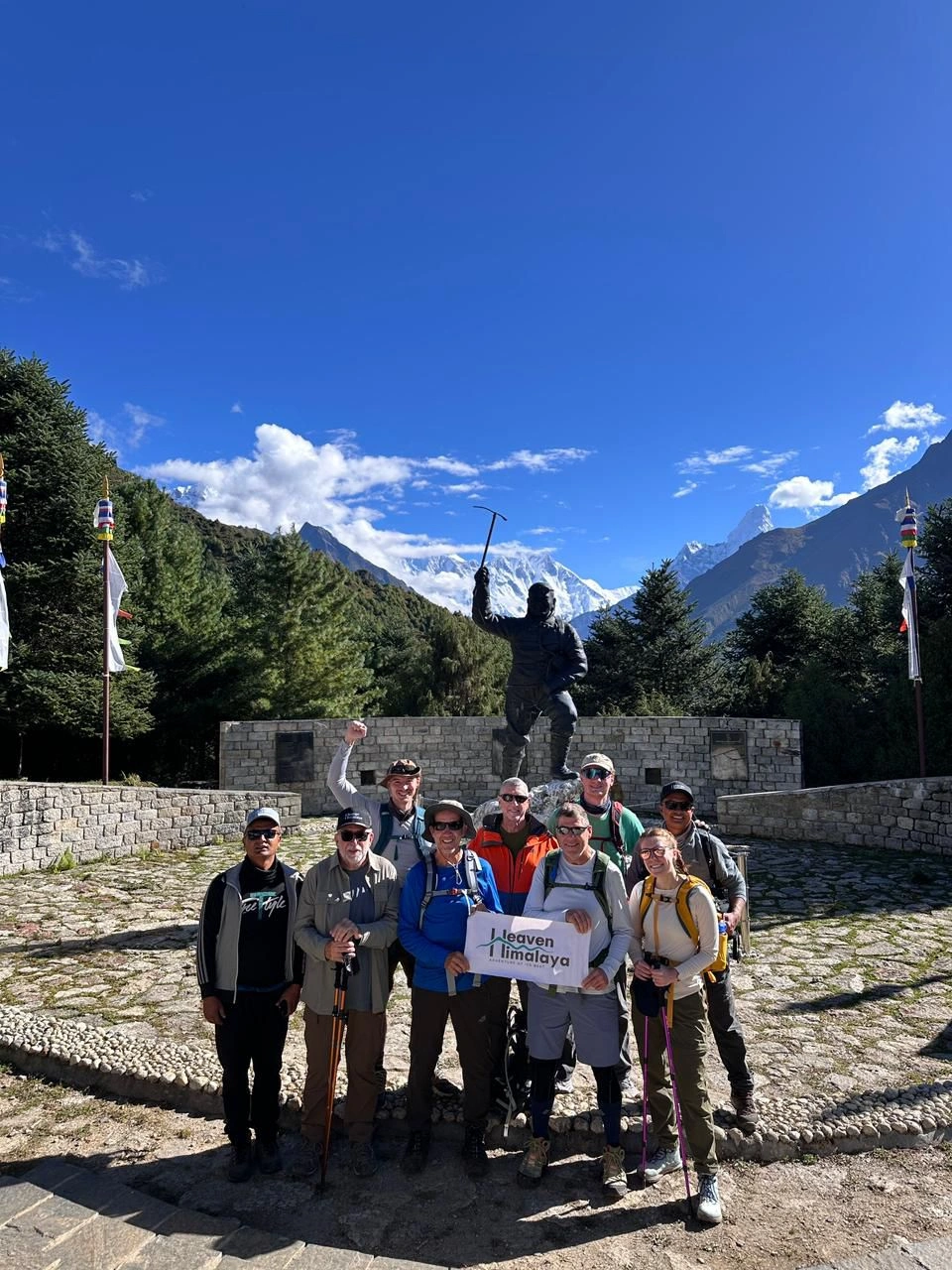
The Everest Base Camp trek in December offers cloudless Khumbu skies, trails carrying a fraction of October's traffic, and the most reliable views of Everest, Lhotse, and Ama Dablam, at the price of nights near -15 to -20°C around Gorak Shep. Operators estimate crowds at roughly 20% of the autumn peak.
The trade-off is service. Lodges in Phakding, Namche, and Tengboche stay open all winter, and Dingboche and Pheriche mostly do. Operator estimates put open lodges in Lobuche and Gorak Shep near 70% in early December, falling toward 50% by the last week. Only the dining room has heat, and bedrooms do not. One more detail most guides skip: Everest Base Camp holds no expedition tents in December, because climbing seasons run in spring and autumn. The famous tent-city photo does not exist in winter. You reach a quiet moraine beside the Khumbu Icefall.
What Are the Major Highlights of the Everest Base Camp Trek?
The 7 highlights are the Lukla flight, Namche Bazaar, Tengboche Monastery, Dingboche, Gorak Shep, Everest Base Camp at 5,364 m, and the Kala Patthar sunrise at 5,545 m. Kala Patthar, not Base Camp, gives the best view of Everest.
Tengboche Monastery (3,867 m) frames Ama Dablam (6,812 m) behind its prayer hall. Gorak Shep (5,164 m) is the last settlement. At Base Camp you see the icefall and Nuptse (7,861 m), but Nuptse hides the summit of Everest (8,849 m). Kala Patthar places Everest, Lhotse (8,516 m), and Pumori (7,161 m) in a single view.
How Cold Is Everest Base Camp in December?
Everest Base Camp reaches -5°C to 5°C by day and -15°C to -25°C at night in December, and wind chill adds another 8 to 15°C on exposed ridges such as Kala Patthar. Pack for the night low, not the daytime high.
The following table lists typical December temperatures by stop, so you can match gear to your itinerary.
Stop | Altitude | Day | Night |
Lukla | 2,860 m | 5 to 12°C | -5 to -8°C |
Namche Bazaar | 3,440 m | 4 to 10°C | -8 to -12°C |
Dingboche | 4,410 m | -2 to 9°C | -12 to -16°C |
Gorak Shep | 5,164 m | -4 to 7°C | -14 to -20°C |
Everest Base Camp | 5,364 m | -5 to 5°C | -15 to -25°C |
Gear rules we repeat to every client: a sleeping bag rated to -20°C, an insulated sleeping pad, a down jacket, and a hot-water bottle for the foot of the bag. Keep phones and power banks inside the bag overnight because cold drains them in hours. Dry, cold air also causes the "Khumbu cough," so drink 3 to 4 litres of fluid daily and carry a buff. Our packing list for trekking in Nepal covers the full kit.
Is the Everest Base Camp Trek Safe and Accessible in December?
The Everest Base Camp trek is accessible and manageable in December for fit, acclimatized trekkers who build in 2 to 3 buffer days for Lukla flight delays. Altitude sickness is the main hazard, ahead of cold and snow.
According to the Wilderness Medical Society, trekkers above 3,000 m limit the increase in sleeping altitude to about 500 m per day and add a rest day every 3 to 4 days. Our itinerary follows that rule with rest days at Namche Bazaar and Dingboche. December flights to Lukla usually leave from Kathmandu's Tribhuvan airport, although some early-December departures have shifted to Ramechhap (Manthali), so confirm the airport 3 days before flying. Morning fog cancels flights for half a day or longer. Book the earliest departure, near 6:30 AM. A shared helicopter seat out of Lukla commonly costs US$300 to $500. Buy travel insurance that covers helicopter evacuation to 5,500 m, and check oxygen saturation every morning.
How Many Days Are Needed for the Everest Base Camp Trek?
The Everest Base Camp trek takes 12 to 14 days from Kathmandu and back, including 2 acclimatization days. Our standard itinerary runs 14 days with rest days at Namche Bazaar and Dingboche and 1 spare day for weather.
The ascent from Lukla to Gorak Shep takes about 8 days, and the descent back to Lukla takes 4. Shorter 10-day itineraries exist, and we advise against them in December, because a cancelled flight eats the entire margin. Read our Everest Base Camp Trek itinerary and our guide to the Everest Base Camp trek in December for day-by-day detail.
3. Langtang Valley Trek
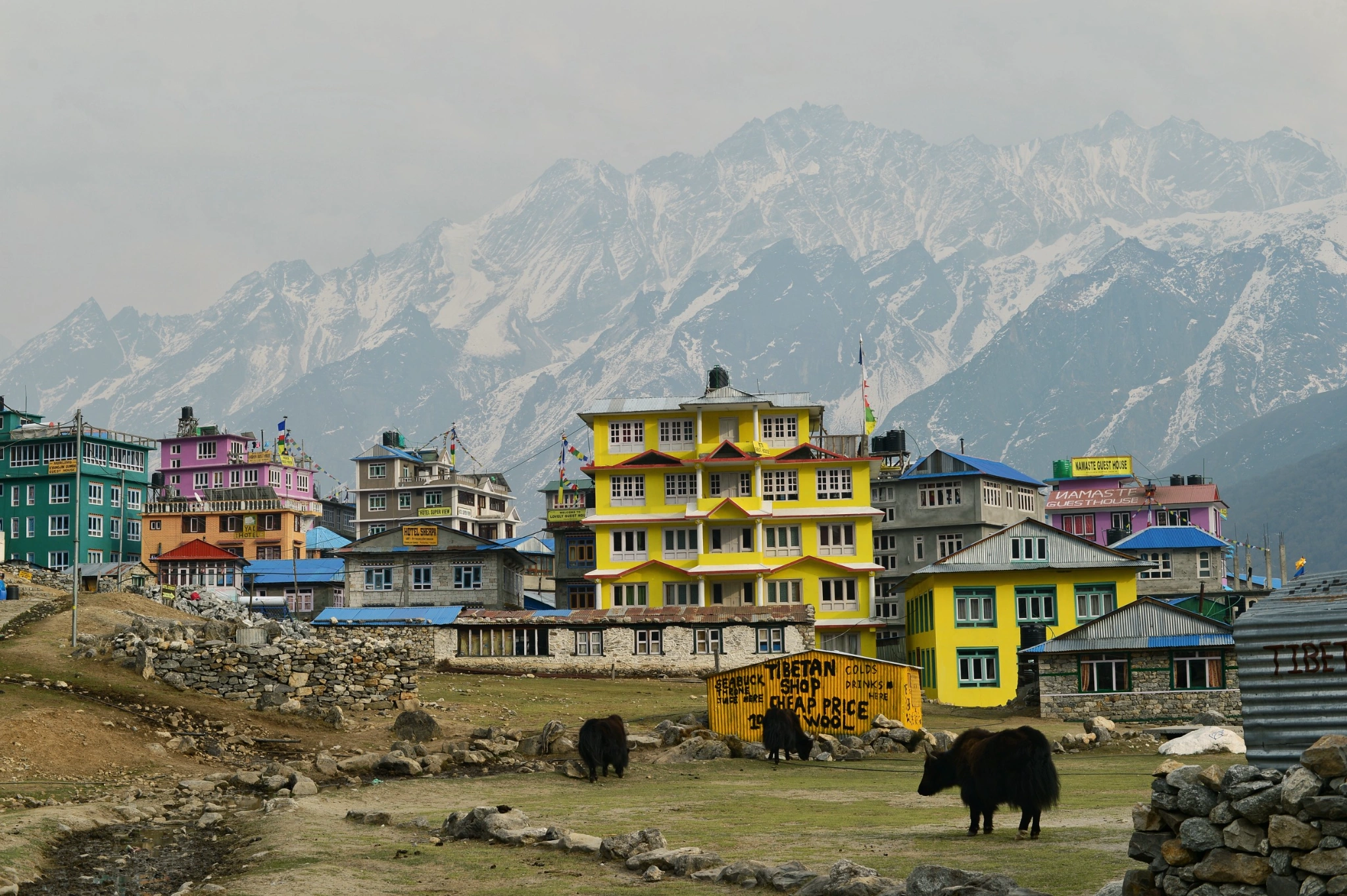
Langtang Valley lies 117 km north of Kathmandu. The trail climbs from Syabrubesi to Kyanjin Gompa at 3,870 m. Langtang Lirung rises above the valley at 7,227 m. Tserko Ri at 4,984 m gives the widest view. December adds snow and quiet trails.
What Are the Main Highlights of the Langtang Valley Trek?
The 5 main highlights are the Syabrubesi trailhead, the Lama Hotel forest, the rebuilt Langtang village, Kyanjin Gompa at 3,870 m, and the Tserko Ri viewpoint at 4,984 m. The valley sits 117 km north of Kathmandu, close to the Tibetan border.
The road from Kathmandu to Syabrubesi (1,550 m) takes 6 to 8 hours by jeep or bus. The 2015 earthquake triggered an avalanche that buried the original Langtang village. The present village was rebuilt, and lodge income supports the families who returned. At Kyanjin Gompa, a monastery and a small yak cheese factory anchor the settlement. Tserko Ri and Kyanjin Ri (4,773 m) give two summit options, and the lower Kyanjin Ri is the safer pick when snow covers Tserko Ri.
How Cold Is the Langtang Valley Trek in December?
Langtang stays mild below 3,000 m, with daytime highs of 8 to 15°C, and turns cold at Kyanjin Gompa, where days reach 0 to 5°C and nights drop to -10 to -15°C. Fresh snow is common above 3,500 m.
Early December brings light snow, and late December brings heavier falls that can block the Tserko Ri trail. Most lodges on the main route operate in December, including Lama Hotel, Langtang village, and Kyanjin Gompa, though a few high lodges close in the deepest cold. Carry a down jacket rated for -10°C, insulated boots, and microspikes for the upper valley.
What Wildlife and Mountain Views Can You Experience on Langtang Valley Trek?
Langtang National Park shelters red pandas, Himalayan tahr, musk deer, and Himalayan black bears, and the upper valley frames Langtang Lirung (7,227 m), Ganesh Himal, and Dorje Lakpa (6,966 m). Winter reveals animals mostly through tracks in the snow.
Red pandas live in the bamboo and oak forest between Syabrubesi and Lama Hotel. Sightings are rare in any season, and December is no exception. Langurs, tahr, and snow prints are the realistic December wildlife. Langtang Lirung dominates the valley, and from Tserko Ri on a clear morning the panorama extends to Shishapangma (8,027 m) in Tibet.
How Many Days Are Needed for the Langtang Valley Trek?
The Langtang Valley Trek takes 7 to 9 days from Kathmandu, with 1 or 2 days at Kyanjin Gompa for the viewpoints. Add 1 spare day in December for snow.
A standard plan is a drive to Syabrubesi, 3 days of walking up to Kyanjin Gompa, 1 day on Tserko Ri, and 2 days back down. Our Langtang Valley Trek follows this pattern with room for weather.
4. Annapurna Base Camp Trek
Annapurna Base Camp sits at 4,130 m inside a ring of peaks. The trail passes Ghandruk, Chhomrong, and Machhapuchhre Base Camp. Views of Annapurna I and Machhapuchhre define the trek. December adds deep cold and avalanche risk. We recommend early December with spare days.
What Makes the Annapurna Base Camp Trek Unique in December?
The Annapurna Base Camp trek is unique in December because the sanctuary at 4,130 m fills with snow and silence, and the full ring of peaks stands in cold, clean light. The same snow makes it the riskiest route in this guide.
Annapurna Base Camp (ABC) sits inside a glacial amphitheatre ringed by peaks above 6,000 m. Lodges that fill in October have empty rooms in December, and the trade-off is that snow can end the trip early. Most lodges stay open because owners keep a skeleton staff, and rooms are easy to find. We suggest early December for ABC. After December 20, snow depth and avalanche exposure rise.
What Mountain Views Can You Enjoy Along the ABC Trail?
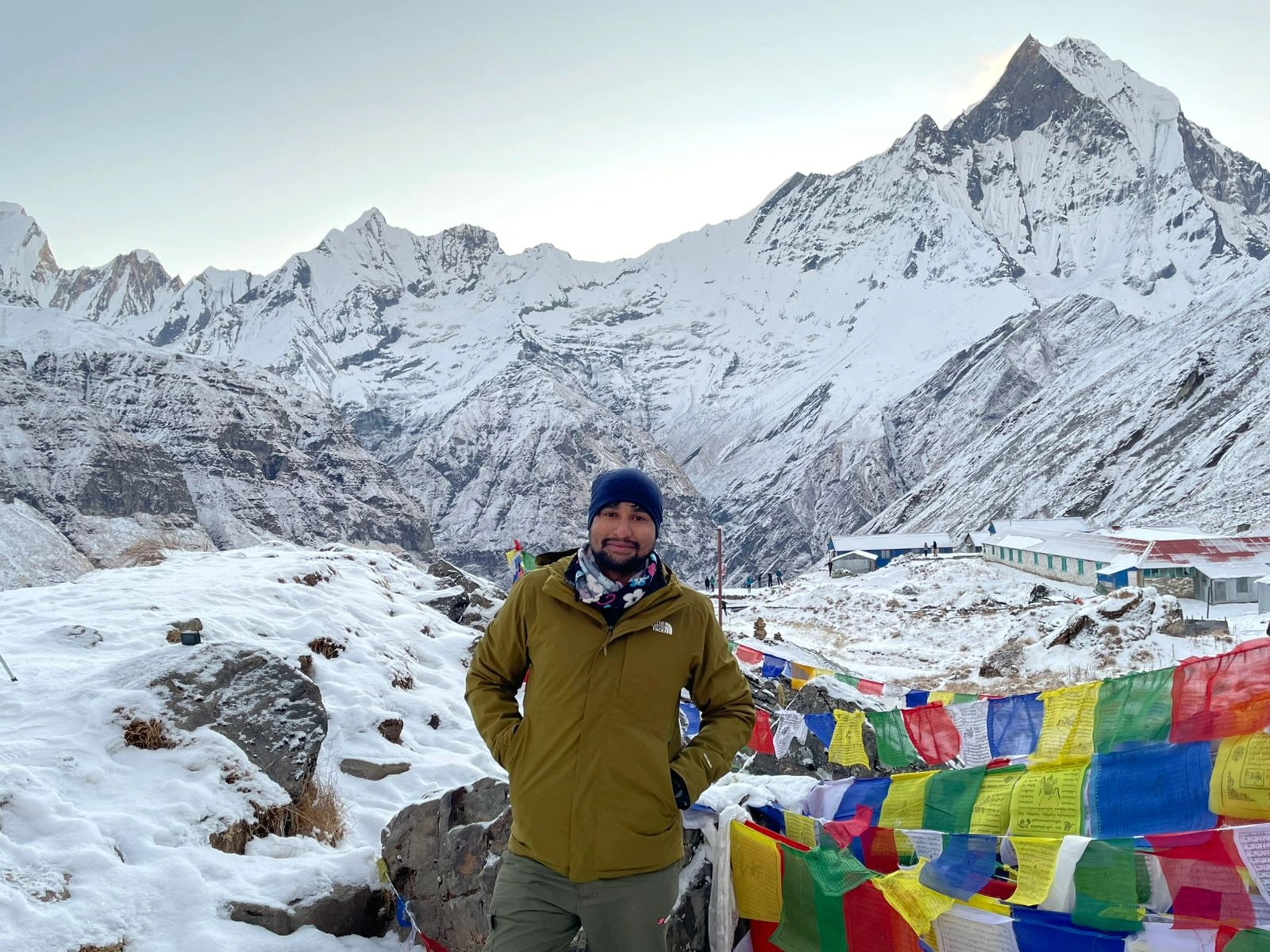
The ABC trail frames Annapurna I (8,091 m), Annapurna South (7,219 m), Hiunchuli (6,441 m), Gangapurna (7,455 m), Annapurna III (7,555 m), and Machhapuchhre (6,993 m) from base camp. The Fishtail peak stays in view for most of the climb.
After Deurali the valley narrows, and Machhapuchhre Base Camp (MBC, 3,700 m) puts you directly under the Fishtail. ABC adds the full amphitheatre. Many trekkers in snowy conditions stop at MBC, and the view there already rivals the one at the top.
How Cold Is Annapurna Base Camp in December?
Annapurna Base Camp reaches about 3°C by day and drops to between -8°C and -15°C at night in December, with wind making it feel colder. Lower villages such as Chhomrong stay near 12°C in daytime.
Above MBC the temperature, wind, and snow all worsen. Water in bottles freezes overnight at ABC, and dining rooms are the only heated spaces. Pack a -15°C sleeping bag, a down jacket, insulated gloves, and microspikes, and expect to stay in the lodge during storms.
What Are the Main Risks of Snow and Trail Closures?
The main risks are avalanches between Hinku Cave and Deurali, avalanches between MBC and ABC, and trail closures after heavy snowfall. In January 2020, an avalanche buried seven trekkers on this route, four South Koreans and three Nepali guides.
Avalanche risk concentrates on the steep valley walls between Hinku Cave and Deurali and on the final climb from MBC to ABC. Sinuwa and Bamboo have smaller slides after rain or melt. The rules we follow: start early, before midday warming loosens the snow, wait at least 24 hours after heavy snowfall, and obey the guide's turnaround call without argument. A turnaround at MBC is a normal outcome and still a good trip. Carry 2 buffer days, and keep travel insurance valid to 4,200 m.
How Many Days Are Needed for the Annapurna Base Camp Trek?
The Annapurna Base Camp trek takes 9 to 12 days from Pokhara in December, including 2 spare days for snow.
A typical December plan covers Nayapul, Ghandruk, Chhomrong, Dovan or Himalaya, Deurali, MBC, ABC, then a 4-day descent via Bamboo and Jhinu Danda hot springs. Our Annapurna Base Camp Trek builds in the spare days at the places where snow most often stops groups. For a lower-risk alternative with similar views, compare Mardi Himal later in this guide.
5. Explore the Rara Lake Trek
Rara Lake is Nepal's largest lake, at 2,990 m. It lies in Rara National Park in the far northwest. Most trekkers reach it by flying to Talcha. December brings snow, shoreline ice, and silence. Flights set the schedule.
What Makes Rara Lake Special During Winter?
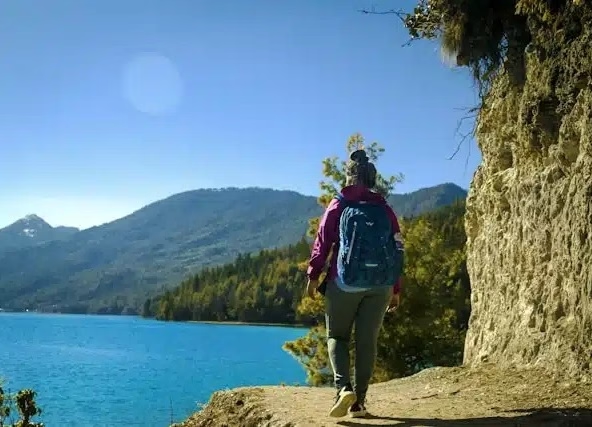
Rara Lake is special in winter because Nepal's largest lake, at 2,990 m inside Rara National Park, sits in white silence with almost no other visitors. Ice forms along the shoreline on the coldest mornings, and the lake can freeze more fully in January and February.
The lake covers about 10.8 square kilometres in Mugu district in far northwestern Nepal. Rara National Park, established in 1976 to protect the lake and its forests, covers about 106 square kilometres. The price of that solitude is remoteness. Lodges near the lake are few and seasonal, mobile network is patchy, and flights decide everything. We suggest winter Rara only with a support crew and a flexible schedule.
What Are the Main Highlights of the Rara Lake Trek?
The 5 highlights are the flight into Talcha, the walk through pine and juniper forest, the shoreline of Rara Lake, the Murma Top viewpoint, and wildlife such as musk deer, red panda, and Himalayan black bear. Murma Top overlooks the lake from about 3,500 m.
The short route from Talcha airport to the lake takes about 2 to 3 hours of walking. Day hikes cover the shoreline loop and the climb to Murma Top, where the lake lies below and distant peaks stand beyond. Wildlife is present but shy, and December snow shows tracks more reliably than animals.
How Cold Does the Rara Region Get in December?
The Rara region gets typical December lows between -5°C and -15°C and daytime highs of about 5°C in sunshine. Snow lies in patches on the trails and deepens near the lake in late December.
A -15°C sleeping bag, a down jacket, insulated boots, and thermal base layers are standard. Because lodges near the lake are limited, we plan winter trips with food, fuel, and tents carried by the crew. Pack a power bank or solar charger, because charging points are rare.
How Can You Reach Rara Lake in Winter?
You reach Rara Lake in winter by flying Kathmandu to Nepalgunj, then Nepalgunj to Talcha, and walking about 2 to 3 hours to the lake. Flights depend on weather and are often delayed or cancelled.
Nepalgunj sits in the plains, where December fog regularly disrupts morning departures. The Talcha leg runs on small aircraft that fly only in clear conditions. Plan 6 to 8 days in total, including at least 2 buffer days at each end. The alternatives are slower: a multi-day road journey from Nepalgunj toward Mugu, or a walk of 4 to 6 days from Jumla. For winter, the flight route with spare days is the practical choice. A Rara National Park entry permit is required, and your operator arranges it in Kathmandu or Nepalgunj.
6. Mardi Himal Trek
Mardi Himal is a ridge trek north of Pokhara. It climbs from Forest Camp to a viewpoint at 4,500 m. Machhapuchhre stands close along the whole upper route. December gives clear mornings and light snow. The trek takes 5 to 7 days.
What Are the Main Highlights of the Mardi Himal Trek?
The 5 main highlights are the Forest Camp rhododendron woods, the Low Camp and High Camp ridge, Badal Danda at 3,210 m, Machhapuchhre up close, and the Mardi Himal viewpoint at 4,500 m. The trek follows a narrow ridge for most of its upper half.
Mardi Himal begins from Kande or Phedi near Pokhara and climbs through Forest Camp (about 2,550 m) to Low Camp (about 3,050 m) and High Camp (about 3,580 m). Unlike the main Annapurna trails, this route is a pure ridge walk with open views from day 3. An Annapurna Conservation Area permit covers the route. Most lodges stay open through December, and a guide who knows the winter stops saves the day when one is closed.
Can You See Machhapuchhre and the Annapurna Range in December?
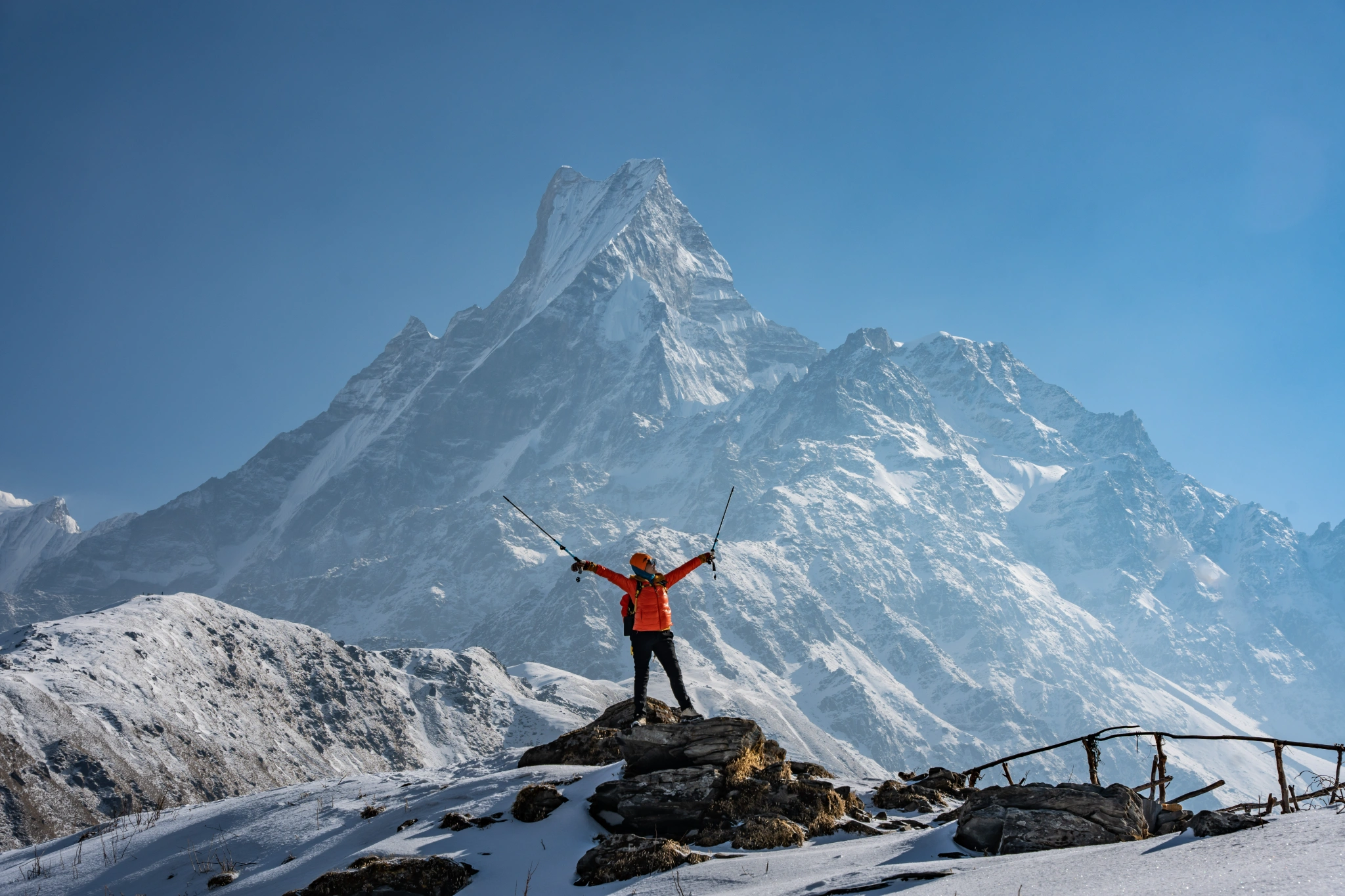
Yes, you can see Machhapuchhre (6,993 m), Annapurna South (7,219 m), Hiunchuli (6,441 m), and Annapurna III from the ridge, and December skies make these views clearer than in any other season. Machhapuchhre looks nearest from High Camp.
Sunrise at High Camp lights the Fishtail's twin summit before the valleys below wake. A common mistake is arriving at High Camp at midday and missing the best light. Sleep at High Camp, wake at dawn, and climb to the viewpoint with a headlamp.
How Does Snow Affect the Mardi Himal Trek?
Snow affects Mardi Himal above Badal Danda and at High Camp, where light snow falls in early December and heavier snow settles by late December. Below Forest Camp the trail stays clear.
Temperatures run 10 to 15°C by day and 0 to 5°C at night below Forest Camp. Above High Camp, days sit between -5 and 5°C and nights between -10 and -15°C. The ridge itself is exposed to wind, and icy sections on the climb to the viewpoint call for microspikes. Altitude above 4,000 m adds risk for fast climbers. We rate the route moderate in summer and moderate to demanding in December, with 5 to 6 hours of walking per day.
How Many Days Are Needed for the Mardi Himal Trek?
The Mardi Himal Trek takes 5 to 7 days from Pokhara, and a 7-day plan in December includes 1 spare day. Faster 4-day itineraries compress altitude gain and leave no room for weather.
A standard December plan runs Pokhara to Kande, then Forest Camp, Low Camp, High Camp, the viewpoint and back to High Camp, then a 2-day descent. The spare day is for snow or a cloudy sunrise. Mardi Himal is a strong alternative to Annapurna Base Camp when avalanche risk or limited time rules the sanctuary out.
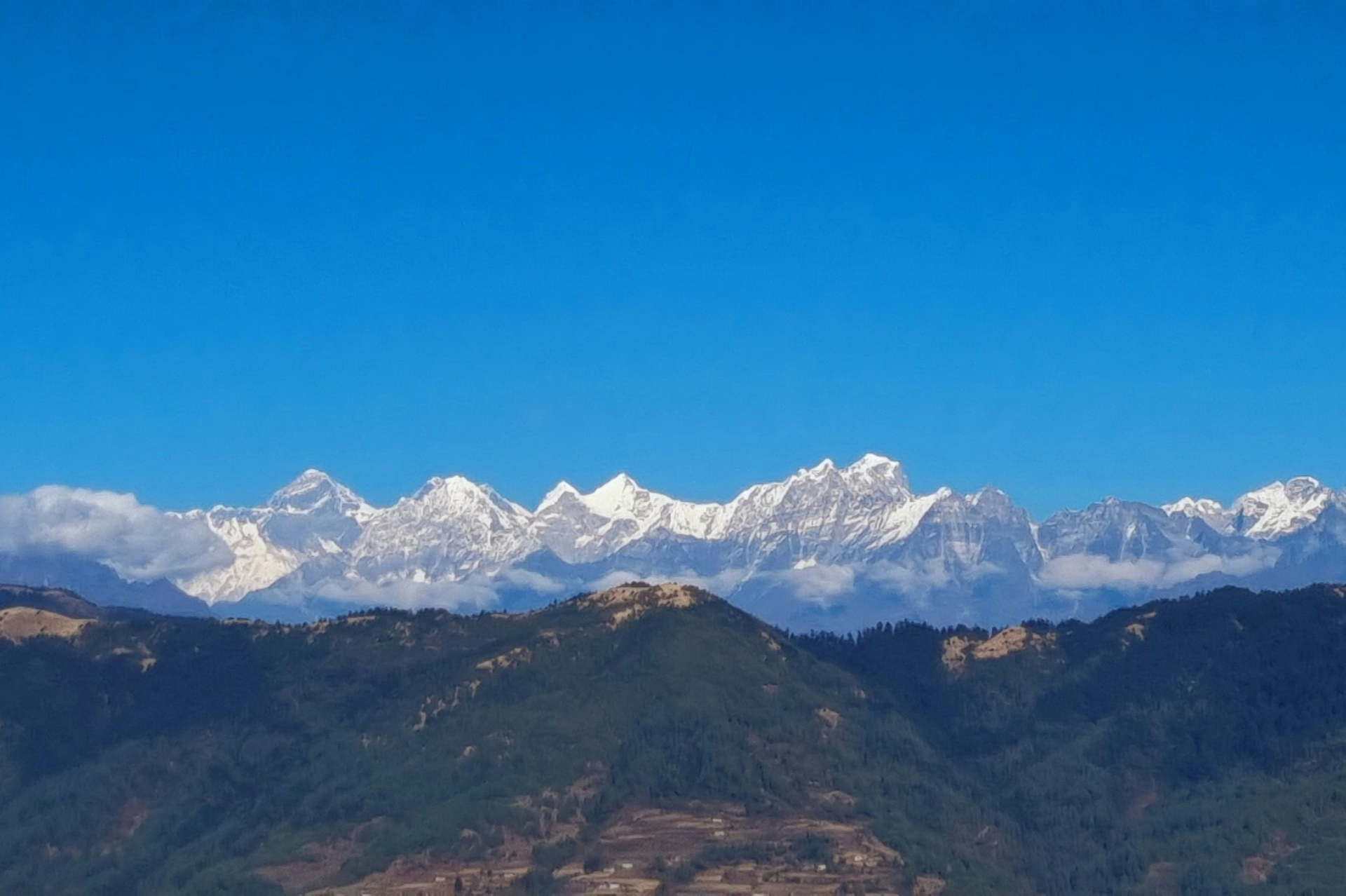
7. Pikey Peak Trek
Pikey Peak rises to 4,065 m in the Solu region. The trail passes Sherpa villages and old monasteries. The summit shows a wide panorama that includes Everest. December trails are nearly empty. The trek is moderate and takes 5 to 8 days.
What Makes Pikey Peak a Great Winter Trek?
Pikey Peak is a great winter trek because it reaches 4,065 m through Sherpa villages, needs no technical skill, and delivers one of the widest Himalayan panoramas in Nepal under clear December skies. Trails are nearly empty in winter.
Pikey Peak sits in the Solu region of Solukhumbu, the original homeland of the Sherpa people before many families moved north to Khumbu. Junbesi has Thupten Choling Monastery, with a community of about 300 monks. The route is classed as moderate, with 5 to 7 hours of walking and 400 to 600 m of daily climb. Lodges have twin rooms with mattresses and pillows, shared bathrooms, and heated dining rooms, and you bring your own sleeping bag.
Can You See Mount Everest From Pikey Peak?
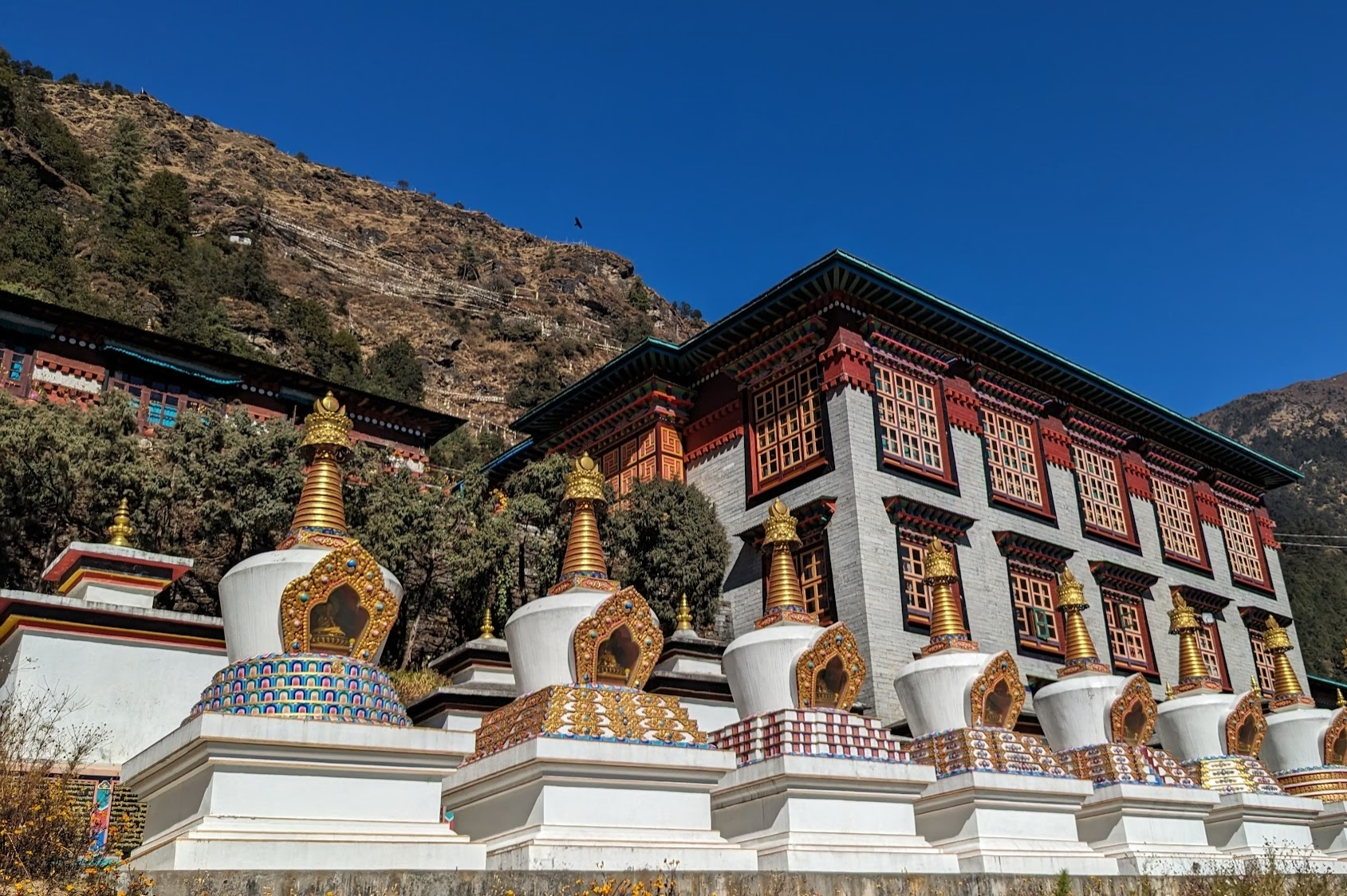
Yes, Mount Everest is visible from the Pikey Peak summit, about 65 km away in a straight line, alongside Lhotse, Makalu, Cho Oyu, and Gaurishankar. Kanchenjunga appears on the far eastern horizon on the clearest mornings.
The view is a panorama, not a close-up. Everest looks smaller than it does from Kala Patthar, because it sits behind nearer ridges. Its value is scale: you see a sweep of the Himalaya from Gaurishankar in the west to Kanchenjunga in the east, with no crowd on the summit.
How Cold Is the Pikey Peak Trek in December?
Pikey Peak runs 5 to 8°C by day and -5 to -10°C at night in December, with fresh snow near the summit and light frost in the lower villages. Wind on the ridge makes the final hour the coldest.
Starting before dawn at about 3,600 m, you climb in temperatures near -10°C. A down jacket, windproof shell, gloves, and a warm hat are non-negotiable. Teahouses heat only the dining room, so a -10°C sleeping bag is the minimum. The Solu valleys below Pikey Base Camp are mild by comparison. Permits only require a local municipality fee since the standard route sits outside conservation boundaries, and your operator handles it.
How Many Days Are Needed for the Pikey Peak Trek?
The Pikey Peak Trek takes 5 to 8 days, depending on whether you drive or fly to the trailhead. A flight from Kathmandu to Phaplu takes about 35 minutes. The road takes a full day.
A short version drives from Kathmandu to Dhap, climbs to Pikey Base Camp, summits at dawn, and descends in 5 days. A longer version continues to Junbesi and Phaplu to add monasteries and village stays, and runs 7 to 8 days. Winter flights to Phaplu depend on morning weather, so buffer a day.
8. Khopra Ridge Trek
Khopra Ridge lies south of the Annapurna and Dhaulagiri massifs. The ridge sits at about 3,660 m. Community-run lodges serve the route. Dhaulagiri fills the western sky. December snow makes early-month departures the best choice.
What Are the Best Highlights of the Khopra Ridge Trek?
The 5 best highlights are the Khopra Danda ridge at about 3,660 m, Khayer Lake at about 4,600 m, the Tadapani and Dobato forests, the community-run lodges, and unobstructed Dhaulagiri views. The route avoids the busy Annapurna base camp trails.
Khopra Ridge climbs from Ghandruk or Tadapani through Dobato and Bayali Kharka to a high ridge south of the Annapurna massif. Community lodges, owned by local villagers, run Khopra and the stops around it. Rooms are basic, twin-bedded, and mostly unheated, and facilities thin out with altitude. Khayer Lake is a holy lake that adds a strenuous, full-day side trip from Khopra. The trek is moderate to demanding, with steep climbs and at least 3 days above 3,000 m. It suits trekkers who have walked a 7-day route before.
Can You Enjoy Annapurna and Dhaulagiri Views in December?
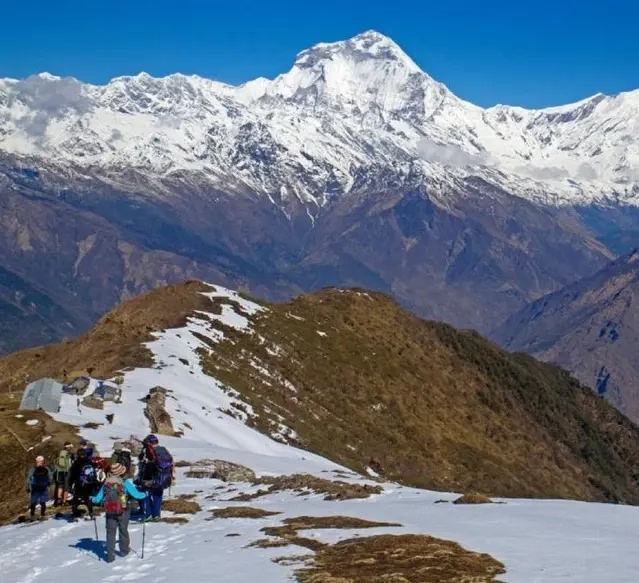
Yes, Khopra Ridge frames Dhaulagiri, Annapurna South, Nilgiri, and Machhapuchhre in December, and cold, dry air gives these views their best clarity of the year.
Dhaulagiri (8,167 m) fills the western sky, and Annapurna South and Machhapuchhre hold the east. The ridge is exposed, so the views come with wind. Wake before sunrise, dress in layers, and carry a flask. Skipping the dawn slot is the most common mistake we see on Khopra.
How Does Winter Weather Affect Khopra Ridge?
Winter weather affects Khopra Ridge through sub-freezing temperatures, heavy snow above Dobato, and reduced lodge service on the highest section. Snow can block trails from December to February.
Snow depth rises after December 20, and the ridge is among the first sections to close. Some community lodges reduce service or close in deep winter, so confirm which ones operate before departure. Our advice: do Khopra in the first 2 weeks of December, carry crampons or microspikes, and add 2 buffer days. After heavy snowfall, descend by the same route and skip the ridge.
How Many Days Are Needed for the Khopra Ridge Trek?
The Khopra Ridge Trek takes 9 to 11 days from Pokhara, with a total distance of about 70 km and 4 to 8 hours of walking per day. The Khayer Lake side trip adds 1 day.
A typical route runs Nayapul to Ghandruk, Tadapani, Dobato, Bayali Kharka, Khopra Ridge, then down to Swanta and out via Ghorepani or Ulleri. In December, add 1 or 2 days for snow.
9. Helambu Circuit Trek
The Helambu Circuit starts 1 hour from Kathmandu. It peaks at 3,640 m on the Tharepati ridge. Hyolmo villages and monasteries give the route its character. Most of the trail stays below 2,800 m. The loop takes 5 to 7 days.
What Makes the Helambu Circuit a Good Winter Trek?
The Helambu Circuit is a good winter trek because it starts 1 hour from Kathmandu, peaks at 3,640 m, and keeps most villages below 2,800 m, which means mild days and low altitude risk. Snow stays mostly on the Tharepati ridge.
The classic loop leaves Sundarijal and climbs through Shivapuri forest to Chisapani (2,215 m), then Kutumsang (2,470 m). From the Tharepati ridge it descends east through Tarkeghyang (2,590 m) and Sermathang (2,610 m) to Melamchi Pul. Gradients are gentle, days run 4 to 6 hours, and no pass is technical. Because it starts and ends near Kathmandu, a bad weather forecast costs a day, not a flight.
What Cultural Experiences Can You Enjoy Along the Helambu Circuit Trail?
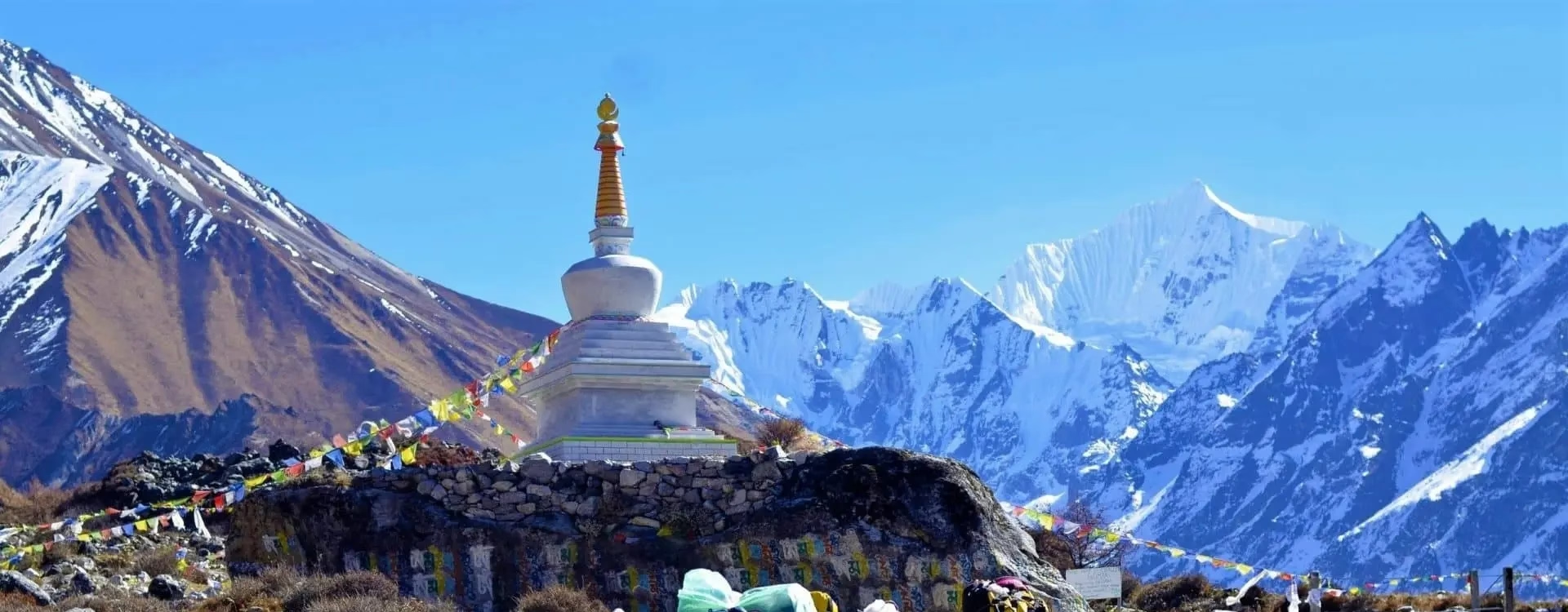
The Helambu trail offers visits to Hyolmo (Yolmo) villages, family monasteries, mani walls, and traditional stone houses in Tarkeghyang and Sermathang. The Hyolmo are a Buddhist community culturally related to the Sherpas of Everest.
Tarkeghyang is the cultural centre of Helambu, with a large gompa and a strong village identity. Several lodges in Tarkeghyang and Sermathang run beside family monasteries, so morning prayers reach the dining room. Mani walls line the paths into each village, and the custom is to pass them clockwise, keeping the carved stones on your right. A night in each of the two villages gives time to see a monastery in use, not just from the trail.
How Cold Is the Helambu Circuit in December?
The Helambu Circuit is cold but gentle in December, with frosty mornings and clear blue skies in the lower villages and snow only on the Tharepati ridge at 3,640 m. Nights near the ridge fall below freezing.
Kutumsang and Tharepati are the coldest stops. Tarkeghyang and Sermathang are milder. A sleeping bag rated to -10°C is enough, and lodge blankets help. Views of Langtang Lirung, Dorje Lakpa, and the Jugal Himal open on clear mornings. If snow blocks Tharepati, the lower-village loop between Sermathang and Tarkeghyang stays walkable and still gives the cultural experience. Permits include a Langtang National Park fee of about NPR 3,000 and a Shivapuri Nagarjun fee when starting at Sundarijal.
How Many Days Are Needed for the Helambu Circuit Trek?
The Helambu Circuit Trek takes 5 to 7 days for the full loop and 3 to 4 days for a short lower-village version. Walking days run 4 to 6 hours.
A full 7-day loop covers Sundarijal, Chisapani, Kutumsang, Tharepati, Tarkeghyang, Sermathang, and Melamchi Pul, with road transfers on both ends. The short version links Sermathang and Tarkeghyang and stays below 2,800 m, which suits trekkers who want culture without cold.
10. Tamang Heritage Trail
The Tamang Heritage Trail runs through Rasuwa district near the Tibetan border. It starts at Syabrubesi at 1,550 m. Homestays, monasteries, and mani walls mark each village. The route passes through the historic village of Tatopani. It stays below 3,200 m and takes 6 to 8 days.
What Makes the Tamang Heritage Trail Unique in Winter?
The Tamang Heritage Trail is unique in winter because it stays below 3,200 m, runs through homestay villages with Tibetan-style culture, and passes through the historic village of Tatopani. It is the easiest trek in this guide.
The Tamang people have lived in this part of Rasuwa district for centuries, and their language, dress, and Buddhist practice reflect close ties to Tibet. The trail starts at Syabrubesi (1,550 m), crosses to Gatlang (2,238 m), and descends through Thuman and Briddim. Though the village's original hot springs were lost in the 2015 earthquake, Tatopani remains a key cultural stop with welcoming teahouses on cold days.
What Cultural and Natural Highlights Can You Experience on Tamang Heritage Trail?
The 5 main highlights are Gatlang village, Parbati Kunda, Thuman, Briddim, and the panorama from Nagthali Hill at 3,165 m. Views take in Langtang Lirung, Ganesh Himal, and peaks along the Tibet border.
Gatlang has monasteries, mani walls, and carved wooden doors, and lodges here run as family homestays. Parbati Kunda is a sacred lake above Gatlang. Thuman and Briddim are Tamang villages on the return leg, and Briddim looks straight at Langtang Lirung. Nagthali Hill gives the trek its high point and a wide view of the Langtang range. Time your visit to Gatlang for the evening, when families gather and monastery chants carry through the village.
How Cold Is the Tamang Heritage Trail in December?
The Tamang Heritage Trail is cold but accessible in December, with daytime highs near 10°C at Syabrubesi and nights near or below freezing in the villages. Nagthali Hill and the upper ridges see the heaviest cold and some snow.
Gatlang and Thuman nights drop close to freezing, and lodge rooms are unheated, so bring a -10°C sleeping bag. Higher sections above 4,000 m in the neighbouring Langtang region take heavy snow, and the Gosainkunda route can close. Stick to the village circuit and you stay in comfortable territory.
How Many Days Are Needed for the Tamang Heritage Trail?
The Tamang Heritage Trail takes 6 to 8 days from Kathmandu, with a standard 7-day itinerary rated easy. The drive to Syabrubesi takes 6 to 8 hours each way.
A typical plan drives to Syabrubesi, walks to Gatlang, Tatopani, Thuman, and Briddim, and finishes with a drive back. Because walking days are short and altitude is low, the Tamang Heritage Trail suits families, older trekkers, and anyone seeking December culture over summit views.
How Can Heaven Himalaya Help You Choose the Best December Trek?
Heaven Himalaya helps you choose a December trek by matching your days, fitness, and risk tolerance to the route that fits, then arranging permits, guides, flights, and gear. We are a direct local operator based in Gitanjali Chowk, Dathu Sadak, Kathmandu.
Ramhari Adhikari, our founder and managing director, has more than 18 years in Nepal's tourism industry and has led Everest Base Camp trips more than 100 times. Our Tripadvisor profile shows a 5.0 rating from 160 reviews and Travelers' Choice awards from 2021 to 2025. Ready-made departures include Everest Base Camp, Annapurna Base Camp, and Langtang Valley. For the other routes in this guide, write to us and we plan a private trip.
Use this quick filter to shortlist:
Choose Poon Hill, Helambu, or Tamang Heritage when you have 4 to 8 days and want low altitude.
Choose Mardi Himal or Pikey Peak when you have 5 to 8 days and want a higher viewpoint.
Choose Langtang Valley when you have 7 to 9 days and want snow views with moderate altitude.
Choose Everest Base Camp when you have 14 days, strong fitness, and time for acclimatization.
Choose Annapurna Base Camp or Khopra Ridge only in the first half of December, with spare days.
Choose Rara Lake when you want remote winter scenery and accept flight uncertainty.
When you are ready to talk dates, email info@heavenhimalaya.com, or message us on WhatsApp at +977 9851273867.
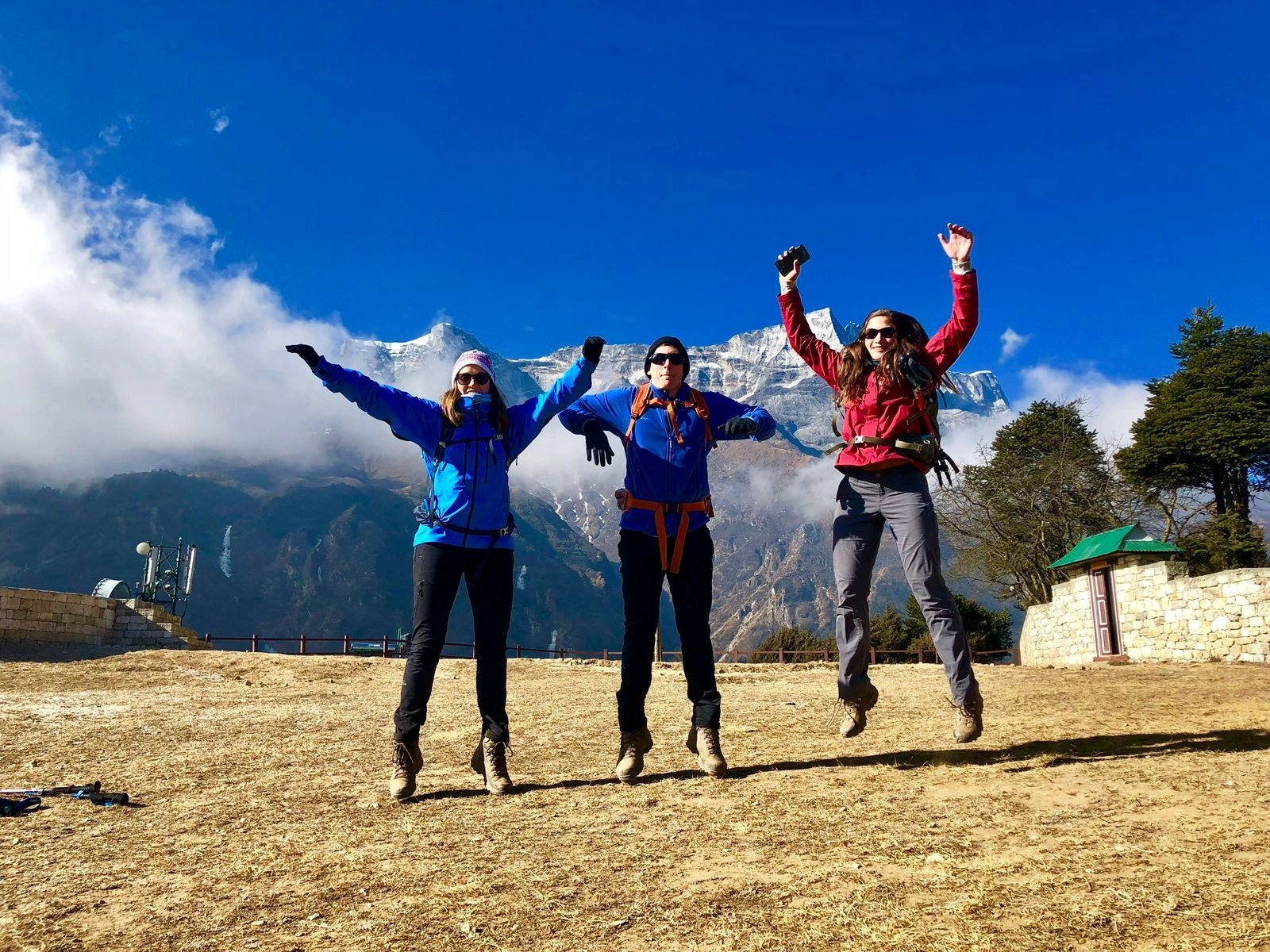
What Are the Key Takeaways About the Best Treks in Nepal in December?
The key takeaway is that the best treks in Nepal in December match altitude and spare days to the cold: low routes such as Poon Hill, Helambu, and Tamang Heritage for easy winter walking, and high routes such as Everest Base Camp for experienced trekkers. The 7 points below summarise the choice.
December gives dry trails and clear skies, with about 10 hours of daylight.
Nights fall below freezing above 3,000 m on all 10 routes, and early December is milder than the last 10 days of the month.
Poon Hill, Rara Lake, Helambu, and Tamang Heritage stay below 3,700 m and carry the lowest altitude risk.
Everest Base Camp needs 12 to 14 days, a -20°C sleeping bag, and 2 to 3 buffer days for Lukla flights.
Annapurna Base Camp carries avalanche risk between Hinku Cave and Deurali and between MBC and ABC.
Rara Lake and Khopra Ridge reward flexible schedules, because flights and snow decide the pace.
Permits cost about NPR 3,000 per entry, and a licensed guide adds safety when snow hides the trail.
The best treks in Nepal in December share one trait: the plan leaves room for weather. Pick the route that fits your days, pack for the night low, and book the spare day.