

Hiking in Nepal in December 2026: Trails, Gear, and Costs

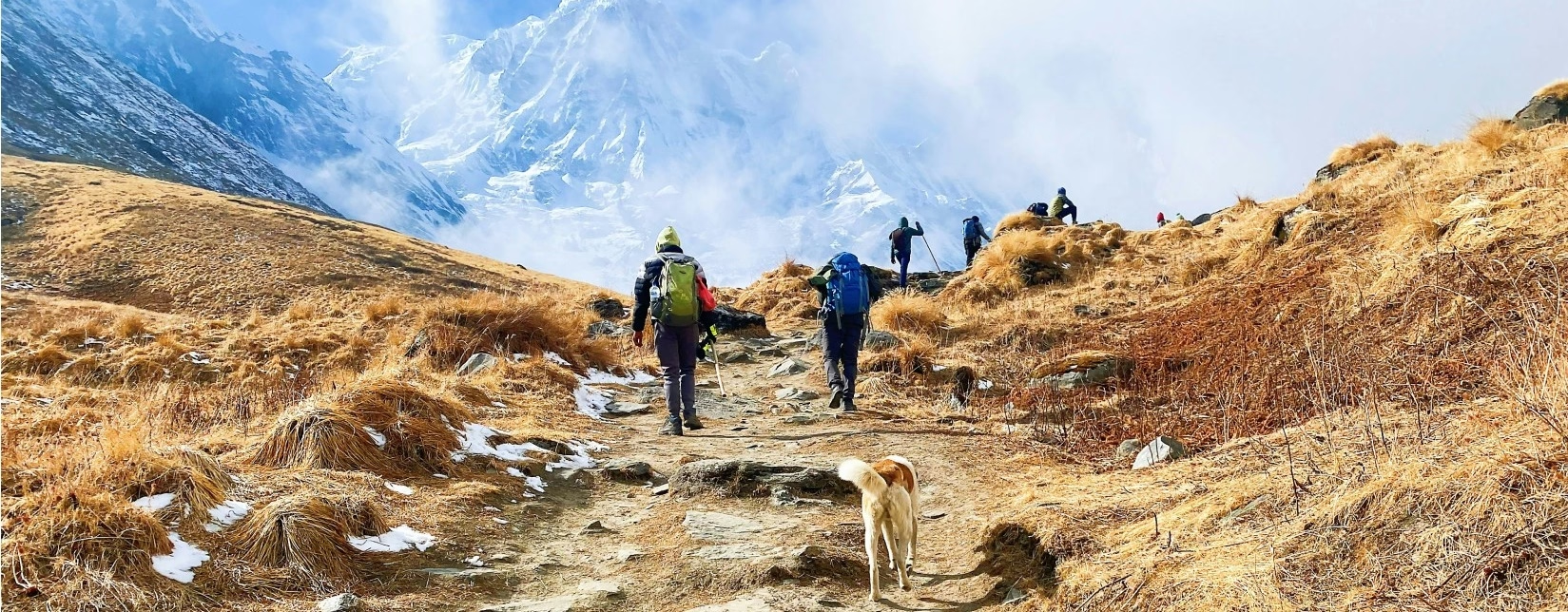
Hiking in Nepal in December offers clear Himalayan views, dry weather, quieter trails, and opportunities for affordable winter trekking. From the beginner-friendly Ghorepani Poon Hill Trek to the challenging Annapurna Base Camp and Everest Base Camp routes, trekkers can choose trails based on fitness, experience, and available time. However, freezing nights, occasional snowfall, icy sections, and shorter daylight hours make route selection and winter preparation essential.
Planning a December trek in Nepal requires understanding weather conditions by altitude, choosing suitable trails, packing cold-weather gear, and arranging the necessary permits, guides, and travel insurance. This guide explores the best short and multi-day hikes, fitness requirements, altitude safety, transportation, and trekking costs, with practical advice to help you plan a safe Himalayan adventure within your budget.
What Is the Weather Like for Hiking in Nepal in December?
December is Nepal's dry, clear, cold month. Days are sunny and mild below 3,500 m (11,500 ft). Nights are freezing above 2,800 m (9,200 ft). Snow falls in short bursts, mostly above 3,000 m (9,800 ft), and the trails stay open on every route in this guide.
Winter in Nepal starts in December and runs through February. According to Nepal's Department of Hydrology and Meteorology, roughly 80% of the country's annual rainfall arrives during the June–September monsoon. December sits in the opposite season, so rain is rare and cloud cover is low.
Kathmandu averages about 19°C (66°F) by day and 3°C (37°F) by night. Pokhara, the gateway to the Annapurna region, runs a few degrees warmer. The real change happens on the trail, where every 1,000 m (3,300 ft) of climbing drops the air temperature by roughly 6°C (11°F).
Daylight shortens in December. Expect about 10.5 hours of usable light around the winter solstice. That limit shapes every itinerary: you start walking at 7:00 a.m., and you reach your lodge by 4:00 p.m., before the cold settles in.
How Cold Does Nepal Get in December at Different Altitudes?
Temperatures fall from mild to severe as you climb. Lodges at 2,800 m (9,200 ft) see nights near −2°C (28°F). Lodges at 5,000 m (16,400 ft) see nights between −16°C and −25°C (3°F to −13°F). Daytime highs stay near 0–10°C (32–50°F) on most routes.
The table below lists approximate December averages for popular trek stops, combining published weather records with guide field reports. Figures vary by 3–5°C between years and with wind.
Location (elevation) | Typical daytime high | Typical night low | Trail context |
Kathmandu (1,400 m) | 19°C / 66°F | 3°C / 37°F | Arrival city |
Lukla (2,860 m) | 10–12°C / 50–54°F | −2°C to 0°C / 28–32°F | Everest region start |
Ghorepani (2,874 m) | 9°C / 48°F | −2°C / 28°F | Poon Hill base |
Namche Bazaar (3,440 m) | 9°C / 48°F | −4°C to −5°C / 23–25°F | Everest View Trek |
Kyanjin Gompa (3,870 m) | 3–6°C / 37–43°F | −8°C to −12°C / 18–10°F | Langtang Valley end |
Annapurna Base Camp (4,130 m) | 0–4°C / 32–39°F | −10°C to −15°C / 14–5°F | Annapurna sanctuary |
Gorak Shep (5,164 m) | 0–1°C / 32–34°F | −16°C to −25°C / 3°F to −13°F | Everest Base Camp stage |
Wind chill makes these numbers feel colder. A 30 km/h (19 mph) wind on a ridge removes another 5–10°C from the felt temperature. Teahouse bedrooms are unheated, so room temperature tracks the outdoor night low within a few degrees.
How Much Snowfall Can Hikers Expect in December?
Expect light, scattered snowfall above 3,000 m (9,800 ft) and almost none below 2,500 m (8,200 ft). Most December days stay dry. Snow arrives with western disturbances, which are cold weather systems that cross from the Mediterranean and Central Asia and dump snow on the high Himalaya for 1–3 days.
A typical December brings a few snow events to the Annapurna and Everest routes. Snow above 3,500 m (11,500 ft) packs down within two or three sunny days, and guides adjust the schedule around it. Fresh snow hides ice patches, raises avalanche risk on steep slopes, and slows walking pace.
In real-world use, snowfall rarely cancels a December trek. It reorders the days. We build a spare day into every itinerary above 3,500 m so a storm costs you rest, not the summit view.
Are the Days Sunny and the Nights Freezing in Nepal in December?
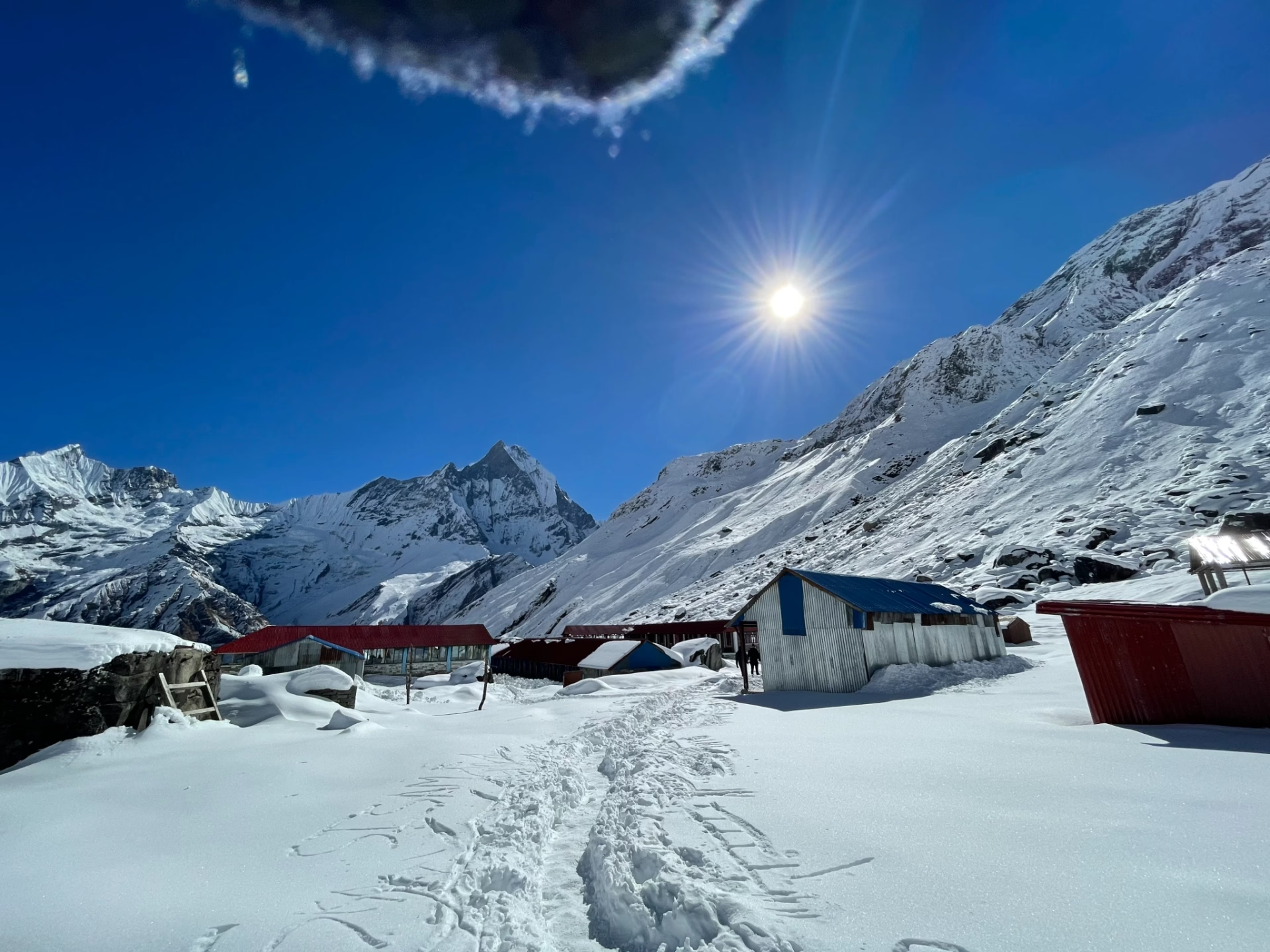
Yes. December days are sunny and nights are freezing above 2,800 m (9,200 ft). Dry air and clear skies deliver strong sun by day, while the same clarity lets heat escape after sunset. The swing between noon and midnight reaches 15–25°C (27–45°F).
That swing defines the daily rhythm. Mornings start between −5°C and −15°C (23°F to 5°F) at altitude. By 10:00 a.m. the sun warms the trail to a comfortable 5–10°C (41–50°F), and you strip down to a base layer. By 4:00 p.m. the shadows fall and the temperature drops 10°C in an hour.
Clear skies carry a hidden cost: ultraviolet radiation. UV intensity rises about 10–12% per 1,000 m (3,300 ft) of elevation, and snow reflects up to 80% of it. Sunglasses rated category 3 or 4 and SPF 50 sunscreen prevent snow blindness and lip burns, which hit December hikers more often than frostbite.
What Are the Best Hiking Trails in Nepal in December?
The 5 best December hikes are Ghorepani Poon Hill, Mardi Himal, Everest View, Langtang Valley, and Annapurna Base Camp. All five stay below 4,600 m (15,100 ft) on the standard route, run on dry winter trails, and offer daily mountain views.
The comparison table summarizes the five routes. Duration counts trekking days only and excludes arrival days in Kathmandu or Pokhara.
Trail | Typical duration | Highest point | December difficulty | Best for |
Ghorepani Poon Hill | 4–5 days | 3,210 m / 10,531 ft | Easy–moderate | Beginners, families |
Mardi Himal | 5–6 days | 4,500 m / 14,764 ft | Moderate–hard | Fit hikers, solitude |
Everest View | 6–8 days | 3,880 m / 12,730 ft | Moderate | Everest views without extreme cold |
Langtang Valley | 7–9 days | 3,870 m / 12,697 ft (Kyanjin Ri 4,773 m) | Moderate | Beginners ready for altitude |
Annapurna Base Camp | 9–12 days | 4,130 m / 13,550 ft | Hard | Experienced hikers |
The Everest Base Camp trek (5,364 m / 17,598 ft) remains open in December for well-prepared groups. It is a winter expedition, not a beginner hike, and we cover its risk profile in the challenges section.
Is Ghorepani Poon Hill a Good December Hiking Destination?
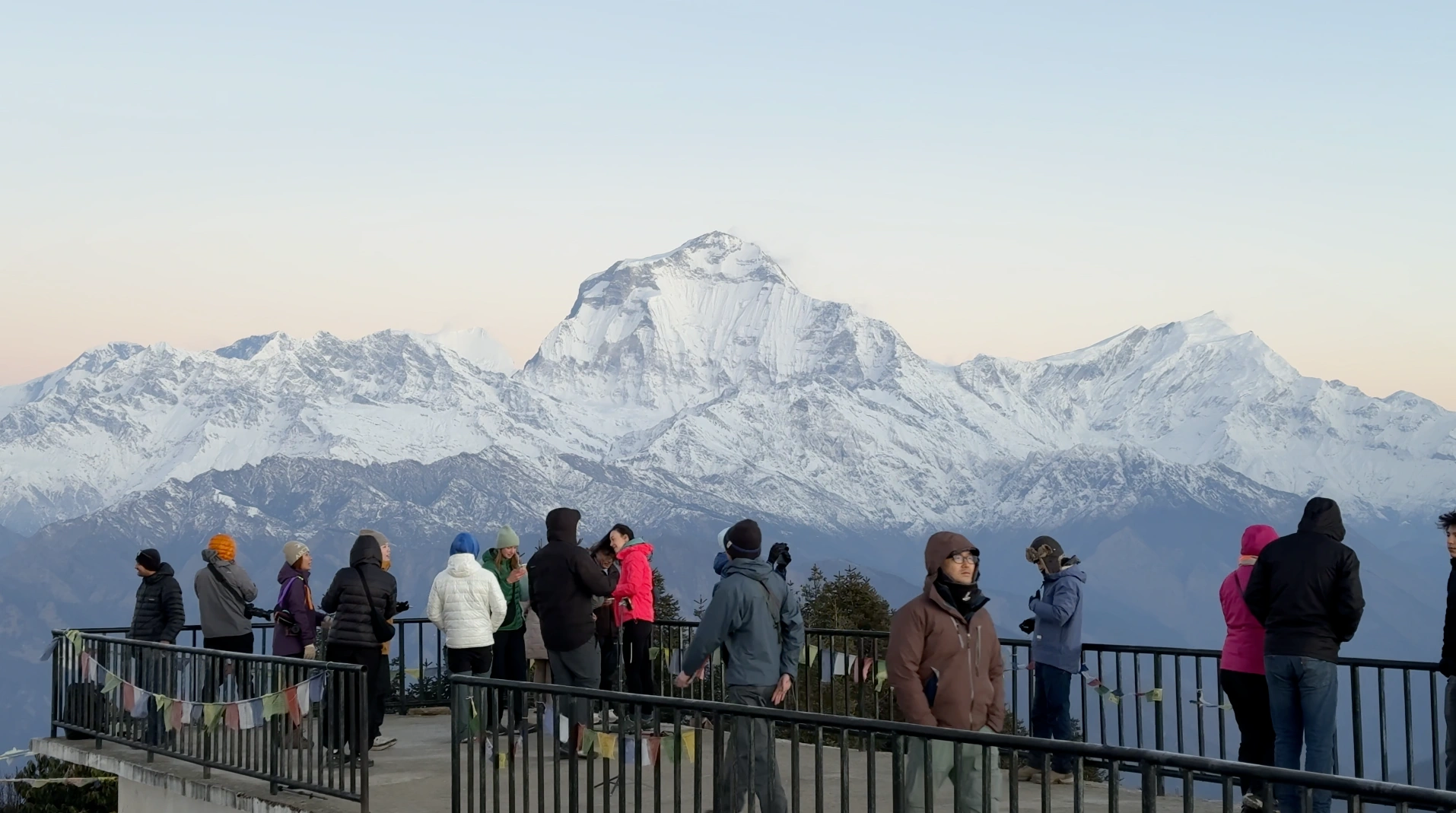
Yes. Ghorepani Poon Hill is the best December hike for first-timers. The route tops out at 3,210 m (10,531 ft), takes 4–5 days, and delivers a sunrise panorama of Dhaulagiri and Annapurna South. Cold mornings produce the sharpest views of the year.
The trail climbs from Nayapul through Ulleri, where roughly 3,300 stone steps start the ascent, to Ghorepani at 2,874 m (9,429 ft). Poon Hill sits 45 minutes above the village. Most hikers leave at 5:15 a.m. and reach the viewpoint before first light.
December conditions are friendly here. Nights at Ghorepani hover near −2°C (28°F), and a dusting of snow adds contrast to the rhododendron forest. Lodges stay open, and the route's altitude keeps acute mountain sickness rare.
What most people overlook: the final 200 m (650 ft) of the morning climb is slick when frost forms on stone steps. Pack lightweight microspikes or trekking poles with rubber tips. The Ghorepani Poon Hill Trek from Heaven Himalaya runs 10 days with a relaxed pace and rest buffers.
Can You Hike the Mardi Himal Trek in December?
Yes, with conditions. The Mardi Himal trek is open in December, reaching High Camp at 3,580 m (11,745 ft) and the Base Camp viewpoint at 4,500 m (14,764 ft). Snow cover and cold nights raise the difficulty from moderate to moderate–hard, and a guide is the safest choice.
The route follows a narrow ridge from Forest Camp through Low Camp and High Camp. Machhapuchhre, the Fishtail peak, dominates the view. December gives you this panorama with a fraction of the crowds seen in October.
Expect snow on the upper ridge after any storm. The round trip from High Camp to the 4,500 m viewpoint takes 6–7 hours, and guides turn back when wind or fresh snow makes the ridge unsafe. Teahouses at High Camp operate, but menus shrink and some higher lodges close in deep winter.
Allow 5–6 days and a spare weather day. The ridge sleeps cold: nights at High Camp fall to −8°C to −10°C (18°F to 14°F), so a −10°C comfort-rated sleeping bag is the minimum.
Is the Everest View Trek Suitable for December?
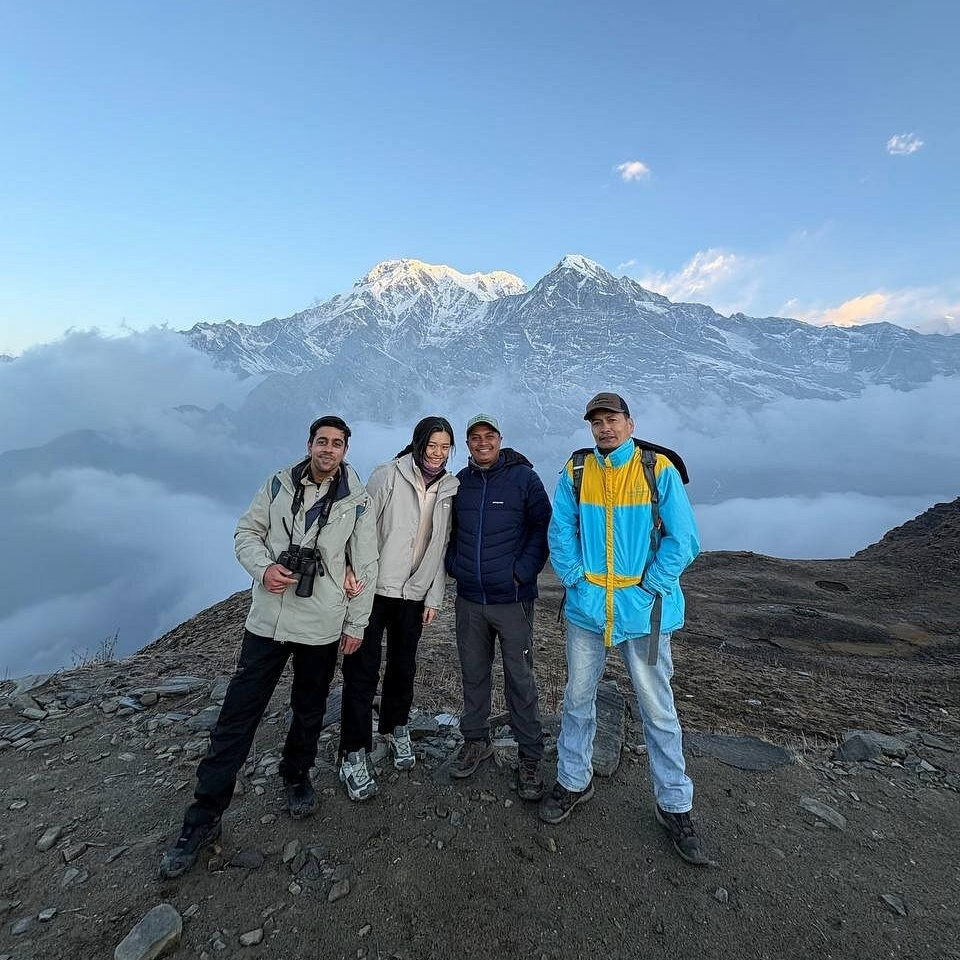
Yes. The Everest View Trek suits December well. It stays below 3,900 m (12,800 ft), skips the −20°C nights of Gorak Shep, and still delivers Everest, Lhotse, Nuptse, and Ama Dablam. Expect 6–8 days and a Lukla flight at each end.
The route flies to Lukla (2,860 m), then climbs through Phakding to Namche Bazaar (3,440 m). A side hike through Syangboche leads to the Everest View Hotel at 3,880 m, where Everest appears over the Lhotse–Nuptse wall. Tengboche Monastery (3,867 m) adds the cultural highlight.
Flights drive the schedule in December. Morning fog in Kathmandu and cloud at Lukla delay departures, so reserve at least 1 buffer day at the end of the trip. Confirm the departure airport (Kathmandu or Manthali–Ramechhap) with your operator before you book.
Can Beginners Enjoy the Langtang Valley Trek in December?
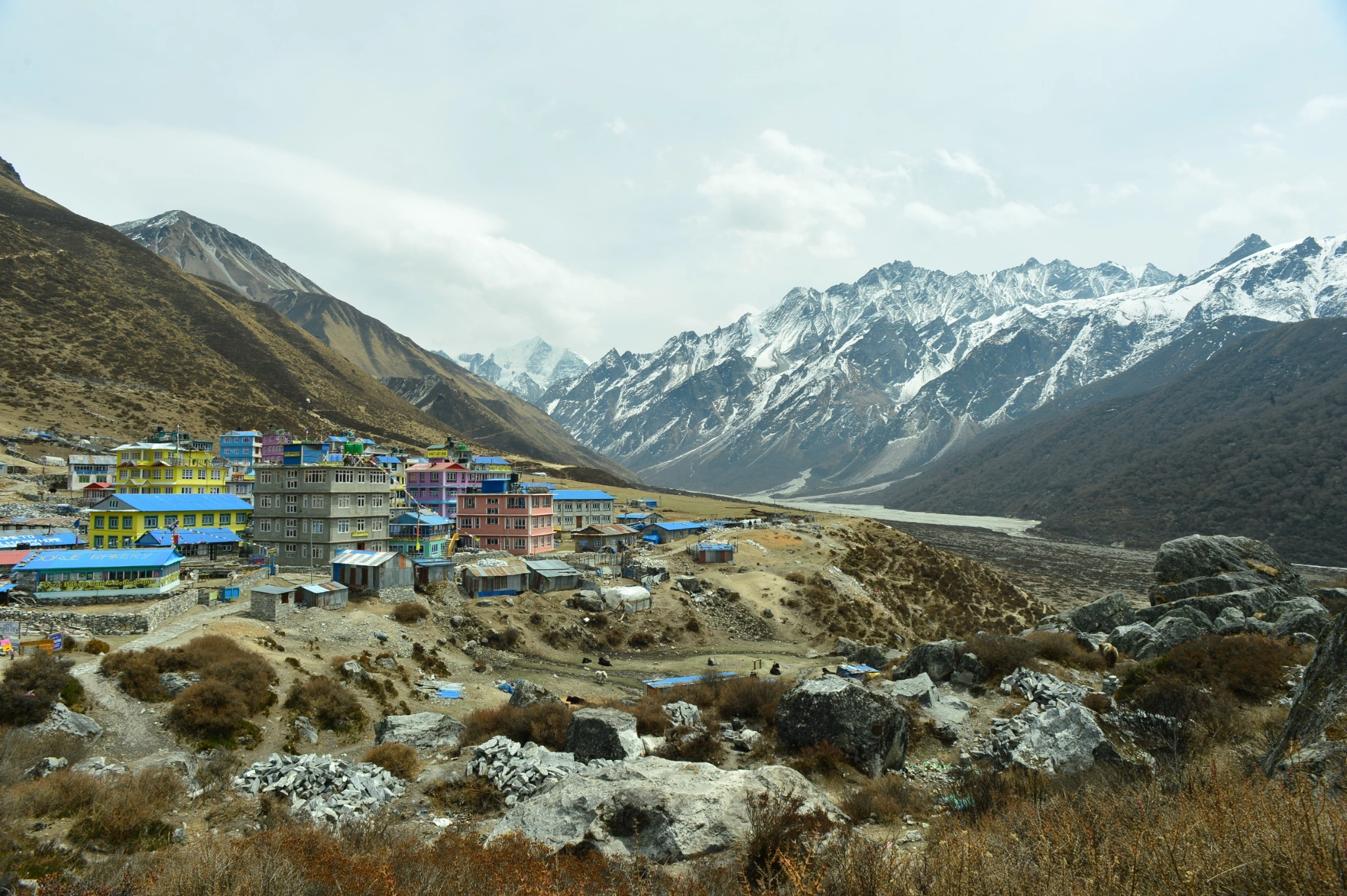
Yes. Beginners with a guide enjoy Langtang Valley in December. The trek lasts 7–9 days and reaches Kyanjin Gompa at 3,870 m (12,697 ft). Trails follow a river valley with gentle gradients, and the peaks of Langtang Lirung (7,227 m) and Yala Peak frame every day.
Langtang starts with a 7–8 hour drive from Kathmandu to Syabrubesi (1,550 m). The valley rebuilt after the 2015 earthquake, and lodges now line the route. December nights at Kyanjin Gompa fall to −8°C to −12°C (18°F to 10°F), so beginners must pack a warm sleeping bag and a real down jacket.
The ascent is steady, which supports acclimatization. Spend two nights at Kyanjin Gompa and hike Kyanjin Ri (4,773 m) or Tserko Ri (4,984 m) as an acclimatization day. Daytime views of the Langtang range are at their clearest between 8:00 and 11:00 a.m.
Heaven Himalaya lists the Langtang Valley Trek at $760 for 9 nights and 10 days.
Is the Annapurna Base Camp Trek Possible in December?
Yes, ABC is possible in December for fit, well-equipped hikers. The trail reaches 4,130 m (13,550 ft), runs 9–12 days, and carries snow and avalanche risk between Deurali and Machhapuchhre Base Camp. Guides make daily go/no-go calls, and a spare weather day is mandatory.
December conditions are cold and bright. Annapurna Base Camp sees nights near −10°C to −15°C (14°F to 5°F), and the amphitheater of peaks stands in sharp relief. Fresh snow makes the sanctuary stunning and the approach slower.
The avalanche-prone stretch lies between Himalaya Hotel and Machhapuchhre Base Camp. Guides cross early in the morning when snow is frozen and stable, and they wait after heavy snowfall until slopes settle. This is where an experienced local guide earns the fee.
Which Short Hikes in Nepal Are Best for December?
The 5 best short December hikes are Nagarkot–Chisapani, Sarangkot, Shivapuri, Sailung, and Panchase. Each takes 1–2 days, stays below 3,000 m (9,800 ft), and offers clear Himalayan views with minimal cold-weather risk. They suit hikers with limited time or no altitude experience.
Nagarkot–Chisapani (1–2 days, 2,175 m): Hikers walk the Kathmandu Valley rim and see sunrise over the Langtang and Ganesh ranges.
Sarangkot (half day, 1,600 m): Hikers reach the viewpoint above Pokhara and see Annapurna South and Machhapuchhre at dawn.
Shivapuri Nagarjun (1 day, 2,732 m): Hikers climb through forest to a ridge north of Kathmandu, 40 minutes from the city.
Sailung (3 days, 3,146 m): Hikers reach the eastern ridge with Everest and Gaurishankar visible on clear mornings.
Panchase (2 days, 2,500 m): Hikers combine lake-view forests with a panoramic ridge above Phewa Lake.
What Are the Main Benefits of Hiking in Nepal in December?
Hiking in Nepal in December offers 3 core benefits: clear Himalayan views, thinner crowds, and lower costs. Dry air sharpens visibility, trails carry fewer people, and operators discount packages as demand dips after the October–November peak.
Can You Enjoy Clear Himalayan Views in December?
Yes. December delivers some of the clearest Himalayan views of the year. Monsoon dust and haze are gone, and winter air is dry and stable. Morning visibility is exceptional, and peaks such as Everest, Dhaulagiri, and Annapurna stand sharp from sunrise to early afternoon.
Clarity peaks between 6:30 and 10:00 a.m. Cloud builds in the valleys by midday on some days, which makes early starts the smartest tactic. Photographers favor December for crisp skylines, snow-dusted ridges, and long golden light at low sun angles.
Is December a Good Time to Avoid Crowded Hiking Trails?
Yes. December is one of the best months to avoid crowded Nepal trails. According to the Nepal Tourism Board, December 2025 arrivals ran 23.5% below October 2025. On the trail, that gap means short queues at viewpoints, open lodge rooms, and quiet evenings in the dining hall.
Plan around the calendar. The first three weeks of December are the quietest. December 24 to January 2 brings a small surge of holiday trekkers, and teahouse rooms in Namche, Ghorepani, and Kyanjin Gompa fill faster. Book those dates 6–8 weeks ahead.
How Much Can You Save on a December Hiking Trip?
December savings come from flexibility, not from a single discount. Some operators advertise 5% winter discounts for December–February departures, and off-peak demand gives you leverage on Kathmandu hotels and private transport. Sharing a guide and porter cuts per-person costs to roughly $30–$50 per day combined, according to 2026 market guides.
Cold-weather costs add some of the savings back: sleeping bag rental ($1.50–$3 per day), hot showers ($3–$5), and charging fees. Budget a spare weather day at $50–$100. The net effect is positive, but the real gain is quality: quieter lodges and more attention from your guide.
What Are the Challenges of Hiking in Nepal in December?
The 3 main challenges are snow and ice on high passes, sub-zero temperatures, and weather-driven schedule changes. Each challenge is manageable below 4,500 m (14,800 ft) with correct gear and a spare day. Above 5,000 m (16,400 ft), they combine into real expedition risk.
Which High-Altitude Trails Are Risky Due to Snow and Ice?
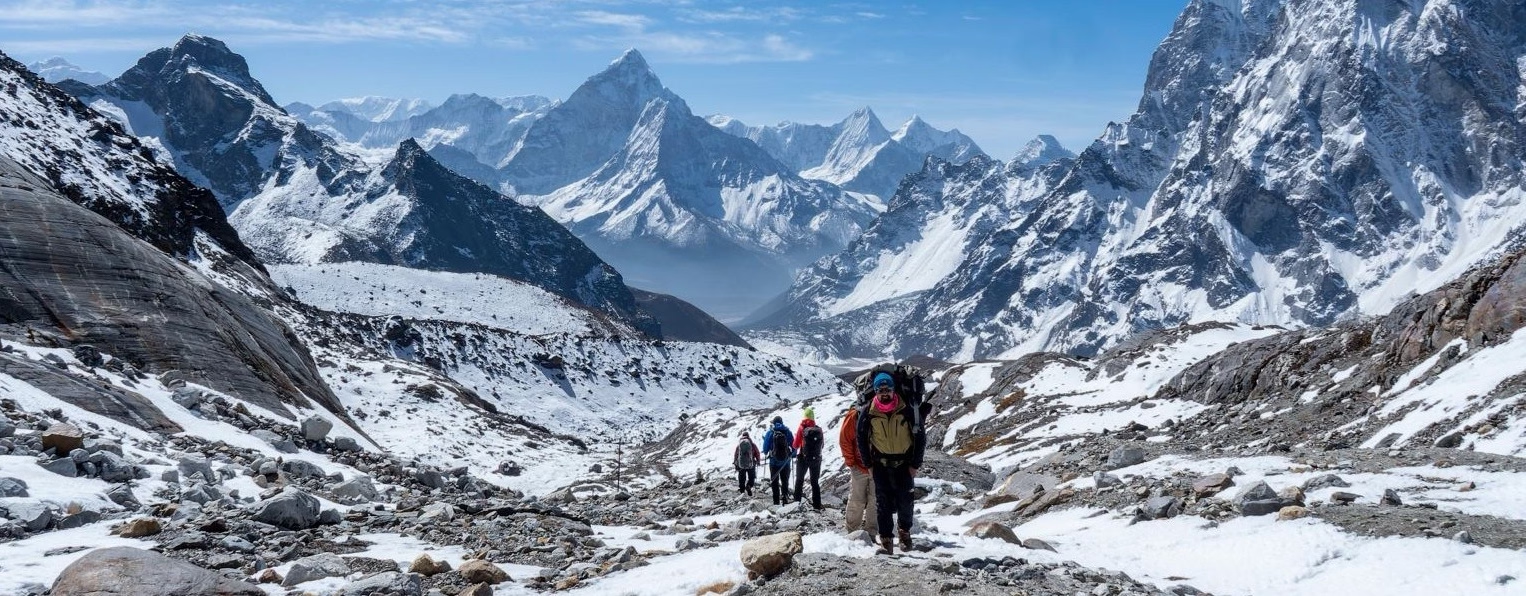
Trails that cross passes above 5,000 m (16,400 ft) carry the highest December risk. The 5 riskiest routes are Thorong La (5,416 m), Cho La (5,420 m), Renjo La (5,360 m), Kongma La (5,535 m), and Larkya La (5,106 m). Snow, ice, and wind make each crossing a go/no-go decision.
Everest Base Camp and Gorak Shep (5,164 m) stay accessible to well-prepared groups, but nights fall to −16°C to −25°C (3°F to −13°F), and some Lobuche and Gorak Shep lodges close temporarily when visitor numbers drop. Three-pass and Gokyo circuits add glacier crossings that demand microspikes at minimum.
Weather can turn fast in any season. In October 2014, a cyclone-driven blizzard struck Thorong La and, according to the Associated Press, killed at least 38 people. December storms are drier but colder, and the lesson holds: never cross a high pass on a schedule alone. Experienced guides read the sky at 4:00 a.m. and decide before breakfast.
How Do Cold Temperatures Affect Hiking Conditions?
Cold affects body heat, equipment, food, and pace. Below −10°C (14°F), water bottles ice over and phone batteries drain fast. Hikers walk slower and eat more to hold core temperature.
Four effects shape daily life on the trail:
Body heat: Sweat from a fast morning climb chills you at the next rest stop, so you must vent layers before you sweat.
Equipment: Water freezes in hose-style hydration systems, and zippers stiffen with ice.
Food: Menus shrink in quiet months, and some high lodges close.
Sleep: Unheated rooms track the outdoor night low, so a poor sleeping bag ruins recovery and increases altitude risk.
Can Snowfall and Weather Disrupt December Hiking Plans?
Yes. Snowfall and weather disrupt some December itineraries. The usual causes are flight delays at Lukla, road slides on the Langtang approach, and snow-blocked passes. A spare day and flexible insurance turn these disruptions into minor changes.
Fog is the most common culprit. Morning fog in Kathmandu or cloud at Lukla grounds Everest-region flights, and delays of 1–2 days happen every winter. Helicopter charters are the backup, and a typical seat costs several hundred dollars, so decide in advance who pays.
Snow disrupts in slower ways. Fresh snow adds 1–2 hours to a normal day, closes steep sections after heavy falls, and forces turnarounds at passes. Guides respond by splitting long days, using alternate trails, or waiting a day.
Protect the trip with three steps. Book 1–2 buffer days. Buy travel insurance covering emergency helicopter evacuation up to at least 5,000 m. Keep your international flight 2 days after your trek ends.
What Should You Pack for Hiking in Nepal in December?
Pack for −15°C (5°F) nights and 10°C (50°F) afternoons. The 4 essentials are a layering system, insulated waterproof footwear, a rated sleeping bag, and sun and ice protection. Teahouse bedrooms are unheated, so your gear is your heating. Porters carry up to 20 kg (44 lb) shared between 2 hikers, which caps your duffel at about 10 kg (22 lb), so rent bulky items in Kathmandu and buy boots, socks, and base layers at home. The Trekking Packing List covers every item.
Which Winter Clothing Layers Are Essential for December Hiking?
Essential December layers are base, mid, insulation, and shell. Merino or synthetic base layers wick sweat, fleece traps heat, a down jacket (600–800 fill) holds warmth at rest, and a waterproof shell blocks wind and snow. You add or remove layers every 45–60 minutes.
Build the system from skin outward:
Base layer: two merino tops and one bottom, 150–200 gsm, worn every day
Mid layer: one fleece or grid-fleece jacket for walking above 3,500 m
Insulation layer: one down or synthetic jacket for evenings, mornings, and rest breaks
Shell layer: one waterproof, breathable jacket and trousers with full-length zips
Hand protection: one pair of liner gloves plus insulated mittens
Head protection: one warm hat, one sun hat, and one neck buff
Socks: four pairs of mid-weight merino socks, rotated daily
Cotton is the most common mistake we see. Cotton holds sweat and strips heat, so a cotton T-shirt at 4,000 m turns a 5°C afternoon into a chill risk. Leave jeans and cotton hoodies at your Kathmandu hotel.
What Footwear and Trekking Gear Do You Need for Snowy Trails?
Choose waterproof, insulated, ankle-high boots, microspikes, gaiters, and trekking poles. Boots must be broken in for at least 4 weeks. Microspikes (about $30–$50) clip over boots and prevent slips on packed snow and frost, which is the typical December trail surface.
Technical crampons are unnecessary on standard routes. Microspikes handle the icy stretches at Poon Hill steps, Namche trails, and the approach to Kala Patthar. Gaiters keep snow out of boot tops, and poles reduce knee load on descents.
Add category 3–4 sunglasses against snow blindness, SPF 50 sunscreen, a headlamp for 5:00 a.m. starts, an insulated bottle, and purification tablets or a filter in place of bottled water at $1–$3 per bottle.
Do You Need Sleeping Bags and Other Cold-Weather Equipment?
Yes. A sleeping bag with a −10°C comfort rating is the minimum for most December routes. Everest-region stays above 4,500 m (14,800 ft) demand −15°C to −20°C comfort. You rent a bag in Kathmandu for roughly 1.50–3 per day or buy one for a long-term hobby.
Read the rating correctly. The comfort rating (the EN 13537 standard) is the temperature at which a typical woman sleeps comfortably. The lower "limit" rating is lower and optimistic for most people. Choose by comfort rating, not by the headline number on the label.
Three accessories lift sleep quality at little cost. A fleece liner adds 3–5°C. A hot water bottle adds comfort for 6–8 hours. A sleeping pad or foam mat from the teahouse beats the bare mattress, since heat loss through the floor is the main cold source.
How Should You Prepare for Hiking in Nepal in December?
Prepare in 4 areas: fitness, support, paperwork, and health safety. Start training 8–12 weeks before departure, arrange a licensed guide, secure permits and insurance, and learn the warning signs of altitude sickness and hypothermia before you fly.
What Fitness Level Is Needed for December Hiking?
Hikers must walk 5–7 hours a day on consecutive days. Poon Hill and Everest View require moderate fitness. Langtang requires moderate-plus fitness. Annapurna Base Camp and Mardi Himal require good fitness, since cold and snow slow every step and raise the energy cost per kilometer.
Follow a 12-week plan. Train 3–4 times per week. Include two cardio sessions (running, cycling, or stair climbing for 45–60 minutes), one strength session (squats, lunges, step-ups, core), and one long hike of 4–6 hours with an 8–10 kg (18–22 lb) pack. Raise the long hike by 30 minutes each fortnight.
A practical benchmark: the Ulleri climb to Ghorepani gains about 900 m (2,950 ft) in 5–6 hours. If you finish a local hike with 800 m of ascent comfortably and still have energy for dinner, you are ready for Poon Hill.
Do You Need a Guide or Porter for Winter Hiking in Nepal?
Hire a licensed guide for any December hike. A porter is optional below 3,500 m and recommended above it. Snow hides trails, altitude symptoms appear quietly, and lodges close without notice. A guide handles all three. A porter cuts your pack weight to 5–6 kg (11–13 lb).
Nepal's guide rules changed repeatedly between 2023 and 2026. Authorities announced a mandatory-guide system in April 2023, and operators and agency blogs report different enforcement across regions in 2026. TIMS cards, where required, are issued through registered agencies. The Khumbu region uses local municipality permits instead of TIMS. Verify the current rule for your route and dates with your operator or the Nepal Tourism Board.
In practice, December makes the guide question less about law and more about safety. Fewer hikers share the trail, so no passing group will help you after a fall or a snowstorm. A guide carries first-aid supplies, reads weather, monitors altitude, and calls evacuations when needed.
Porters deserve the same care as clients. Reputable operators follow International Porter Protection Group guidelines: proper winter clothing, shelter, insurance, and load limits. Ask any operator how it supports its porters before booking.
Which Trekking Permits and Documents Should You Arrange for Hiking in Nepal?
You must arrange a passport, a Nepal visa, region-specific trekking permits, and travel insurance. Permits cost about NPR 3,000 (21–25) per national park or conservation area, and TIMS adds NPR 2,000 ($14) on routes that still require it.
Use this table to match region to permit. Fees are listed for foreign nationals in 2026 and vary slightly with VAT and exchange rates (about NPR 140 per US dollar).
Region | Core permits | Typical fee (foreign nationals) |
Annapurna (Poon Hill, Mardi Himal, ABC) | ACAP permit + TIMS via registered agency | NPR 3,000 + NPR 2,000 |
Everest (Everest View, EBC) | Sagarmatha National Park + Khumbu local permit | NPR 3,000 (about NPR 3,390 with VAT) + NPR 3,000 |
Langtang | Langtang National Park + TIMS | NPR 3,000 + NPR 2,000 |
Carry five documents: a passport valid for 6 months, 2–4 passport photos, printed visa and permit copies, an insurance policy with emergency helicopter cover, and emergency contacts. Nepal's Department of Immigration lists tourist visas at $30 for 15 days, $50 for 30 days, and $125 for 90 days; confirm the current schedule before travel, and read our Nepal Tourist Visa guide for the application steps. Annapurna rules differ by route, and the Annapurna Trekking Permits: Complete Guide lists them region by region.
How Can You Stay Safe From Altitude Sickness and Hypothermia?
Stay safe by ascending slowly, hydrating, dressing in layers, and descending at the first warning sign. The CDC advises that above 2,500 m (8,200 ft) your sleeping altitude rise no more than 500 m (1,640 ft) per day, with a rest day every 3–4 days.
Acute mountain sickness (AMS) shows up as headache plus nausea, fatigue, dizziness, or poor sleep. Mild AMS means stopping the climb, resting, drinking fluids, and monitoring for 24 hours. Worsening AMS means descent. Two danger signs demand immediate descent of 300–1,000 m (1,000–3,300 ft): loss of balance or confusion (high-altitude cerebral edema), and breathlessness at rest with a wet cough (high-altitude pulmonary edema).
Hypothermia progresses in recognizable stages. Early signs are shivering, clumsy hands, and slurred speech, often called the "umbles": stumbles, mumbles, fumbles, grumbles. Treatment is shelter, dry clothing, warm sweet drinks, and heat packs at armpits and groin. Frostbite starts with numb, waxy, white skin. Warm it gently without rubbing.
Daily habits prevent most problems. Drink 3–4 liters (100–135 oz) of fluid, eat 3,000–4,000 calories, avoid alcohol, and tell your guide about any symptom early. Rescue-association clinics at places like Pheriche and Manang run mainly in spring and autumn, so December hikers carry their own first-aid kit and rely on their guide.
How Much Does Hiking in Nepal in December Cost?
Hiking in Nepal in December costs $35–$50 per day independently and $90–$150 per day with a guide and porter. Heaven Himalaya lists the Langtang Valley Trek at $760, the Annapurna Base Camp Trek at $1,250, and the Everest Base Camp Trek from about $1,400–$1,500.
Costs depend on the route, trip length, and support level. Prices below are 2026 figures in US dollars, drawn from published market rates and operator listings.
What Is the Average Cost of a December Hiking Trip in Nepal?
The average December hiking trip costs $450–$2,100, depending on route and duration. Short Poon Hill trips sit at the low end. Everest Base Camp sits at the high end. Guided mid-range travel averages $90–$150 per day, and luxury lodge trips reach $250+ per day.
The following table multiplies trip days by the mid-range daily rate. It shows a planning estimate, and operators selling direct often price below it.
Trek | Trekking days | Estimated guided cost (mid-range) | Notes |
Ghorepani Poon Hill | 5 | $450–$750 | Short, low-altitude |
Mardi Himal | 6 | $540–$900 | Moderate altitude |
Everest View | 8 | $720–$1,200 + flights | Lukla flights add roughly $350–$450 return |
Langtang Valley | 9–10 | $810–$1,500 | Heaven Himalaya lists $760 |
Annapurna Base Camp | 12–15 | $1,080–$2,250 | Heaven Himalaya lists $1,250 |
Everest Base Camp | 12–14 | $1,080–$2,100 | Heaven Himalaya lists about $1,400–$1,500 |
A worked example shows how the numbers build. A 5-day guided Poon Hill hike costs about $35 for permits (ACAP plus TIMS), $150 for a guide at $30 per day, $50–$100 for your share of a porter, and $150 for lodging and meals at $30 per day. The subtotal is $385–$435. Add transport and tips, and the trip lands near $500.
How Do Guided Hikes Compare With Independent Trekking in Nepal?
Guided hikes cost 2–3 times more per day than independent trekking, and they cut winter risk. An independent hiker spends $35–$50 per day. A guided hiker spends $90–$150 per day, which covers a licensed guide ($25–$35 per day), a shared porter ($20–$25 per day), permits, and logistics.
The table compares the two styles on six factors that matter in December.
Factor | Independent trekking | Guided trekking |
Daily cost | $35–$50 | $90–$150 |
Permits | Self-arranged; TIMS needs an agency | Arranged by the operator |
Snow navigation | Self-reliant | Guide leads, adjusts route |
Altitude monitoring | Self-assessed | Guide checks daily |
Emergency response | Own insurance, own contacts | Operator coordinates evacuation |
Flexibility | Maximum | High, with a planned buffer |
December raises the value of a guide. In October, hundreds of hikers share the trail and help each other. In December, you meet a fraction of that traffic, so the guide is your safety net. For short, low-altitude routes such as Poon Hill, some hikers go independent where rules allow. For Langtang, Annapurna Base Camp, and Everest routes, we recommend a guide.
What Factors Affect December Trekking Costs in Nepal?
Eight factors drive the final price: route, duration, transport, season dates, support staff, lodging, group size, and extras. Route and duration set the base. Transport (jeep versus flight), staffing, and holiday dates adjust it. Extras and weather days decide whether the trip stays on budget.
Route and duration: Longer routes multiply daily costs, and remote routes add transport costs.
Transport: Lukla flights cost roughly $215–$230 one way, while buses to Syabrubesi or Pokhara cost $10–$35.
Season dates: December 24 to January 2 carries a holiday premium on rooms and flights.
Support staff: A guide costs $25–$35 per day and a porter $20–$25 per day.
Lodging: Teahouse rooms cost $3–$10 at the low end and $10–$25 at mid-range.
Group size: Sharing a guide and porter drops per-person costs to roughly $30–$50 per day combined.
Gear: Sleeping bag and jacket rental costs $1.50–$3 per item per day.
Extras: Hot showers cost $3–$5, charging $2–$4 per device, Wi-Fi $3–$5 per day, and tips 10–15% of trek cost.
Budget a weather reserve of $50–$100 per extra day, plus a travel insurance policy that covers helicopter evacuation, typically $50–$150 for two weeks. The reserve is the line item first-time December hikers forget.
How Can Heaven Himalaya Help You Plan Hiking in Nepal in December?
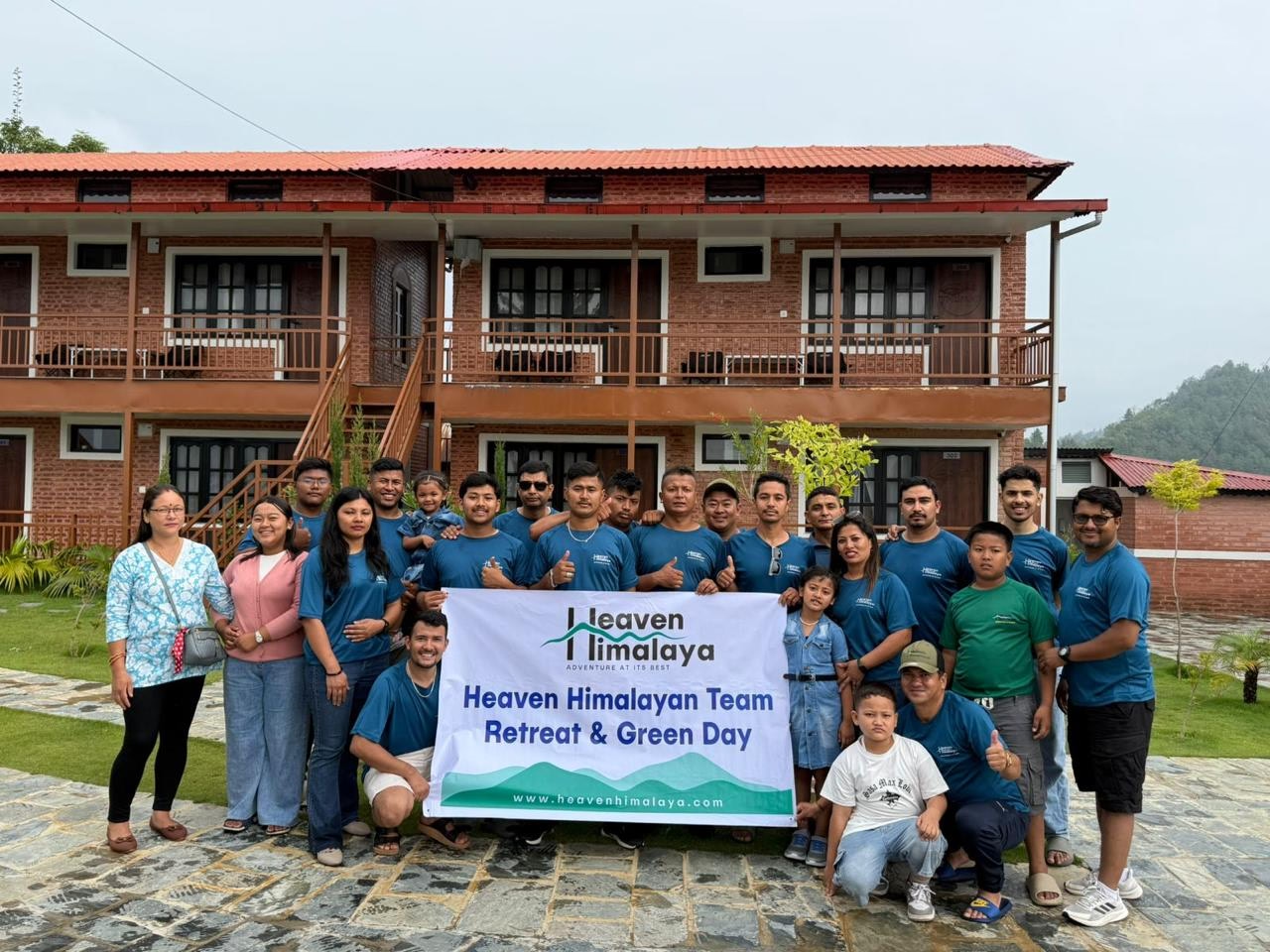
Heaven Himalaya plans December trips around your dates, fitness, and comfort with cold. The Kathmandu-based operator arranges guides, porters, permits, transport, and lodging, and adds weather buffers on request. This section covers what that support looks like in practice.
Heaven Himalaya operates from Gitanjali Chowk, Dathu Sadak, Kathmandu, and lists 55 trekking trips across Everest, Annapurna, Langtang, Manaslu, and Mustang. It holds a 5.0 rating from 160 reviews on Tripadvisor, has received Tripadvisor Travelers' Choice awards from 2021 to 2025, and is affiliated with the Nepal Tourism Board, TAAN, and the Nepal Mountaineering Association.
Can Heaven Himalaya Organize a Safe and Scenic December Hiking Trip?
Yes. Heaven Himalaya organizes customized hikes on the Poon Hill, Langtang, Annapurna, and Everest routes and schedules them around December conditions. Experienced Nepali guides lead each trip, a pre-trip gear check confirms your winter kit, and buffer days are added on request. Guides monitor altitude and adjust pace to each hiker.
Recent client reviews describe three patterns that matter in winter. Reviewers highlight guides who slow the pace during altitude adjustment, a gear check before departure with sleeping bags and poles available for hire, and flexibility with buffer days or a helicopter return.
The route choice follows your profile. First-time hikers start with the Ghorepani Poon Hill Trek or the Langtang Valley Trek. Hikers with solid fitness pick the Annapurna Base Camp Trek or the Everest Base Camp Trek.
Plan your December hike with local experts. Share your dates, fitness level, and preferred region, and the Heaven Himalaya team will outline a winter itinerary and a cost estimate. Plan Your Trip, email info@heavenhimalaya.com, or message Ram on WhatsApp at +977 985 1273867.
What Should You Know Before Booking a December Hiking Adventure in Nepal?
Know 7 things before booking: operator credentials, inclusions, equipment, buffer days, evacuation cover, porter welfare, and cancellation terms. These seven checks separate a smooth winter trip from a stressful one, and every reputable operator answers them in writing.
Ask each operator these questions:
Credentials: Is the company registered with the Nepal Tourism Board, and is it a TAAN member?
Inclusions: Which permits, meals, transport, and flights does the price cover?
Equipment: Does the operator provide a sleeping bag, down jacket, and poles, and at what rental cost?
Buffer days: How many weather days does the itinerary hold, and what do extra days cost?
Evacuation: Which helicopter-evacuation cover does the operator require, and who coordinates a rescue?
Porters: How does the company equip, insure, and pay its porters?
Cancellation: What happens to your payment if flights or roads close?
Book 6–8 weeks ahead for the December 24–January 2 window and 3–4 weeks ahead for early December.
Hiking in Nepal in December rewards hikers who respect the cold. You get dry trails, clear Himalayan views, fewer people, and softer prices. You pay for it with freezing nights, shorter days, and a need for preparation. Pick a route that matches your fitness, hire a licensed guide, and pack for the night low, not the afternoon high.