
Top 10 Best Adventurous Things To Do in Nepal
Nepal is one of the world's leading destinations for adventure travel, combining the high Himalayas, deep river valleys, subtropical forests, and diverse mountain landscapes within a relatively small geographic area. The country offers adventurous things to do in Nepal for different experience levels, from multi-day trekking on the Everest Base Camp, Annapurna, Langtang, and Manaslu routes to technical mountaineering on peaks such as Everest, Ama Dablam, Mera Peak, and Island Peak.
Adventure activities also extend beyond trekking and climbing to Everest helicopter tours, mountain biking, white water rafting, Everest skydiving, jungle safaris in Chitwan and Bardiya, licensed hunting in Dhorpatan, bungee jumping, paragliding, ultralight flights, ziplining, canyoning, and kayaking around Pokhara and other major adventure destinations.
Choosing the best adventure in Nepal depends on the season, altitude, activity difficulty, permits, cost, fitness level, weather conditions, and available travel time. Spring and autumn provide the strongest conditions for many Himalayan activities, while different river levels, wildlife seasons, and flying conditions determine the best time for rafting, safaris, and air sports.
This 2026 guide covers the 10 major adventurous things to do in Nepal with practical information on routes, elevations, prices, permits, preparation, safety requirements, and seasonal conditions, helping travelers compare experiences ranging from accessible family-friendly helicopter tours and jungle safaris to demanding high-altitude expeditions and Everest adventures.
Information Table of Adventurous Things to Do in Nepal
The table below compares the 10 activities by best season and cost marker. Figures come from 2026 sources where published. Activities without a fixed public price are marked as operator-priced.
# | Activity | Best season | 2026 cost marker |
1 | Trekking | Mar to May, Sep to Nov | Park permits from NPR 3,000 |
2 | Mountaineering | Spring and autumn | Everest royalty USD 15,000 (spring) |
3 | Helicopter ride | Oct to Nov, Mar to May | USD 1,210 to 2,700 per person |
4 | Mountain biking | Oct to Nov, Mar to Apr | Operator-priced |
5 | White water rafting | Oct to Dec, Mar to May | Operator-priced |
6 | Everest skydiving | Autumn | From USD 25,000 |
7 | Jungle safari | Oct to Mar | Chitwan entry NPR 2,000 |
8 | Dhorpatan hunting | Sep to Nov, Feb to Apr | Minimum fees NPR 10,000 to 150,000, set by bidding |
9 | Bungee jumping | Oct to Nov, Mar to May | USD 90 to 130 |
10 | Pokhara air sports | Oct to early May | Paragliding from USD 85 |
Costs rise fastest where permits are capped, so Everest royalties and Dhorpatan bids sit far above the rest.
1. Trekking: The Best Adventure in Nepal
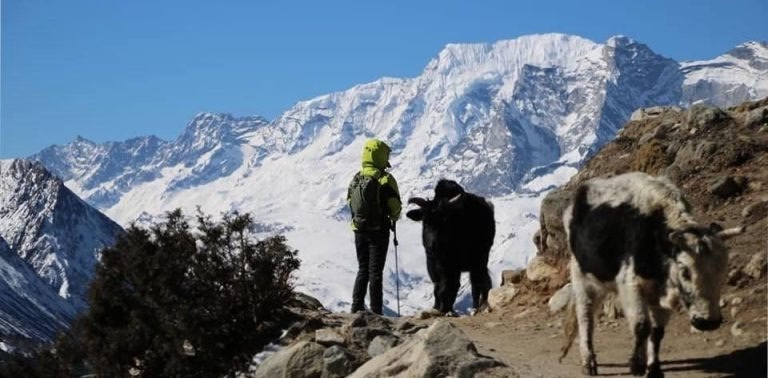
Trekking is the best adventure in Nepal because one trail network links family-run teahouses, villages, and 5,000-metre passes in itineraries of 4 to 21 days. Teahouse trekking means you sleep in lodges and carry a daypack, not a tent.
What Are the Best Trekking Routes in Nepal?
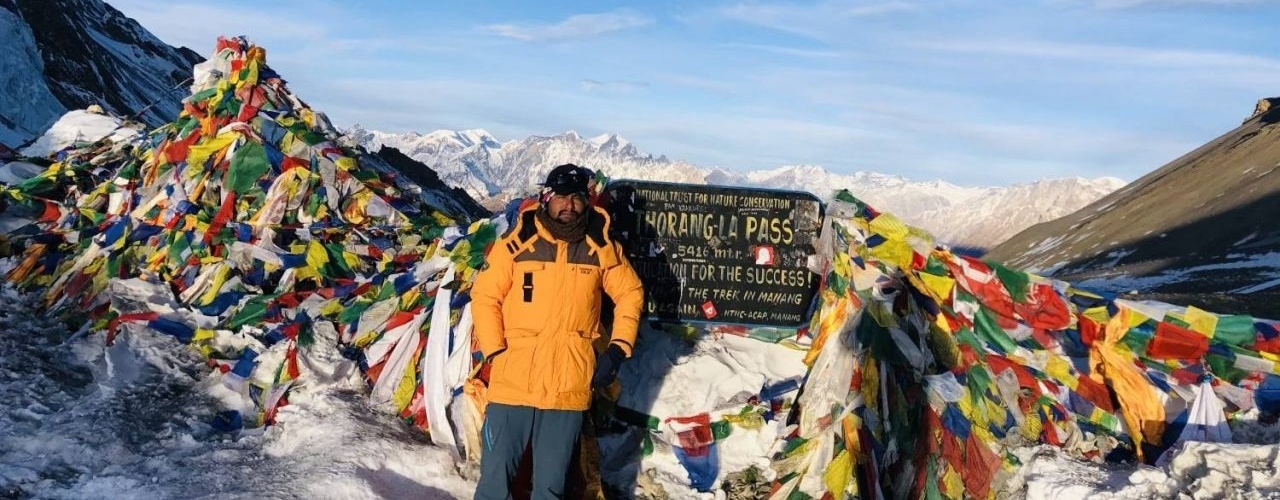
The 5 best trekking routes in Nepal are Everest Base Camp, Annapurna Base Camp, the Annapurna Circuit, Langtang Valley, and the Manaslu Circuit. Everest Base Camp reaches 5,364 metres on a 12 to 14 day route. Annapurna Base Camp is Nepal's most popular trek, with a close view of Annapurna I at 8,091 metres. The Annapurna Circuit crosses Thorong La at 5,416 metres inside a 7,629 square kilometre conservation area. Langtang Valley sits one day's drive from Kathmandu. The Manaslu Circuit is a restricted route that requires a Restricted Area Permit alongside conservation area permits; as of March 2026, Nepal's Department of Immigration eased restricted-area trekking rules in March 2026 to let solo foreign trekkers obtain the Manaslu RAP for the first time, provided they travel with a licensed guide through a registered agency.
Choose Annapurna Base Camp for a 9 to 10 day window. Choose Everest Base Camp for 14 days, and add a buffer day, because Lukla flights cancel in cloud. In peak months many operators fly from Ramechhap, which adds a jeep transfer priced around USD 25 to 35 each way.
What Makes Trekking in Nepal So Adventurous?
Trekking in Nepal is adventurous because altitude, remote terrain, and fast-changing weather combine on trails that gain 3,000 to 4,000 vertical metres. Suspension bridges cross glacial rivers, yak caravans share the path, and Sherpa, Gurung, and Thakali villages break up each day's walk.
Altitude is the central risk. Acute mountain sickness (AMS) is a cluster of headache, nausea, and fatigue caused by lower oxygen pressure. According to the US Centers for Disease Control and Prevention, trekkers above about 3,000 metres limit sleeping-altitude gains to 500 metres a day and add a rest day every 3 to 4 days. Itineraries that skip those rest days produce the worst headaches we hear about.
What Should You Prepare for a Trek in Nepal?
Prepare 5 things for a Nepal trek: permits, a licensed guide, evacuation insurance, broken-in gear, and 8 weeks of cardio and leg training. Nepal has required foreign trekkers in most national parks and conservation areas to travel with a licensed guide since April 2023, though the Everest (Khumbu) region is the major exception and still legally permits independent trekking.
Permit costs differ by region. The Annapurna Conservation Area charges NPR 3,000 for foreign nationals. Everest costs NPR 3,000 for Sagarmatha National Park plus a local Khumbu permit of NPR 3,000. A TIMS card is still required in regions like Langtang and far-western Nepal, but restricted routes like the Manaslu Circuit do not require one because the Restricted Area Permit (RAP) replaces it. The same source lists proof of high-altitude evacuation cover as a standard requirement.
Pack a layered system, a sleeping bag rated to minus 10°C (rentable in Kathmandu), and boots worn for at least 40 kilometres. The most common mistake we see is brand-new boots on day one.
2. Mountaineering: An Extreme Adventure in Nepal
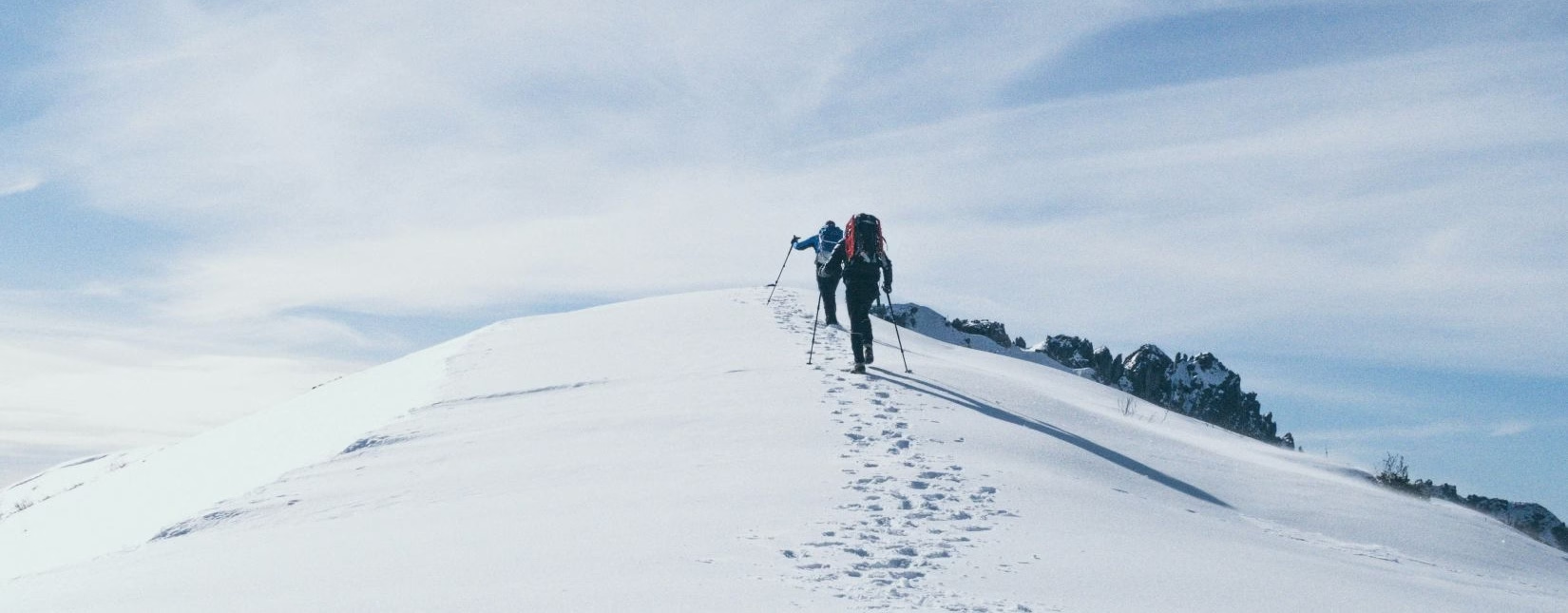
Mountaineering in Nepal spans 3 levels: trekking peaks near 6,000 metres, expedition peaks above 6,500 metres, and eight-thousanders such as Everest at 8,849 metres. The Department of Tourism and the Nepal Mountaineering Association (NMA) issue the permits.
Which Mountains Can You Climb in Nepal?
You can climb Island Peak (6,189 metres), Mera Peak (6,476 metres), and Lobuche East (6,119 metres) as trekking peaks, and Ama Dablam, Lhotse, and Everest as expedition peaks. The NMA manages trekking peaks that range from about 5,800 to 6,600 metres. For spring 2026, Nepal issued permits for 29 peaks above 6,000 metres, with Lhotse and Nuptse usually following Everest (while highly sought-after peaks like Ama Dablam see the vast majority of their traffic in autumn).
A sound progression runs Mera Peak, Island Peak, a technical 6,800-metre peak, then an eight-thousander. Climbers who skip steps meet glacier travel and extreme altitude for the first time together.
What Challenges Do Climbers Face in the Himalayas?
Climbers face 4 main challenges in the Himalayas: altitude illness, icefall and avalanche hazard, narrow weather windows, and crowding on fixed ropes. The death zone above 8,000 metres holds too little oxygen to sustain the body for long.
The hazards are concrete. In spring 2026, a large unstable serac blocked the Khumbu Icefall route below Camp I and delayed operations for weeks. Crowding follows from volume: Nepal issued Everest permits to 464 climbers on 47 teams between March 1 and April 30, 2026. Pace on a rope line decides summit-day exposure, so experienced climbers choose smaller teams and earlier starts.
What Permits and Preparation Does Mountaineering Require?
Mountaineering in Nepal requires a Department of Tourism permit for expedition peaks, an NMA permit for trekking peaks, a registered agency, guides, and insurance. Since September 1, 2025, the foreign royalty for Everest's standard route rose from USD 11,000 to USD 15,000. Autumn costs USD 7,500, and other Everest routes cost USD 10,000 in spring.
New rules also tightened safety. Every foreign climber above 8,000 metres must travel with at least one dedicated high-altitude worker or guide (a strict 1:1 ratio), and permit validity dropped from 75 to 55 days.
Mera and Island Peak permits run USD 250 in spring and USD 125 in autumn on most schedules, although some 2026 schedules quote USD 350 for spring. Confirm the current NMA rate before budgeting. Train 6 to 12 months, and finish a 5,000-metre trek before attempting a 6,000-metre peak.
3. Mountain Helicopter Ride: A Family-Friendly Adventure
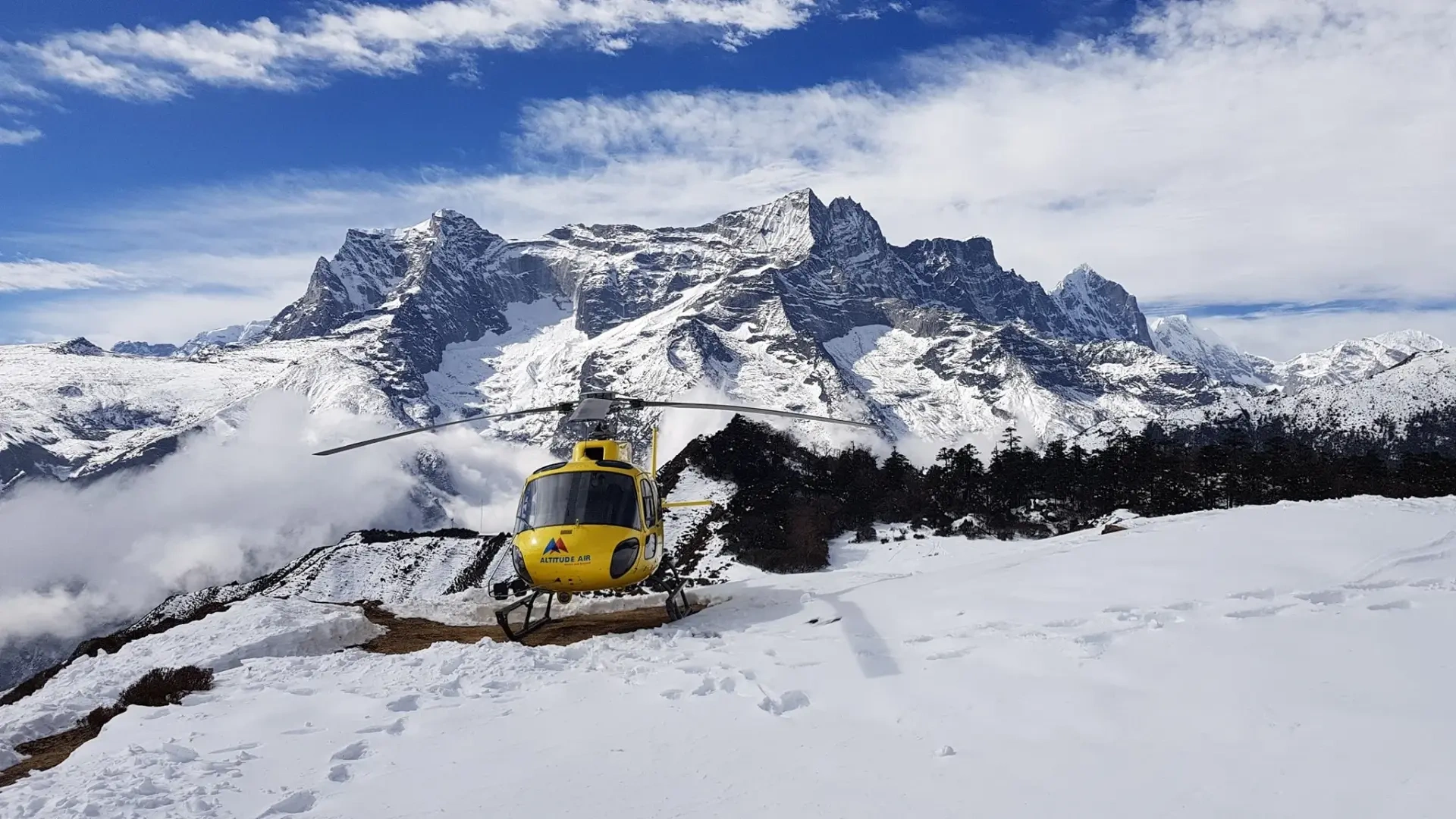
A mountain helicopter ride is a flight of about 4 hours from Kathmandu that reaches Everest viewpoints and returns before lunch, replacing a 12-day trek. Group tours run about 4 hours.
What Can You See During a Mountain Helicopter Ride?
A mountain helicopter ride shows Everest, Lhotse, Nuptse, Ama Dablam, the Khumbu Glacier, and Everest Base Camp from altitudes between 2,800 and 5,500 metres. A typical route stops at Lukla (2,860 metres), Hotel Everest View in Syangboche (3,780 metres) for breakfast, and Kalapatthar for a landing.
Landings are short. Operators allow 5 to 10 minutes for photographs at Kalapatthar. Morning flights give the clearest air, because cloud builds in the Khumbu by late morning.
Which Himalayan Helicopter Tours Are Popular in Nepal?
The 4 most popular Himalayan helicopter tours are Everest Base Camp, Annapurna Base Camp, Mardi Himal, and Muktinath. Pokhara operators list landing tours to Annapurna Base Camp, Mardi Himal, and Muktinath.
Everest prices depend on seat type in 2026, and landing access depends on current park rules: Sagarmatha National Park's eased 2026 helicopter landing rules govern which operators may land at Lukla, Namche, Syangboche, or request special clearance near Kalapatthar, so confirm your operator's current landing permission before booking a 'private tour with a guaranteed Kalapatthar landing. Shared seats start near USD 1,210 per person in a group of four. Mid-range sharing tours sit near USD 1,650. Private tours with a guaranteed Kalapatthar landing cost USD 2,600 to 2,700. Read the landing clause before paying: group tours often exclude the Kalapatthar landing, which only private tours include.
Is a Mountain Helicopter Tour Suitable for Families?
Yes, a mountain helicopter tour suits families whose children sit comfortably for 4 hours, because it delivers Himalayan views without trekking. Altitude sets the limit. A landing above 5,000 metres within hours of leaving Kathmandu gives the body no acclimatisation, and young children report symptoms poorly. The short 5 to 10 minute landings reduce exposure.
Ask each operator for its minimum age and weight rule, because passenger documents and body weight are checked before Lukla landings. Families with children under 8 choose the Syangboche breakfast stop or a fixed-wing mountain flight from Kathmandu instead.
4. Mountain Biking: An Adventure for Cycling Lovers
Mountain biking in Nepal covers 3 terrains: Kathmandu Valley rim trails, Pokhara foothill loops, and high-altitude routes such as the Annapurna Circuit and Upper Mustang. Trails mix jeep tracks, mule paths, and singletrack between villages.
Which Mountain Biking Routes Are Best in Nepal?
The best mountain biking routes in Nepal are the Kathmandu Valley rim (Shivapuri, Nagarkot, Kakani), the Pokhara and Sarangkot loops, the Annapurna Circuit, and Upper Mustang. Valley rim rides run 1 to 3 days and suit first-time riders. Pokhara loops pass Phewa and Begnas lakes.
The Annapurna Circuit reaches Thorong La at 5,416 metres, where most riders push their bikes up the final climb. Upper Mustang follows the Kali Gandaki into a restricted area and rewards early starts, before afternoon headwinds build. Pokhara agencies list guided bike tours for both the Annapurna Circuit and Upper Mustang.
What Makes Himalayan Cycling Routes Challenging?
Himalayan cycling routes are challenging because of thin air, daily climbs of 1,000 metres, loose rock, and weather that changes within an hour. At 4,000 metres the air holds roughly 60% of the oxygen found at sea level, so power drops and recovery slows. Landslides cut roads in monsoon, and truck dust coats low sections in the dry season.
Two mistakes recur: riders carry no spare derailleur hanger, and they book 2 days for a route that takes 4.
What Should You Know Before Mountain Biking in Nepal?
Before mountain biking in Nepal, book a guided ride, confirm permits, wear a helmet, and inspect the rental bike on day one. Conservation area rules apply to cyclists as they do to trekkers, and foreign visitors in national parks and conservation areas travel with a licensed guide. Upper Mustang adds a restricted-area permit.
Traffic keeps left. Carry 2 spare tubes, a chain link, and a derailleur hanger, because Kathmandu and Pokhara hold the last full bike shops. Read your travel insurance wording, since many policies exclude cycling above set altitudes. October to November and March to April give the most stable trails.
5. White Water Rafting and Other Water Sports
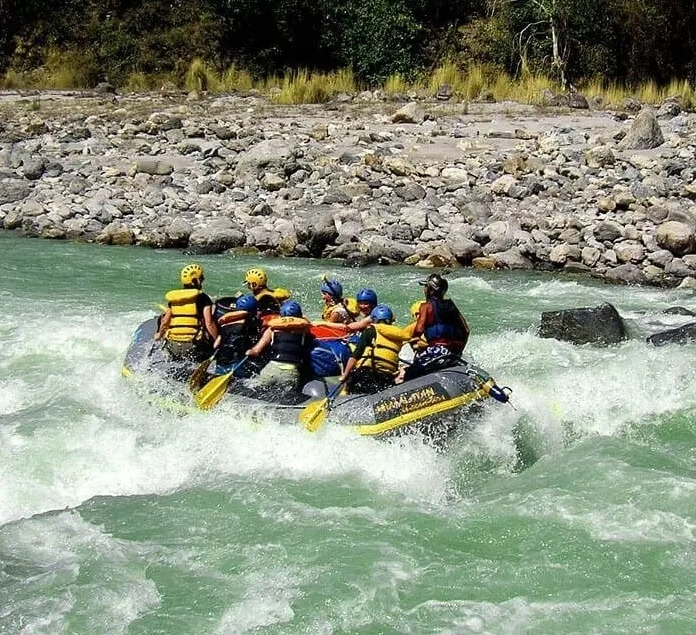
White water rafting in Nepal runs on glacier-fed rivers graded Class II to Class V, with trips from half a day on the Trishuli to 9-day expeditions on the Sun Koshi. Grades shift with water level, so the same river changes character between October and April.
Which Rivers Are Best for White Water Rafting in Nepal?
The 5 best rafting rivers in Nepal are the Trishuli, Bhote Koshi, Kali Gandaki, Seti, and Karnali. The Trishuli (Class II to III) is the beginner choice, 3 to 4 hours from Kathmandu. The Bhote Koshi is considered one of Nepal's best and steepest rafting experiences, and suits experienced paddlers. The Kali Gandaki (Class III to IV) runs a deep gorge between Dhaulagiri and Annapurna.
The Seti near Pokhara offers about 90 minutes of near-continuous Class III to IV rapids. The Karnali (Class IV) hosts 7 to 9 day trips toward Bardiya. Ask operators for the grade on your travel date, not the brochure grade.
What Other Water Sports Can You Try in Nepal?
Other water sports in Nepal include canyoning, kayaking, canyon swinging, and lake boating. Canyoning runs at Jalbire and Lwang, according to Pokhara operator listings. The Last Resort at Bhote Koshi offers a canyon swing and rafting on the Bhote Koshi. On Phewa Lake, Pokhara's municipal tourism page lists kayaking from USD 25 and boating from USD 10.
Whitewater kayaking requires solid Class III skills, so beginners train on Phewa first.
When Is the Best Time for Rafting in Nepal?
The best time for rafting in Nepal is October to early December and March to May, when water is warm enough and levels stay manageable. Monsoon runs from June to September, and then whitewater sections turn dangerous and operators restrict runs to gentler stretches. Winter water is cold enough that hypothermia becomes a real risk. Spring snowmelt adds volume on high rivers by May. Match your date to your experience: low water suits first-timers, and high water suits veterans.
6. Skydiving Near Mount Everest
Everest skydiving is a tandem jump from about 23,000 feet over the Khumbu valley, run once a year as an expedition that starts with a flight to Lukla and a trek to Namche Bazaar. The expedition costs from USD 25,000 per person for two tandem jumps and includes domestic flights, accommodation, and meals.
Where Can You Experience Skydiving Near Mount Everest?
You can skydive near Mount Everest at Syangboche, above Namche Bazaar, where a helicopter lifts jumpers from the airstrip. The drop zone sits at Syangboche (12,402 feet) or Ama Dablam Base Camp (15,000 feet). The jump follows a trek that builds acclimatisation, and recent editions have run about 11 days from Kathmandu to Kathmandu. For a lower-cost option, Pokhara offers tandem skydiving with Annapurna views.
What Can You See During an Everest Skydive?
An Everest skydive shows Everest, Lhotse, Nuptse, Ama Dablam, and the Khumbu valley floor from freefall and under canopy. The thin air raises freefall speed compared with a sea-level jump, so descent runs faster and landings come in quicker. The canopy ride ends near Syangboche, with Namche Bazaar below. Clear autumn mornings give the best visibility.
Who Can Participate in Skydiving in Nepal?
Healthy adults can participate in tandem skydiving in Nepal after a medical declaration, a weight check, and a safety briefing. Operators exclude pregnancy, heart conditions, and recent injuries, and many set weight limits for tandem harnesses, so confirm the limit in writing.
Everest jumpers meet an added fitness requirement: the route includes several days of trekking between 2,800 and 3,800 metres. Most travel insurance excludes skydiving, so buy an adventure sports rider before booking.
7. Wildlife Tours and Jungle Safaris
Nepal's jungle safaris run through 5 Terai parks, Chitwan, Bardiya, Parsa, Banke, and Shuklaphanta. The 2026 national survey counted 429 wild tigers, up from 355 in 2022.
Which National Parks Are Best for Jungle Safaris?
Chitwan and Bardiya are the best national parks for jungle safaris in Nepal. Chitwan, Nepal's first national park, covers 952.63 square kilometres and gained World Heritage status in 1984. It leads the tiger count with 145 animals, up from 128 in 2022. The park drew 226,876 visitors by mid-April 2026. Foreign visitors pay NPR 2,000 at the gate, and a jeep costs NPR 5,000.
Bardiya ranks second with 112 tigers, though its count fell from 125 in 2022. We send visitors to Bardiya for quiet and to Chitwan for infrastructure and rhino odds. Nepal's jungle safaris run through 5 Terai parks; Chitwan, Bardiya, Parsa, Banke, and Shuklaphanta, and IUCN's official Global Tiger Day 2026 coverage of Nepal's National Tiger Census confirms the national population has grown to 429, up from 355 in 2022 and 121 in 2009.
What Wildlife Can You See on a Nepal Safari?
A Nepal safari shows one-horned rhinoceroses, Bengal tigers, gharial and mugger crocodiles, sloth bears, leopards, wild elephants, and more than 500 bird species. Chitwan holds about 694 of the 752 one-horned rhinos counted in 2021. Rhinos appear on most Chitwan drives. Tigers stay elusive despite rising numbers, so expect tracks and alarm calls rather than a guaranteed sighting. Early morning and late afternoon drives give the best activity.
Which Activities Can You Enjoy on a Wildlife Tour?
Wildlife tours in Nepal offer 5 main activities: jeep safaris, guided jungle walks, canoe rides, bird-watching, and Tharu cultural programmes. Park rules shape the schedule, because visitors may not walk inside Chitwan National Park between sunset and sunrise. Canoe rides on the Rapti River pass crocodiles and rhinos at water level. Bardiya adds river dolphin viewing on the Karnali. Visit the elephant breeding centre in Chitwan rather than booking elephant rides.
8. Hunting in Dhorpatan: A Unique Adventure in Nepal
Dhorpatan Hunting Reserve is Nepal's only legal hunting reserve, where licensed outfitters guide foreign hunters to blue sheep, Himalayan tahr, and wild boar under a government quota.
What Makes Dhorpatan Hunting Reserve Unique?
Dhorpatan is unique because it is the only reserve in Nepal that allows legal hunting, across 1,325 square kilometres in Baglung, East Rukum, and Myagdi districts. The reserve shelters 32 mammal species and 164 bird species, and the 2021 census counted 1,290 blue sheep and 744 tahr. The Department of National Parks and Wildlife Conservation sets annual quotas from population data.
Perspectives differ. Supporters argue that bid revenue and strict quotas fund conservation. Critics question trophy hunting on ethical grounds. Visitors who prefer to walk rather than hunt can trek the reserve's hills, and the late-autumn light there is excellent.
Which Hunting Activities Are Permitted in Dhorpatan?
Dhorpatan permits licensed hunts of 3 species: blue sheep (naur), Himalayan tahr (jharal), and wild boar. A first-season 2024 quota allowed 12 blue sheep, 8 tahr, and 11 boars. Two seasons run each year, September to November and February to April.
Hunts are supervised. Hunters have 15 days to take an animal under reserve staff supervision, and may take trophies home. Many charter helicopters because road access is difficult.
What Rules and Permits Apply to Hunting in Dhorpatan?
Hunting in Dhorpatan requires a competitive-bid permit obtained through a licensed company, a supervised hunt inside the reserve, and payment of the winning fee. The department sets minimum fees of NPR 150,000 for blue sheep, NPR 75,000 for tahr, and NPR 10,000 for boar, and companies win permits by bidding above them. In autumn 2024, top bids reached NPR 1.2 million for blue sheep and NPR 725,000 for tahr. A later spring season listed NPR 625,500 for blue sheep and NPR 800,000 for tahr.
Hunting outside the reserve is illegal under the National Parks and Wildlife Conservation Act of 1973. The outfitter arranges firearm import and trophy export paperwork.
9. Bungee Jumping: An Exciting Adventure
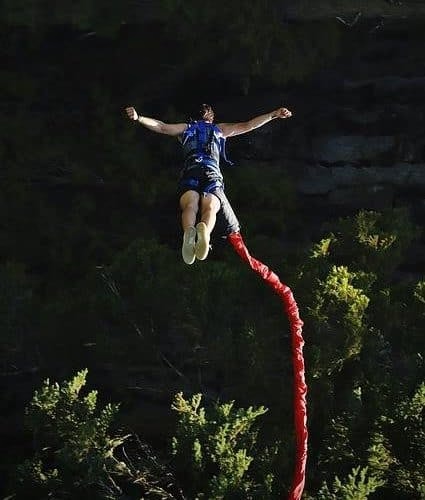
Bungee jumping in Nepal takes place at 3 sites: The Last Resort at Bhote Koshi, The Cliff at Kushma, and a tower at Hemja near Pokhara. Three major sites operate, and prices run USD 90 to 130 including transport.
Where Can You Experience Bungee Jumping in Nepal?
You can bungee jump at Bhote Koshi (3 hours from Kathmandu), Kushma (west of Pokhara), and Hemja (20 minutes from Pokhara Lakeside). The Last Resort drops 160 metres over the Bhote Koshi, near the Tibet border, about three hours from Kathmandu. Kushma is Nepal's highest jump, from a suspension bridge over the Kali Gandaki gorge. Hemja runs a tower jump about 20 minutes from Lakeside.
Last Resort day trips cost USD 108 with transport, or USD 92 for the jump alone.
What Makes Nepal's Bungee Jumps So Thrilling?
Nepal's bungee jumps thrill because the jump points sit over deep river gorges rather than reservoirs or cranes. At Bhote Koshi you step off a 166-metre steel suspension bridge above a glacial river. Kushma drops into the deepest gorge in Nepal. Hemja's cantilevered tower puts you over open air with no deck underfoot. We send first-timers to Bhote Koshi, because the day trip bundles rafting and canyoning with the jump.
What Safety Measures Should You Know Before Bungee Jumping?
Safety measures at Nepal's bungee sites include a weight-matched cord, a harness check by a jumpmaster, a medical declaration, and a bridge built to a 4x safety factor. The Bhote Koshi bridge was Swiss-designed with a 4x safety factor and New Zealand consultants. State your weight honestly, because cord selection depends on it.
Exclusions include pregnancy, heart conditions, epilepsy, spinal injuries, and recent fractures. One Pokhara operator sets ages 12 to 65 and roughly 45 to 100 kilograms, and limits vary by site. Ask about the jumpmaster's experience, and skip alcohol and heavy meals beforehand.
10. Adventure Sports in Pokhara: Paragliding, Ultralight Flights, and More
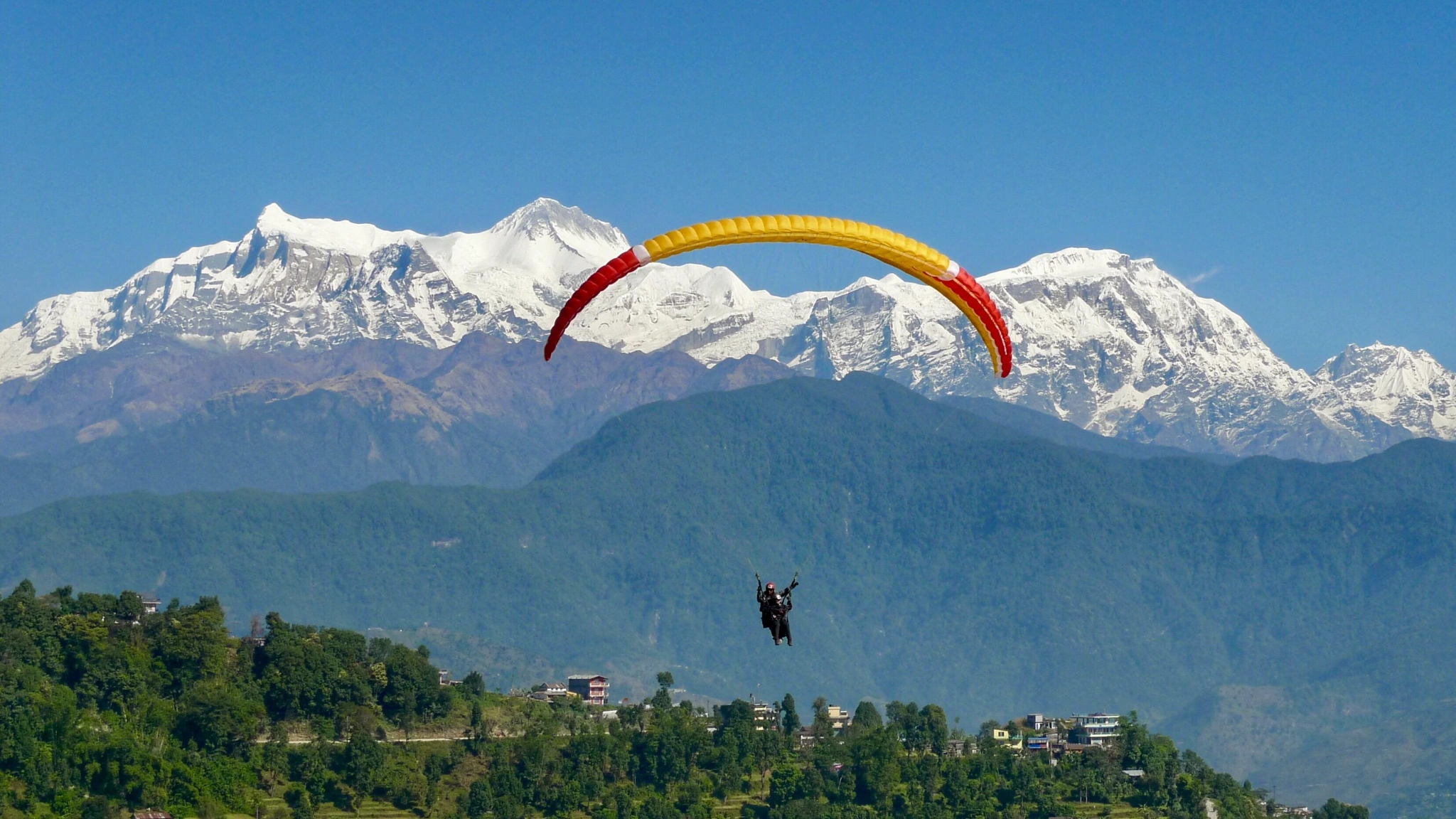
Pokhara concentrates paragliding, ultralight flights, ziplining, bungee jumping, and rafting within 30 minutes of Phewa Lake, below Annapurna I at 8,091 metres. That proximity lets you paraglide in the morning and raft after lunch.
Why Is Pokhara Popular for Paragliding?
Pokhara is popular for paragliding because warm valley thermals, a high ridge launch, and a lakeside landing zone support tandem flights of 25 to 30 minutes with Himalayan views. More than 50 companies operate in the valley, and the flying season runs from early October to early May. The same source reports that the Nepal Open Paragliding Competition returned in March 2026 after about six years. Pokhara's municipal tourism listing starts tandem flights at USD 85.
One 2026 caveat matters. Takeoff sites permanently moved from Sarangkot to Mandredhunga after Pokhara International Airport opened, as the old sites sat directly in the new commercial flight path. Ask your operator where you launch that morning.
What Makes Ultralight Flights Over Pokhara Exciting?
Ultralight flights over Pokhara are exciting because a two-seat powered aircraft carries you toward Annapurna and Machhapuchhre on a route the pilot chooses, in flights of 15 to 90 minutes. Flights depart Pokhara Airport in two daily windows, sunrise to 11 a.m. and 3 p.m. to sunset. The municipal listing starts at USD 150, while one operator prices a 30-minute flight at USD 260.
Choose the ultralight when the mountains are the point. Choose paragliding when the sensation of flying is the point.
Which Other Adventure Sports Can You Try in Pokhara?
Other adventure sports in Pokhara include ziplining, bungee jumping, Upper Seti rafting, canyoning, and kayaking. The zipline is a 1.8-kilometre line dropping about 600 metres in roughly 2 minutes, listed from USD 55. Upper Seti rafting delivers about 90 minutes of near-continuous Class III to IV rapids. Canyoning runs at Lwang, and kayaking on Phewa starts from USD 25.
Fly in the morning and raft after lunch, and keep one spare day, because wind and cloud cancel aerial activities.
How Can You Experience Nepal's Adventures With Heaven Himalaya?
You can experience Nepal's adventures with Heaven Himalaya by starting from a guide-led trek and adding the activities that fit your dates, fitness, and budget.
Plan with Heaven Himalaya. Heaven Himalaya is a trekking agency in Nepal. The team handles licensed guides, park and conservation permits, lodging, transfers, and one weather buffer day, which are the details that decide whether a trek runs on schedule. Treks pair naturally with Pokhara air sports, a Chitwan safari, or Trishuli rafting around your trek dates.
Can Heaven Himalaya Help You Plan an Adventurous Nepal Trip?
Yes, Heaven Himalaya can plan an adventurous Nepal trip by sequencing activities, securing permits, and building in weather buffers. A balanced 14-day plan looks like this:
Days 1 to 2: Kathmandu arrival and Trishuli rafting
Day 3: flight to Pokhara
Days 4 to 10: Annapurna Base Camp trek
Days 11 to 12: Pokhara paragliding and Upper Seti rafting
Days 13 to 14: Chitwan safari and departure
This order puts the heaviest physical effort in the middle, when you are acclimatised, and the weather-dependent flights after it, when a delay costs you nothing.
Next step. Send your dates, fitness level, and the activities you want from this list. Heaven Himalaya replies with a day-by-day plan and current permit costs.
What Are the Key Takeaways About Adventurous Things to Do in Nepal?
The most adventurous things to do in Nepal reward planning by season, permit, and fitness level. The 8 points to carry into your plan:
Trek with a licensed guide, as Nepal has required since April 2023, and choose Annapurna Base Camp for a first trek.
Budget USD 15,000 for the Everest royalty in spring, or USD 250 for a Mera or Island Peak permit.
Compare helicopter tours at USD 1,210 to 2,700, and read the Kalapatthar landing clause first.
Start rafting on the Trishuli, then move to the Seti or Bhote Koshi with experience.
Allow USD 25,000 and 11 days for Everest skydiving, and arrive acclimatised.
Visit Chitwan or Bardiya for a share of Nepal's 429 tigers, and enter before sunset restrictions apply.
Hunt in Dhorpatan only through licensed outfitters, with fees set by competitive bids.
Confirm paragliding launch sites with your Pokhara operator, and keep a spare weather day.
Match the adventurous things to do in Nepal to your season and your fitness, and every item on this list becomes a safe, well-timed trip.