

How to Choose the Best Company for a Luxury Everest Base Camp Trek?

Choosing the best luxury Everest Base Camp trek company requires more than comparing prices or premium accommodation. A reliable Nepal trekking operator combines government registration, experienced licensed guides, personalized itineraries, quality mountain lodges, and comprehensive high-altitude safety measures. From managing acclimatization and monitoring oxygen saturation (SpO2) to arranging helicopter evacuation and weather-related contingencies, the company's expertise directly influences your comfort, safety, and overall Himalayan trekking experience.
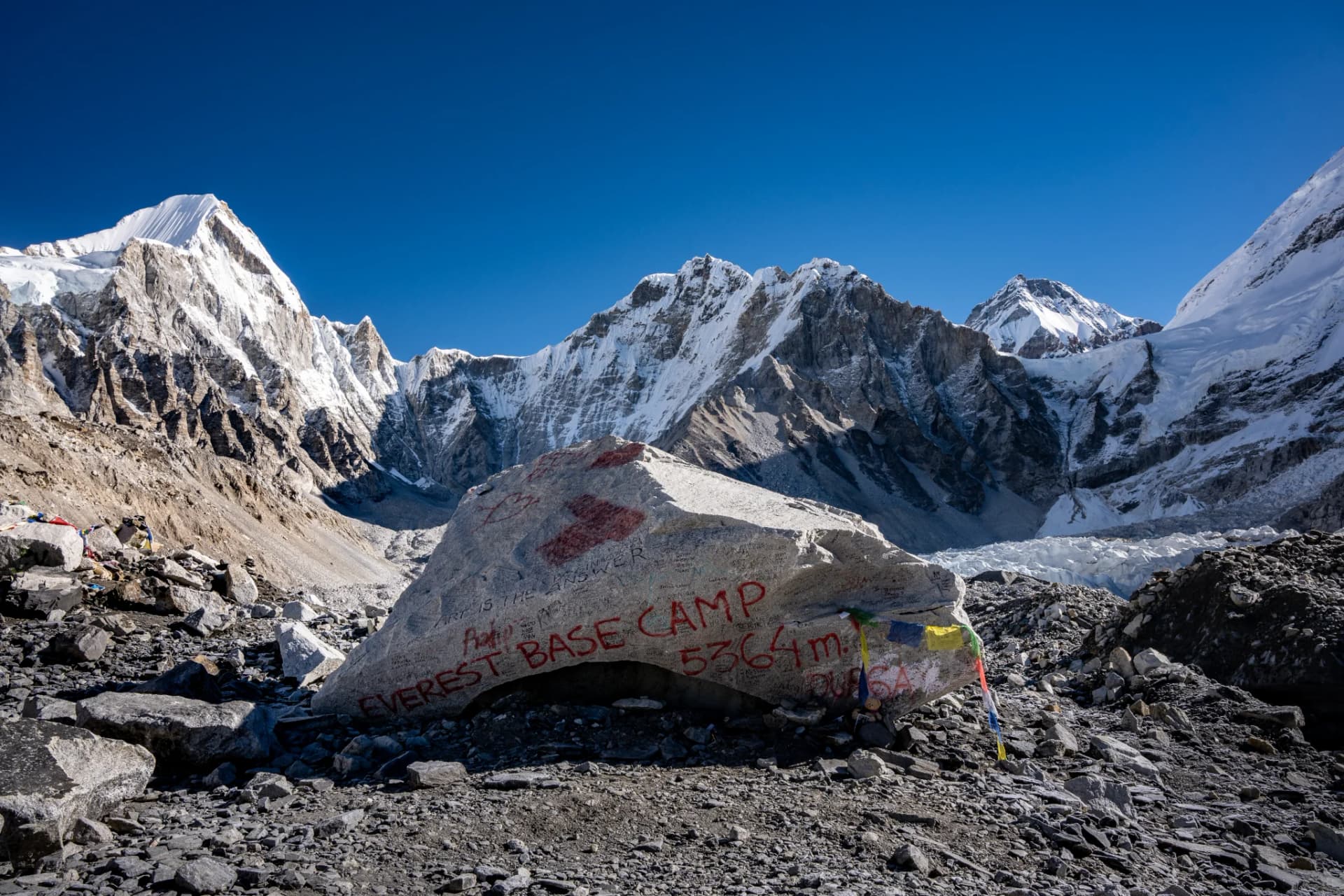
Luxury Everest Base Camp trek packages typically cover a 14–16-day journey from Lukla to Everest Base Camp (5,364 m) and Kala Patthar (5,545 m), with upgraded accommodation, private guide support, porter services, and carefully organized logistics. However, lodge standards, group sizes, safety provisions, package inclusions, and pricing vary between trekking operators. Understanding these differences, verifying company credentials, and comparing 2026 package costs of approximately 2,400–5,200 will help you identify a trustworthy company that delivers genuine luxury without compromising acclimatization or trekking safety.
What Makes a Luxury Everest Base Camp Trek Different From a Standard Trek?
A luxury Everest Base Camp trek differs from a standard trek in 5 areas: lodge quality, staffing ratio, group size, logistics, and medical readiness. The route and the peak elevation stay identical; comfort, privacy, and the margin for error increase.
Operators label the same product a luxury lodge trek, a comfort trek, or a premium EBC trek. Standard departures pool strangers into groups of 8–12 and sleep them in shared-bathroom teahouses. Luxury departures cap the group at 2–4 trekkers, assign a porter to every 2 trekkers, and sleep guests in heated rooms with private bathrooms wherever the valley offers them. The following table compares the 2 formats across the 7 features that change most.
Feature | Standard EBC trek | Luxury EBC trek |
Kathmandu hotel | 3-star or tourist class | 5-star category |
Lodges, Lukla to Namche | Teahouse, shared bathroom | Premium lodge, private bathroom, electric blanket |
Lodges above Tengboche | Teahouse | Best available guesthouse, private room where offered |
Group size | 8–12 pooled trekkers | 2–4 private trekkers |
Porter ratio | Shared porters | 1 porter per 2 trekkers |
Trek length | 12–14 days | 14–16 days with a contingency day |
2026 price | From about $1,400 | From $2,399 to $5,199 |
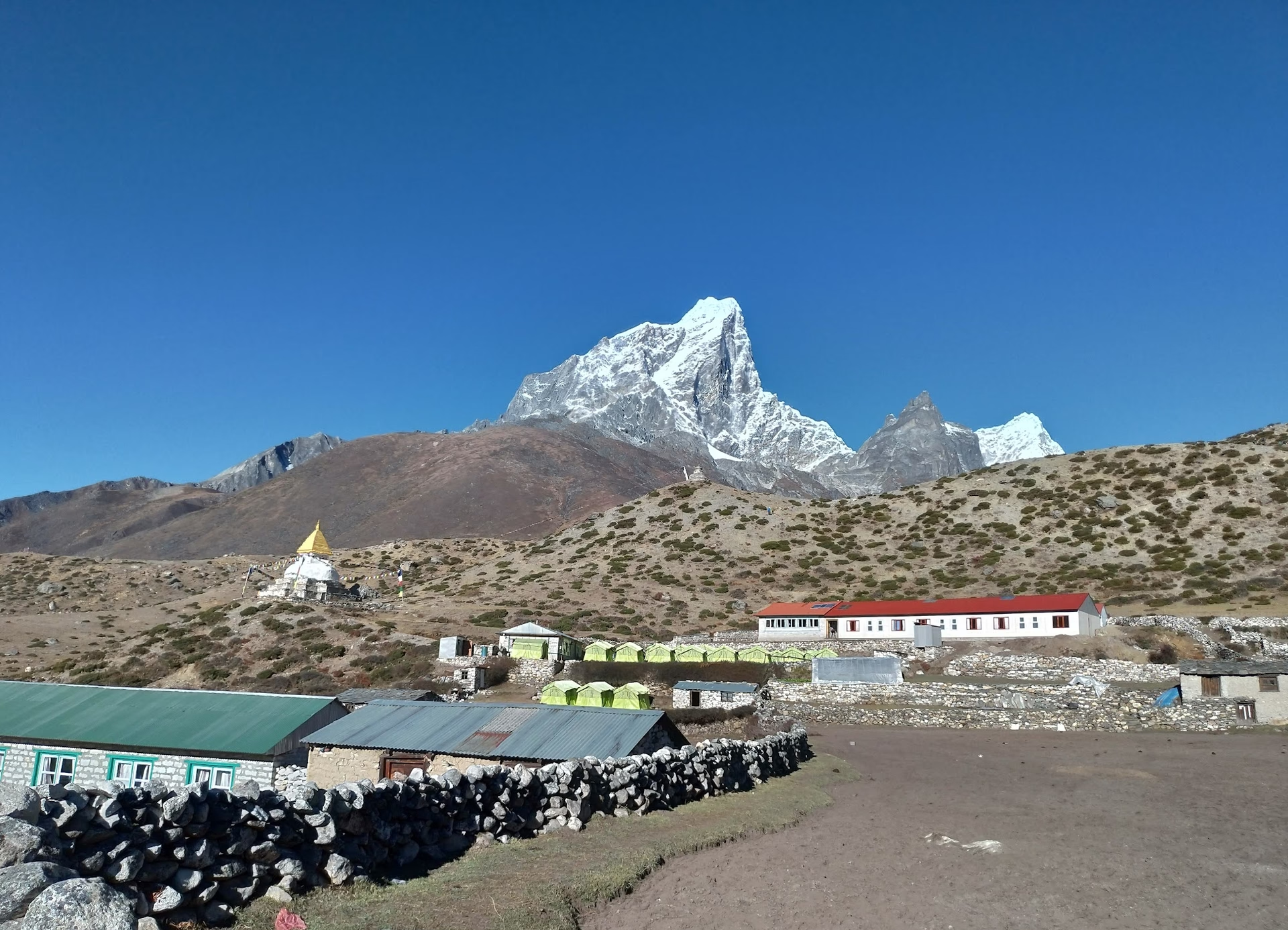
Luxury has a ceiling on this trail. Premium lodge chains cluster between Lukla and Deboche. At Dingboche (4,410 m), Lobuche (4,940 m), and Gorak Shep (5,164 m), premium means the best guesthouse available, a private room, and better food. A company that promises hotel-grade rooms at Gorak Shep sells something the valley does not hold.
What Luxury Accommodation Options Are Available Along the Everest Base Camp Route?
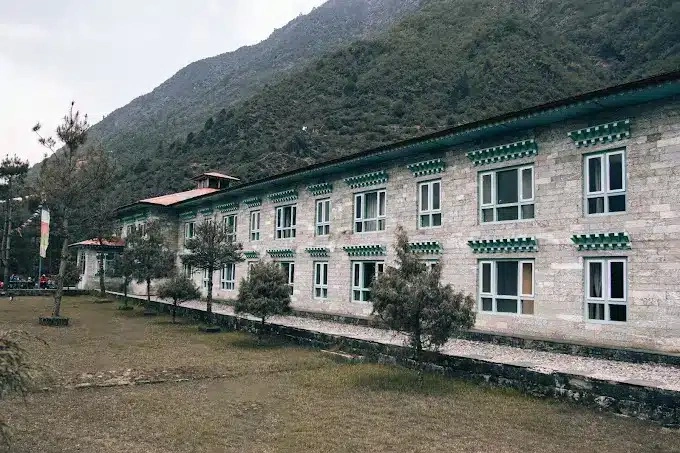
Luxury accommodation on the Everest Base Camp route comes in 3 tiers: signature lodge chains such as Yeti Mountain Home and Everest Summit Lodge, Hotel Everest View at 3,880 m, and upgraded guesthouses above Tengboche.
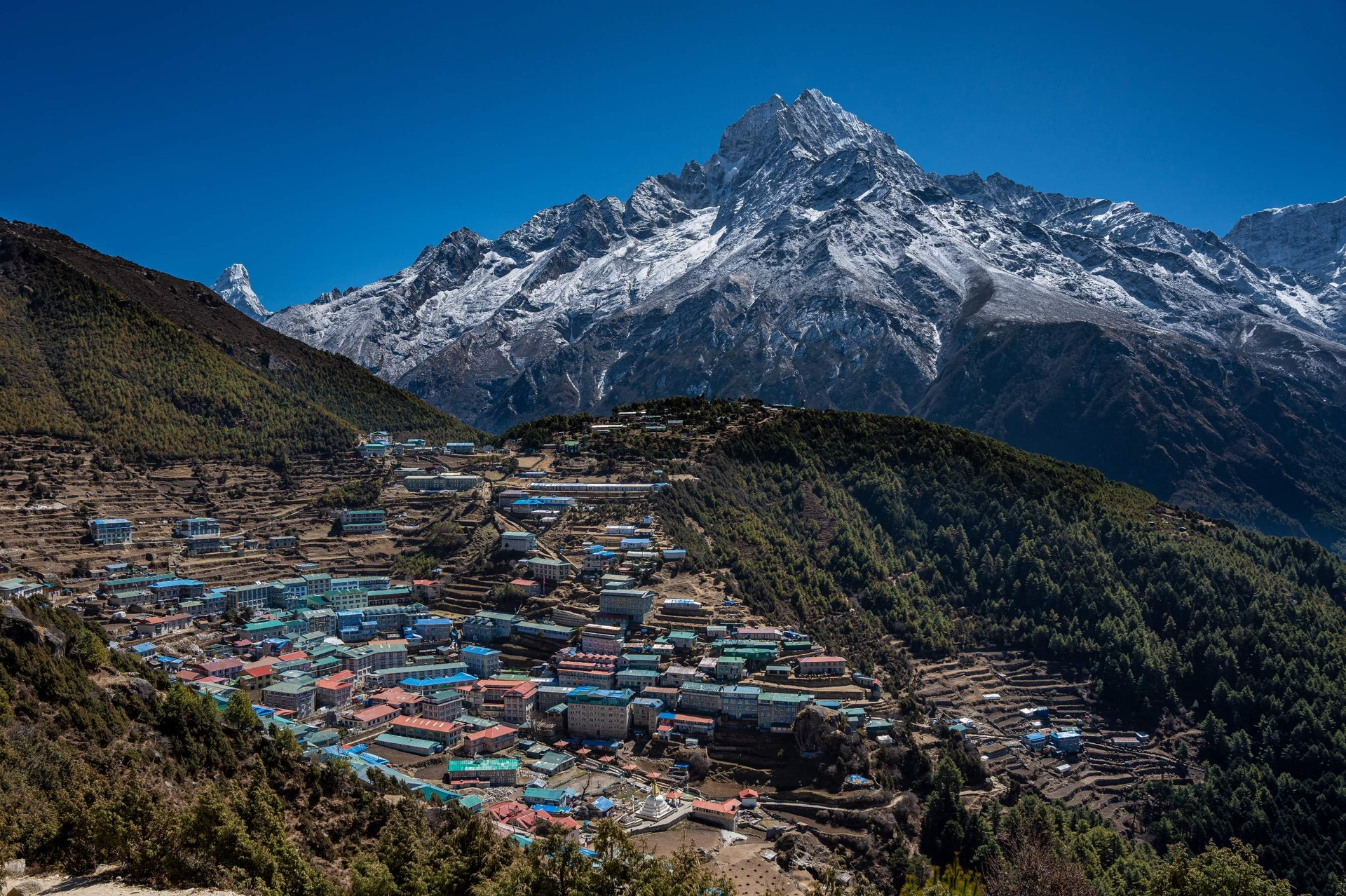
Yeti Mountain Home operates lodges at Lukla, Phakding, Monjo, Namche Bazaar, Thame, and Kongde, and now trades under the Mountain Lodges of Nepal name. Everest Summit Lodge runs a parallel chain with a property at Monjo. Hotel Everest View sits above Namche at Syangboche (3,880 m) and holds the Guinness World Record for the highest-situated hotel. Rooms in these properties include private bathrooms, electric blankets, small heaters, and Wi-Fi.
Chain lodges lock the itinerary. Each chain sleeps guests only at its own properties, so the route follows lodge locations rather than the ideal acclimatization profile. Ask which came first. A well-designed luxury itinerary starts from sleeping altitudes and then picks lodges. A lodge-first itinerary pushes trekkers upward faster than the body adapts.
How Does EBC Luxury Trekking Improve Comfort and Overall Experience?
EBC luxury trekking improves comfort through 4 mechanisms: deeper sleep, warmer recovery, safer food and water, and lighter daily loads. Each mechanism protects energy, and energy protects acclimatization.
Sleep quality drops with altitude, and a heated private room restores part of it. Electric blankets and in-room heaters cut the cold exposure that disrupts rest at 3,440–3,860 m. Food hygiene follows the same logic. Lodge kitchens with filtered water and controlled menus reduce traveler's diarrhea, which dehydrates trekkers and amplifies altitude symptoms. A porter carries the duffel, leaving the trekker with a 5–7 kg daypack, so the legs spend their energy on ascent instead of load.
Comfort has limits, and honest operators say so. Heated rooms do not exist at Gorak Shep, where nights fall below −10 °C. Luxury does not acclimatize anyone. Fitness, gradual ascent, and rest days do. The real gain lies elsewhere: private guide attention, flexible pacing, and mornings that start rested instead of frozen.
What Premium Services Should a Luxury Everest Base Camp Trek Include?
A luxury Everest Base Camp trek includes 7 premium services: private airport transfers, a 5-star Kathmandu stay, premium lodge nights, a guide-and-porter team, pulse oximeter monitoring, permits with Lukla flights, and a contingency day.
Four supporting services separate serious operators from decorators: an evening health check with logged SpO2 and pulse readings, loaned sleeping bags and down jackets built for sub-zero nights, secure luggage storage in Kathmandu during the trek, and a 24-hour operations phone line staffed in Kathmandu. Request the health log format before booking; operators who track readings daily show it in seconds.
What Factors Should You Consider When Choosing a Luxury Everest Base Camp Trek Company?
Five factors decide the shortlist: operating experience, legal registration, verified reputation, guide qualifications, and itinerary flexibility with group size. Safety systems and cost, covered in later sections, sit on top of these 5.
Weigh the factors in order of risk. Registration failures cost the most, because an unlicensed operator carries no accountability and no insured staff. Experience failures cost next, because an inexperienced crew misreads early altitude symptoms. Comfort failures cost least, because a bad lodge ruins a night, not a trek.
How Much Experience Should a Trekking Company Have in Organizing Everest Base Camp Treks?
Look for 10+ years of Everest-region operation, a documented count of EBC departures per season, and a head guide with 30+ Khumbu round trips. Years prove survival; departures and guide tenure prove skill.
A company founded in 2005 with guides hired last spring holds less usable experience than a 2013 company that retains its crew for a decade. Ask 3 questions: How many EBC departures ran last season? How many guides have worked with the company for 5+ years? How many trekkers needed evacuation, and what happened? A transparent operator answers the third question in numbers. A defensive one answers in adjectives.
Experience lives in people, not buildings. Request the assigned guide's name, years in Khumbu, and number of Base Camp trips 30 days before departure.
Why Should You Check a Company's Government Registration and Trekking Licenses?
Every legal trekking company in Nepal holds 3 documents: a company registration certificate, a Department of Tourism trekking agency licence, and PAN/VAT tax registration. TAAN membership and Nepal Tourism Board listing add 2 verification layers.
According to Nepal's trekking rules in force since April 2023, foreign trekkers on major routes hire a licensed guide through a registered agency. The Khumbu Pasang Lhamu Rural Municipality has declined to enforce the rule on its own permits, so unlicensed offers still circulate on social media and in Thamel's street shops. An unlicensed operator creates 3 concrete risks: no legal permit issuance, no insured crew, and no recourse when the trip fails.
Verify registration in 4 steps:
Request the licence number and the company registration number
Match the company name against the TAAN member directory and the Nepal Tourism Board listing
Video-call or visit the Kathmandu office address
Ask for a copy of the assigned guide's licence
Established companies publish these documents on a legal page. Hesitation over a licence number answers the question for you.
How Can You Evaluate a Trekking Company's Reputation and Customer Reviews?
Evaluate reputation across 4 independent signals: Tripadvisor volume and recency, Trustpilot and Google ratings, owner responses to criticism, and direct references from trekkers who completed the same itinerary within 24 months.
Read the 3-star and 4-star reviews first. Five-star reviews describe the view. Middle reviews describe operations: flight delays, lodge changes, guide behavior, and refund handling. A strong company shows 100+ reviews, a rating above 4.7, and reviews spread across 12+ months. Red flags include 40 reviews posted in a single month, praise with no guide names, and zero mention of altitude, health checks, or flight disruption.
Weather-day reviews reveal the most. Search reviews for "cancelled flight," "helicopter," and "altitude." Then ask for 2 email addresses of past clients who traveled in your month; confident companies send them within 24 hours.
What Qualifications Should Luxury Trekking Guides and Sherpas Have?
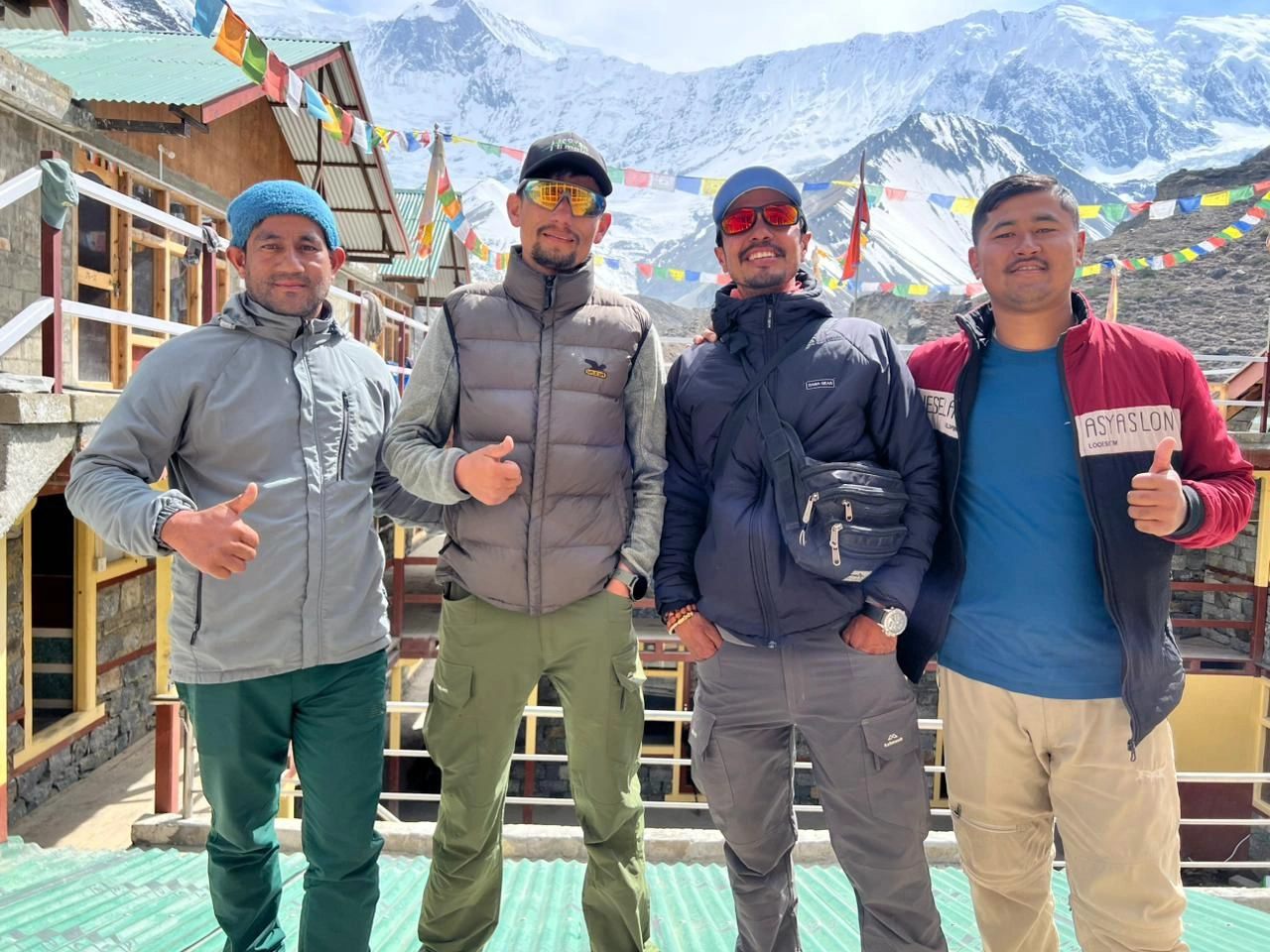
A luxury EBC guide holds a Nepal government trekking guide licence, current wilderness first-aid certification, and 5+ years of Khumbu experience. Assistant Sherpas and porters need no licence but carry insurance, training, and proper clothing.
The Nepal Academy of Tourism and Hotel Management (NATHM) trains and examines licensed guides. The Nepal Mountaineering Association (NMA) certifies mountain-specific training. Wilderness first-aid courses (WFA and WFR) teach recognition of acute mountain sickness (AMS), high altitude pulmonary edema (HAPE), and high altitude cerebral edema (HACE), plus stabilization skills.
Ask 4 questions: Which licence number does the guide hold? Which first-aid certificate, and what expiry date? How many Base Camp trips in the last 3 years? Does the guide hold authority to end the day's ascent without calling the company? The fourth answer matters most. A guide paid per completed trek faces pressure to continue. A salaried guide with turnaround authority does not.
How Important Are Personalized Itineraries and Group Sizes for Luxury Everest Base Camp Trek?
Personalization and group size decide safety: a luxury itinerary adapts to your pace through 2 acclimatization days and 1 contingency day, and a group capped at 2–4 lets the guide check every trekker each evening.
Check the sleeping altitudes in any itinerary, because they reveal the quality of the design. According to the Wilderness Medical Society's guidelines on acute mountain sickness, trekkers above 3,000 m limit sleeping-altitude gains to about 500 m per night and schedule a rest day every 3–4 days. Apply that test. Phakding to Namche Bazaar (2,610 m to 3,440 m) is the one large jump on the classic route, and a rest day follows immediately. Later nights rise by 270–550 m.
Private departures add a night at Dingboche when sleep scores fall or SpO2 stays low. Pooled groups of 8+ move at a compromise pace, so the weakest trekker is rushed or the strongest is held back, and both outcomes cost safety.
What Safety Standards Should the Best Luxury Everest Base Camp Trek Company Follow?
The best luxury Everest Base Camp trek company follows 5 safety standards: experienced high-altitude guides, a graded acclimatization profile, funded evacuation, medical support at every stage, and a written weather and emergency protocol.
Safety separates luxury operators from lodge brokers. According to Himalayan Rescue Association (HRA) chief executive Prakash Adhikari, as reported by the British Mountaineering Council, the HRA clinic at Pheriche treated 650 patients in the autumn 2012 season alone.
Does the Company Provide Experienced High-Altitude Guides?
Yes, a qualified company assigns a licensed guide with 5+ Everest-region seasons, current wilderness first-aid training, and written authority to halt the ascent. Ask for the guide's name and licence number before paying the deposit.
Groups above 4 trekkers require a second guide. When 1 guide escorts a sick trekker down, the rest of the group walks alone otherwise. Day-1 briefing quality reveals guide discipline: a strong guide explains the Lake Louise symptom list (headache plus nausea, fatigue, dizziness, or poor sleep), instructs trekkers to report every symptom, and rehearses the descent rule.
What Altitude Sickness Prevention and Acclimatization Measures Are Included?
Altitude sickness prevention on the Everest Base Camp trek rests on 4 measures: sleeping-altitude gains under 500 m per night above 3,000 m, rest days at Namche Bazaar and Dingboche, 3–4 litres of fluid daily, and oximeter checks twice a day.
Acclimatization hikes follow the climb-high, sleep-low pattern: Namche trekkers hike to Hotel Everest View (3,880 m) and return to 3,440 m, and Dingboche trekkers hike toward Nagarjuna Hill (5,100 m) and return to 4,410 m. Acclimatizing trekkers commonly read 80–90% between 4,400 m and 5,200 m, and a falling trend with a worsening headache matters more than any single value.
Acetazolamide (Diamox) prophylaxis, typically 125 mg twice daily, is a prescription decision for your physician. Descent is the definitive treatment for AMS. Stumbling, breathlessness at rest, or confusion signals HAPE or HACE and triggers immediate descent.
Does the EBC Trekking Package Include Emergency Evacuation and Helicopter Rescue?
Most luxury packages coordinate helicopter rescue but do not fund it. Your travel insurance pays, and a rescue costs $3,000–$10,000 per flight without cover. The helicopter lifts off only after payment confirmation.
Choose a policy that names trekking to 6,000 m and helicopter evacuation, because standard policies exclude altitude above 4,000 m. Send the policy number and the insurer's 24-hour assistance line to the company before departure so the guide holds them. Insurers have threatened to withdraw Everest cover after fraud involving guides and rescue operators, which makes the decision process a quality marker. Ask who makes the evacuation call and how the rescue provider is chosen. A medical decision made by a trained guide or an HRA doctor protects you; a commission-driven decision does not.
Separate 2 events that travelers confuse. A medical evacuation is an insured emergency. A charter helicopter that rescues a schedule after a cancelled Lukla flight is a personal expense, and packages usually exclude it.
What Medical Support and First Aid Facilities Are Available During EBC Trek Package?
Medical support on the Everest Base Camp trail has 4 layers: the guide's first-aid kit and oximeter, HRA aid posts at Pheriche (4,371 m) and Namche, Khunde Hospital near Namche, and Kathmandu hospitals such as CIWEC.
Above Pheriche on the main trail, no permanent hospital operates, and seasonal expedition clinics serve Base Camp in April and May. Ask to see the kit list before departure: pain relief, rehydration salts, antibiotics, dressings, a splint, and altitude medication held by a trained guide. Ask whether the guide carries supplemental oxygen or a portable altitude chamber (Gamow bag) or relies on the aid posts.
How Does the Company Handle Weather Changes and Trekking Emergencies?
A reliable company handles weather with 3 tools: buffer days, a daily forecast review by the guide, and a pre-agreed contingency plan covering Lukla flight delays, trail disruption, and evacuation.
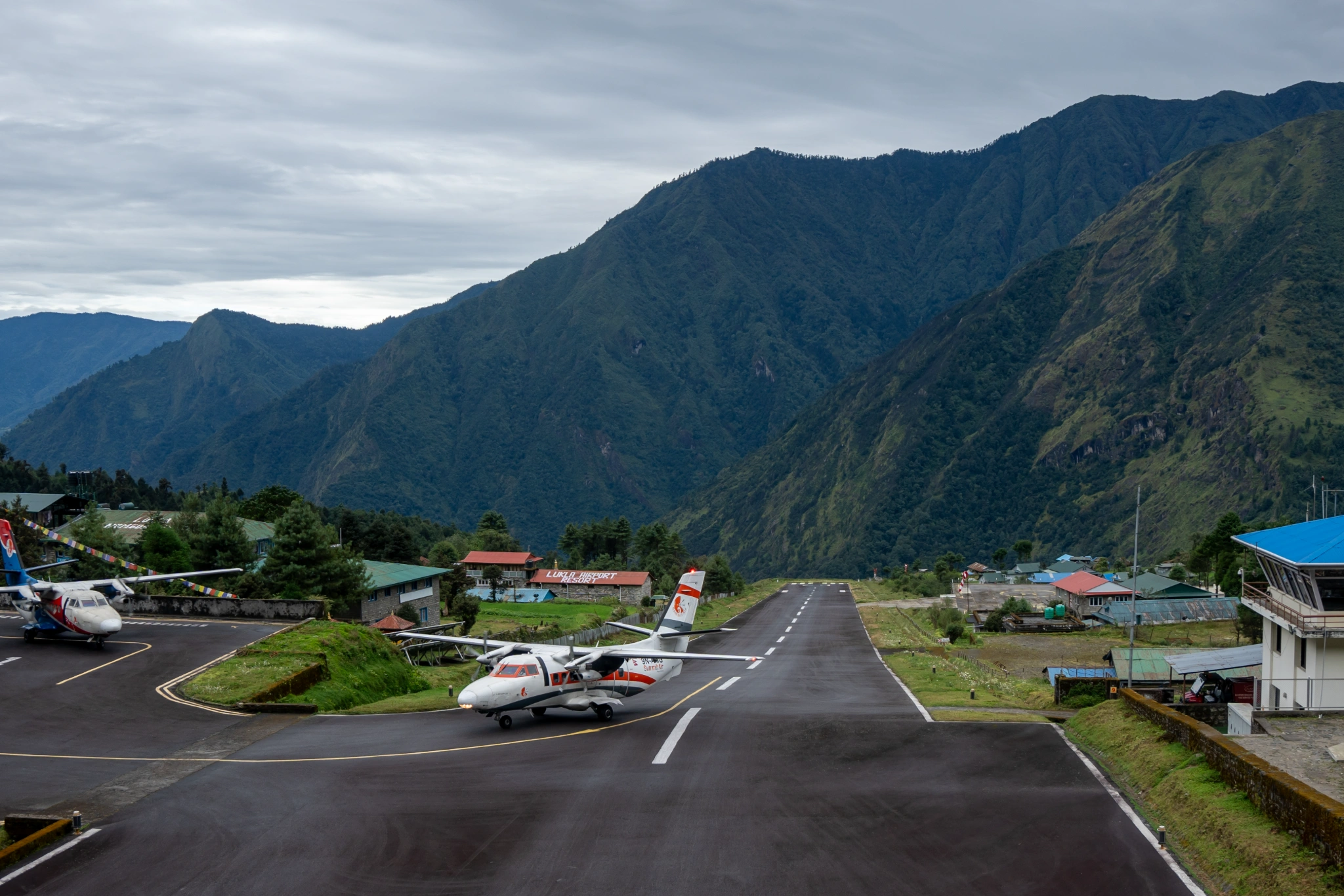
Lukla's Tenzing-Hillary Airport has a runway of roughly 527 m on a steep slope, and flights depend on morning visibility. During peak seasons (mid-March to mid-May and late September to November), Lukla flights depart from Manthali Airport in Ramechhap, a 4–5 hour, 130 km drive from Kathmandu that starts around 2–3 a.m.
A sound contingency plan names 3 things in writing: the reserve day, the shared-helicopter fallback from Kathmandu, and who pays for each. Request the 24-hour operations number and call it once before booking.
Helpful next step: Ask every shortlisted company for its written safety protocol and sleeping-altitude table. Heaven Himalaya publishes its day-by-day altitude profile in the 16 days Everest Base Camp Luxury Trek Itinerary.
What Should a Luxury Everest Base Camp Trek Package Include?
A luxury Everest Base Camp trek package includes 6 service groups: premium lodging and meals, Lukla flights and private transfers, a guide-and-porter team, permits and fees, staff insurance, and trek equipment. Travel insurance and international flights stay separate.
Read the inclusion list line by line, because a package is only as strong as its exclusions.
Which Luxury Accommodation and Dining Services Are Included in Luxury Everest Base Camp Trek Package?
A complete luxury package includes every night of lodging on a twin-sharing basis, Kathmandu hotel breakfast, and full-board meals (breakfast, lunch, dinner) on the trail.
Kathmandu lunches and dinners fall outside many quotes, so confirm them. Submit dietary needs (vegetarian, gluten-free, halal) 2 weeks ahead, because lodge kitchens above Namche stock limited ingredients. Appetite drops above 4,000 m, and good kitchens respond with carbohydrate-rich dishes, garlic soup, and hot fluids. Confirm whether purified drinking water is included. Lodges usually sell it per litre, with prices rising with altitude.
Are Domestic Flights and Airport Transfers Included on Luxury Everest Base Camp Trek Package?
Yes, a luxury package includes the round-trip Lukla flight and private airport transfers. Flight reliability depends on weather and the Civil Aviation Authority of Nepal, so the package must state who pays for delays.
According to 2026 airline schedules, a one-way Lukla seat costs $175–$190 from Ramechhap and $215–$260 from Kathmandu, which puts the round trip at $350–$520. Airlines revised both fares on 1 March 2026. Confirm 3 details: whether the Ramechhap drive is included, whether a Kathmandu or Manthali hotel night is covered when flights slip, and which airline holds the booking.
Does the EBC Trek Package Cover Professional Guides, Porters, and Support Staff?
A luxury package covers a licensed guide, porters at a 1:2 trekker ratio, wages, accidental insurance, and equipment for every crew member. Tips stay separate: common guidelines run $10–$15 per day for a guide and $5–$10 per day for a porter.
Porter welfare is a quality signal. The International Porter Protection Group (IPPG) caps loads at 30 kg and recommends insurance, shelter, and proper clothing for every porter. Ask whether the company follows IPPG standards. Companies that treat crew well retain guides for years.
Are Permits, Entrance Fees, and Travel Insurance Included in EBC Trek Package?
Permits and entry fees come inside a luxury package; travel insurance does not. In 2026 the Everest route requires the Sagarmatha National Park permit (NPR 3,000) and the Khumbu Pasang Lhamu Rural Municipality permit (NPR 2,000–3,000), about $38–$46 in total.
Sagarmatha National Park became a UNESCO World Heritage Site in 1979, and the park permit is checked at the Monjo gateway. The Khumbu Pasang Lhamu Rural Municipality officially abolished the TIMS card requirement for the Everest region, replacing it strictly with their local entry permit, though a reputable agency will still confirm your exact permits in writing.
Travel insurance stays your purchase. The policy must cover 4 items: helicopter evacuation to 6,000 m, medical expenses, trip cancellation and interruption, and missed or delayed flights. Buy within 14–21 days of your first deposit, because most insurers tie cancellation cover to that window.
What Additional Services Should You Expect From a Premium EBC Trekking Package?
Premium EBC packages add 6 extras: secure luggage storage, loaned equipment, itinerary customization, a completion certificate and route map, guided Kathmandu sightseeing, and an optional helicopter return.
Loaned equipment typically covers a duffel, a sleeping bag, and a down jacket. A helicopter return from the upper valley saves 2–3 days of descent and adds cost, but it does not replace acclimatization on the way up.
How Much Does It Cost to Choose the Best Luxury Everest Base Camp Trek Company?
A luxury Everest Base Camp trek costs $2,400–$5,200 per person in 2026, against about $1,400–$1,500 for a standard guided trek. Price moves with lodge tier, group size, trek length, and helicopter components.
Published 2026 price points from Heaven Himalaya show the spread: a 14-day standard guided EBC trek from $1,399–$1,499, a 16-day luxury lodge trek from $2,399 per person for 2–3 trekkers ($2,470 solo), and an 11-day super luxury itinerary at $5,199. The following table lists the cost components that sit inside or beside those totals.
Cost component | 2026 figure | What changes it |
Lukla round-trip flight | $350–$520 | Ramechhap or Kathmandu departure |
Two Everest permits | NPR 5,000–6,000 (about $38–$46) | Khumbu municipal fee |
Nepal tourist visa | $50 for 30 days | Visa length |
Helicopter rescue without insurance | $3,000–$10,000 | Altitude, distance, operator |
Guide and porter tips | $10–$15 and $5–$10 per day | Group pooling |
The table shows that flights, permits, and visa fees stay near $440–$615 for every company. The rest of the price buys lodging, staff, transfers, and safety systems.
What Factors Influence the Cost of a Luxury Everest Base Camp Trek?
6 factors drive luxury EBC trek pricing: lodge tier, group size, trek length, season, flight routing, and staffing ratio.
Lodge tier moves the price most: a chain lodge night costs far more than a guesthouse night. Group size moves it least: published 2026 pricing shows a $71 gap between a solo trekker ($2,470) and a pair ($2,399). Trek length changes the day count, and season shifts demand: winter trips run at discounted lodge rates, while March–May and September–November hold peak prices. Ramechhap routing adds a long drive, and a 1:2 porter ratio adds payroll.
Why Do Luxury Everest Base Camp Trek Packages Have Different Prices?
Luxury EBC packages carry different prices because 4 line items vary most: lodge brand, itinerary length, staffing, and what the quote excludes.
Normalize quotes before comparing them. Subtract the Lukla flight ($350–$520) and the permits (about $38–$46) from the total, then divide by trek days. A $2,399 quote across 16 days leaves roughly $115–$126 per day for lodging, meals, guide, porter, hotel, and transfers. A large gap between 2 quotes for the same route shows up as a cut in lodge tier, staffing, or inclusions. Find the cut before you pay for it.
Are There Hidden Charges in Luxury Everest Base Camp Trek Packages?
7 charges commonly sit outside a luxury EBC quote: international flights, the $50 Nepal visa, travel insurance, helicopter contingencies, extra Kathmandu nights, tips, and personal expenses such as laundry, charging, and hot showers.
Lodge fees for charging, Wi-Fi, and hot showers rise with altitude, and bottled water follows the same curve. Carry Nepali rupees in cash, because card machines vanish above Namche Bazaar. Extra Kathmandu nights after a delayed return flight come out of your pocket unless the quote says otherwise. Ask directly which costs the quote leaves out and what a weather-delayed day costs.
Is a More Expensive Luxury EBC Trekking Company Always Better?
No. A higher price buys better lodges and logistics, not better safety. Safety comes from guide quality, acclimatization design, and insurance, and you verify all 3 at any price point.
An expensive company that compresses the route to 10 days pays for lodge brands and cuts rest days, which raises risk. A mid-priced company with a 14–16 day profile, licensed guides, and logged oximeter checks delivers more safety per dollar. An unusually cheap company that calls itself luxury cuts lodge tier, staffing, or both. Itineraries that fly in and out by helicopter shrink the trip to 5–11 days and remove acclimatization, so rank them by altitude profile, not by price.
When Is the Best Time to Book a Luxury Everest Base Camp Trek?
Book a luxury Everest Base Camp trek 6–9 months before departure for spring (mid-March to May) or autumn (late September to November). Premium lodges hold limited rooms, and peak-season flights and Kathmandu hotels fill first.
As of November 2026, a spring 2027 departure sits inside the ideal booking window. The 3 sections below choose the season, set the lead time, and explain how conditions shape the trek.
Is Spring or Autumn Better for a Luxury Everest Base Camp Trek?
Autumn (late September to November) delivers the clearest skies and the most stable weather. Spring (March to May) delivers warmer afternoons, rhododendron bloom, and the climbing-season scene at Base Camp. Both seasons qualify as peak.
The following table compares the 2 seasons on 4 criteria.
Criterion | Spring (March–May) | Autumn (September–November) |
Visibility | Good, with afternoon cloud and haze | Best of the year, crisp mornings |
Temperature | Warmer days, cold nights | Colder nights, below −10 °C at Gorak Shep in November |
Scenery | Rhododendron bloom below Namche | Clear peaks, harvest-season villages |
Base Camp | Tent city of expedition climbers in April–May | Mostly empty moraine |
Choose spring for warmth and the expedition atmosphere. Choose autumn for photography and stability.
How Far in Advance Should You Book a Luxury Everest Base Camp Trek?
Book 6–9 months ahead for peak season; 3–4 months is the floor for luxury lodges. A deposit locks lodge rooms, Lukla seats, and a named guide team.
The following timeline works backward from departure.
9–6 months out: Choose the company, verify licences, and pay the deposit
6–4 months out: Buy travel insurance, book a medical check, and confirm vaccinations
4–1 months out: Train 4–5 days per week with loaded hill walks and cardio
1 month out: Finalize gear, confirm the guide's name, and send the insurance policy number
Read the refund schedule before you transfer the deposit.
How Do Weather and Trail Conditions Affect the EBC Luxury Trekking Experience?
Weather and trail conditions shape EBC luxury trekking in 4 ways: Lukla flight reliability, viewpoint visibility, trail surface (ice and mud), and night temperatures at Lobuche and Gorak Shep.
Clouds build after 10 a.m., so mountain flights and sunrise viewpoints favor the morning. The trail between Dughla and Lobuche holds ice in cold months, and spring afternoons bring snow squalls above 4,500 m. Luxury trekking softens these conditions with heated rooms, hot meals, and a buffer day. It does not soften wind chill at Kala Patthar, where sunrise temperatures sit far below freezing. Pack for the mountain, not for the lodge.
How Can You Verify a Luxury Everest Base Camp Trek Company's Reliability?
Verify a luxury Everest Base Camp trek company in 5 steps: confirm the licence number, cross-check TAAN and Nepal Tourism Board listings, read recent reviews, request guide and insurance documents, and test the answers on a live call.
Documents prove legal status; a conversation proves operational depth.
What Questions Should You Ask Before Booking a Luxury Everest Base Camp Trek?
Ask 12 questions before booking. Each one exposes a different failure point: legal status, guide quality, acclimatization design, evacuation, or cost.
Which licence and registration numbers does the company hold?
Which guide is assigned, and what are the guide's licence number and Base Camp trip count?
What sleeping altitudes does each night reach?
How many acclimatization days does the itinerary hold?
Who checks oxygen saturation, and how often?
Does the guide carry supplemental oxygen or a portable altitude chamber?
Who decides on evacuation, and how is the rescue provider chosen?
Which insurance details does the company require before departure?
What does a weather-delayed Lukla flight cost, and who pays?
Which lodges host each night, and which tier replaces them if rooms fill?
Which costs does the quote exclude?
What are the deposit, cancellation, and refund terms?
Listen for specifics. Numbers, names, and written policies signal operational depth. Adjectives and promises signal a sales script.
How Can You Compare Luxury Trekking Companies Before Making a Decision?
Compare luxury trekking companies with a weighted scorecard: score each of 6 criteria from 0 to 5, multiply by its weight, and total the result out of 100.
The following table sets the weights, with safety and legal status carrying 45 of the 100 points.
Criterion | Weight | What earns a 5 |
Safety systems | 25 | Logged oximeter checks, written evacuation protocol, oxygen or Gamow bag |
Licence and legal status | 20 | Verified licence, TAAN and NTB listings, published documents |
Guide quality | 20 | Licensed guide, 5+ seasons, first-aid certificate, turnaround authority |
Itinerary design | 15 | Sleeping gains under 500 m, 2 rest days, contingency day |
Price transparency | 10 | Line-item quote with named exclusions |
Reputation | 10 | 100+ recent reviews above 4.7, references supplied |
Multiply each 0–5 score by its weight, then divide by 5. Company A scores 4, 5, 4, 4, 5, 5 across the 6 rows in order and totals 20 + 20 + 16 + 12 + 10 + 10 = 88. Company B scores 2, 3, 3, 3, 2, 4 and totals 10 + 12 + 12 + 9 + 4 + 8 = 55. Shortlist companies above 80 and drop the rest.
Four red flags end a comparison immediately: a refusal to share a licence number, a guide revealed only at arrival, an insurance policy with an altitude cap below 5,600 m, and a quote with no named exclusions.
How Can Heaven Himalaya Make Your Luxury Everest Base Camp Trek Exceptional?
Heaven Himalaya runs a 16-day Everest Base Camp Luxury Trek built on 4 foundations: premium lodges at Phakding and Namche Bazaar, a licensed guide with a porter for every 2 trekkers, a private group of 2–4, and a reserve day for flight delays.
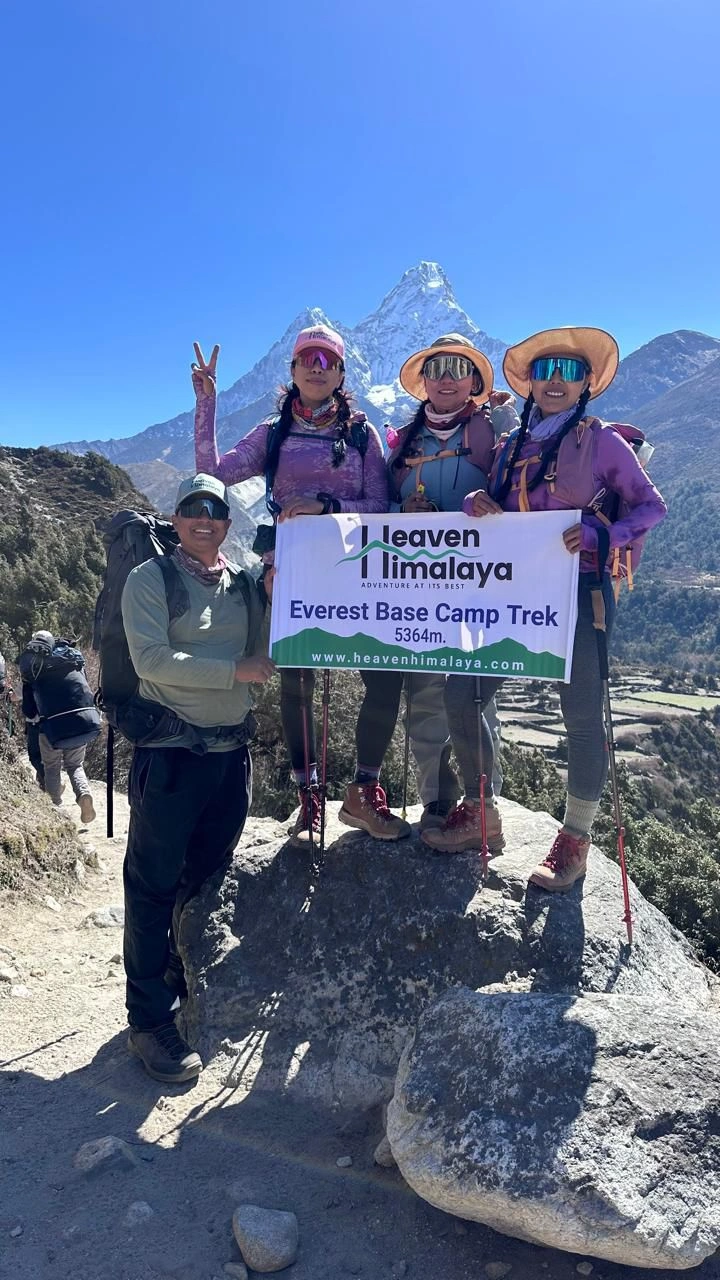
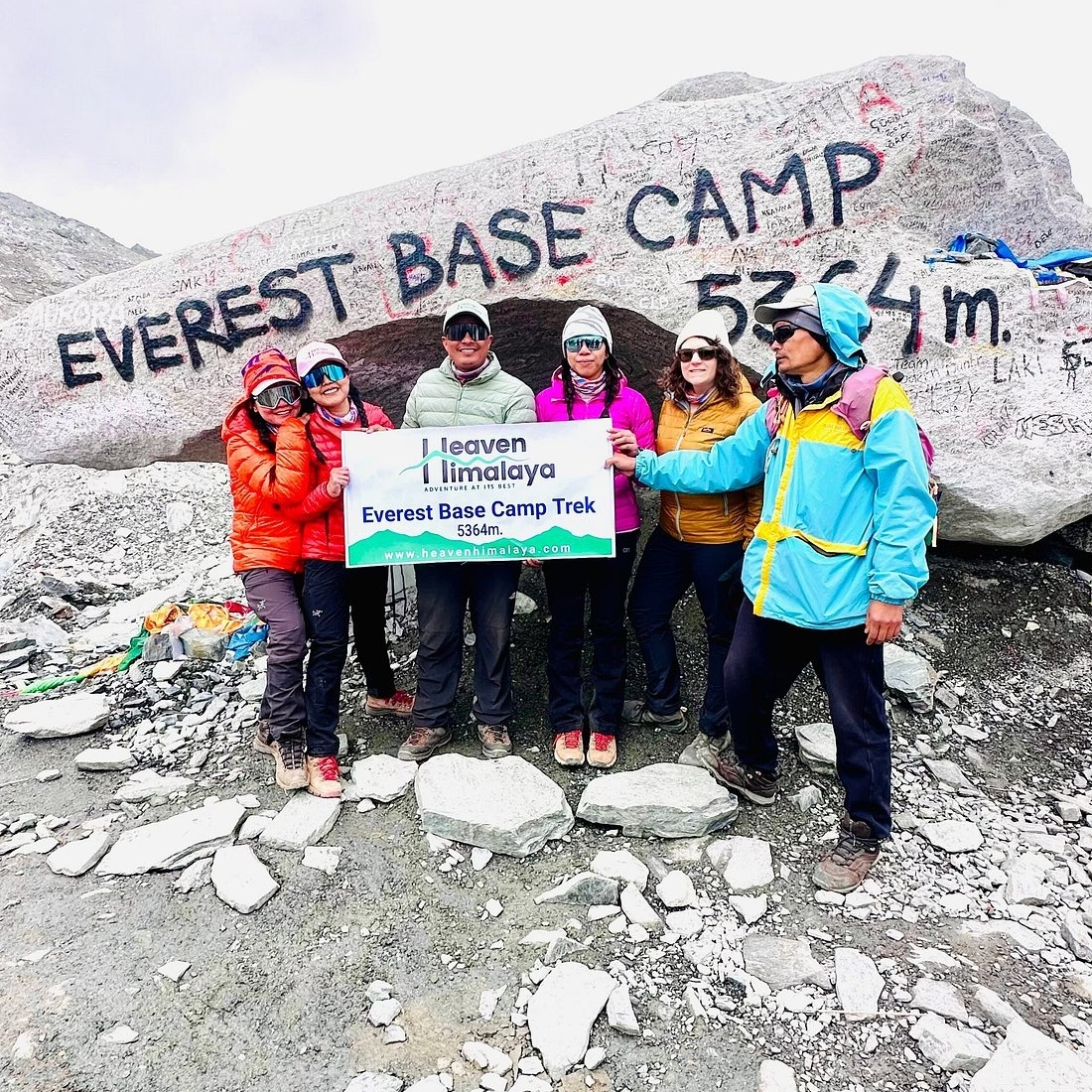
Heaven Himalaya is a Kathmandu-based, government-registered operator at Gitanjali Chowk, Dathu Sadak, with 13+ years of Everest-region experience. The company holds affiliations with the Nepal Tourism Board, TAAN, the Nepal Mountaineering Association, and KEEP, and it earned Tripadvisor Travelers' Choice recognition every year from 2021 to 2025. Travelers rate the trek 5.0 across 160 reviews. The Everest Base Camp Luxury Trek pairs those credentials with the acclimatization profile in the table below.
Day | Stop | Sleeping altitude |
3 | Fly to Lukla, trek to Phakding (Yeti Mountain Home) | 2,610 m |
4 | Namche Bazaar (Yeti Mountain Home) | 3,440 m |
5 | Acclimatization hike to Everest View Hotel (3,880 m) | 3,440 m |
7 | Dingboche | 4,410 m |
8 | Acclimatization hike toward Nagarjuna Hill (5,100 m) | 4,410 m |
10 | Gorak Shep, then Everest Base Camp (5,364 m) | 5,181 m |
11 | Kala Patthar (5,545 m), then Pheriche | 4,371 m |
15 | Reserve day in Kathmandu | 1,400 m |
Sleeping gains above Namche run 270–550 m per night, and the largest, Tengboche to Dingboche at 550 m, follows an acclimatization day at Namche and precedes another at Dingboche. Above Namche, lodges are the best guesthouses available rather than five-star hotels, and the company describes them that way.
The package costs $2,399 per person for 2–3 trekkers and $2,470 for a solo trekker. It includes private luxury transfers, a 5-star Kathmandu hotel with breakfast, full-board lodging on the trail, the round-trip Lukla flight, permits and entry fees, a licensed English-speaking guide with 1 porter per 2 trekkers, crew wages and accidental insurance, a duffel and sleeping bag loan, and a first-aid kit. Guides carry oximeters, and luggage storage at the Kathmandu office is free. Exclusions are international airfare, the $50 Nepal visa, travel insurance, helicopter rides or extra days after flight disruption, personal gear, and tips.
Lukla flights depart from Manthali Airport in Ramechhap in March, April, May, October, and November, which adds a 4–5 hour drive, and the company states plainly that weather-driven helicopter rides sit outside the price.
Helpful next step: Request the full itinerary and a written quote on WhatsApp at +977 985 1273867 or at info@heavenhimalaya.com. Run the 12 questions above against the answers you receive.
Why Should You Choose Heaven Himalaya for Your Luxury Everest Base Camp Trek?
Choose Heaven Himalaya when you want a Nepal-based operator that sells direct, publishes its price, assigns licensed local guides, and runs a private 16-day profile with built-in acclimatization.
Foreign agencies resell Nepali departures and add a commission; booking direct removes that layer, and the company states a best-price guarantee with no booking fee. The trek suits couples, families, and small groups who want comfort with a conservative pace. It does not suit travelers who want a 7-day helicopter itinerary, so the company offers the Everest Base Camp Trek with Helicopter Return and the 11-day Everest Super Luxury Trek at $5,199 for different goals. Budget trekkers choose Everest Base Camp Trekking from $1,399.
What Should You Remember When Choosing the Best Luxury Everest Base Camp Trek Company?
Remember 7 points when choosing the best luxury Everest Base Camp trek company: verify the licence, demand a written safety protocol, check guide credentials, read inclusions line by line, budget for insurance and contingencies, book 6–9 months ahead, and choose acclimatization over speed.
The luxury Everest Base Camp trek company you pick controls decisions, not the mountain. Licences and TAAN membership prove legal standing. Logged oximeter checks, turnaround authority, and a funded evacuation plan prove safety. A line-item quote with named exclusions proves honesty. Lodge tier, group size, and trek length explain the $2,400–$5,200 price band, and none of them replaces a 14–16 day profile with rest days.
Book for the season that fits your priorities: autumn for clarity, spring for warmth and the expedition scene. Use the Best Time to Trek in Nepal guide to confirm dates, and pack from the Trekking Packing List. Start with 3 actions this week: shortlist 3 companies, send each the 12 questions, and score the answers on the scorecard above.