

Nepal in Winter 2026–27: Weather, Treks & Travel Guide

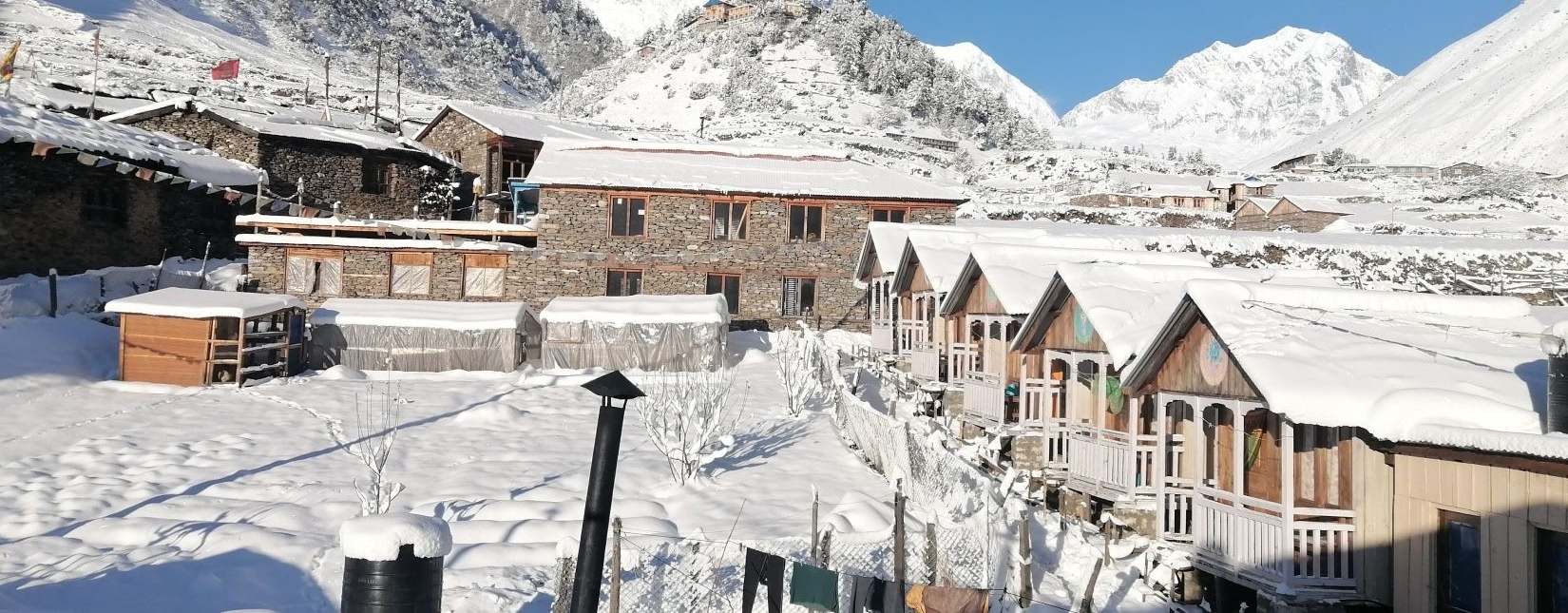
Nepal in winter (December to February) is an ideal season for travelers seeking clear Himalayan views, peaceful trekking trails, cultural experiences, and diverse natural landscapes. The dry winter climate brings crisp mountain panoramas across the Annapurna, Everest, and Langtang regions, while lower-altitude destinations such as Kathmandu, Pokhara, and Chitwan offer milder temperatures and comfortable sightseeing opportunities. From snow-covered Himalayan villages and mountain viewpoints to UNESCO World Heritage Sites and subtropical national parks, Nepal offers a diverse range of winter travel experiences.
Winter travel in Nepal combines scenic trekking, outdoor adventures, wildlife exploration, and authentic cultural experiences. Popular winter treks include Ghorepani Poon Hill, Mardi Himal, Langtang Valley, and Everest Base Camp, while activities range from paragliding in Pokhara and jungle safaris in Chitwan to hiking around Nagarkot and Dhulikhel. Understanding seasonal weather conditions, trekking accessibility, altitude variations, suitable clothing, travel costs, and safety precautions helps travelers choose the right destinations and plan a rewarding Nepal winter holiday in 2026–27.
What Is the Weather Like in Nepal During Winter?
Nepal's winter weather is cold, dry, and sunny. Kathmandu ranges from 2°C to 18°C (36°F to 64°F), Pokhara from 6°C to 20°C, and Chitwan from 8°C to 23°C, while Himalayan trails above 4,000 m fall to between −10°C and −20°C at night. Rain is rare and skies are clear on most mornings.
Winter is Nepal's dry season. Kathmandu receives under 25 mm of rain per month from December to February, against more than 300 mm in July. Four factors shape the weather: altitude, dry air, western disturbances, and valley inversion. Altitude sets the temperature. Dry air produces large gaps between daytime highs and night lows. Western disturbances are storm systems from the Mediterranean that bring 1 to 3 days of snow and wind. Valley inversion traps cold air and pollution in basins such as Kathmandu.
Daylight shrinks too. Kathmandu receives about 10.5 hours of daylight at the winter solstice, compared with about 13.8 hours in June. Trekking days end by 15:30 in most valleys, because the sun drops behind ridgelines early.
How Cold Does Nepal Get in December, January, and February?
January is the coldest month. Kathmandu mornings reach 2°C, Gorak Shep nights reach −18°C, and Dolpa falls below −20°C. December begins mild and turns sharply colder after the solstice. February brings the first warming, longer days, and steadier skies.
The 3 winter months behave differently:
December: Clearest skies of the year, first heavy snow above 4,000 m, and busy trails until the New Year.
January: Hardest frosts, ice on shaded trail sections, and the thinnest trail traffic after 6 January.
February: Slow warming, with snow lingering above 3,000 m and the first spring haze appearing late in the month.
Indoor temperatures deserve attention. While trail lodges lack central heating and stay within a few degrees of the outdoor night temperature, most tourist hotels in Kathmandu provide split AC heating or electric room heaters. Ask for an electric heater or an extra blanket when booking, and pack thermal sleepwear even for city nights.
Does It Snow in Nepal During Winter?
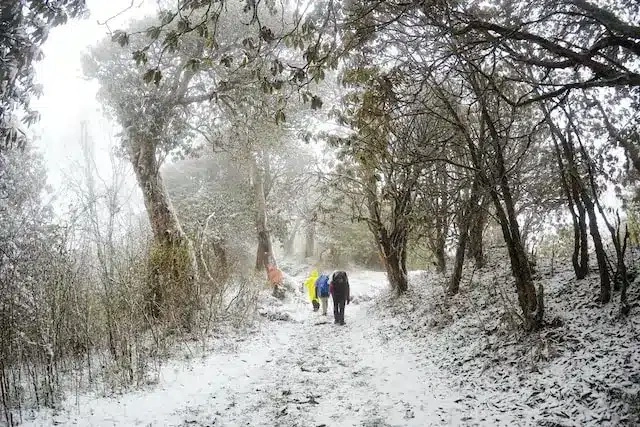
Yes. Snow falls above roughly 2,500 m from December to February and settles at Ghorepani, Namche Bazaar, and Langtang by January. Kathmandu city sees frost, not snow. Snow reaches the Kathmandu Valley rim, such as Phulchoki (2,782 m), only in occasional years.
The heaviest snowfall follows western disturbances. Skies then clear sharply, and the days after a storm deliver the best mountain views of the year and the hardest trail conditions, because fresh snow buries paths and ice forms on stone steps.
Snowfall at Nagarkot (2,175 m) and Chisapani (2,300 m) is rare, and temperatures there hover near 0°C. Guaranteed snow starts above 2,800 m.
Which Regions of Nepal Experience the Coldest Winter Temperatures?
The 4 coldest winter regions are Dolpa (below −20°C), the Everest region above 5,000 m (−17°C to −20°C at night), Upper Mustang, and Manang above 3,500 m. Jomsom–Muktinath in the Annapurna region averages −9°C to 0°C on trek days.
Dolpa: Remote, sparsely served, and the coldest district in Nepal.
Everest region: Gorak Shep (5,164 m) and Everest Base Camp (5,364 m) hold the coldest tourist-accessible nights.
Upper Mustang: A rain-shadow desert with dry, bitter cold and many lodges closed while residents move to lower villages.
Manang: High, windy, and snowbound along the Thorong La approach.
First-time winter visitors are better placed on the lower, warmer options covered below.
What Is the Difference Between Winter Weather in the Mountains and Terai?
The mountains are 15°C to 40°C colder than the Terai. Chitwan's lowland jungle sits near 150 m and reaches 23°C by day, while Himalayan villages above 3,400 m stay near freezing by day and well below it at night. Temperature falls about 6.5°C for every 1,000 m of climb, according to the standard atmospheric lapse rate.
The following table compares 5 winter zones by altitude, temperature range, and snow:
Zone | Example place | Altitude | Winter range | Snow |
Terai lowland | Chitwan | ~150 m | 8°C to 23°C (46°F to 73°F) | None; morning fog |
Hill basin | Kathmandu | 1,400 m | 2°C to 18°C (36°F to 64°F) | Frost; rare snow |
Lake valley | Pokhara | 822 m | 6°C to 20°C (43°F to 68°F) | None |
Mid-mountain | Namche Bazaar | 3,440 m | −7°C to 8°C (19°F to 46°F) | Regular |
High mountain | Gorak Shep | 5,164 m | −18°C to 0°C (0°F to 32°F) | Heavy, constant |
Fog is the Terai's main winter problem. Dense morning fog in December and January delays flights to Bharatpur and Bhairahawa and slows road travel until 10:00 or 11:00.
Why Should You Visit Nepal in Winter?
Winter offers 4 advantages: stable dry weather, sharp mountain visibility, quieter trails, and lower lodging costs. The trade-offs are cold nights and short days. Visitors with proper gear see the same peaks as autumn trekkers, with fewer people and lower prices.
What Are the Benefits of Visiting Nepal During Winter?
The 5 main benefits are clear air, dry trails, festivals, Terai wildlife viewing, and warm lodge common rooms. Each benefit comes from the dry-season pattern that begins in November.
Clear air: Monsoon dust and haze are gone, and December and January give the sharpest peak outlines.
Dry trails: Rain-free ground removes leeches, mud, and monsoon landslide risk on road approaches such as Syabrubesi.
Festivals: Tamu Losar on 30 December, Maghe Sankranti around 14 January, and Yomari Punhi in the Newar towns of Kathmandu Valley in December. Sherpa and Tibetan communities celebrate Losar in February.
Wildlife viewing: Terai grass dries and shortens, which improves sightlines in Chitwan and Bardiya.
Common-room warmth: Trail lodges gather every guest around one stove.
Is Nepal Less Crowded During the Winter Season?
Yes on the trails, partly in the cities. Nepal received 1,158,459 foreign visitors in 2025, and December alone recorded 98,190, close to the monthly average of 96,500. Kathmandu and Pokhara stay lively. Trekking routes empty out.
According to the Nepal Tourism Board, reported by The Himalayan Times on 2 January 2026, 2025 arrivals rose about 1% over 2024 (1,147,548) and remained below the 2019 record of 1,197,191. The national figure hides where visitors go. A January 2019 Nepali Times report noted that Annapurna Base Camp sees about 70 guests per day during the peak October season, dropping to a fraction of that in winter.
One exception applies. Demand spikes between 20 December and 5 January, and Lukla flights sell out 2 to 3 months ahead for those dates. We recommend 6 January to mid-February for the thinnest trail traffic, because Christmas demand has passed and spring has not begun.
Can You Enjoy Clear Mountain Views in Nepal in Winter?
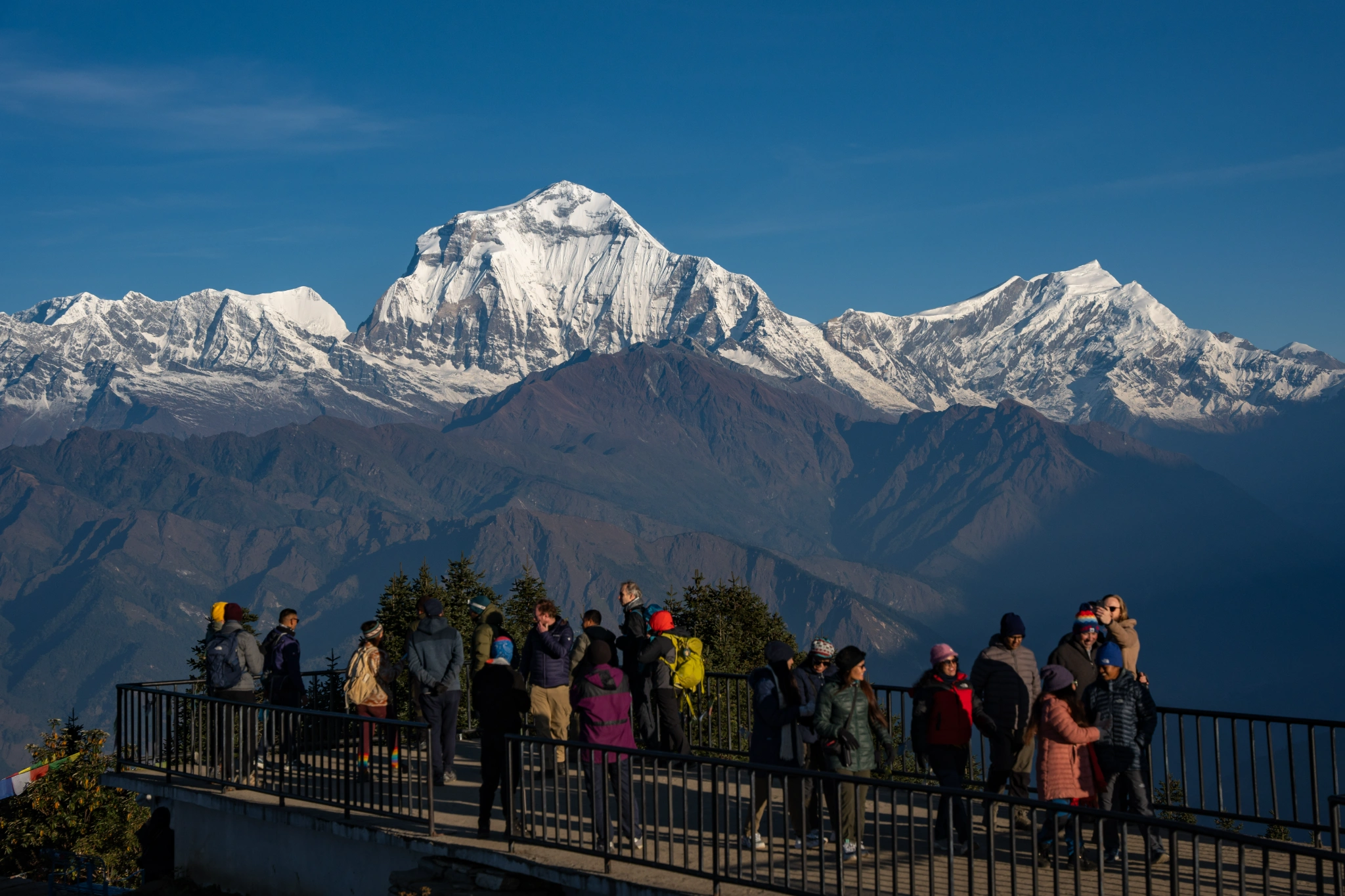
Yes. Winter delivers the clearest mountain views of the year, because monsoon cloud and spring haze are absent. Mornings give the best visibility. Cloud builds from midday, especially above 3,500 m.
The Everest panorama (8,849 m), Dhaulagiri (8,167 m), Annapurna I (8,091 m), Langtang Lirung (7,227 m), and Machhapuchhre (6,993 m) stand out on December and January mornings. Elevation matters in the Kathmandu region. The valley floor often sits under a pollution layer, while Nagarkot and Dhulikhel rise above it. A traveler who sees gray haze from a Kathmandu hotel window can still find a sharp Himalayan skyline 30 km east at sunrise.
Is Winter a Good Time for Budget-Friendly Travel in Nepal?
Yes, with caveats. A guided Everest Base Camp trek from Kathmandu costs $1,350 to $1,900 in 2026, and basic teahouse rooms run $5 to $15 per night when guests eat at the lodge. Lodges and operators often discount winter rooms, meals, and departures outside the 20 December to 5 January peak.
Winter also adds costs that summer budgets skip:
Gear rental: $1 to $3 per day for a −15°C sleeping bag or a down jacket in Thamel.
Buffer days: 1 to 2 extra days at $30 to $50 per day for a guide, plus lodging.
Flights: $400 to $500 for a Lukla round trip, with limited seats in peak week.
Visa: $30 for 15 days, $50 for 30 days, or $125 for 90 days.
The best savings come from mid-January departures, lower-altitude routes with no flights, and shared guided groups. Cutting the buffer day is the costliest mistake, since a missed international flight costs more than the extra night.
What Are the Best Places to Visit in Nepal in Winter?
The 4 best low-altitude winter destinations are Kathmandu Valley, Pokhara, Chitwan National Park, and the Nagarkot–Dhulikhel ridge. All sit below 2,200 m and connect by road. They deliver heritage, lakes, wildlife, and Himalayan panoramas without high-altitude cold.
Why Is Kathmandu Valley Worth Visiting in Winter?
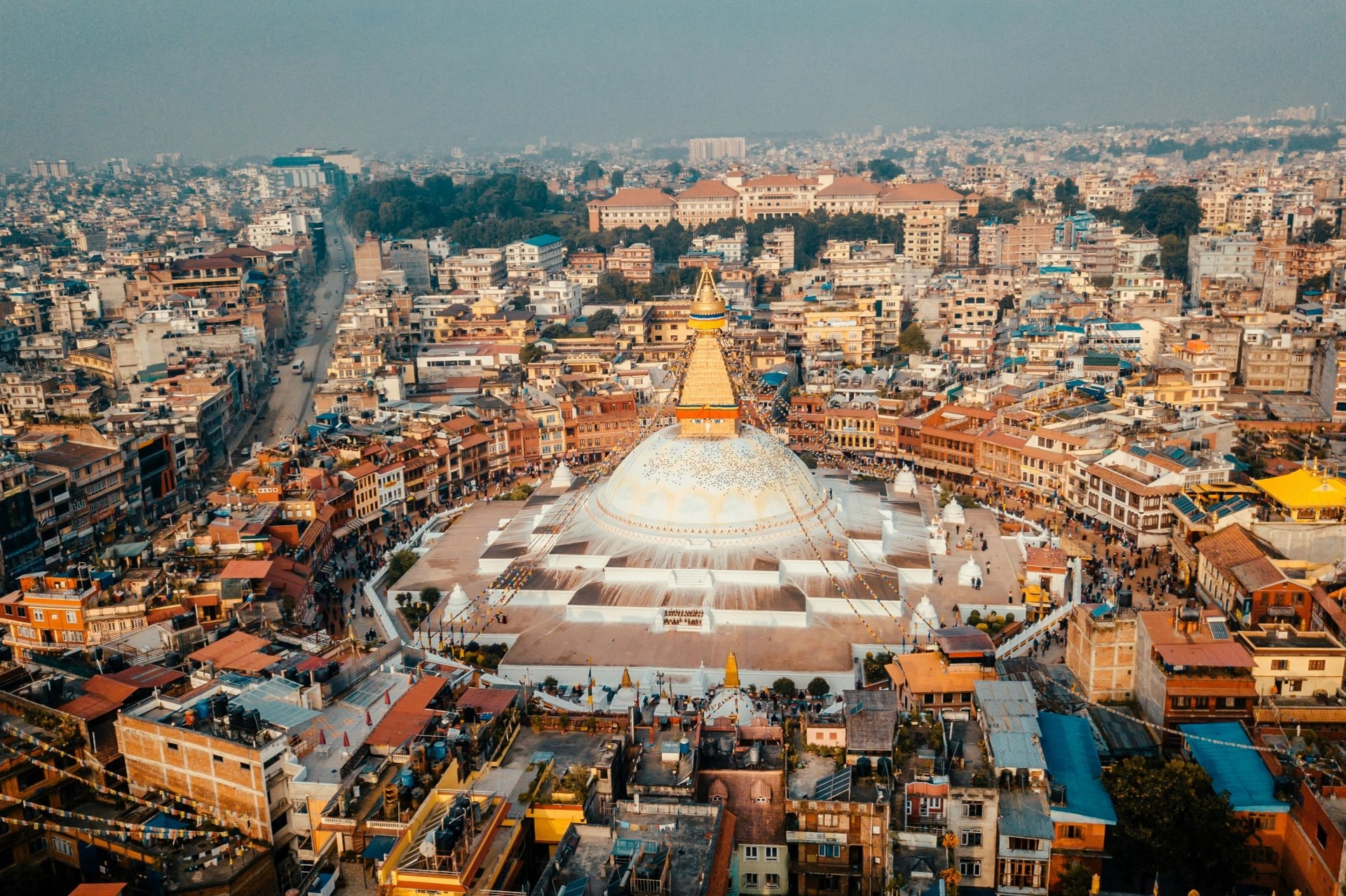
Kathmandu Valley holds 7 UNESCO World Heritage monument zones, including Hanuman Dhoka, Patan, Bhaktapur, Swayambhunath, Boudhanath, Pashupatinath, and Changu Narayan. All stay open in winter, and cool, dry mornings suit walking and photography.
Winter also brings Yomari Punhi in December, when Newar families in Bhaktapur and Patan make steamed rice-flour dumplings filled with molasses. Sunrise at Swayambhunath comes around 07:00.
One factor requires attention: air quality. The US EPA classes an Air Quality Index of 151 to 200 as unhealthy, and Kathmandu regularly reaches that range in winter because valley inversion traps smoke and dust. Check live readings on IQAir or AirNow, carry an N95 or KN95 mask for heavy-traffic days, and schedule outdoor sightseeing for midday when the air thins. Visitors with asthma or heart conditions take extra care.
Is Pokhara a Good Winter Destination?
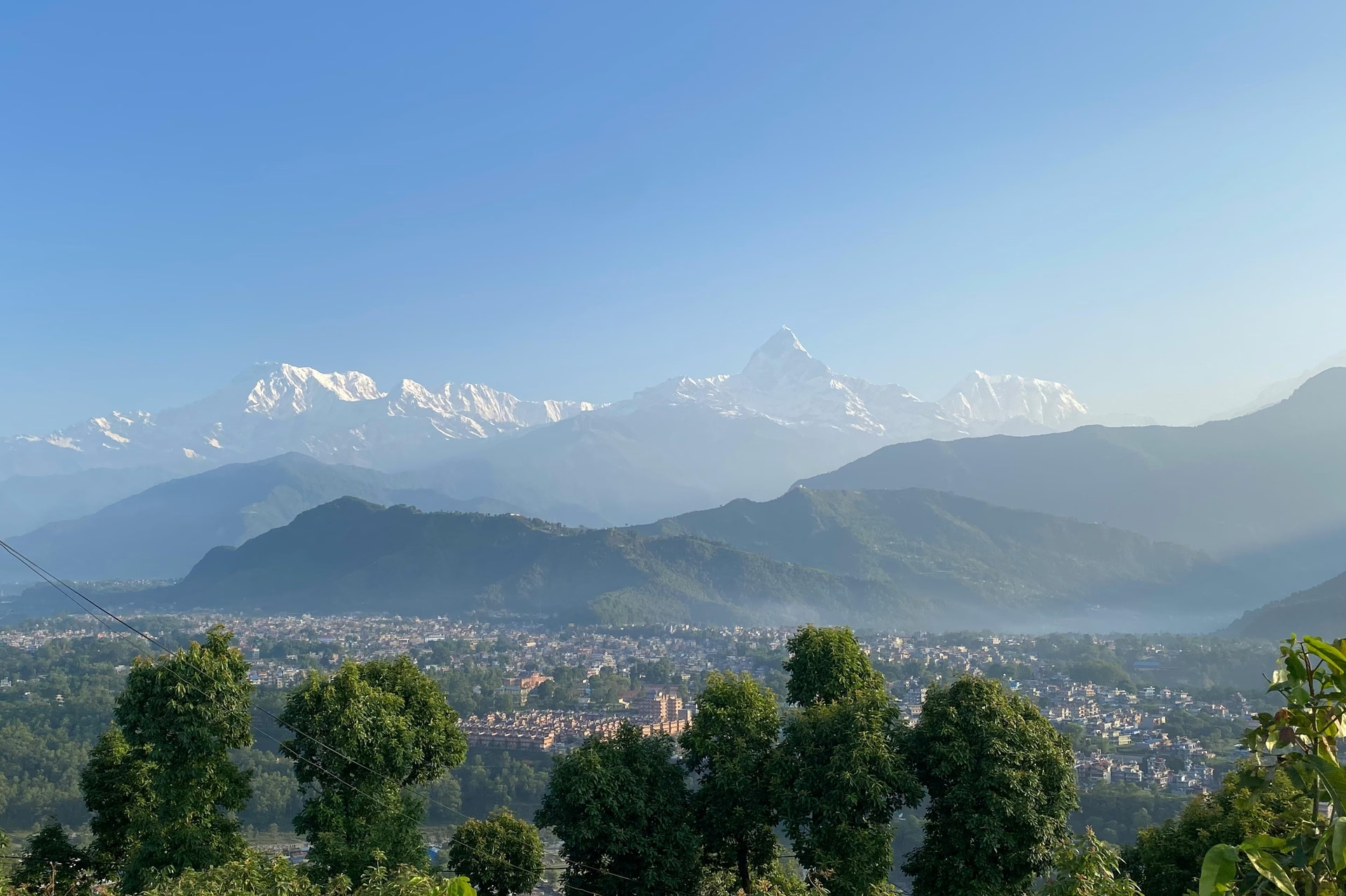
Yes. Pokhara (822 m) is milder than Kathmandu at 6°C to 20°C, with cleaner air, Phewa Lake reflections, and Annapurna and Machapuchare views from Sarangkot. It is also the base for Poon Hill, Mardi Himal, and Annapurna Base Camp.
A Kathmandu–Pokhara flight takes 25 to 30 minutes, and the road along the Prithvi Highway takes 6 to 8 hours. Winter days in Pokhara include lakeside boating, a sunrise visit to the World Peace Pagoda, the International Mountain Museum, and paragliding. Evenings cool fast, and the Annapurna range appears sharpest at 06:30 to 08:30.
What Makes Chitwan National Park Ideal for Winter Travel?
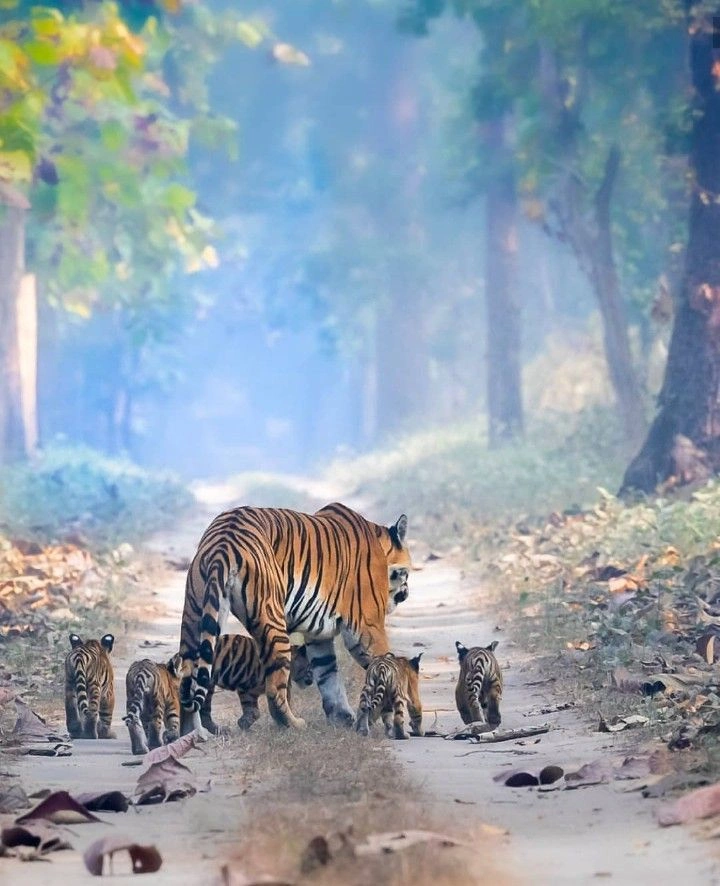
Chitwan's dry winter season delivers the best wildlife viewing of the year. The 2026 national census counted 145 tigers in the Chitwan area (up from 128), while the 2021 census recorded 752 one-horned rhinos across Nepal, with the vast majority in Chitwan. Temperatures run 8°C to 23°C.
According to the Nepal tiger census released on 29 July 2026, Nepal now holds 429 tigers, up from 355 in 2022. Chitwan National Park covers about 952 km² and became a UNESCO World Heritage Site in 1984. It also records more than 500 bird species, including winter migrants on the Rapti River.
January adds an advantage. Local communities cut thatch grass in the buffer zone for roughly 2 weeks, which opens sightlines for safari guides. Fog is the main disadvantage, because dense mornings cut visibility until 09:00 to 10:00. Choose the afternoon jeep safari for better light and warmth, and dress for open-air 10°C. Expect to see rhinos on most safaris. Tiger sightings stay rare, even with 145 animals, because the animals live in dense, vast habitat.
Can You Visit Nagarkot and Dhulikhel for Himalayan Views in Winter?
Yes. Nagarkot (2,175 m) and Dhulikhel (about 1,550 m) sit 32 km and 30 km from Kathmandu and show the Himalaya from Ganesh Himal to Everest on clear winter mornings. Both work as an overnight trip or a half-day excursion.
Nagarkot sunrise arrives around 06:45 in January, and temperatures hover near 0°C before dawn. Sleep at a viewpoint hotel to avoid the pre-dawn drive on frosty roads. Dhulikhel pairs mountain views with the Newar town of Panauti and the Namobuddha monastery hike. Both ridges lie above the valley's pollution layer. Chisapani–Nagarkot also works as a 3-day winter hike (see the beginner trek section below).
Which Himalayan Regions Are Best for Winter Travel?
The 4 best winter Himalayan regions are Annapurna (Poon Hill and Mardi Himal), Everest (up to Namche and Everest View), Langtang, and the Helambu–Kathmandu rim. They combine road or short-flight access, lodges that stay open, and altitude profiles with manageable snow.
Regions with high passes fall off the winter list. Thorong La (5,416 m) on the Annapurna Circuit, Larke La (5,106 m) on the Manaslu Circuit, and the Everest Three Passes (Kongma La at 5,535 m and Cho La at 5,420 m) hold deep snow and −10°C to −15°C nights. Upper Mustang stays open year-round, but it requires a Restricted Area Permit costing $500 for the first 10 days (and $50 per day thereafter), while the bitter cold and closed lodges limit comfort.
A single rule helps with route selection: choose treks whose highest sleeping altitude stays under 4,000 m on a first winter visit. Winter Trekking in Nepal lists 15 routes sorted by altitude and difficulty. The Best Time to Trek in Nepal guide compares winter with spring and autumn.
What Are the Best Winter Treks in Nepal?
The 5 best winter treks are Ghorepani Poon Hill (3,210 m), Mardi Himal (up to 4,500 m), Everest View and Everest Base Camp (5,364 m), Langtang Valley (3,800 m), and short hikes such as Dhampus–Sarangkot and Chisapani–Nagarkot.
The following table compares 5 winter treks by altitude, length, difficulty, and winter verdict:
Trek | Highest point | Typical length | Difficulty | Winter verdict |
Ghorepani Poon Hill | 3,210 m | 4–10 days | Easy | Most dependable winter trek |
Mardi Himal | 4,500 m | 7–10 days | Moderate | Reliable to High Camp (3,580 m) |
Langtang Valley | 3,800 m | 7–11 days | Easy to moderate | Strong, no flight required |
Everest View | ~3,900 m | 7 days | Moderate | Best Everest option for beginners |
Everest Base Camp | 5,364 m | 12–14 days | Moderate to hard | Cold; add buffer days |
Altitude, not distance, drives winter difficulty.
Is Ghorepani Poon Hill Trek Possible in Winter?
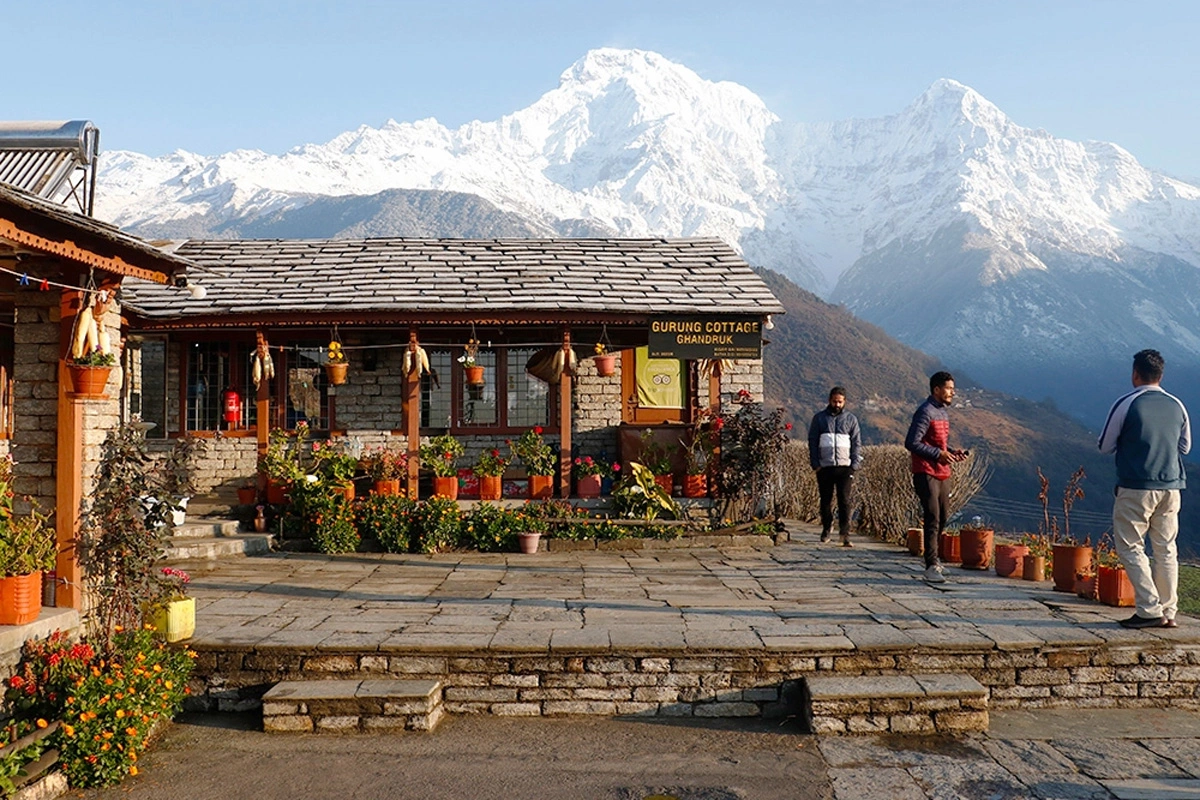
Yes. Ghorepani Poon Hill is Nepal's most dependable winter trek. It starts near Nayapul (about 1,070 m), tops out at 3,210 m, and delivers Dhaulagiri (8,167 m) and Annapurna I (8,091 m) at sunrise with trek-day temperatures of −2°C to 10°C.
Snow settles at Ghorepani (2,874 m) between January and February, and the stone steps above Ulleri ice over in the early morning. Carry microspikes from late December and start the Poon Hill climb at 05:15 with a headlamp, reaching the viewpoint about 40 minutes later. Wind makes the summit feel 5°C to 8°C colder than the lodge, so bring a windproof layer and a warm hat, the 2 items most visitors leave in their bags. Ghorepani lodges keep a stove burning in the dining room from late afternoon. The Ghorepani Poon Hill Trekking itinerary adds Ghandruk for a longer loop.
Can You Do the Mardi Himal Trek in Winter?
Yes, with limits. Mardi Himal is trekkable to High Camp (3,580 m) in most winters, while the final push to Base Camp (4,500 m) depends on snow depth. Night temperatures at height fall to −3°C or lower.
The route climbs a forested ridge past Forest Camp (2,520 m) and Low Camp (3,050 m), then emerges on an open crest beside Machapuchare (6,993 m). Nepali Times has listed Mardi among the Annapurna-region treks that heavy snow can bury in a hard winter. Lodges above Low Camp are basic and fewer in number, so confirm bed availability the day before each leg. A guide matters here, because snow hides the ridge path. Treat the Mardi Himal Trek as a 7- to 10-day trek with 1 flexible day.
Is Everest Base Camp Trek Safe During Winter?
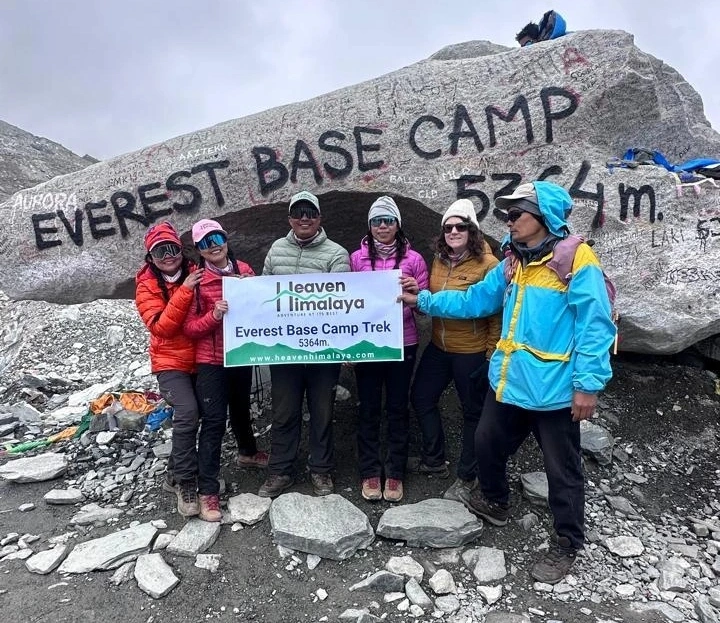
Everest Base Camp is safe for fit, properly equipped trekkers with a guide and 2 buffer days, but it is the most demanding winter trek in Nepal. Nights reach −17°C to −20°C, and daytime highs hover near 0°C at the top. Beginners without cold-weather experience belong on lower routes.
Conditions at 3 altitudes show the pattern: Namche Bazaar (3,440 m) sees −7°C nights and 8°C days, Gorak Shep (5,164 m) sees −18°C nights and 0°C days, and wind chill on Kala Patthar removes another 8°C to 15°C. Snow collects above 4,000 m, mostly around Dingboche, Lobuche, and Gorak Shep. Shaded sections near Thukla and the Lobuche moraine hold hard ice into the afternoon, which makes microspikes and poles standard kit.
Four lodge realities surprise first-timers: rooms have no heating, hot showers stop above Dingboche because pipes freeze, dining-room stoves light around 16:00, and small hamlets such as Pangboche and Pheriche partly close. Khunde Hospital operates year-round, but the Pheriche aid post may be closed in winter.
Flights decide the schedule. Fog and wind at Lukla delay departures, and snow closes the window for 1 to 2 days. Book the international flight home at least 2 days after the planned trek end. Our Everest Base Camp Trek in December 2026 guide covers the month-by-month detail, and the Everest Base Camp Trekking page lists itineraries.
Can You Experience the Langtang Valley Trek in Winter?
Yes. Langtang Valley is a strong winter option. It starts at Syabrubesi (about 1,500 m), ends at Kyanjin Gompa (3,800 m), needs no flight, and sees few trekkers from December to February. Snow covers the upper valley from January.
The 7- to 8-hour road from Kathmandu to Syabrubesi runs most reliably in winter, because monsoon landslides are absent. Without a Lukla-style flight, the trip carries no weather-delay risk at the start. Upper viewpoints such as Kyanjin Ri (4,773 m) and Tserko Ri (4,984 m) turn harder in winter, because snow and ice slow the final ascent, so plan Kyanjin Gompa as the endpoint and treat the peaks as optional. Langtang National Park charges NPR 3,000 (about $23) for entry. Read the Langtang Valley Trekking itinerary for day-by-day stages.
Which Short and Easy Treks Are Suitable for Winter Beginners?
The 4 best beginner winter treks are Dhampus–Sarangkot (3 days, reaching up to 2,060 m at Australian Camp), Chisapani–Nagarkot (3 days, 2,300 m), Helambu (about 9 days, up to roughly 3,500–3,700 m), and a short Poon Hill itinerary (4 to 5 days, 3,210 m). All avoid high-altitude cold.
Dhampus–Sarangkot: Pokhara-based, with Annapurna views and warm daytime temperatures near 15°C.
Chisapani–Nagarkot: Kathmandu-based, with frosty mornings near 0°C and a full Langtang panorama.
Helambu: A Sherpa-Tamang cultural trail with lodges and daytime highs up to 15°C.
Short Poon Hill: A 4- to 5-day version that skips Ghandruk.
Altitude sickness risk stays low on all 4, because sleeping altitudes remain under 3,500 m. Beginners get the best results by starting with a 1-day hike in Kathmandu or Pokhara to test boots, layers, and fitness before committing to the trek.
What Activities Can You Enjoy in Nepal During Winter?
Winter activities in Nepal include 6 options: day hiking, mountain biking, wildlife safaris, paragliding, snow trekking, and helicopter flights over the Himalaya. Clear skies and dry ground make each of them reliable from December to February.
Can You Go Hiking and Mountain Biking in Winter?
Yes. Winter gives dry dirt trails and cold, clear air, which suit day hikes and mountain bike rides around Kathmandu and Pokhara. Frost covers shaded ground until 09:00, so start after sunrise.
Kathmandu Valley hikes include Shivapuri Nagarjun National Park, Champadevi, and the Nagarkot–Chisapani ridge. Phulchoki (2,782 m) is the valley's highest summit and gathers snow in some winters. Mountain bikers ride the valley rim, Nagarkot, Namobuddha, and the Pokhara hills around Sarangkot and Begnas Lake. Frozen puddles and black ice appear in shaded corners, so ride with full-finger gloves, a windproof jacket, and a conservative pace on descents.
Is Wildlife Safari Possible in Nepal During Winter?
Yes. Winter is the best season for jungle safaris in Nepal's Terai. Chitwan, Bardiya, Parsa, Banke, and Shuklaphanta hold 429 tigers according to the 2026 census, and Koshi Tappu hosts migratory waterfowl from November to February.
The 2026 census, based on camera traps run from 31 December to 23 April, recorded these park totals: Chitwan area 145, Bardiya 112 (down from 125), Parsa 71 (up from 41), Banke 51 (up from 25), and Shuklaphanta 50 (up from 36). Koshi Tappu Wildlife Reserve in the east records more than 500 bird species, which makes it the winter choice for birders.
Dress for open-air cold. Early jeeps at 10°C feel close to 0°C at speed, so wear a fleece, windbreaker, hat, and gloves. Fog cuts visibility on December and January mornings, which favors afternoon drives. Our Wildlife Tours page lists safari options. We do not include elephant rides in itineraries, a position that animal-welfare groups such as World Animal Protection support.
Can You Enjoy Paragliding and Adventure Activities in Pokhara?
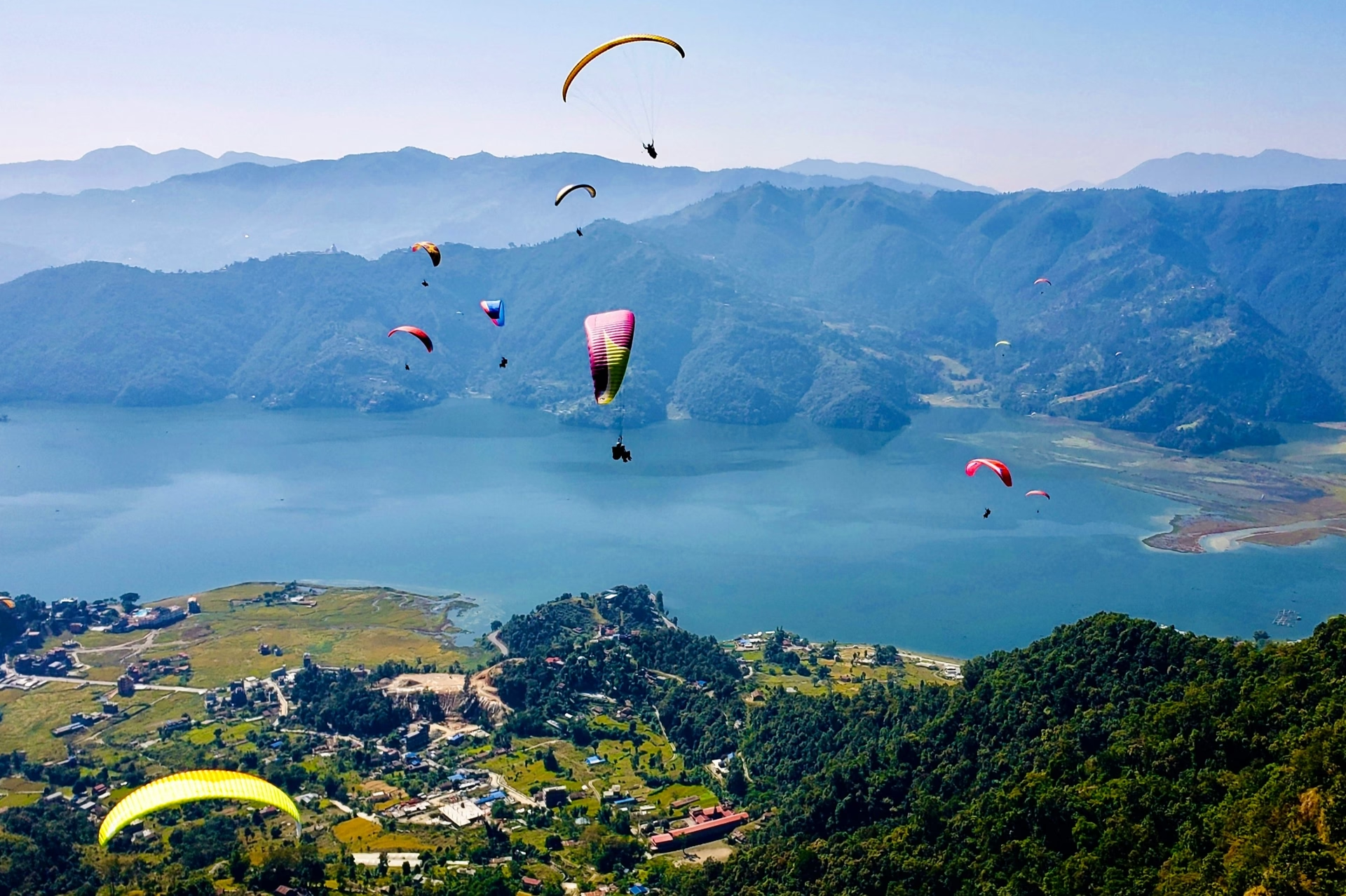
Yes. Paragliding runs through winter in Pokhara, launching from Sarangkot (about 1,590 m) and landing at Lakeside after a 15- to 30-minute flight with Annapurna and Machapuchare in view. Winter sky clarity makes it one of the best seasons to fly.
Weaker thermals in winter shorten flights compared with the pre-monsoon months, and launch times move to late morning, once the sun warms the slope. Launch-site temperatures run 5°C to 8°C, so wear a windproof jacket, gloves, and a warm hat. Fog days cancel flights, and operators decide on the morning of the flight. Choose a certified pilot, check the reserve parachute, and book a fog-buffer day.
Other Pokhara adventures keep running in winter: ultralight flights over Phewa Lake, zip-lining, boating, and cycling around Begnas and Rupa lakes.
Where Can You Experience Snowfall and Snow Activities in Nepal?
Snow is reliable above 2,800 m. The 6 most accessible snow spots are Ghorepani (2,874 m), Namche Bazaar (3,440 m), Muktinath (3,710 m), Kyanjin Gompa (3,800 m), Gosaikunda (4,380 m), and Rara Lake (2,990 m). Snow activities in Nepal center on trekking, photography, and helicopter flights, since Nepal has no developed ski resorts.
Ghorepani: A 2- to 3-day snow experience from Pokhara, with a Poon Hill sunrise.
Namche Bazaar: Everest View itineraries reach this snowy Sherpa capital without a high-altitude push.
Muktinath: A Hindu and Buddhist pilgrimage site where Jomsom–Muktinath trekkers see −9°C to 0°C.
Kyanjin Gompa: A cheese factory and Langtang Lirung views, reached on the Langtang road.
Gosaikunda: A sacred lake system that freezes, and occasionally snows in January.
Rara Lake: Nepal's largest lake, which freezes in cold years.
Travelers with little time choose a helicopter.
What Should You Pack for a Winter Trip to Nepal?
Pack for a 40°C temperature spread: thermal base layers, a down jacket, a windproof shell, insulated gloves, a −15°C sleeping bag, and waterproof boots for the trail, plus light layers for 20°C afternoons in Kathmandu and Pokhara.
The Packing List for Trekking in Nepal page provides a full checklist. The sections below explain the winter-specific changes.
What Clothing Is Essential for Nepal's Winter Weather?
The 6 essential clothing items are merino or synthetic base layers, a fleece mid-layer, a down jacket, a waterproof shell, insulated gloves, and a wool hat. Cotton fails in cold, because it holds moisture and strips body heat.
Base layers: 2 tops and 2 bottoms in merino or synthetic fabric.
Mid-layers: 1 fleece and 1 light insulated vest.
Insulation: 1 down jacket rated 700 to 800 fill for evenings and summit mornings.
Shell: 1 waterproof, windproof jacket and trousers.
Hand protection: liner gloves, insulated gloves, and 1 pair of shell mittens.
Head and neck: 1 wool hat, 1 sun hat, and 1 neck gaiter.
Socks: 3 pairs of wool trekking socks and 1 warm pair for sleeping.
City days need less. Kathmandu evenings fall to 2°C to 5°C, so a fleece, a scarf, and a thin down jacket cover most plans. Add a mask for air quality on traffic-heavy days.
Which Trekking Gear Do You Need for Winter Treks?
Winter treks add 8 items to a standard kit: a −15°C comfort-rated sleeping bag, microspikes, gaiters, trekking poles, a headlamp with spare batteries, an insulated water bottle, Category 4 sunglasses, and SPF 50+ sunscreen.
Microspikes grip ice on Thukla and the Ghorepani steps. Gaiters keep snow out of boots. Cold drains headlamp batteries quickly, so carry spares in an inner pocket. Category 4 sunglasses prevent snow blindness, because ultraviolet exposure rises about 10% for every 1,000 m of altitude, according to the World Health Organization. Waterproof, insulated boots with room for thick socks matter more than any other purchase.
Renting saves money and weight. Thamel shops rent sleeping bags and down jackets for $1 to $3 per day. Lukla flights allow about 15 kg of checked baggage plus 5 kg of hand baggage, so a duffel stays under that limit.
How Can You Protect Yourself From Cold Temperatures and Snow?
Protect yourself from cold with 5 habits: layer early, keep clothes dry, eat every 3 hours, drink 3 to 4 litres of fluid daily, and warm numb fingers or toes at the first sign of numbness.
Frostbite is tissue freezing, and its first signs are numbness, white or waxy skin, and hard, cold patches on fingers, toes, ears, or nose. Hypothermia is a drop in core body temperature, and its first signs are uncontrolled shivering, slurred speech, and clumsy movements. Add a layer when you stop walking, because body heat falls within 5 minutes of a halt.
Night routines matter as much as day routines. Fill a sealed bottle with boiled water and place it in the sleeping bag, store boots and electronics inside the bag to keep them warm, and keep water bottles upside down so ice forms at the base, not the lid. Taps freeze, so drink only boiled or purified water. Ask the lodge about stove ventilation, because a sealed room with a burner carries carbon monoxide risk.
Is Nepal Safe to Visit During Winter?
Yes. Nepal is safe in winter for travelers who plan for cold, altitude, and short days. The 5 main risks are cold injury, altitude sickness, icy trails, flight delays, and Kathmandu air pollution. Licensed guides, insurance with helicopter evacuation, and buffer days reduce all 5.
What Are the Main Winter Travel Risks in Nepal?
The main winter risks are cold injury, altitude sickness, icy trails, flight delays, short daylight, and limited rescue options. Each has a specific fix.
The following table lists 6 winter risks, where they appear, and how to reduce them:
Risk | Where it appears | Mitigation |
Frostbite and hypothermia | Above 4,000 m | Layers, mittens, early stops |
Altitude sickness | Above 3,000 m | Slow ascent, rest days, hydration |
Ice and snow on trails | Shaded slopes, passes | Microspikes, poles, guide |
Flight delays | Lukla, Terai airports | 1–2 buffer days |
Air pollution | Kathmandu | N95 mask, check AQI |
Limited rescue | Remote valleys | Insurance covering helicopter evacuation |
Travel insurance must cover trekking to at least 6,000 m and helicopter evacuation, at a cost of $55 to $160 for a typical trek. Helicopter rescue depends on cloud cover, so a rescue can wait for a weather window.
Rules also change. Trekking agency reports for 2026 describe a licensed-guide requirement for most trekking permits and a digital E-TIMS card that costs NPR 2,000 (about $15). Restricted-area permits require at least 2 trekkers and a guide. Confirm current rules with the Nepal Tourism Board or a registered agency before travel.
How Can You Prevent Altitude Sickness During Winter Treks?
Prevent altitude sickness by ascending slowly: raise your sleeping altitude by 300 to 500 m per day above 3,000 m, take a rest day every 3 to 4 days, drink 3 to 4 litres of fluid daily, and avoid alcohol and sleeping pills above 3,500 m.
According to the Wilderness Medical Society's 2019 clinical practice guidelines, slow ascent and rest days are the most reliable prevention for acute mountain sickness. Symptoms include headache, nausea, dizziness, and fatigue. Severe headache, vomiting, confusion, or breathlessness at rest signal serious illness, and descent is the only reliable treatment. The same guidelines list acetazolamide as a prevention option, and a doctor decides the dose before departure.
Winter changes the picture in 2 ways. Cold suppresses thirst, and dry air increases fluid loss, so dehydration mimics altitude sickness and worsens it. Check pulse-oximeter readings each morning and note the trend. A falling reading alongside rising symptoms calls for descent. Never ascend with symptoms.
How Do Snowfall and Weather Conditions Affect Trekking Routes?
Snow closes high passes such as Thorong La (5,416 m), Larke La (5,106 m), and Cho La (5,420 m), delays Lukla flights by 1 to 2 days, and blocks upper trails for days after heavy storms. Lower sections stay open.
A Nepali Times report from January 2019 described heavy snow that closed the trail between Machapuchare Base Camp and Annapurna Base Camp for about 10 days, and a blockage at Deurali (3,200 m) that led to the helicopter evacuation of about 50 trekkers.
Three habits protect an itinerary. First, check forecasts from the Department of Hydrology and Meteorology and your operator each evening. Second, keep 1 to 2 flexible days in the plan. Third, pick a lower fallback route, such as swapping Annapurna Base Camp for Poon Hill after a heavy storm. Avalanche zones appear on steep slopes after fresh snow, so a guide's local judgment becomes the key safety asset. Our Winter Trekking in Nepal guide covers route options by risk level.
How Can You Plan a Winter Trip to Nepal With Heaven Himalaya?
Planning a winter trip with Heaven Himalaya takes 4 steps: choose a route by altitude and fitness, set dates outside 20 December to 5 January, add 1 to 2 buffer days, and confirm permits, insurance, and gear before departure.
From Heaven Himalaya: Heaven Himalaya Treks & Expedition is a direct local operator based at Gitanjali Chowk, Dathu Sadak, Kathmandu. The company holds a 5.0 rating from 160 Tripadvisor reviews and Travelers' Choice awards for 2021 to 2025. Share your dates, fitness level, and comfort with cold, and the team suggests routes.
Can Heaven Himalaya Arrange Winter Treks and Guided Tours in Nepal?
Yes. Heaven Himalaya arranges winter treks, culture tours, wildlife tours, and helicopter tours in Nepal, with guides, permits, lodging, and transport handled from Kathmandu. The company also operates in Tibet, Bhutan, and India.
Winter itineraries run on these routes: Everest Base Camp, Everest View, Ghorepani Poon Hill, Mardi Himal, Langtang Valley, Annapurna Base Camp, Pikey Peak, Khopra Ridge, Helambu, Langtang–Gosaikunda, Chisapani–Nagarkot, and Gokyo Lake. A Nepal Culture Tour and Wildlife Tours suit travelers who prefer lower altitude.
Talk to a local expert: Message +977 985 1273867 (WhatsApp or Viber) or email info@heavenhimalaya.com. Ask about winter departures, route swaps if snow arrives, and gear rental.
What Are the Key Things to Know Before Visiting Nepal in Winter?
Nepal in winter rewards preparation. The 10 key facts are temperature range, snow line, daylight, air quality, flight buffers, permit rules, gear, altitude pacing, insurance, and crowd timing. Each one shapes the trip.
Temperature range: 2°C to 23°C in the lowlands and cities, −20°C on high trails.
Snow line: Reliable snow above 2,800 m from December to February.
Daylight: About 10.5 hours, with trek days ending by 15:30.
Air quality: Kathmandu often reaches the EPA's unhealthy range, so carry a mask.
Flight buffers: 1 to 2 spare days around Lukla and Terai flights.
Permit rules: Licensed guide, digital E-TIMS, and park fees of about NPR 3,000 ($23) each.
Gear: A −15°C sleeping bag, microspikes, and 3 glove layers.
Altitude pacing: 300 to 500 m of sleeping altitude per day above 3,000 m.
Insurance: Cover to 6,000 m with helicopter evacuation.
Crowd timing: Quiet from 6 January to mid-February, busy from 20 December to 5 January.
First-time winter visitors do best on Ghorepani Poon Hill, Langtang Valley, Everest View, or a Kathmandu–Pokhara–Chitwan circuit. Experienced trekkers add Mardi Himal and Everest Base Camp with buffer days. Nepal in winter delivers its clearest mountains, quietest trails, and calm, dry weather to visitors who respect the cold.