

How Difficult Is the Everest Base Camp Trek?

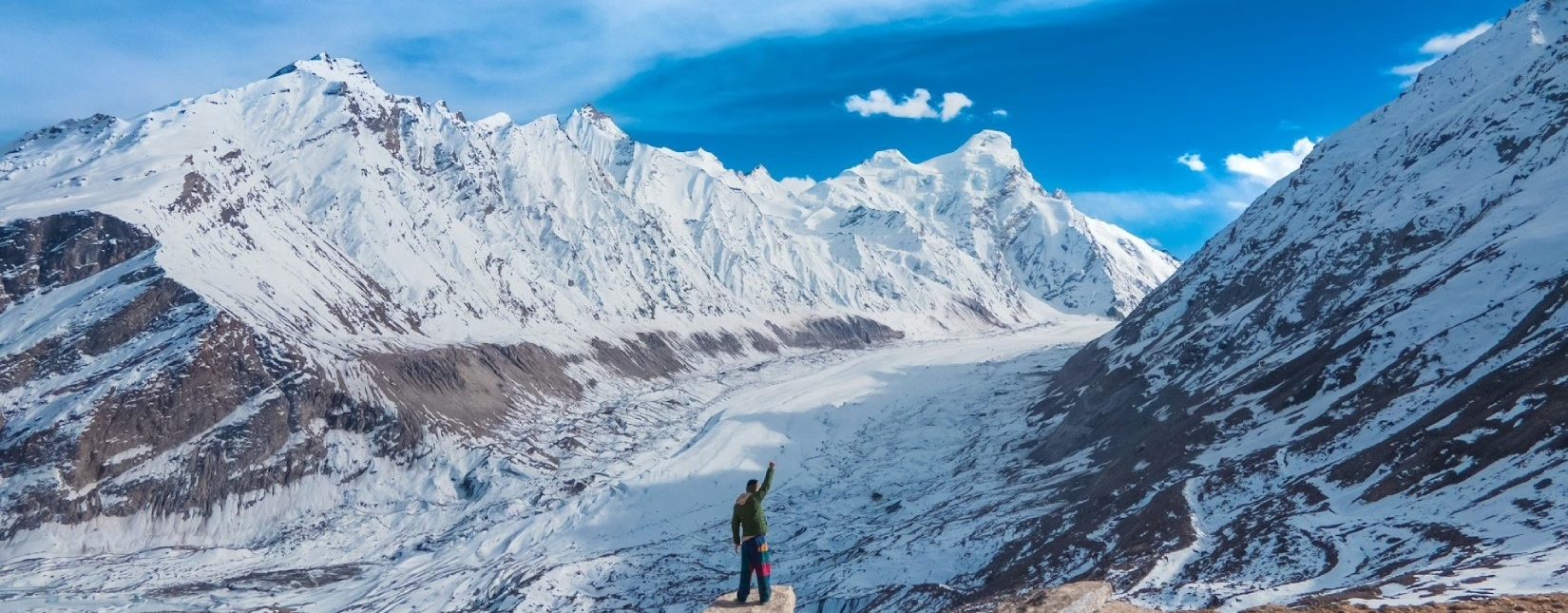
The Everest Base Camp trek is a high-altitude Himalayan adventure in Nepal that combines long-distance walking, steep mountain trails, and challenging elevation gains. Although the route requires no technical climbing skills, reaching Everest Base Camp at 5,364 m (17,598 ft) and Kala Patthar at 5,545 m (18,192 ft) tests physical endurance, cardiovascular fitness, and the body's ability to adapt to low oxygen levels. Daily walks of 5 to 7 hours over 11 consecutive trekking days make altitude acclimatization the biggest factor in determining trek difficulty.
Completing the Everest Base Camp trek requires more than physical strength. A gradual ascent, proper acclimatization at Namche Bazaar and Dingboche, and 12 to 16 weeks of endurance training help reduce altitude-related risks and prepare trekkers for demanding Himalayan terrain. This guide explores the trek's difficulty level, altitude challenges, fitness requirements, daily walking distances, common altitude sickness symptoms, and practical preparation strategies to help beginners and experienced hikers plan a safer journey.
How Difficult Is the Everest Base Camp Trek Overall?
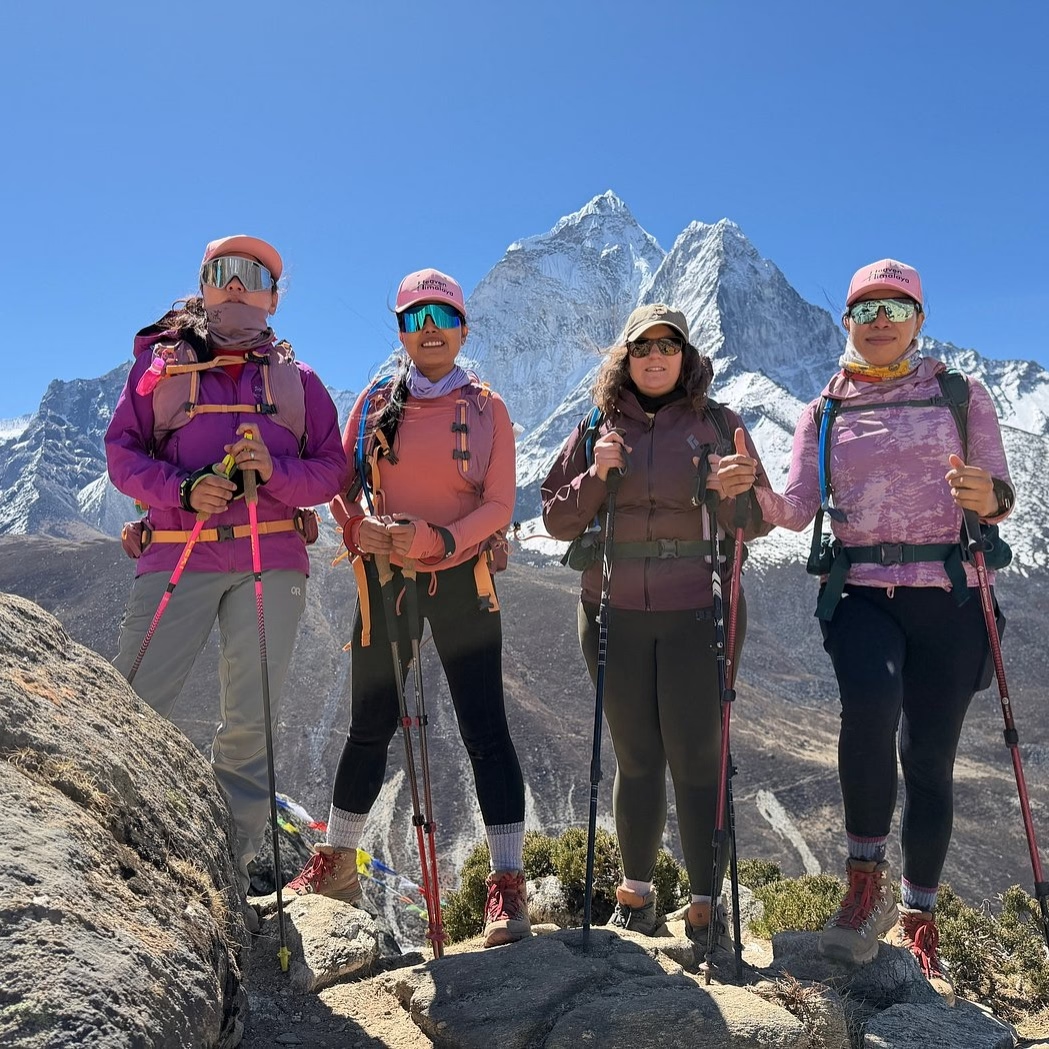
The Everest Base Camp trek is rated moderate to challenging. The path is non-technical and well marked, but altitude above 3,000 m, 5 to 7 walking hours per day, and 11 consecutive trail days test endurance and acclimatization more than muscle strength.
The route has no scrambling, no ropes, and no crampons in the main seasons (March to May and September to November). What it has is sustained exposure. A trekker sleeps above 3,400 m for 9 nights and above 4,000 m for 5 nights.
We see the same pattern every season. Trekkers who walk slowly, drink 3 to 4 litres of fluid daily, and report headaches early finish. Trekkers who race to Namche Bazaar and hide symptoms turn back.
What Is the Difficulty Level of the Everest Base Camp Trek?
The difficulty level is moderate on Heaven Himalaya's grading, with a high altitude score. Technical skill scores 1 out of 5, altitude stress 4 out of 5, and daily endurance 3 out of 5.
The scorecard below rates six difficulty factors from 1 (easy) to 5 (expedition-level). Our guides assigned the scores from itinerary data and trekker feedback.
Factor | Score | Reason |
Technical terrain | 1/5 | Marked trail, no ropes or ice axes in trekking seasons |
Altitude | 4/5 | Air pressure at base camp equals about 51% of sea level |
Daily endurance | 3/5 | 5 to 7 hours daily, 8 hours on base camp day |
Cold | 3/5 | Unheated rooms, nights near -10 to -15 °C above 4,900 m in autumn |
Duration | 3/5 | 11 trail days with basic teahouse lodging |
Logistics | 2/5 | Lukla flight delays, Ramechhap transfers, weather buffers |
The altitude row explains why a marathon runner and a first-time hiker feel similar on summit day. Oxygen availability at 5,364 m is about half of sea level, Fitness changes how much effort the trek costs, not how thin the air is.
How Many Days Does It Take to Complete the Everest Base Camp Trek?
The standard Everest Base Camp trek takes 14 days: 11 trail days from Lukla to Lukla plus 3 Kathmandu days. The route covers about 130 km (80 miles) round trip and includes 2 acclimatization days.
The table below compares 4 itinerary lengths and the trade-off of each.
Itinerary | Total days | Best for | Trade-off |
Standard EBC trek | 14 | Most first-time trekkers | Fixed schedule, no spare days |
Short EBC trek | 11 | Tight schedules, prior altitude experience | Faster ascent raises altitude sickness risk |
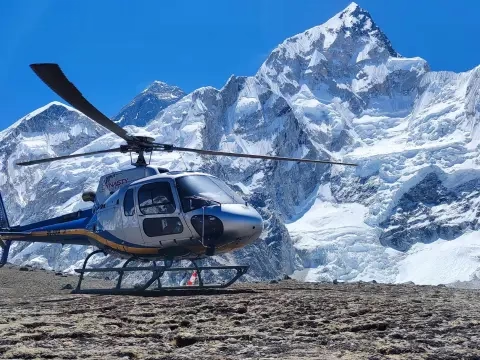
Heli-return trek | 12 to 13 | Knee problems, limited time | Helicopter cost is extra |
Extended with buffer | 16 | Flight delays, cautious acclimatizers | Higher total cost |
Flights set the real calendar. In peak months (March to May and mid-September to November), Lukla flights depart from Manthali Airport in Ramechhap, a 4 to 5 hour drive from Kathmandu. Departures leave between 6 and 9 a.m., so the drive starts in the dark.
Weather cancels flights. Add 1 or 2 buffer days at the end of the trip, especially when an international flight follows the trek. Our Everest Base Camp Short Trek suits trekkers with fewer days, and the extended option suits trekkers who want spare margin.
What Makes the Everest Base Camp Trek Challenging?
Six factors make the Everest Base Camp trek challenging: altitude, duration, cold, rough terrain, basic facilities, and weather-dependent logistics. Altitude dominates the other five.
Altitude: Trekkers climb from 2,840 m at Lukla to 5,545 m at Kala Patthar, so every step delivers less oxygen than the last.
Duration: Trekkers walk 61 to 63 hours across 11 trail days, which builds cumulative fatigue.
Cold: Rooms above Namche have no heating, and nights above 4,900 m fall below freezing in every season.
Terrain: Trekkers cross moraine, steep switchbacks, and steel suspension bridges.
Facilities: Teahouses offer twin rooms, squat toilets above Namche, and paid showers and charging.
Logistics: Flight cancellations and Ramechhap transfers change schedules on short notice.
The trek is hardest at night. Sleep above 4,400 m breaks under cold, headaches, and irregular breathing. Day 3 feels hard, but Days 9 and 10 deliver the real test.
How Does Altitude Affect the Difficulty of the Everest Base Camp Trek?
Altitude raises the difficulty because every step above 3,000 m delivers less oxygen to muscles and brain. At Everest Base Camp, air pressure is about 51% of sea level, so the same pace demands far more effort.
Altitude is height above sea level. Hypoxia is the oxygen shortage that follows. Acclimatization is the process by which the body adapts, through faster breathing, more red blood cells, and shifts in blood chemistry. That process takes days, not hours.
Medical classification places 3,500 to 5,500 m in the "very high altitude" band. Kala Patthar at 5,545 m sits just over the 5,500 m line where extreme altitude begins. Trekkers spend only a few hours there, but the body registers it.
What Is the Maximum Altitude of the Everest Base Camp Trek?
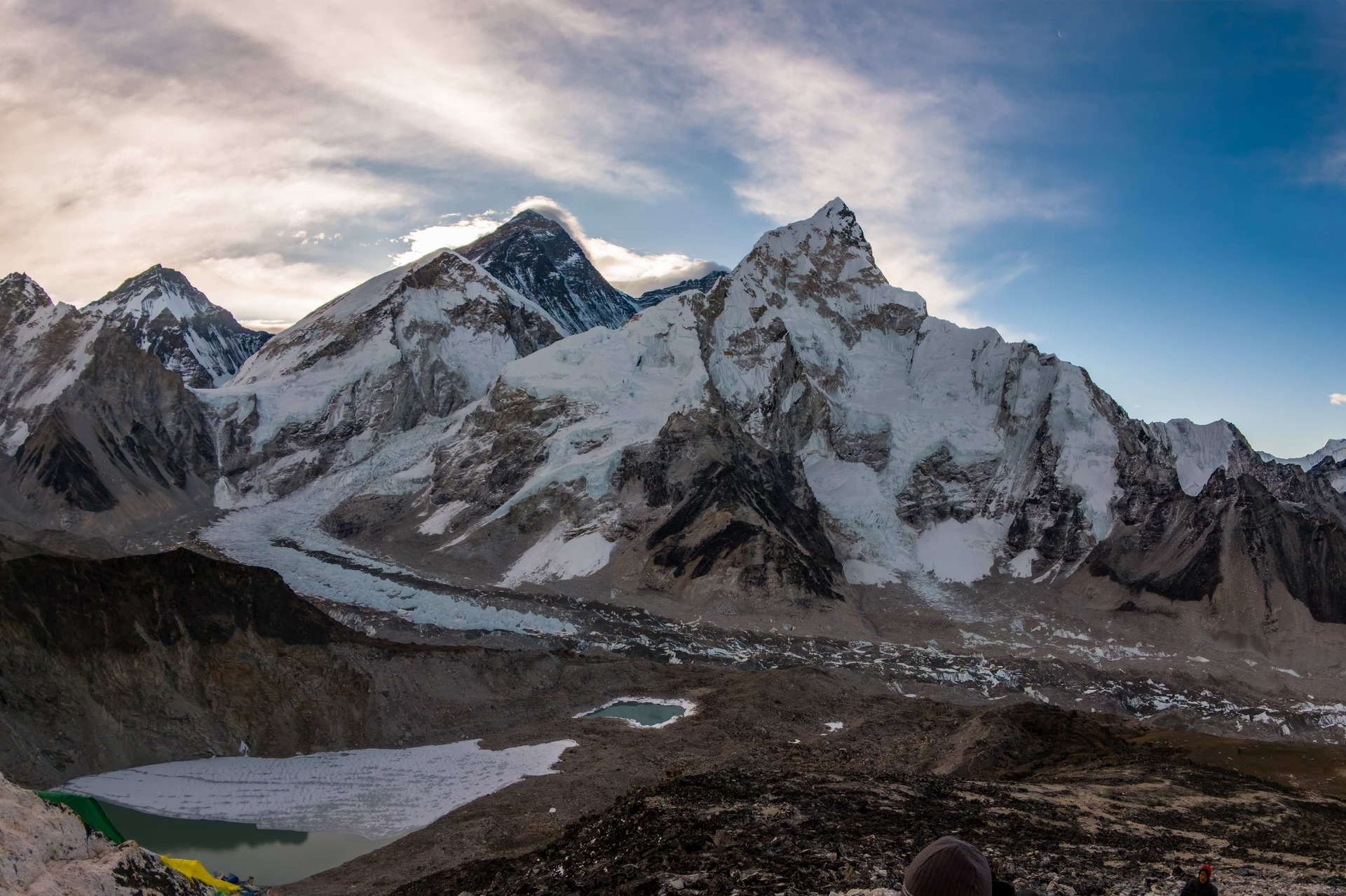
The maximum altitude is 5,545 m (18,192 ft) at Kala Patthar. Everest Base Camp sits at 5,364 m (17,598 ft), Gorakshep at 5,181 m (16,998 ft), and the starting village Lukla at 2,840 m (9,318 ft).
The table below lists every major stop with its altitude and its air pressure as a percentage of sea level, calculated from the standard atmosphere model.
Location | Altitude (m) | Altitude (ft) | Air pressure vs sea level |
Lukla | 2,840 | 9,318 | 71% |
Phakding | 2,610 | 8,563 | 73% |
Namche Bazaar | 3,440 | 11,286 | 65% |
Tengboche | 3,860 | 12,664 | 62% |
Dingboche | 4,410 | 14,469 | 58% |
Lobuche | 4,910 | 16,109 | 54% |
Gorakshep | 5,181 | 16,998 | 52% |
Everest Base Camp | 5,364 | 17,598 | 51% |
Kala Patthar | 5,545 | 18,192 | 50% |
Published altitudes differ by source: Gorakshep appears as 5,164 m or 5,181 m, and some maps list Kala Patthar at 5,644 m. This guide uses the values common on Nepal itineraries.
Trekkers do not sleep at base camp. The highest sleeping altitude is Gorakshep at 5,181 m, and base camp is a 3.5 km round-trip walk from there.
How Does High Altitude Affect Your Body During the Everest Base Camp Trek?
High altitude lowers oxygen pressure in your blood, which triggers faster breathing, a higher resting heart rate, fluid loss, and broken sleep. According to a 2022 study in the International Journal of Environmental Research and Public Health surveying about 350 trekkers on the Everest trail, average oxygen saturation fell from 95.1% at Lukla to 81.6% at Gorakshep (ranging from 78% to 88%). A reading of 82% at 5,181 m is normal. It would signal an emergency at sea level.
The body responds in 5 main ways:
Breathing: Ventilation rate climbs within hours of arrival at altitude.
Heart rate: Resting pulse rises as sleeping altitude increases.
Fluid balance: Dry air and fast breathing dehydrate trekkers, and altitude suppresses thirst.
Sleep: Periodic breathing, a cycle of shallow breaths and pauses, wakes trekkers gasping.
Appetite: Hunger drops, so energy intake falls while energy output stays high.
Our guides read the evening oximeter number alongside symptoms. A low number with no symptoms is acceptable at altitude, and a normal number with confusion still requires descent.
What Are the Common Symptoms of Acute Mountain Sickness (AMS)?
AMS presents as headache plus at least one of 3 other symptoms: gastrointestinal upset (nausea, vomiting, poor appetite), fatigue or weakness, and dizziness. The 2018 Lake Louise Score uses these 4 domains.
Acute mountain sickness (AMS) is the mildest altitude illness. It usually starts 6 to 12 hours after arriving at a new sleeping altitude. Headache is the anchor symptom: without a headache, the Lake Louise Score does not diagnose AMS.
The table below defines 3 severity stages and the matching action.
Stage | Signs | Action |
Mild AMS | Headache, nausea, tiredness, light dizziness | Stop ascending, rest, drink fluids, reassess in 12 to 24 hours |
Moderate to severe AMS | Symptoms worsen at rest, vomiting, severe headache | Descend at least 300 to 1,000 m |
HAPE or HACE | Breathlessness at rest, wet cough, loss of balance, confusion | Emergency descent, oxygen, helicopter evacuation |
HAPE (high altitude pulmonary edema) is fluid in the lungs. HACE (high altitude cerebral edema) is swelling of the brain. Both are rare, and both kill when ignored. A simple field test for HACE is the heel-to-toe line walk: a trekker who cannot walk a straight line needs descent now.
The most common mistake we see is hidden symptoms. Trekkers conceal headaches because they fear being held back. Tell your guide the same evening.
How Can You Prevent Altitude Sickness on the Everest Base Camp Trek?
Prevent altitude sickness by ascending slowly, taking both acclimatization days, drinking 3 to 4 litres of fluid daily, avoiding alcohol, and discussing acetazolamide (125 mg every 12 hours) with a doctor before departure.
According to Wilderness Medical Society guidelines (Luks et al., 2019), gradual ascent is the most effective prevention. According to Basnyat, Lemaster, and Litch (Aviation, Space, and Environmental Medicine, 1999), each extra night spent between Lukla and Pheriche lowered AMS risk by 18.7%. Time protects trekkers better than strength does.
Use these 8 prevention actions:
Follow the planned sleeping profile without shortcuts.
Take both acclimatization days at Namche Bazaar and Dingboche.
Drink 3 to 4 litres of fluid daily, including tea and soup.
Eat carbohydrate-rich meals such as dal bhat, even when appetite drops.
Skip alcohol and sleeping pills, which depress breathing at night.
Walk at a pace that keeps full sentences possible.
Ask a doctor about acetazolamide at least 4 weeks before departure.
Report every symptom to your guide the same evening.
Acetazolamide speeds acclimatization, and the Wilderness Medical Society lists 125 mg every 12 hours as the preventive adult dose. It is a prescription medicine with side effects such as tingling fingers and frequent urination. Only a doctor who knows your history decides if it fits you.
Fitness does not prevent AMS. According to Dr. Buddha Basnyat of the Himalayan Rescue Association, ascent rate decides who gets sick, not fitness, age, or gender.
Why Are Acclimatization Days Important at Namche Bazaar and Dingboche?
Acclimatization days at Namche Bazaar (3,440 m) and Dingboche (4,410 m) give your body 24 hours to raise breathing rate, red blood cell output, and fluid balance before the next gain. Skipping either day removes the strongest AMS control in the itinerary.
Namche follows the largest sleeping gain on the route: +830 m from Phakding. Dingboche sits below the 5,000 m threshold, where Lobuche (4,910 m) and Gorakshep (5,181 m) wait. The Himalayan Rescue Association runs an aid post at Pheriche (4,240 m), one valley away, because altitude illness peaks in this zone.
Both rest days follow the "climb high, sleep low" rule. At Namche, trekkers hike to the Everest View Hotel (3,962 m, a 522 m gain) and return to sleep at 3,440 m. At Dingboche, trekkers hike toward Nagerjun Hill (about 5,100 m) and sleep back at 4,410 m.
Three habits make a rest day work:
Walk for 3 to 4 hours, because light activity stimulates breathing better than lying in bed.
Drink fluids at every stop.
Return to the teahouse before afternoon cloud and cold arrive.
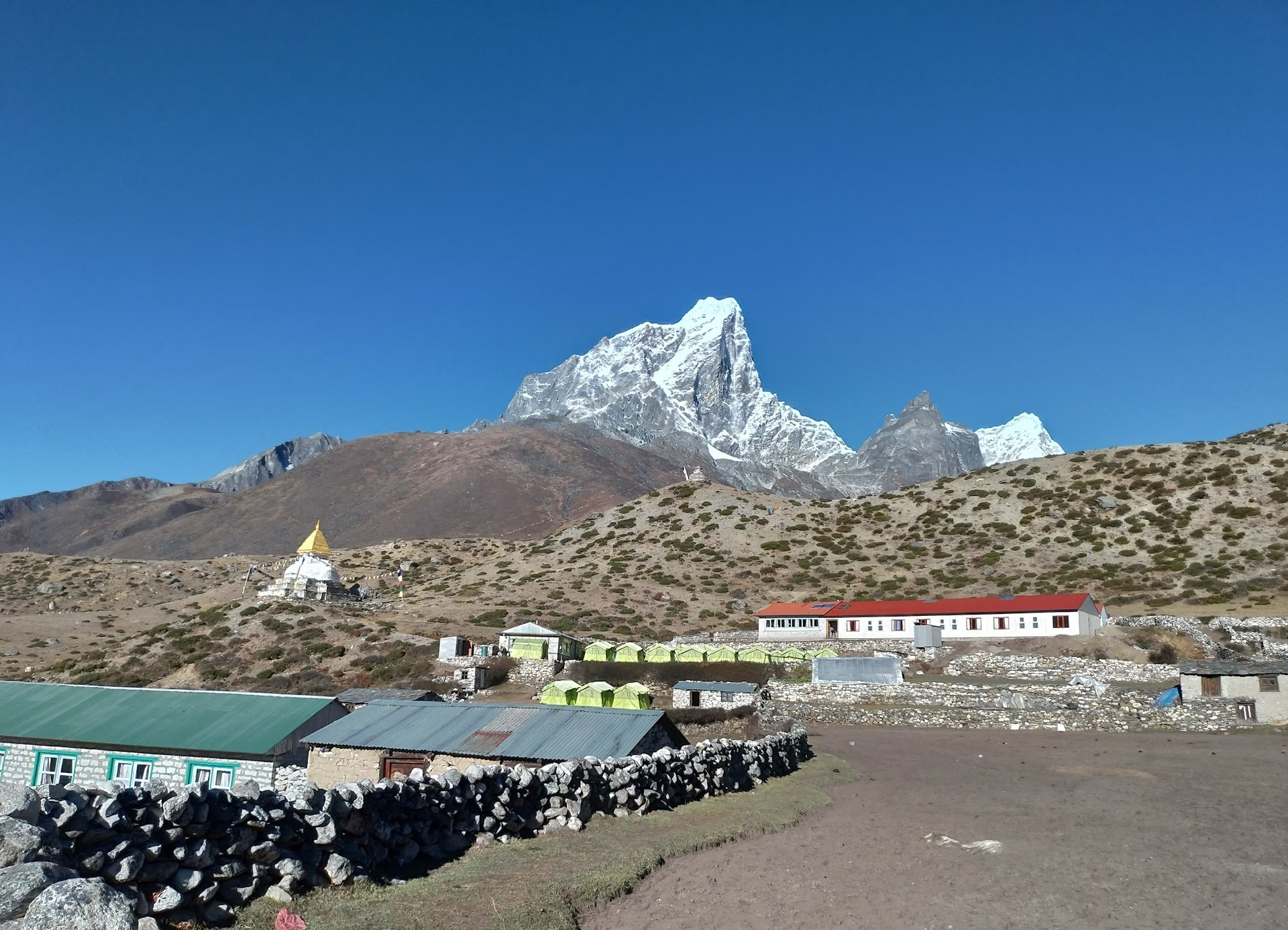
Acclimatiztion at Dingboche at 4,410m
How Quickly Should You Ascend During the Everest Base Camp Trek?
Ascend no more than 500 m (1,640 ft) in sleeping altitude per day above 3,000 m, and add 1 rest day every 3 to 4 days or per 1,000 m gained. The standard 14-day itinerary averages 514 m per ascent night with 2 rest days.
According to the Wilderness Medical Society (Luks et al., 2019), the 500 m rule governs sleeping altitude, not the altitude reached during the day. The table below applies that rule to the Heaven Himalaya 14-day itinerary.
Night | Sleeping place | Altitude (m) | Gain vs previous night |
2 | Phakding | 2,610 | Arrival by flight, below the 2,750 m single-day limit |
3 | Namche Bazaar | 3,440 | +830 m |
4 | Namche Bazaar (rest day) | 3,440 | 0 m |
5 | Tengboche | 3,860 | +420 m |
6 | Dingboche | 4,410 | +550 m |
7 | Dingboche (rest day) | 4,410 | 0 m |
8 | Lobuche | 4,910 | +500 m |
9 | Gorakshep | 5,181 | +271 m |
Two nights exceed the 500 m guideline: Namche (+830 m) and Dingboche (+550 m). Each is followed by a full rest day, which offsets the gain. Gorakshep adds only 271 m, a gentle step before the highest day.
The first night is deliberate. Trekkers land at Lukla (2,840 m) and walk down to Phakding (2,610 m), which keeps the first sleeping altitude below the 2,750 m threshold the guidelines flag for single-day gains.
Trekkers with a history of altitude illness add a buffer day before Lobuche. The 16-day extended option builds that day in. Nepali guides say "bistari, bistari," meaning slowly, slowly, and the phrase is sound medical advice.
How Fit Do You Need to Be for the Everest Base Camp Trek?
The Everest Base Camp trek requires moderate to good aerobic fitness. The benchmark is walking 5 to 7 hours daily for 11 consecutive days with a light daypack, including one climb of about 830 m.
Fitness lowers perceived effort and delays fatigue, but it does not control altitude sickness. A hill walker who paces well beats a runner who sprints to Namche.
What Level of Physical Fitness Is Required for Everest Base Camp?
The required fitness level is the ability to hike 5 to 7 hours on consecutive days at a steady, conversational pace. A practical test: complete a 6-hour hill hike with a 6 kg pack, then repeat it the next day.
Use these 4 benchmarks to check readiness 4 weeks before departure:
Hike 6 hours with 600 to 800 m of ascent while carrying 5 to 6 kg.
Repeat a 4-hour hike on the next day without joint pain.
Climb stairs or an incline for 45 minutes at a pace that allows speech.
Recover to normal breathing within 2 minutes after a steep 5-minute climb.
According to the World Health Organization, healthy adults require at least 150 minutes of moderate aerobic activity weekly. Trekkers preparing for EBC exceed that baseline during weeks 5 to 12 of training.
Consult a doctor before booking when you are over 50, have heart or lung disease, high blood pressure, anemia, or sleep apnea, or are pregnant. Medical clearance costs one appointment and removes the largest unknown.
How Many Hours Do You Walk Each Day for Everest Base Camp Trek?
You walk 5 to 7 hours on most days, 8 hours on base camp day (Day 9), and 3 to 4 hours on the 2 acclimatization days. Total walking time across 11 trail days is 61 to 63 hours.
The table below shows walking time and relative effort for each trail day of the 14-day itinerary. Effort scores run from 1 (light) to 5 (hardest).
Day | Route | Walking time | Effort |
2 | Lukla to Phakding | 4 hours | 2/5 |
3 | Phakding to Namche Bazaar | 6 hours | 4/5 |
4 | Namche acclimatization hike | 3 to 4 hours | 2/5 |
5 | Namche to Tengboche | 5 hours | 3/5 |
6 | Tengboche to Dingboche | 5 hours | 3/5 |
7 | Dingboche acclimatization hike | 4 to 5 hours | 2/5 |
8 | Dingboche to Lobuche | 5 hours | 3/5 |
9 | Lobuche to Gorakshep and base camp | 8 hours | 5/5 |
10 | Gorakshep to Kala Patthar and Pheriche | 7 hours | 5/5 |
11 | Pheriche to Namche Bazaar | 7 hours | 4/5 |
12 | Namche Bazaar to Lukla | 7 hours | 4/5 |
Days 10 to 12 stack 21 walking hours in 3 days, the longest consecutive stretch of the trek. Trekkers arrive there already tired, and the descent hits knees and quadriceps hard.
The listed hours exclude lunch and photo stops. Add 1 to 2 hours, so a typical day runs 7 to 9 hours from teahouse door to teahouse door.
How Much Stamina Do You Need for Daily Trekking in Everest Base Camp Trek?
Stamina for the Everest Base Camp trek means sustaining low-intensity effort at 60 to 70% of maximum heart rate for 6 hours, repeated for 11 days. Aerobic base matters more than sprint speed or gym strength.
Timeline data from our 14-day itinerary shows trekkers cover 1.6 to 2.3 km per hour. That slow pace is the point. Slow walking keeps heart rate in the aerobic zone, where fat fuels the effort and breathing stays controlled.
Eat on schedule even when hunger disappears. A snack every 90 minutes, such as nuts, chocolate, or dried fruit, protects energy better than a large lunch alone.
Can Beginners Complete the Everest Base Camp Trek?
Yes, beginners complete the Everest Base Camp trek every season. The route requires no mountaineering skills, and guides, porters, and teahouse lodging remove logistics risk. Success depends on 12 to 16 weeks of preparation and a slow pace.
In the 2022 study of about 350 trekkers, 7% traveled alone, the average group size was 5.2 people, and the mean ascent to Gorakshep took 8.3 days. Only 51% took at least one acclimatization rest day, which shows that about half of trekkers skip the single most protective habit.
Can You Trek to Everest Base Camp Without Previous Hiking Experience?
Yes, you can trek to Everest Base Camp without previous hiking experience when you train 12 to 16 weeks, practice with trekking poles, and break in boots before departure. Experience reduces anxiety, and preparation reduces risk.
First-time trekkers repeat 5 mistakes: wearing new boots, overpacking the daypack, starting day 1 too fast, wearing cotton layers, and ignoring altitude education. Each one is avoidable with 3 practice hikes of at least 4 hours in the exact boots, socks, and layers you plan to wear.
Practice teaches skills a gym cannot: pole technique, layering at different temperatures, pacing on steep ground, and descending without sliding. Trekkers from flat regions, such as the Netherlands, Singapore, or Florida, replace hills with stair climbers, treadmill inclines of 10 to 15%, and stadium steps.
How Should You Train for the Everest Base Camp Trek?
Train for the Everest Base Camp trek by building 3 capacities: aerobic endurance, leg strength, and downhill resilience. A 12 to 16 week plan with 4 to 5 weekly sessions and loaded weekend hikes prepares most healthy adults.
Training aims at the trek's real demands: 6-hour days, stairs and switchbacks, back-to-back effort, and long descents. Gym fitness alone leaves gaps, and weekend hikes fill them. Our Everest Base Camp Trek training plan expands on the schedule below.
How Many Weeks Should You Train Before the Everest Base Camp Trek?
Train 12 to 16 weeks before departure. Start 16 weeks out when you exercise fewer than 2 times weekly, and 12 weeks out when you already hike, run, or cycle regularly.
The table below defines 3 training phases with weekly targets.
Phase | Weeks | Cardio | Strength | Weekend hike |
Base | 1 to 4 | 3 sessions, 45 minutes | 2 sessions | 2 to 3 hours, light pack |
Build | 5 to 8 | 4 sessions, 45 to 60 minutes | 2 sessions | 3 to 5 hours, 5 kg pack |
Peak | 9 to 12 | 4 sessions, 60 minutes | 2 sessions (maintenance) | Back-to-back days: 5 to 6 hours, then 3 to 4 hours, 6 to 7 kg |
Add a 4-week base phase at the front for a 16-week plan. Reduce volume by 40% during the final 7 to 10 days so legs arrive fresh.
What Are the Best Cardio Exercises for Everest Base Camp Preparation?
The best cardio exercises for Everest Base Camp preparation are incline walking, stair climbing, hiking, cycling, and trail running. Each builds the aerobic base for 6-hour days at 60 to 70% of maximum heart rate.
Hiking: Walk hills with a loaded pack once per week, since no machine matches real terrain.
Incline walking: Use a treadmill at 10 to 12% incline for 60 minutes at a conversational pace.
Stair climbing: Climb stairs for 45 minutes with a 6 kg pack, twice weekly.
Cycling: Ride 90 minutes at an easy pace to add volume with less joint impact.
Trail running: Run 30 to 45 minutes on hills to raise aerobic capacity.
Apply the talk test to every session. You complete full sentences while breathing hard but steady. Sessions that leave you gasping build speed, not endurance.
How Can Strength Training Improve Your Trekking Performance?
Strength training improves trekking performance by strengthening quadriceps, glutes, hamstrings, calves, and core, which absorb downhill impact and drive uphill steps. Train 2 sessions weekly with squats, lunges, step-ups, deadlifts, calf raises, and planks.
Descent injuries end more treks than ascent fatigue. Strong thighs and hips protect knees across the 2,341 m drop from Gorakshep to Lukla over 3 days.
Use this 6-exercise routine:
Perform step-ups, 3 sets of 12 per leg, holding 8 kg.
Lower slowly into reverse lunges, 3 sets of 10 per leg, with a 3-second descent.
Complete goblet squats, 3 sets of 12.
Lift Romanian deadlifts, 3 sets of 8.
Raise calves on a step, 3 sets of 15.
Hold planks, 3 sets of 45 seconds.
Slow lowering phases, called eccentric training, copy the braking work of downhill walking. Trekking poles shift load to the arms and cut impact on the knees, so practice with them during every training hike.
How Can You Build Stamina for Long Uphill and Downhill Walks?
Build stamina with progressive weekend hikes: add 30 to 45 minutes every 2 weeks until you complete a 6-hour hike with 700 to 1,000 m of ascent and descent, then repeat it the next day.
Back-to-back days matter most. The trek never gives a rest after Day 4, and your body must learn to recover overnight. Hike on Saturday and Sunday, not once for double the length.
Four details separate good stamina training from average:
Carry the pack weight you will carry on the trail, from 5 kg early to 7 kg late.
Wear the boots and socks you will wear in Nepal.
Rehearse eating and drinking on the move, every 90 minutes.
Walk downhill slowly on purpose, with short steps and bent knees.
What Role Does Mental Fitness Play in Completing the Everest Base Camp Trek?
Mental fitness decides whether trekkers push through cold nights, poor sleep, and the 8-hour base camp day. Build it by setting daily micro-goals, rehearsing discomfort, and accepting that turning back is a valid decision.
In our groups, turnaround decisions cluster at Dingboche and Lobuche. Sleep loss and cold drive those decisions more often than leg fatigue.
Prepare mentally with 4 habits:
Break each day into 3 segments, such as a morning climb, lunch, and an afternoon walk.
Rehearse discomfort by training in rain, wind, and early morning cold.
Expect basic lodging, cold rooms, and limited showers before arrival.
Decide in advance who you will tell, and when, if symptoms start.
Trekkers who agree on a turnaround rule with their guide before the trek decide more clearly at 4,900 m. Reaching base camp is optional. Returning healthy is not.
What Physical and Environmental Challenges Should You Expect on the Everest Base Camp Trek?
Expect 5 challenges: steep ascents and long descents, cold nights, rocky paths with suspension bridges, pack weight, and altitude-driven exhaustion. Each is manageable with correct gear, pacing, and daily routine.
The sections below cover each challenge with numbers and tactics from the 2026 season.
How Difficult Are Steep Ascents and Descents of Everest Base Camp Trek?
Steep ascents challenge the lungs, and steep descents challenge the knees. The hardest ascent is Phakding to Namche (+830 m, 6 hours), and the hardest descent run is Gorakshep to Lukla over Days 10 to 12 (-2,341 m).
The Namche climb ends with a roughly 2-hour grind above the Hillary suspension bridge. Trekkers rise 830 m in sleeping altitude, and that is the first real test. Pace controls it: short steps, steady breathing, and stops every 20 to 30 minutes.
The trail between Namche and Tengboche dips to about 3,250 m at Phungi Thanga before climbing to 3,860 m. Profiles on maps hide these dips, so real vertical gain per day exceeds the net numbers.
Descents punish the knees on Days 10, 11, and 12. Gorakshep to Pheriche drops 941 m, Pheriche to Namche drops 800 m, and Namche to Lukla drops 600 m. Use poles, shorten your stride, and keep knees slightly bent.
How Do Cold Weather and Changing Temperatures Affect EBC Trekking Difficulty?
Cold affects trek difficulty most at night above 4,400 m, where rooms have no heating and temperatures fall to around -10 to -15 °C in autumn. Winter lows reach -17 °C or colder.
Manage cold with a 3-layer system and these steps:
Wear a moisture-wicking base layer, a fleece mid-layer, and a windproof shell by day.
Pack a down jacket with a rating suited to -15 °C for evenings and the Kala Patthar start.
Sleep in a sleeping bag rated for -15 to -20 °C, plus a thermal liner.
Keep a bottle of hot water in the bag at night, a trick our guides arrange for guests.
Keep phone and power bank batteries inside your sleeping bag.
Season changes the picture. Spring (March to May) and autumn (September to November) offer stable skies, and winter adds ice and wind. Our best time to trek Everest Base Camp guide compares the months.
How Challenging Are Rocky Trails, Suspension Bridges, and Uneven Paths?
Rocky trails demand ankle stability and careful foot placement, and suspension bridges demand calm and trail etiquette. Expect loose moraine near the Khumbu Glacier and several steel-cable bridges between Lukla and Namche.
Bridge etiquette is simple. Yak and dzopkyo (yak-cow hybrid) trains have right of way, so wait on the uphill side of the trail and let them pass. On a bridge, stay on the right and keep a hand on the cable. Trekkers with a fear of heights walk behind the guide and look at the far end, not the water.
Above Lobuche, the path crosses moraine, a loose mix of rock, gravel, and ice left by glaciers. The walk from Gorakshep to base camp covers about 3.5 km each way over this surface. Ankle sprains happen here when trekkers walk tired and fast.
Wear stiff-soled, ankle-supporting boots that you have worn for at least 50 km. In winter and early spring, microspikes help on icy sections above Lobuche.
How Heavy Should Your Backpack Be During the Everest Base Camp Trek?
Carry a daypack of 5 to 7 kg (11 to 15 lb) on the trail. Your porter carries the duffel, and Lukla airlines cap total baggage at 15 kg: 10 kg checked and 5 kg hand baggage.
Our porters carry one duffel for every 2 trekkers, so each trekker's duffel stays at 10 kg or less. Excess baggage on the Lukla sector costs roughly $1 to $3 per extra kilogram, and overweight bags can travel on a later flight.
Fill the daypack with these items:
Carry 1.5 to 2 litres of water or an insulated bottle.
Pack a down jacket and a rain shell.
Add sunscreen, a hat, sunglasses, and lip balm.
Stow snacks, personal medication, and a small first-aid kit.
Bring a camera or phone, gloves, and a spare buff.
Weigh your packed daypack at home. Every extra kilogram carried at 4,900 m costs more energy than it does at sea level, so cut anything unused in training. The Trekking Packing List sorts the duffel from the daypack.
Does Trekking at High Altitude Make Walking More Exhausting?
Yes. Walking at 4,900 m is more exhausting than at 2,800 m because each breath delivers about 54% of sea-level oxygen pressure instead of 71%. Pace falls to 1.6 to 2.3 km per hour.
A pace that feels easy at Lukla leaves trekkers breathless at Lobuche. Oxygen saturation falls from 95% to about 82% over the same trail, so muscles work harder for the same output. Breathlessness on steep ground at 5,000 m is normal and not a sign of weakness.
Four techniques cut the effort:
Use the rest-step: pause for one second with the weight on your back leg on each uphill step.
Breathe out forcefully so incoming air carries more oxygen.
Stop for 1 minute every 20 to 30 minutes, not 10 minutes every hour.
Lower the pace before breathing turns ragged, not after.
How Can You Make the Everest Base Camp Trek Easier and Safer with Heaven Himalaya?
Heaven Himalaya makes the trek easier and safer with a 14-day itinerary that includes 2 acclimatization days, licensed local guides, a pulse oximeter, a guide-carried medical kit, and one porter for every 2 trekkers.
We are a locally owned trekking company based in Kathmandu, and we have guided more than 1,000 EBC trekkers. Our design choices target the difficulty factors above:
Pacing: The itinerary follows the sleeping-altitude profile in this guide, with rest days at Namche and Dingboche.
Monitoring: Guides check oxygen saturation with an oximeter and read it alongside symptoms.
Load: One porter carries duffels for 2 trekkers, so you walk with a light daypack.
Gear: We arrange sleeping bags, down jackets, and duffels for hire or loan.
Flexibility: We add buffer days, extend the trip, or arrange a helicopter return on request.
Clients describe the guide's attention as the biggest difference. A solo traveler in May 2026 wrote that her guide checked on her constantly as the group gained altitude and arranged hot water on the coldest nights. Another May 2026 trekker called the climb hard but worth every step.
Honest limits apply. No guide changes human altitude physiology, and no guide controls weather. Helicopter flights and extra weather days are not included in the base price, and your travel insurance must cover emergency evacuation up to 6,000 m.
Compare options for your fitness and schedule. The Everest Base Camp Trek (14 days) runs from US$1,199 per person in large groups to US$1,580 solo, with US$1,499 per person for 2 to 4 trekkers. The Everest Base Camp Trek with helicopter return and the Everest Base Camp Luxury Trek cover other comfort and time needs.
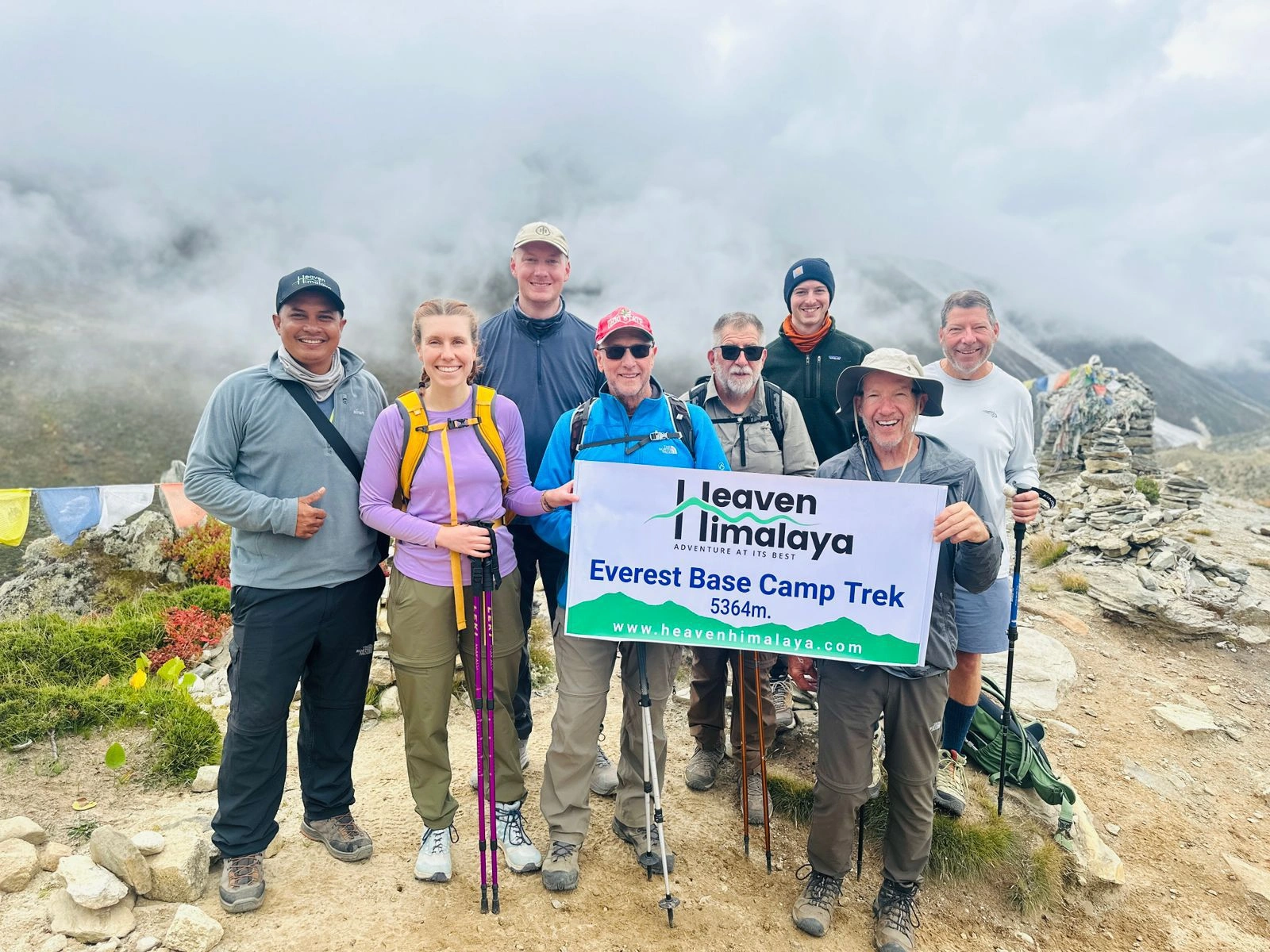
Can Heaven Himalaya Help You Prepare for Altitude and Fitness Challenges on the Everest Base Camp Trek?
Yes. Heaven Himalaya prepares trekkers before departure with a published training plan, gear guidance, itinerary changes by fitness level, and direct WhatsApp contact with our Kathmandu team.
Preparation starts at booking. Share your age, current activity level, previous altitude experience, and travel dates, and our team recommends the standard, short, extended, or heli-return route. Trekkers with medical conditions receive a prompt to see a doctor before paying.
Three preparation steps run before you fly:
Read the training plan and set your 12 to 16 week start date.
Review the packing list and test every layer on a practice hike.
Confirm that your travel insurance covers evacuation up to 6,000 m.
Talk to the team. Message Ram on WhatsApp at +977 985 1273867, email info@heavenhimalaya.com. Our office is at Gitanjali Chowk, Dathu Sadak, Kathmandu, Nepal.
What Are the Key Takeaways About Everest Base Camp Trek Difficulty, Altitude, and Fitness?
Everest Base Camp trek difficulty is moderate in technical terms and high in altitude terms. Success rests on 5 controls: slow ascent, 2 acclimatization days, 12 to 16 weeks of training, correct gear, and early symptom reporting.
Use these 9 takeaways as a final checklist:
Plan 14 days minimum, and add 1 to 2 buffer days for Lukla flight delays.
Respect the maximum altitude of 5,545 m at Kala Patthar and the highest sleeping altitude of 5,181 m at Gorakshep.
Expect air pressure of about 51% of sea level at base camp, whatever your fitness.
Keep sleeping-altitude gains near 500 m per night above 3,000 m.
Take both rest days, at Namche Bazaar and Dingboche.
Recognize AMS as headache plus nausea, fatigue, or dizziness, and report it the same evening.
Train for 12 to 16 weeks with back-to-back loaded hikes and downhill work.
Keep the daypack at 5 to 7 kg and the duffel at 10 kg.
Plan for cold: nights near -10 to -15 °C above 4,900 m in autumn.
Altitude and fitness work together on this trek. Training builds the legs and lungs, and slow acclimatization protects the body at 5,000 m. Trekkers who prepare both reach Everest Base Camp with energy left to enjoy it.