

10 Most Beautiful Places to Visit in Nepal

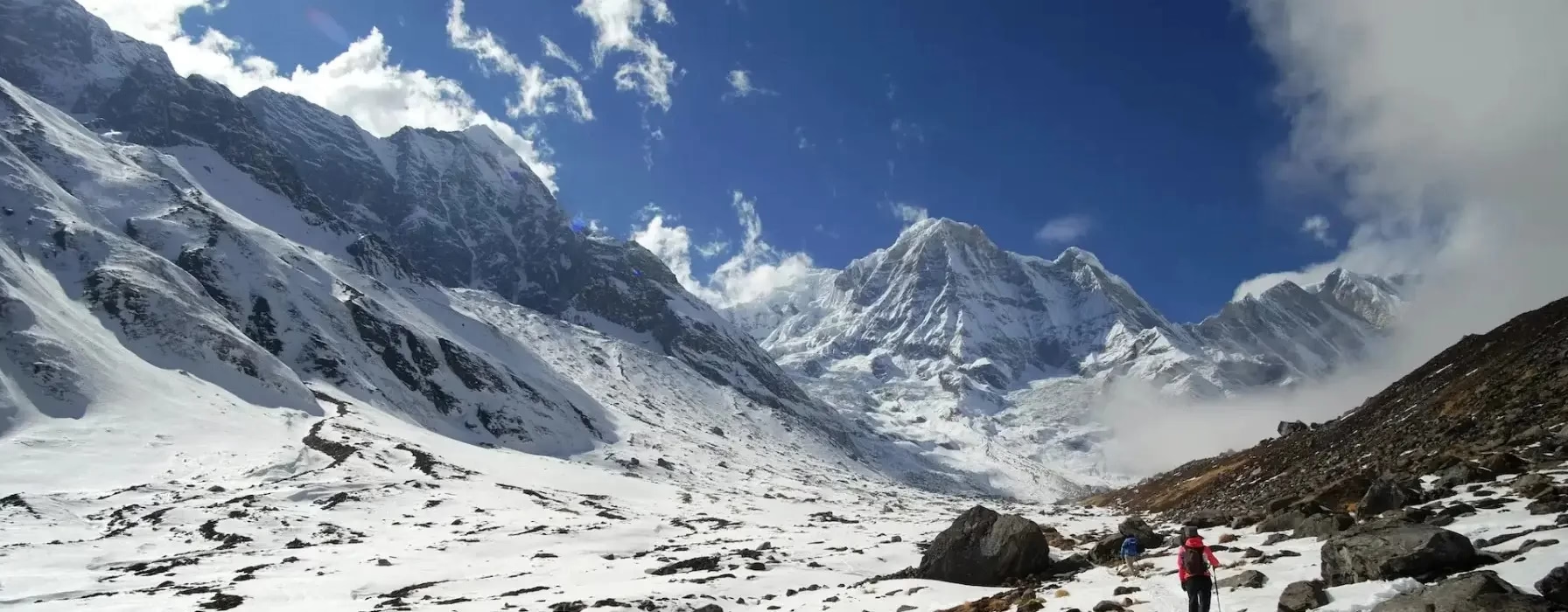
Nepal is a Himalayan country known for dramatic mountain landscapes, ancient cities, Buddhist and Hindu heritage, diverse wildlife, alpine lakes, tea-covered hills, and high-altitude desert valleys. The 10 beautiful places to visit in Nepal covered in this guide are Kathmandu Valley, Pokhara, the Everest Region, the Annapurna Region, Chitwan National Park, Lumbini, Rara Lake, Ilam, Bandipur, and Upper Mustang.
Each destination offers a distinct experience, from UNESCO World Heritage sites and Newar architecture in Kathmandu Valley to Himalayan viewpoints in Pokhara, world-class trekking around Everest and Annapurna, one-horned rhino safaris in Chitwan, Buddhist pilgrimage in Lumbini, remote lake scenery at Rara, orthodox tea gardens in Ilam, historic Newar streets in Bandipur, and Tibetan-influenced culture and landscapes in Upper Mustang. Nepal's elevation rises from about 60 meters in the Terai to the height confirmed by Nepal's Survey Department, which set the official height at 8,848.86 m at Mount Everest, creating an exceptional range of landscapes and climates within a relatively compact country.
Choosing among the best places to visit in Nepal depends on the type of experience, season, available time, fitness level, and travel route. October to November generally brings clear Himalayan views, while March to May combines mountain trekking with rhododendron blooms; the Terai destinations of Chitwan and Lumbini are more comfortable during the cooler months.
Remote destinations such as Everest, Annapurna, Rara Lake, and Upper Mustang also require more time, weather flexibility, acclimatization, and permits than shorter cultural trips to Kathmandu Valley, Bandipur, or Pokhara. This guide covers the main attractions, mountain and landscape highlights, cultural experiences, activities, trekking routes, best months, permit requirements, approximate 2026 costs, and common travel mistakes for each of these 10 beautiful places to visit in Nepal.
1. Kathmandu Valley
Kathmandu Valley is a 1,400-meter-high basin that holds Nepal's capital and three medieval Malla city-kingdoms: Kathmandu, Patan, and Bhaktapur.
What Are the Best Places to Visit in Kathmandu Valley?
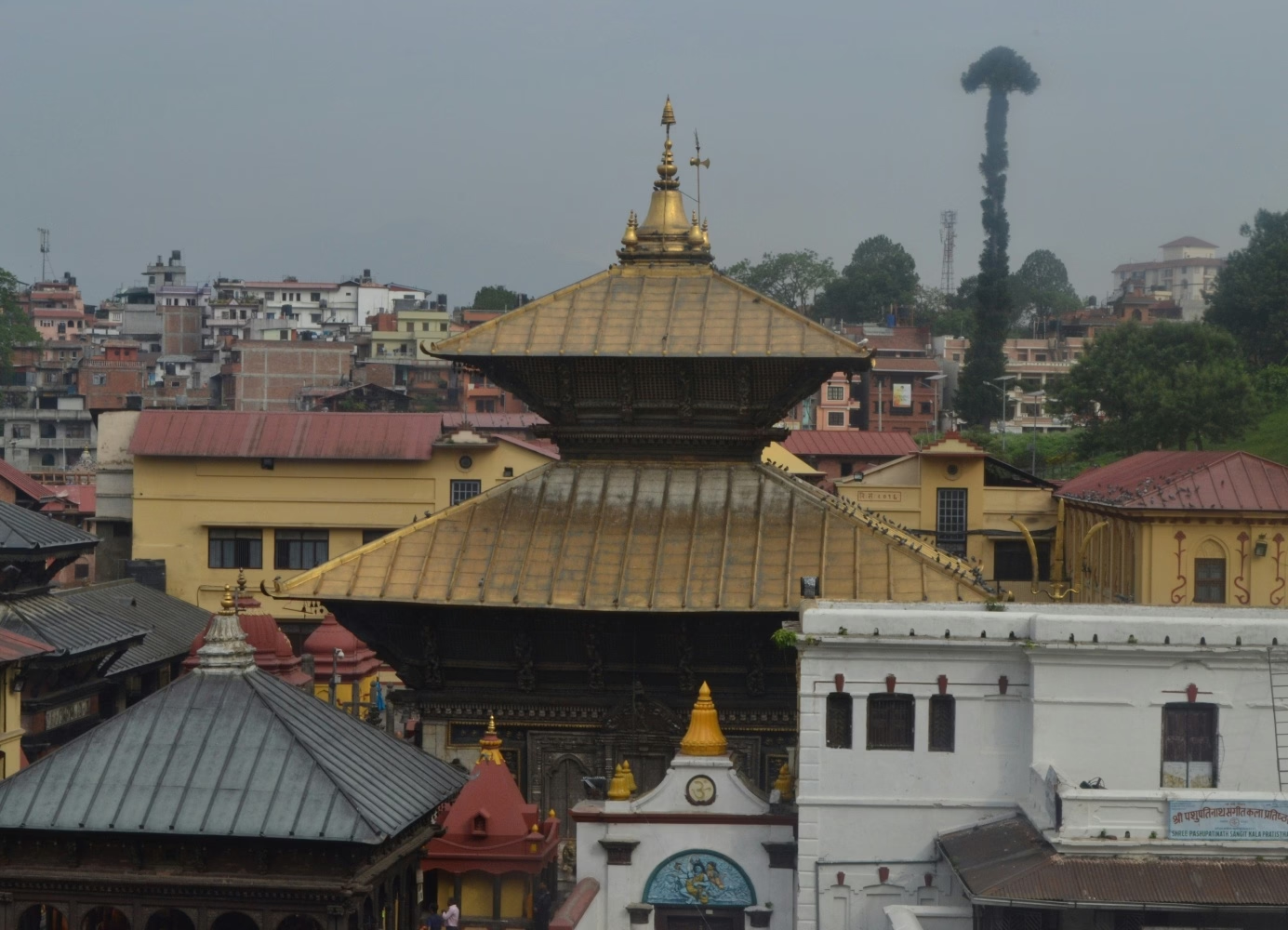
The best places to visit in Kathmandu Valley are Patan Durbar Square, Bhaktapur Durbar Square, Boudhanath Stupa, Swayambhunath, and Pashupatinath Temple. All five sit within 15 kilometers of Thamel, the main tourist district.
Most itineraries rush through them in two days. Pair them by theme instead. Patan and Bhaktapur show Newar woodcarving and brick courtyards. Boudhanath and Pashupatinath show Buddhist and Hindu ritual as people practice it today. Add Changu Narayan, the valley's oldest temple site, for a quieter half-day.
Which UNESCO World Heritage Sites Can You Explore in Kathmandu Valley?
Kathmandu Valley holds 7 UNESCO World Heritage monument zones, inscribed in 1979: Kathmandu Durbar Square, Patan Durbar Square, Bhaktapur Durbar Square, Swayambhunath, Boudhanath, Pashupatinath, and Changu Narayan. The magnitude 7.8 earthquake of April 2015, recorded by the USGS event page for the M7.8 Gorkha earthquake with an epicenter near Lamjung District, damaged many structures, and restoration continues, so scaffolding still appears in some courtyards.
Foreign visitors pay about NPR 1,000 at Kathmandu and Patan Durbar Squares. Bhaktapur costs NPR 1,800, roughly US$18, and the ticket stays valid for several consecutive days. Pashupatinath's inner temple admits Hindus only, but foreign visitors must pay an NPR 1,000 entrance fee to access the wider complex. From there, non-Hindus can watch the evening aarti from the eastern bank of the Bagmati River.
What Cultural and Historical Experiences Does Kathmandu Valley Offer?
Kathmandu Valley offers living Newar culture: the Kumari tradition, Indra Jatra chariot processions, Newari feasts, and working metal and woodcarving studios. The Kumari, a girl worshipped as a living goddess, appears at her window in Kathmandu Durbar Square at set times. Indra Jatra fills the old city each September.
Eat bara, chatamari, and juju dhau, the creamy "king curd" of Bhaktapur. Walk to Bhaktapur's Pottery Square, where clay pots dry in open courtyards. What most visitors overlook is Patan's lost-wax bronze workshops, where artisans still cast the statues you see in the temples. Heaven Himalaya offers Kathmandu city day tour.
When Is the Best Time to Visit Kathmandu Valley?
The best time to visit Kathmandu Valley is October to November and March to April, when daytime temperatures reach 18 to 25 °C. October and November bring the clearest skies and the festivals of Dashain and Tihar. April haze softens distant mountain views.
January mornings drop near freezing. The monsoon runs June to September, with heavy afternoon rain and green hillsides. Book hotels early for October, the peak month.
2. Pokhara
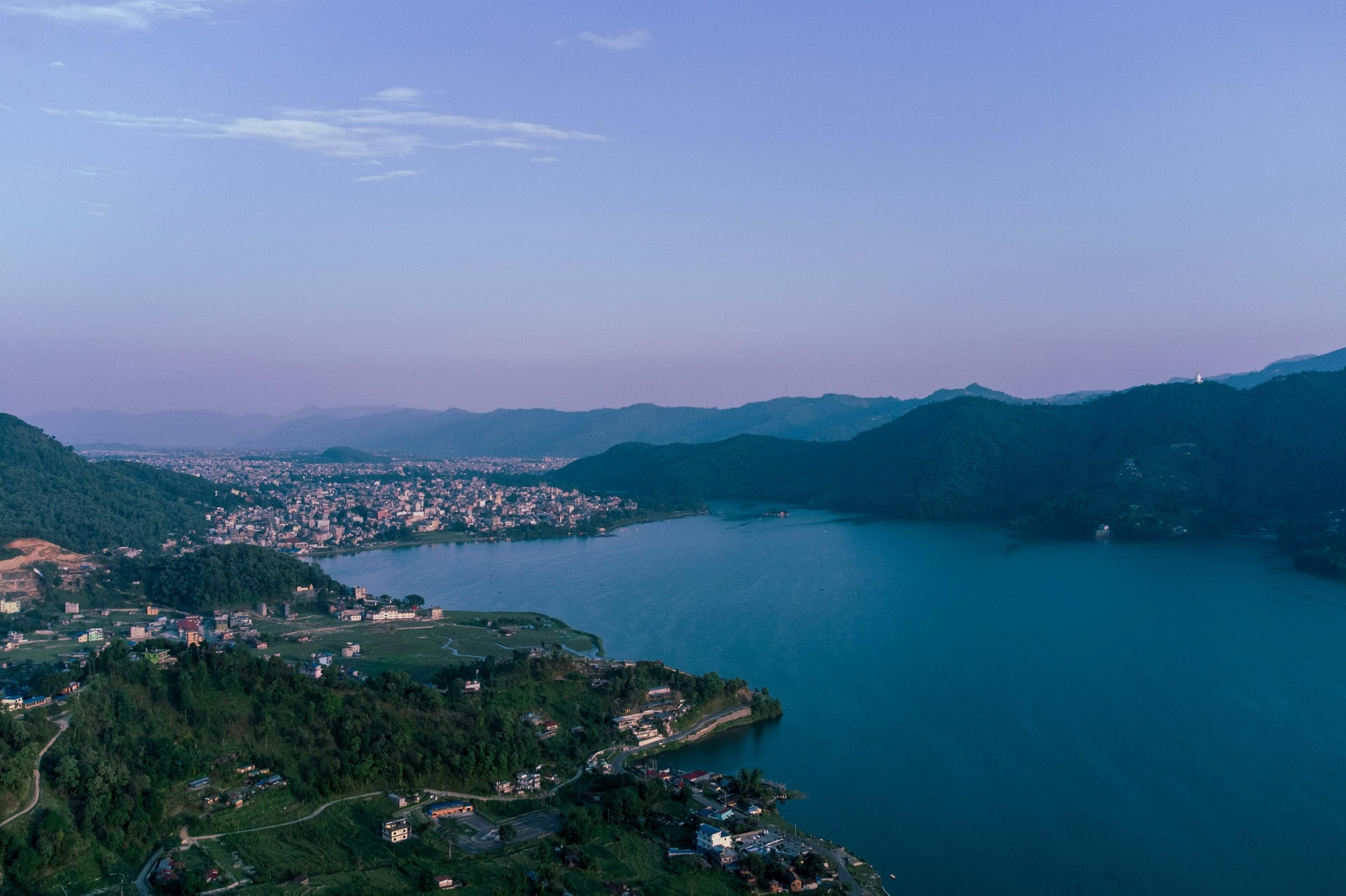
Pokhara is a lakeside city at 822 meters, about 200 kilometers west of Kathmandu, and the main gateway to the Annapurna Range.
What Are the Best Places to Visit in Pokhara?
The best places to visit in Pokhara are Phewa Lake, the World Peace Pagoda, Sarangkot, Devi's Fall, Gupteshwor Mahadev Cave, and the International Mountain Museum. Phewa Lake covers roughly 4.4 square kilometers, and a rowboat reaches Tal Barahi, a small island temple.
Begnas and Rupa lakes, about 15 kilometers east, are quieter than Lakeside. Travelers who want calm choose them over the main strip. The International Mountain Museum gives useful context for any trek you plan next.
Which Mountain and Lake Views Can You Enjoy in Pokhara?
Pokhara frames Annapurna I (8,091 m), Dhaulagiri (8,167 m), Manaslu (8,163 m), and the 6,993-meter peak of Machapuchare, which reflects in Phewa Lake on calm mornings. Sarangkot (1,592 m) is the classic viewpoint.
Arrive before first light. Cloud usually covers the peaks by mid-morning. For a less crowded sunrise, climb to the World Peace Pagoda across the lake. Panchase Peak (about 2,500 m) makes a good overnight hike with the same range in view.
What Adventure Activities Can You Experience in Pokhara?
Pokhara offers paragliding, zip-lining, ultralight flights, kayaking, mountain biking, and short treks. Paragliding flights launch from Sarangkot and last 20 to 30 minutes, with the strongest thermals from late morning to afternoon. The zip-line at Hemja runs about 1.8 kilometers.
A common mistake is booking paragliding for the first morning, then losing it to cloud. Schedule it for a buffer day. Choose an operator with registered pilots and insurance cover, and confirm both before you pay. Experience our Pokhara city day tour.
When Is the Best Time to Visit Pokhara?
The best time to visit Pokhara is October to November and March to April, when skies clear and temperatures sit between 15 and 28 °C. Pokhara receives more than 3,000 millimeters of rain a year, and most falls between June and September.
December and January stay dry with cold mornings and sharp mountain views. Monsoon visitors get green hills and empty lakeshores but lose most of the Himalayan panorama.
3. Everest Region
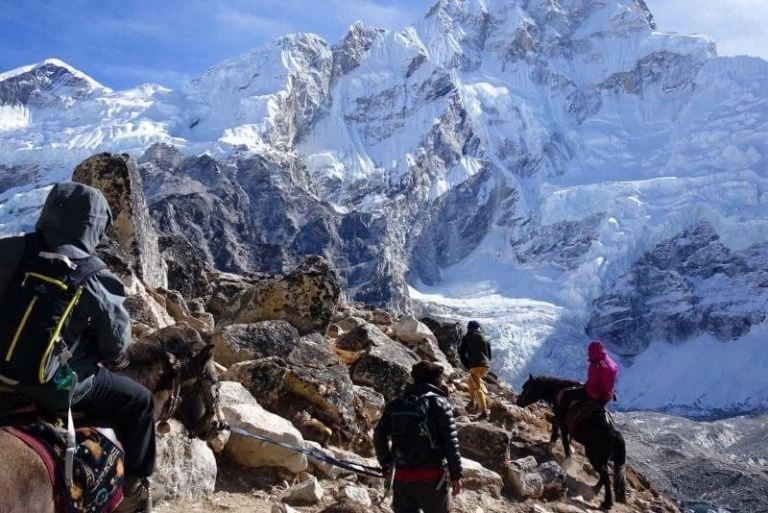
The Everest Region, called Khumbu, lies in northeastern Nepal and holds Sagarmatha National Park, a 1,148-square-kilometer UNESCO World Heritage Site since 1979.
What Are the Best Places to Visit in the Everest Region?
The best places to visit in the Everest Region are Namche Bazaar (3,440 m), Tengboche Monastery (3,867 m), Dingboche, the Gokyo Lakes, Kala Patthar (5,545 m), and Everest Base Camp (5,364 m). Namche is the Sherpa trading hub where trekkers rest and acclimatize.
What most people overlook: Everest Base Camp sits behind Nuptse, so the summit stays hidden from camp. The clear view of Everest comes from Kala Patthar. Plan your sunrise there, not at camp.
Which Mountain Views and Landscapes Can You See in the Everest Region?
The Everest Region shows four of the world's 8,000-meter peaks: Everest (8,848.86 m), Lhotse (8,516 m), Makalu (8,485 m), and Cho Oyu (8,188 m). Gokyo Ri (5,357 m) frames all four in one panorama, and Ama Dablam (6,812 m) dominates the lower valley.
Landscapes shift from pine forest below Namche to moraine and ice above Lobuche. Gokyo's turquoise lakes sit beside Ngozumpa, the longest glacier in Nepal. Gokyo gives fewer crowds than the main Base Camp trail.
What Trekking Experiences Can You Enjoy in the Everest Region?
The classic Everest Base Camp trek takes 12 to 14 days, with about 9 walking days and two acclimatization stops at Namche and Dingboche. Gokyo Lakes takes about 12 days. The Three Passes circuit takes 18 to 20 days.
Two Everest Base Camp trek permits apply: the Sagarmatha National Park entry permit at NPR 3,000 plus VAT, and the Khumbu Pasang Lhamu Rural Municipality permit, which is a fixed NPR 3,000 per person. In peak seasons, Lukla flights often depart from Ramechhap, a 4 to 5 hour drive from Kathmandu. Wilderness Medical Society guidelines advise gaining no more than 500 meters of sleeping altitude per day above 3,000 meters. The mistake we see most is skipping rest days to save time.
When Is the Best Time to Visit the Everest Region?
The best time to visit the Everest Region is March to May and late September to November. Autumn brings the clearest mornings and the most trekkers. Spring brings warmer days and rhododendron blooms below Namche.
Mani Rimdu, a masked-dance festival, runs at Tengboche in autumn. Winter temperatures at Base Camp fall below minus 20 °C. Monsoon cloud cancels Lukla flights.
4. Annapurna Region
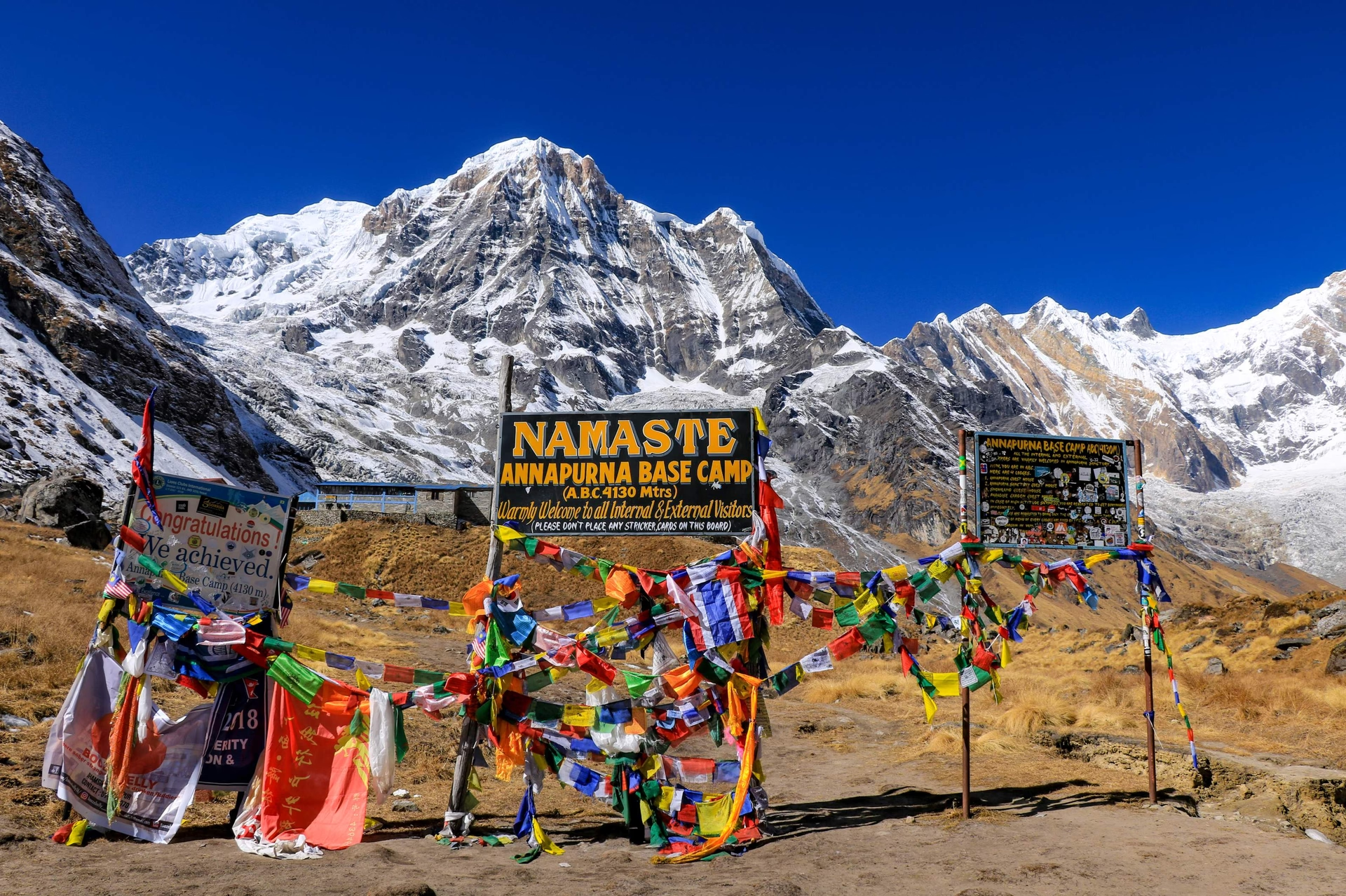
The Annapurna Region is the Annapurna Conservation Area, a protected zone of 7,629 square kilometers that was established in 1986 and ranks as Nepal's largest protected area.
What Are the Best Places to Visit in the Annapurna Region?
The best places to visit in the Annapurna Region are Ghorepani Poon Hill (3,210 m), Annapurna Base Camp (4,130 m), Ghandruk, Mardi Himal, Manang, Tilicho Lake (4,919 m), and Muktinath (3,710 m). Ghandruk is a Gurung village with stone-paved lanes and a small museum of local life.
Muktinath is sacred to both Hindus and Buddhists. Pilgrims bathe under 108 water spouts there. Pair it with Jomsom and Marpha, a village known for apple brandy.
Which Mountain Views and Natural Landscapes Define the Annapurna Region?
The Annapurna Region is defined by Annapurna I (8,091 m), Dhaulagiri (8,167 m), Machapuchare (6,993 m), and the Kali Gandaki Gorge, often called the deepest gorge on Earth. Landscapes change from subtropical rice terraces near 800 meters to alpine desert at Muktinath.
March and April turn the lower forests red with rhododendron, Nepal's national flower. The mix of terraces, forests, and snow within five trekking days is hard to match elsewhere in the Himalaya.
What Trekking Routes Can You Explore in the Annapurna Region?
Five main routes cover most itineraries: Poon Hill (4 to 5 days), Mardi Himal (5 to 6 days), Annapurna Base Camp (7 to 10 days), Tilicho Lake (12 to 14 days), and the Annapurna Circuit (12 to 18 days). The Circuit crosses Thorong La at 5,416 meters.
Jeep roads now cover parts of the Circuit's lower sections. Skip the dusty stretches by using high-trail villages such as Upper Pisang, Ghyaru, and Ngawal. The Annapurna Conservation Area permit costs NPR 3,000 per person. Additionally, under nationwide regulations, all foreign trekkers must carry a TIMS card (NPR 2,000) and hire a licensed guide through a registered agency to trek in this region. For fees and application steps, see our complete guide to Annapurna region trekking permits
When Is the Best Time to Visit the Annapurna Region?
The best time to visit the Annapurna Region is March to May and October to November. Spring offers rhododendron and long days. Autumn offers the clearest mountain views.
Poon Hill and lower routes stay walkable in December and January. Snow raises avalanche risk on the upper Annapurna Base Camp trail, so guides check conditions each morning. Late October storms can close Thorong La.
5. Chitwan National Park
Chitwan National Park is Nepal's first national park, established in 1973 and a UNESCO World Heritage Site since 1984. It covers about 950 square kilometers of Terai grassland and sal forest in south-central Nepal.
What Wildlife Can You See in Chitwan National Park?
Chitwan shelters the greater one-horned rhinoceros, Bengal tiger, gharial, mugger crocodile, sloth bear, leopard, wild elephant, and more than 500 bird species. Chitwan shelters the greater one-horned rhinoceros, Bengal tiger, gharial, mugger crocodile, sloth bear, leopard, wild elephant, and more than 500 bird species. According to Nepal's Department of National Parks and Wildlife Conservation, the 2021 census counted 752 rhinos nationwide, and Nepal's 2026 National Tiger Census, which counted 429 tigers, confirms the country's tiger population has nearly quadrupled since 2010.
Rhino sightings are common. Tiger sightings are rare, so plan 3 nights, not 1. Early morning and late afternoon give the best chances, when animals move to water.
Which Activities and Safaris Can You Experience in Chitwan National Park?
Chitwan offers jeep safaris, canoe rides on the Rapti River, guided jungle walks, bird watching, and a visit to the Khorsor elephant breeding center. A jeep covers the most ground in 3 to 4 hours. A canoe drifts quietly past crocodiles and kingfishers.
The park charges foreigners NPR 2,000 per person at the entrance gate. Animal welfare groups criticize elephant rides, and many lodges now replace them with guided walks and jeep drives. Book two different activities, since no single method shows everything.
What Cultural Experiences Can You Enjoy Around Chitwan National Park?
Chitwan's main cultural experience is Tharu life: stick dances, village homestays, and a regional cuisine of dhikri, fish curries, and rice beer. The Tharu are the indigenous people of the Terai, with mud-and-thatch houses decorated by hand.
The Tharu Cultural Museum in Sauraha explains their traditions. Homestays in villages near Meghauli and Bachhauli put more income into local families than large resorts. Evening stick-dance shows run in Sauraha year-round.
When Is the Best Time to Visit Chitwan National Park?
The best time to visit Chitwan National Park is October to March, when daytime temperatures sit between 20 and 28 °C. Park staff cut tall grass in January, which opens sight lines for wildlife viewing.
March to May reaches 40 °C, but animals gather at water sources. July and August bring floods and closed trails. Book Our Chitwan National Park Tour Package.
6. Lumbini
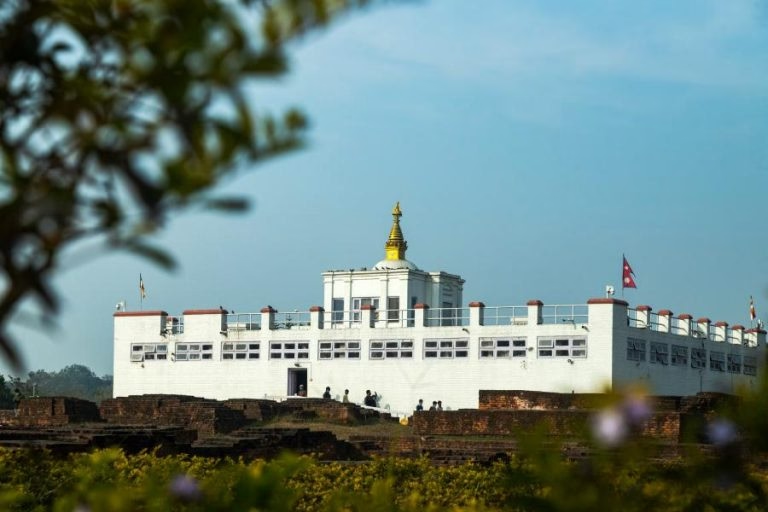
Lumbini, in Rupandehi District in the Terai, is the birthplace of Siddhartha Gautama, the Buddha, and a UNESCO World Heritage Site since 1997.
What Makes Lumbini an Important Buddhist Pilgrimage Site?
Lumbini is one of the four great Buddhist pilgrimage sites, alongside Bodh Gaya (enlightenment), Sarnath (first sermon), and Kushinagar (death). It marks the birthplace of Buddha, and scholars place his birth in the 6th century BCE.
According to a 2013 study in the journal Antiquity led by Durham University archaeologist Robin Coningham, a timber structure beneath the Maya Devi Temple dates to the 6th century BCE. This finding strengthens Lumbini's claim as the oldest known Buddhist shrine.
Which Historical and Religious Sites Can You Visit in Lumbini?
The main sites in Lumbini are the Maya Devi Temple and marker stone, the Ashoka Pillar (249 BCE), the Puskarini sacred pond, and the Monastic Zone. Emperor Ashoka's inscription on the pillar records the Buddha's birthplace.
The Monastic Zone splits into an East side for Theravada traditions and a West side for Mahayana and Vajrayana, with temples built by countries such as Thailand, Myanmar, Germany, and Japan. The planned area measures about 4.8 by 1.6 kilometers. Rent a bicycle to move between them. Add Tilaurakot, the ruins of ancient Kapilvastu, 27 kilometers west.
What Cultural Experiences Can You Have in Lumbini?
Lumbini's cultural experiences include meditation in the Maya Devi gardens, monastery visits, evening chanting, and Vesak celebrations on the Buddha Jayanti full moon in April or May. Silence is expected near the Maya Devi Temple, and visitors cover shoulders and knees.
Many monasteries welcome short-stay meditation guests. Compare the national architecture side by side, from Thai gold to German minimalism. Visit in early morning, before tour groups arrive.
When Is the Best Time to Visit Lumbini?
The best time to visit Lumbini is October to March, when temperatures range from 10 to 28 °C. April to June regularly exceeds 40 °C, and December to January brings morning fog.
The Gautam Buddha International Airport at Bhairahawa shortens the trip from the old 8 to 9 hour road journey from Kathmandu. Combine Lumbini with Chitwan for a Terai circuit.
7. Rara Lake
Rara Lake lies at 2,990 meters in Mugu District in far-western Nepal, inside Rara National Park, the country's smallest national park at 106 square kilometers (established 1976).
What Makes Rara Lake a Unique Natural Attraction in Nepal?
Rara Lake is Nepal's largest and deepest lake, covering 10.8 square kilometers with a depth of about 167 meters. Its color shifts between deep blue and green as light and cloud change.
Remote location protects it. Few roads reach the park, so visitor numbers stay low and the shoreline stays quiet. That absence of crowds is the real attraction.
Which Landscapes and Activities Can You Enjoy Around Rara Lake?
Rara offers boating, forest walks, bird watching, and the Murma Top viewpoint (3,439 m). Blue pine, spruce, juniper, and rhododendron forests ring the lake. Musk deer, Himalayan black bear, and red panda live in the park.
Local rowboats cross the lake in about an hour. A loop walk around the shore takes a half day. Climb Murma Top for a view over the whole basin and the snow peaks beyond.
What Trekking Experience Can You Expect at Rara Lake?
The classic Rara trek starts in Jumla and takes 4 to 5 days one way through villages and passes near 3,500 meters. Many travelers instead fly Nepalgunj to Talcha and walk a short distance to the lake.
The Rara National Park entry permit costs NPR 3,000. Lodging is basic, so carry a warm sleeping bag. Weather delays mountain flights often, so add 2 buffer days to the itinerary.
When Is the Best Time to Visit Rara Lake?
The best time to visit Rara Lake is April to May for rhododendron blooms and September to November for clear skies. Winter ice covers part of the lake, and nights fall well below freezing.
Monsoon rain makes trails slippery and flights unreliable. October gives the sharpest reflections.
8. Ilam
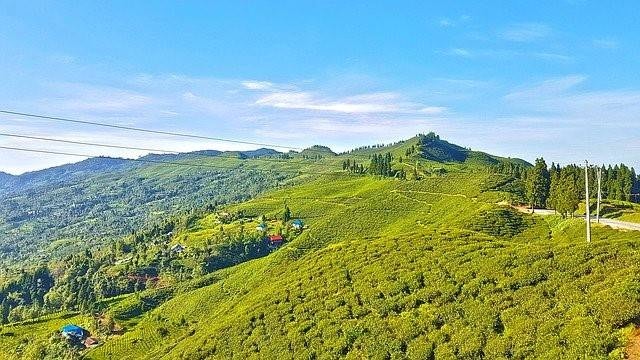
Ilam is a hill district in eastern Nepal at about 1,200 meters, near the Indian border and Kanchenjunga, and the center of Nepal's orthodox tea industry.
What Makes Ilam Famous for Its Tea Gardens and Landscapes?
Ilam is famous for tea gardens on rolling green hills, planted since 1863 and known for orthodox, hand-processed teas. Plantations at Kanyam, Fikkal, and Soktim blanket the slopes in neat rows.
Harvest runs in flushes: first flush in March and April, second flush in May and June, and an autumn flush in October and November. First flush tastes lighter and floral. Tour a factory during harvest to watch the rolling and drying.
Which Places Can You Visit Around Ilam?
The main places around Ilam are Kanyam, Fikkal, Antu Danda, Mai Pokhari, and Sandakphu viewpoint on the Indian border. Antu Danda faces Kanchenjunga (8,586 m), the world's third-highest mountain, at sunrise.
Mai Pokhari, a wetland at about 2,100 meters, has been Ramsar Site No. 1850, designated 28 October 2008, and the government's official Information Sheet records it as a 90-hectare habitat for the protected White-rumped Vulture and Eurasian Otter.
What Cultural and Nature Experiences Can You Enjoy in Ilam?
Ilam offers Rai and Limbu culture, homestays, tongba (warm millet beer), bird watching, and local cheese. Tongba arrives in a wooden mug and is sipped through a bamboo straw as hot water is refilled.
Stay in a village homestay for home cooking and festivals. Limbu and Rai communities host seasonal dance gatherings. Walk tea-garden trails at dawn when mist fills the valleys.
When Is the Best Time to Visit Ilam?
The best time to visit Ilam is March to May and October to November, when skies stay clear and temperatures range from 12 to 25 °C. First flush season in spring combines fresh tea with blooming forests.
October and November give the best Kanchenjunga views. Monsoon brings lush tea and landslide risk. Winter stays cool, between 5 and 15 °C.
9. Bandipur
Bandipur is a Newar hill town at 1,030 meters in Tanahun District, 8 kilometers uphill from Dumre on the Prithvi Highway, about midway between Kathmandu and Pokhara.
What Makes Bandipur a Beautiful Historic Hill Town?
Bandipur is a beautiful historic hill town because its vehicle-free bazaar keeps 18th-century Newar merchant architecture intact. Traders once moved goods here between India and Tibet. The highway bypassed the town in the 1970s, which preserved the old streets.
Stone-paved lanes run past two- and three-storey houses with carved shutters. Day-trippers leave by late afternoon. Stay overnight to see sunset, evening lamps, and morning mist.
Which Attractions Can You Visit in Bandipur?
The main attractions in Bandipur are Tundikhel, Bindhyabasini Temple, Khadga Devi Temple, Thani Mai Temple, and Siddha Gufa cave. Thani Mai sits on Gurungche Hill, a short uphill walk with wide views.
Siddha Gufa is among the largest caves in Nepal and takes a half-day walk to reach. Add Ramkot, a Magar village nearby, to see rural life beyond the bazaar.
What Mountain Views and Cultural Experiences Can You Enjoy in Bandipur?
From Bandipur you see Dhaulagiri, Annapurna, Manaslu, and Ganesh Himal across one broad panorama, best at sunrise from Tundikhel. The ridge-top setting opens the whole Himalayan arc.
Eat Newari dishes such as bara and chatamari in heritage lodges. Browse small shops for Newar crafts. Many guesthouses keep fewer than 20 rooms, so book ahead for weekends.
When Is the Best Time to Visit Bandipur?
The best time to visit Bandipur is October to December and February to April, when mountain views are clearest. Temperatures range from 10 to 25 °C.
Monsoon mist wraps the town in cloud and hides the mountains. Winter mornings stay cold. Bandipur works as a one-night stop between Kathmandu and Pokhara.
10. Upper Mustang
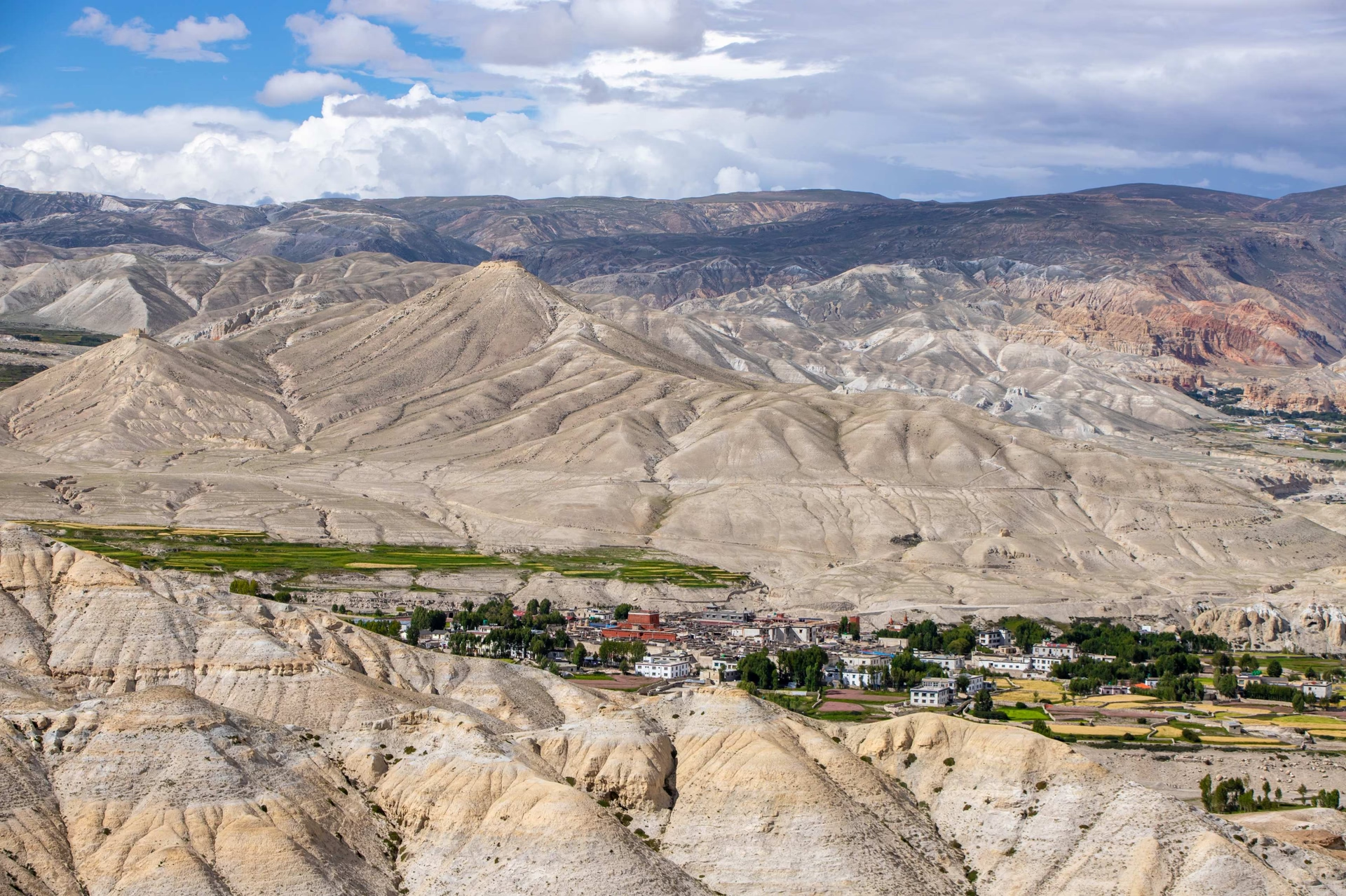
Upper Mustang is the northern part of Mustang District, the former Kingdom of Lo, a restricted-access Tibetan-culture region on the Tibetan Plateau's edge.
What Makes Upper Mustang Unique Among Nepal's Destinations?
Upper Mustang is unique because it preserves Tibetan Buddhist culture inside a high-desert landscape that opened to foreigners only in 1992. Lo Manthang, the walled capital, dates to 1380. The monarchy ended in 2008.
The region lies in the rain shadow of the Annapurna and Dhaulagiri ranges, so cliffs appear in red, ochre, and gold. The Upper Mustang restricted-area permit costs US 500 per person for the first 10 days, and US 50 for each additional day. A registered agency applies for it, and a licensed guide is required.
Which Ancient Villages and Cultural Sites Can You Explore in Upper Mustang?
The key sites in Upper Mustang are Kagbeni, Chele, Ghami, Charang, Lo Manthang, Lo Gekar (Ghar Gompa), and the Chhoser caves. Ghami has one of Nepal's longest mani walls. Lo Gekar is an 8th-century monastery tied to Padmasambhava by tradition.
Lo Manthang holds Thubchen, Jampa, and Chode monasteries inside its walls. Each May the Tiji festival fills the royal courtyard with masked dances. The 2026 festival ran 14 to 16 May, and dates follow the Tibetan lunar calendar each year.
What Trekking Landscapes and Experiences Does Upper Mustang Offer?
Upper Mustang offers 10 to 12 day treks along the Kali Gandaki valley, past eroded canyons, cave monasteries, and passes above 4,000 meters. A road now reaches Lo Manthang, so jeep itineraries take 8 to 10 days.
Strong winds sweep the valley every afternoon, so walkers leave at dawn. One mistake we see is booking a 7-day itinerary that spends 4 days inside a jeep. Choose trekking when you want quiet trails, and jeeps when time is short.
When Is the Best Time to Visit Upper Mustang?
The best time to visit Upper Mustang is April to October, because the rain-shadow climate stays dry through the monsoon. May suits travelers who want the Tiji festival.
September and October give clear skies and calmer winds. Winter nights fall to minus 10 °C, and many lodges close.
How Can Heaven Himalaya Help You Explore the Beautiful Places of Nepal?
Heaven Himalaya helps you explore these 10 places by planning routes, arranging permits, assigning licensed guides and porters, and booking flights, transport, and lodging. The company is based in Kathmandu at Gitanjali Chowk, Nayabazar, and is a member of the Trekking Agencies' Association of Nepal (TAAN) and a general member of the Nepal Mountaineering Association.
Founder Ramhari Adhikari has guided groups to Everest Base Camp at least 100 times. That field experience shapes pacing, acclimatization stops, and weather buffers. The team also asks travelers to carry reusable water bottles and supports the "Refill not Landfill" project.
Restricted regions such as Upper Mustang require a registered agency and licensed guide, and an agency handles those permits for you.
Can Heaven Himalaya Help You Plan a Trek or Tour Around These Beautiful Places in Nepal?
Yes. Heaven Himalaya plans private and group treks and tours across all 10 places, including custom itineraries that combine culture, wildlife, and mountains. Three common combinations show how the pieces fit:
Culture and wildlife: Kathmandu Valley, Chitwan, and Lumbini in 9 to 10 days
Lakes and Himalaya: Pokhara, Bandipur, and Annapurna in 10 to 12 days
Remote Himalaya: Everest or Upper Mustang, with Kathmandu on either side
Share your dates, fitness level, and budget. We reply with route options, permit details, and a day-by-day plan. Visit Heaven Himalaya to start a conversation, with no commitment.
What Are the Key Takeaways About the 10 Beautiful Places to Visit in Nepal?
The 10 beautiful places to visit in Nepal are Kathmandu Valley, Pokhara, the Everest Region, the Annapurna Region, Chitwan National Park, Lumbini, Rara Lake, Ilam, Bandipur, and Upper Mustang. Together they cover UNESCO heritage, lakes, high mountains, wildlife, pilgrimage, tea hills, and remote desert.
Match each place to its best season, add buffer days for flights and weather, and confirm permit fees before you travel. Heaven Himalaya can plan any of these beautiful places to visit in Nepal into one safe, well-paced trip, and you can browse our trek and tour packages to see ready-made routes.
Kathmandu Valley, Pokhara, Chitwan, Lumbini, and Bandipur suit short trips, since most need only 2 to 3 days each and involve easy walking. Everest, Annapurna, Rara Lake, and Upper Mustang need 10 to 14 days, with acclimatization stops and a fitness plan that starts weeks ahead. Ilam fits travelers who want quiet hills, fresh tea, and Kanchenjunga sunrises without trekking.
October and November bring the clearest skies and the biggest crowds, so book flights and lodging early. Spring suits rhododendron blooms and Tiji festival travelers, while the Terai stays best in the cooler months. Choose licensed guides, carry a reusable bottle, and respect local customs so these 10 beautiful places to visit in Nepal stay beautiful for the next traveler.