

Tiji Festival: History, Meaning, and Celebration in Nepal

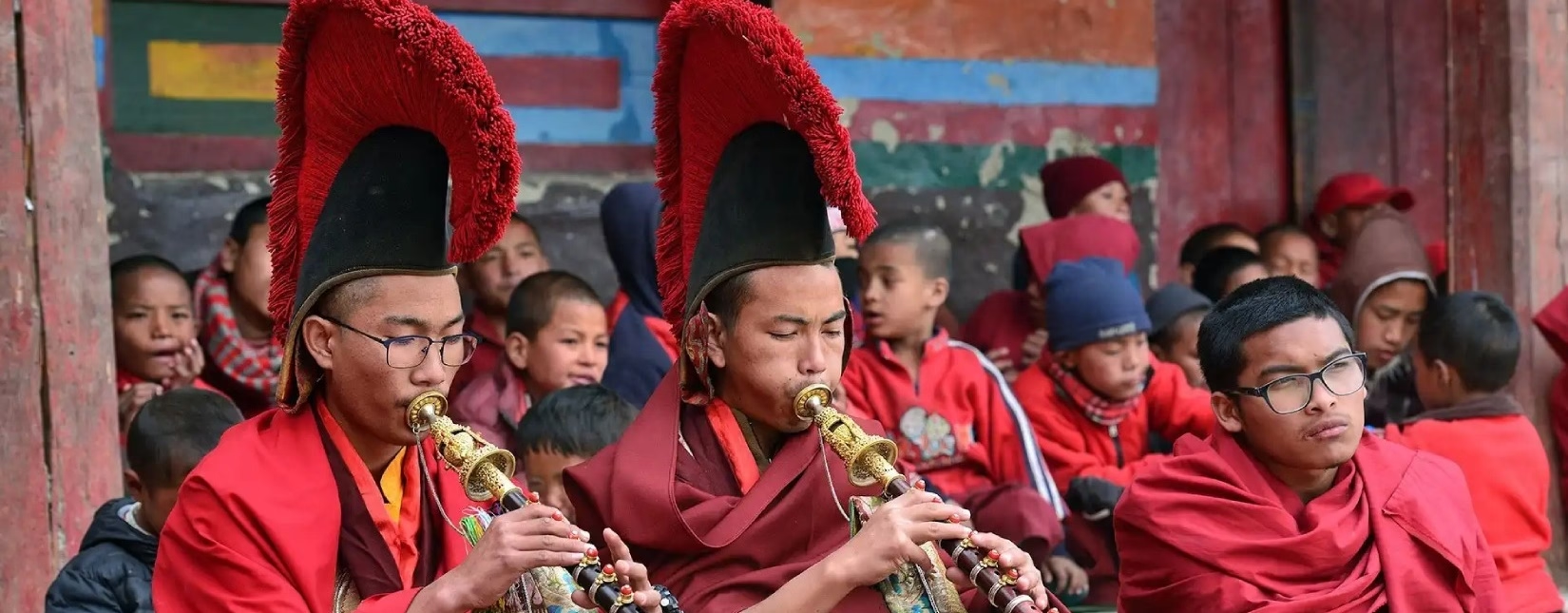
The Tiji Festival is one of those rare cultural celebrations that doesn't feel like a “show,” but more like a living story unfolding right in front of you. It makes you feel like stepping into a hidden Himalayan world where time slows down, and traditions come alive in the most powerful way.
It's a Tibetan Buddhist masked dance festival, where monks perform dramatic rituals wearing colourful masks, telling ancient stories through movement, music, and chants. It's deeply spiritual, strongly rooted in centuries-old beliefs, and every performance carries meaning beyond what meets the eye.
What makes it even more special is its raw authenticity; it's ancient, sacred, and visually unforgettable. From intense ritual dances to powerful symbolism of good versus evil, everything feels both mysterious and meaningful at the same time.
Would you like to learn more about the Tiji Festival in Nepal in detail? Today, here, in this guide, you'll explore the history behind it, understand its spiritual significance, learn about the rituals, and gain a genuine sense of what it's like to witness this unique Himalayan celebration.
What Is Tiji Festival
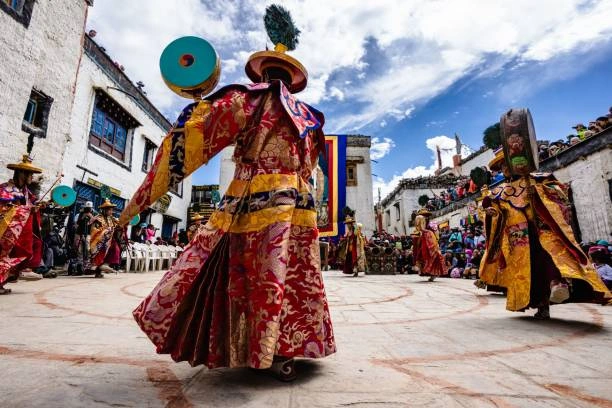
Well, I'd like to explain the meaning of the Tiji Festival in very simple terms here. It's a traditional Buddhist ritual festival celebrated in Nepal. It tells you a story about the victory of good over evil through sacred rituals and performances, carrying deep spiritual meaning and cultural significance.
The festival displays Tibetan ritual dance, where monks perform masked dances, prayers, and ceremonies to tell ancient stories. It represents a spiritual battle between positive and negative forces, showing how goodness always wins in the end.
Even though the festival looks colourful and dramatic from the outside, it's actually very meaningful and religious at its core. It isn't just a celebration; it's a way of expressing faith, balance, and protection through tradition.
History And Origin Of Tiji Festival
The origin story of the Tiji Festival comes from a powerful ancient legend that has been passed down for generations in Tibetan Buddhist culture. At the centre of it is the dramatic story of Dorje Jono, a divine figure who stands for good, light, and protection.
According to the legend of Dorje Jono in Nepal, there was once a terrifying demon that brought destruction, suffering, and chaos to the land. It's believed that this evil force caused droughts and hardship, making life difficult for the people. In response, he rises as a powerful deity sent to restore balance and protect humanity.
What makes the story even more fascinating is the clear battle between good and evil. Dorje Jono doesn't just fight a physical enemy; he represents the spiritual victory of light over darkness. This emotional conflict is what gives the festival its deep meaning and makes it more than just a cultural event.
Rooted in ancient Tibetan Buddhist traditions, this story slowly became a sacred practice over centuries. What started as an ancient belief has now turned into a living ritual, where monks perform the legend through masked dances and ceremonies during the festival. Even today, the story still feels powerful and relevant, reminding people of hope, balance, and the eternal victory of good over evil.
Cultural And Religious Significance
The tradition isn't just something people watch; it actually feels like something they experience spiritually. At its heart, the importance of the Tiji Festival in Buddhism is all about bringing peace, protection, and harmony into life. It's based on the idea that good energy can overcome negativity and that balance in the world starts from within.
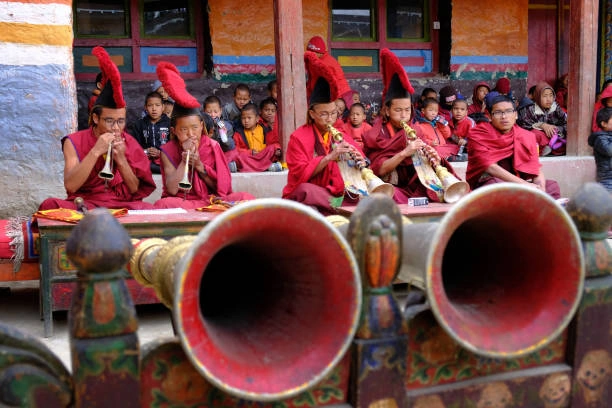
In the Vajrayana Buddhist tradition of Nepal, festivals like this are treated as sacred practices, not performances. Monks take the lead in everything: from chanting inside monasteries to guiding the rituals with deep focus and devotion. When you see them during the festival, it doesn't feel like a show at all; it feels calm, disciplined, and deeply meaningful.
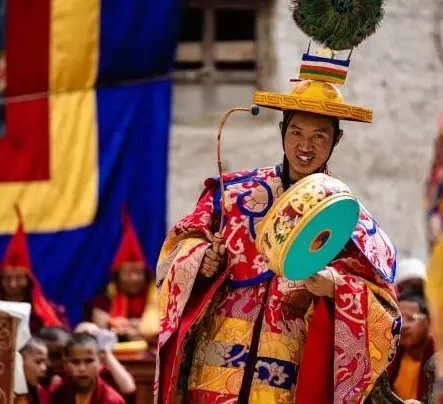
One of the most powerful parts is the masked dances. These ritual dances aren't done for entertainment; they're more like a spiritual way of telling ancient stories. Through movement, music, and symbolism, monks express ideas of protection and transformation, almost like they're bringing those teachings to life in front of you.
And that's what makes the whole festival so special. It's not loud or commercial; it's quiet in its own powerful way, rooted in faith, tradition, and a sense of harmony that has been passed down for generations.
How Tiji Festival Is Celebrated (3-Day Ritual)
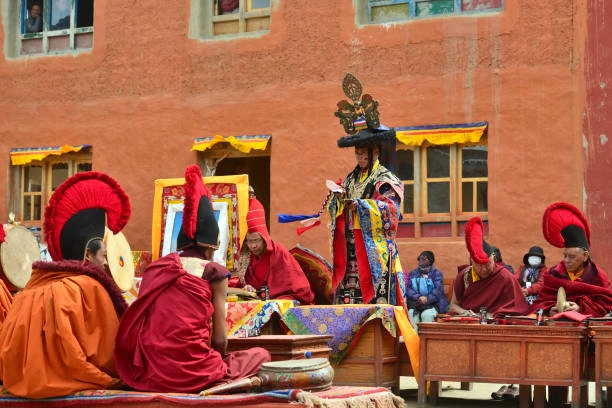
The rituals and dances of the Tiji Festival are celebrated over three days, and honestly, each day feels like stepping deeper into a completely different world. The monastery courtyard slowly fills with the sound of drums, long Tibetan horns, prayers, and the quiet excitement of people gathering to witness something that has been part of local tradition for centuries.
Day 1: Introduction Of Story + Chanting
On the first day, the festival begins in a calm and spiritual way. Monks dressed in bright traditional robes enter the courtyard while chanting prayers, setting the stage for the ancient story behind the festival.
The atmosphere feels peaceful but mysterious at the same time. As incense fills the air and ceremonial music echoes through the mountains, you can already feel that this is much more than an ordinary celebration.
Day 2: Masked Dances + Rituals Intensify
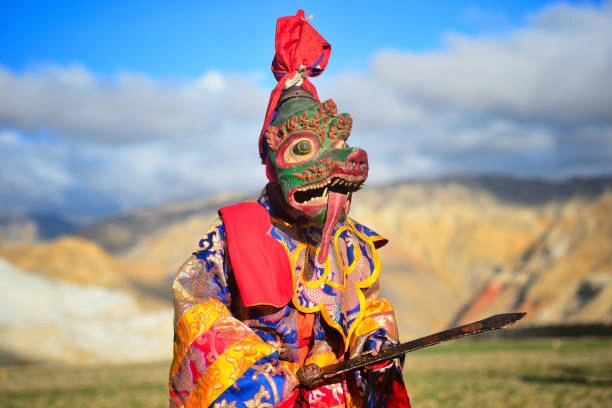
By the second day, the energy becomes stronger and more dramatic. This is when the famous masked monk dance ceremony truly takes over the festival. Monks wearing large, colourful masks perform sacred dances to the rhythm of drums and traditional instruments.
Every movement has meaning behind it, symbolising the growing battle between positive and negative forces. Watching the dances up close feels hypnotic. The masks, spinning robes, deep chants, and powerful music create an atmosphere that's hard to describe unless you experience it yourself.
Day 3: Climax + Symbolic Victory Over Evil
The third and final day feels emotional in a completely different way. The rituals reach their climax as the story finally ends with the symbolic victory of good over evil. The dances become more intense, the crowd becomes more engaged, and the entire courtyard feels filled with spiritual energy.
For locals, this moment represents peace, protection, and hope for the coming year. And for visitors, it often becomes the part of the festival they remember the most long after it's over.
Mustang Tiji Festival Trek
View details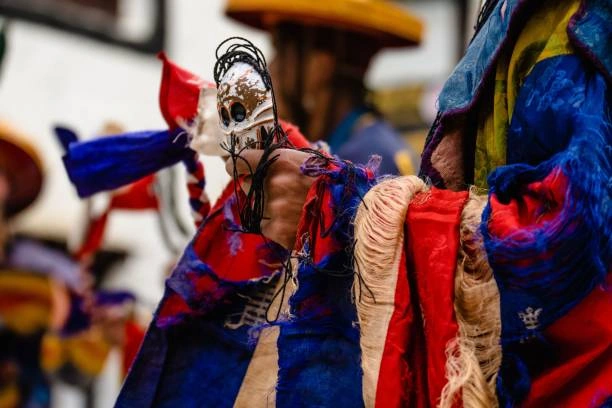
Where And When Is It Celebrated
This ancient Himalayan festival is celebrated in the remote Himalayan region of northern Nepal, mainly in the ancient walled city of Lo Manthang in Upper Mustang. Surrounded by dry mountain landscapes, old monasteries, and Tibetan-influenced culture, the setting itself makes the festival feel even more unique and authentic.
When it comes to the Tiji Festival dates in Nepal, the celebration usually takes place during the spring season, most often in May. The exact dates change every year because they're based on the Tibetan lunar calendar. This period is also considered part of the Upper Himalayan festival season, when the weather is clearer, the mountain views are stunning, and travel conditions are much better for visitors.
One of the reasons many travellers plan their Mustang trip around this time is that the festival adds a completely different experience to the journey. It isn't just about visiting the mountains; it's about witnessing a centuries-old tradition still being celebrated in one of the most culturally preserved regions of the country.
Why It Is Special For Travellers
This Buddhist celebration feels like one of those rare moments where you're not just travelling, but actually stepping into a living tradition. It offers a raw, real, and deeply rooted in centuries of belief, which makes it very different from regular tourist festivals.
What makes this festival truly special is how untouched it feels. In the middle of the Himalayas, monks perform masked dances, chant prayers, and carry out rituals that have been passed down through generations. It's not staged for visitors; it's part of their spiritual life, and you just happen to witness it.
For many travellers, it also becomes a powerful offbeat Himalayan travel experience. The setting, the sound of drums, the colourful masks, and the silence of the mountains all come together in a way that feels almost unreal. It's simple, but unforgettable, the kind of experience that stays with you long after the journey ends.
Travel Tips For Visitors
If you're planning to experience this sacred festival, a little awareness goes a long way. These travel tips for the Tiji Festival in Nepal are simple things, but they really help you blend in and enjoy the moment without disturbing it.
Respect local culture: Remember, this isn't a staged event. It's a deeply spiritual tradition, so just observe quietly and respectfully.
Dress modestly: Nothing fancy needed, just keep it simple and covered, especially around monasteries and during rituals. It shows respect without saying a word.
Stay quiet during rituals: When the chanting and masked monk dance ceremony begins, try not to talk too much or loudly. The whole atmosphere is very spiritual, and silence really matters here.
Follow the local flow: People will naturally guide where to sit or stand, just go with it. Things are organised in a simple traditional way.
Be mindful with photos: It's okay to take pictures, but don't let the camera take over the experience. Sometimes just watching feels better than capturing.
This is what respectful cultural tourism in Nepal really means: being present, being respectful, and letting the festival feel natural instead of turning it into just another tourist moment.
Conclusion
The Tiji Festival is one of those rare traditions that feels simple on the surface but is deeply meaningful when you look closer. It's really about faith, stories passed down through generations, and the idea of good standing strong against evil. It shows how alive culture still is in the Himalayan region.
This Himalayan cultural heritage festival isn't something you just watch and forget; it stays with you. The chants, the masked dances, and the mountain setting all come together in a way that feels calm, powerful, and a little emotional, too. At the end of the day, it feels less like an event and more like a memory you quietly carry with you long after you've left the Himalayas.