

How to Choose the Best Trekking Company for the Everest Cho La Pass Trek?

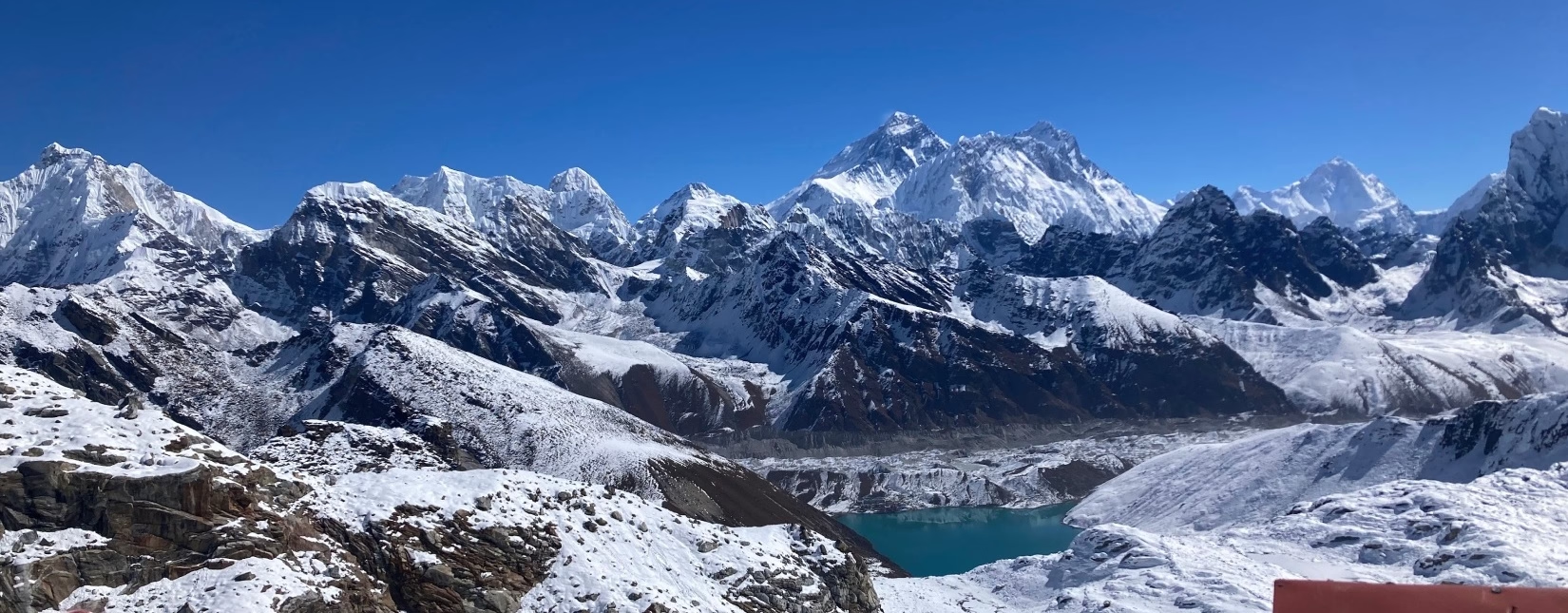
Choosing the best trekking company for the Everest Cho La Pass trek requires more than comparing prices. This challenging 5,420 m Himalayan crossing connects the Everest Base Camp and Gokyo Lakes valleys, demanding experienced local guides, proper acclimatization, careful itinerary planning, and reliable safety measures. A trustworthy Nepali trekking operator should understand seasonal snow and ice conditions, monitor altitude sickness, and provide a clear emergency evacuation plan.
Before booking, evaluate each company's registration, Cho La Pass experience, guide-to-trekker ratio, itinerary, accommodation, porter welfare, and package inclusions. Compare the total cost, verify insurance and permits, and confirm contingency plans for adverse weather and Lukla flight delays. These factors help you identify a reliable trekking company that balances safety, transparent pricing, and a well-organized Everest Cho La Pass adventure.
What Makes the Everest Cho La Pass Trek Different From Other Everest Treks?
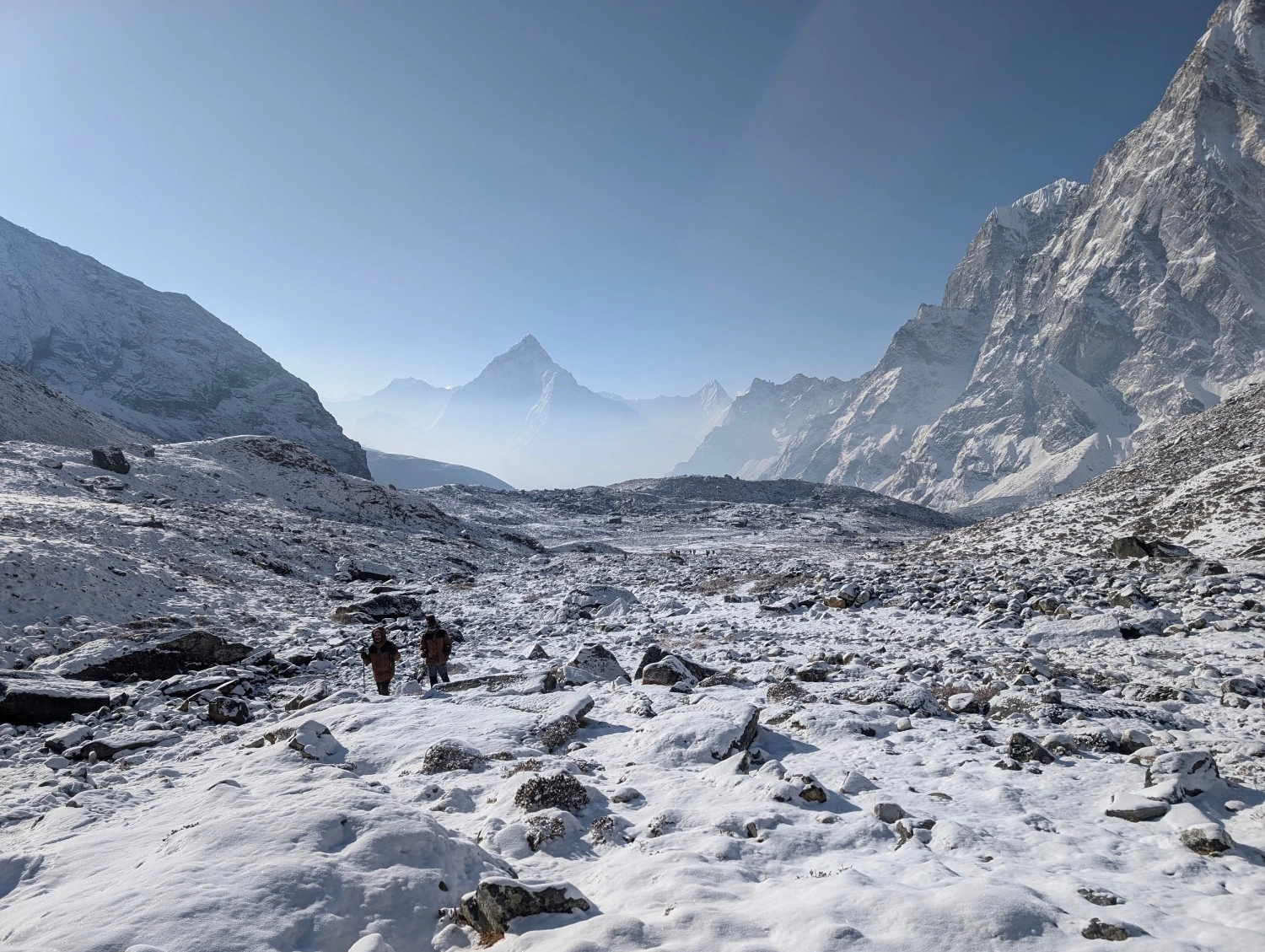
The Everest Cho La Pass trek crosses a 5,420 m glaciated pass to connect the Everest Base Camp valley with the Gokyo Lakes valley, while the classic Everest Base Camp trek follows one valley up and the same valley down. The pass turns a long walk into a mountain crossing.
"La" means pass in Sherpa and Tibetan. The classic Everest Base Camp trek takes 12 to 14 days and peaks at Kala Patthar (5,545 m). The Cho La route takes 16 to 18 days, adds the turquoise Gokyo Lakes (4,790 m), and links two glacier valleys: Khumbu and Ngozumpa. Ngozumpa, at roughly 36 km, is the longest glacier in Nepal. Cho La is also the middle pass of the Three High Passes circuit, alongside Kongma La (5,535 m) and Renjo La (5,360 m).
Three differences affect which company you hire. The terrain includes ice, not only trail. The walk between lodges stretches to 7 to 9 hours. The decisions, such as delaying or turning back at the pass, carry real consequences. A company that sells Cho La as "Everest Base Camp plus one extra day" misreads the route.
What Challenges Should You Expect on the Everest Cho La Pass Trek?
Expect 5 challenges on the Everest Cho La Pass trek: sustained altitude, a 7-to-9-hour pass day, icy terrain, fast-changing weather, and the Ngozumpa Glacier crossing near Gokyo. Each challenge maps to a capability your trekking company must prove.
Altitude load: The standard clockwise route sleeps 5 consecutive nights at 4,700 m or higher (Lobuche, Gorakshep, Dzongla, Dragnag, Gokyo).
Pass-day length: Dzongla to Dragnag covers about 9.4 km, with roughly 650 m of ascent and 785 m of descent.
Terrain: A steep boulder scramble leads to the summit ridge, followed by a snow or ice descent with crevasse risk in some seasons.
Weather: Wind and cloud build by early afternoon, so crossings start between 5:00 and 6:00 AM.
Glacier navigation: The Ngozumpa trail shifts every season, and fog hides the cairns.
Common mistakes we see: trekkers leave Dzongla after 7:00 AM, pack microspikes in the duffel instead of the daypack, and skip the 4:30 AM breakfast because of nausea. Each mistake adds hours on the exposed side of the pass. A capable company briefs these details the evening before, not at the trailhead.
What Level of Fitness and Trekking Experience Do You Need for Everest Cho La Pass Trek?
The Everest Cho La Pass trek requires the fitness to walk 6 to 8 hours daily for 14 consecutive days with a 6 to 8 kg daypack, plus prior multi-day trekking above 3,000 m. Technical climbing skill is not required, and prior experience at 5,000 m helps.
Train for 12 weeks. Schedule 3 cardio sessions per week of 60 to 90 minutes, such as running, cycling, or stair climbing. Add 1 weekly hike of 4 to 6 hours with 800 to 1,000 m of elevation gain in your trekking boots. Add leg strength work twice weekly: step-ups, lunges, and squats.
Quality operators screen fitness. They ask about age, medical history, past altitude experience, and training. Operators who accept every booking without a questionnaire sell seats, not safety. First-time high-altitude trekkers benefit from a 17 to 18-day schedule. Trekkers over 50 gain the most from extra rest days and a doctor's clearance.
When Is the Best Time to Book an Everest Cho La Pass Trek?
The best seasons for Cho La Pass are spring (March to May) and autumn (late September to November), and the best booking window is 4 to 6 months before departure. Peak demand runs from mid-April to mid-May and throughout October.
Autumn delivers the clearest skies and the most stable pass conditions. Spring brings warmer days, rhododendron blooms, and more afternoon cloud. Night temperatures at Dzongla and Gokyo fall to around −10°C in April and −15°C in late November. Winter leaves heavy snow on the pass and closes some high lodges. The monsoon (June to August) cancels Lukla flights.
Early booking secures 3 scarce resources: Lukla seats, rooms in the small lodges at Dzongla and Dragnag, and the strongest guides. Autumn 2026 departures are already running. Spring 2027 dates from late March to May are open for booking now.
What Should You Look for in a Trekking Company for the Everest Cho La Pass Trek?
Look for 6 qualities in a Cho La Pass trekking company: local Khumbu experience, verifiable registration, qualified guides, a reviewed reputation, a well-designed itinerary, and documented safety systems. The next 4 subsections cover experience, registration, guides, and reputation. Later sections cover the itinerary, safety, and cost.
Why Does Local Himalayan Trekking Experience Matter for Everest Cho La Pass Trek?
Local Himalayan experience matters because Cho La conditions change week by week, and only operators who guide the route every season know the current state of the trail, ice, and lodges. A Kathmandu operator with its own staff receives same-day reports from guides crossing in the opposite direction.
That network produces 3 practical advantages. Lodge relationships secure rooms at Dzongla and Dragnag, where fewer than 10 lodges serve the whole peak-season flow. Radio and phone contacts reveal snow depth and trail damage before you reach the pass. Helicopter and clinic contacts, including the Himalayan Rescue Association aid post in Pheriche (open since 1973), shorten response time in an emergency.
Many overseas resellers subcontract the trek to a Nepali operator. The reseller adds a margin and a second email chain between you and the people responsible for your safety. Ask who owns the trek, who employs the guide, and how many Cho La crossings the lead guide completed in the last 2 seasons. A benchmark of 10 or more signals current knowledge.
How Can You Verify a Trekking Company's Registration and Certifications?
Verify a Nepali trekking company by checking 5 documents: company registration, trekking license from the government tourism authority, PAN/VAT certificate, Trekking Agencies' Association of Nepal (TAAN) membership, and the guide license numbers of your assigned team. Request scans, then confirm each number with the issuing body.
TAAN is the national association of registered trekking agencies, founded in 1979. The Nepal Mountaineering Association (NMA) applies to peak climbing, so Cho La, a trekking pass, does not require NMA membership. A logo on a website proves nothing. A certificate number does.
Confirm 3 further details:
Visit the registered office by video call or in person
Match the name on the license to the name on the payment account
Match the guide's license photo to the person who meets you in Kathmandu
Reputable operators publish their documents without being asked. An operator that hesitates to send a PAN number has answered your question.
What Qualifications Should Your Trekking Guide Have?
Your Cho La Pass guide holds 6 qualifications: a valid Nepal trekking guide license, wilderness or high-altitude first-aid training, 3 or more Khumbu seasons, 5 or more Cho La crossings, working English, and a salaried contract. The last item protects your safety more than most trekkers realize.
A license card shows a photo, a number, and an expiry date. First-aid training covers recognition of acute mountain sickness, high-altitude pulmonary edema (HAPE), and high-altitude cerebral edema (HACE). The Himalayan Rescue Association runs daily altitude lectures at its Pheriche post, and many strong guides attend them.
Salary matters because commission changes behavior. A guide on a fixed daily wage has no financial reason to push through bad snow. A guide on commission carries pressure to keep the schedule. The best judgment skill a guide owns is the ability to say "we wait one day." Request the guide's name and a short call before booking.
How Can You Check a Trekking Company's Reviews and Reputation?
Check reputation across 4 independent sources: Tripadvisor, Google Business Profile, a third-party review site such as Trustpilot, and direct references from trekkers who crossed Cho La in the last 24 months. Search each source for "Cho La," "Chola," "Gokyo," and "Three Passes."
Reviews of a general Everest Base Camp trek do not prove pass competence. A pass-specific review mentions a guide's name, a day number, and a decision, such as "we delayed one day because of snow."
Apply 5 filters:
Read the 3-star and 4-star reviews first
Read how the company replies to complaints
Check review dates for sudden spikes, such as 40 reviews in one month
Open reviewer profiles to confirm a history of other reviews
Request 2 references by email and contact them
A multi-year Tripadvisor Travelers' Choice streak says more than a single award year, because the badge reflects sustained ratings.
How Can You Compare Everest Cho La Pass Trek Itineraries?
Compare Cho La Pass itineraries on 5 measurable factors: total days, acclimatization days, route direction, daily sleeping-altitude gain, and buffer days. The following table contrasts a strong itinerary with a weak one on each factor.
Factor | Strong itinerary | Weak itinerary |
Total days | 16 to 18 | 10 to 12 |
Acclimatization days | 2 (Namche Bazaar and Dingboche) | 0 or 1 |
Route direction | Pass crossed after 8+ days at altitude | Pass crossed before acclimatization |
Sleeping-altitude gain above 3,000 m | 300 to 500 m per night | 700 to 1,000 m per night |
Buffer days | 1 to 2 | 0 |
An itinerary that fails 2 or more rows carries elevated risk. Compare each company's sheet against this table before comparing prices.
Direction deserves its own check. The clockwise route (Everest Base Camp first, then Cho La, then Gokyo) places the pass after Kala Patthar at 5,545 m, so you cross fully acclimatized. The counter-clockwise route (Gokyo first) lifts you gently through Dole and Gokyo, then climbs the glacier side of the pass. Both directions work. Each shifts the hardest day to a different point. The longer Everest Three High Passes Trek adds Kongma La and Renjo La for trekkers who want the full circuit.
What Should an Ideal Everest Cho La Pass Trek Itinerary Include?
An ideal itinerary includes 16 to 18 days, 2 acclimatization days, a start at Lukla (2,840 m), a 5:00 AM pass crossing, 1 to 2 buffer days, and a spare Kathmandu day before your international flight. The following 18-day clockwise structure shows the sleeping altitudes.
Kathmandu (1,400 m) → Phakding (2,610 m) → Namche Bazaar (3,440 m, 2 nights) → Tengboche (3,860 m) → Dingboche (4,410 m, 2 nights) → Lobuche (4,910 m) → Gorakshep (5,181 m) → Dzongla (4,830 m) → Dragnag (4,700 m) → Gokyo (4,790 m) → Dole (4,200 m) → Namche Bazaar (3,440 m) → Lukla (2,840 m) → Kathmandu.
Three features make this structure work. Kala Patthar sunrise at 5,545 m and Everest Base Camp at 5,364 m precede the pass. A gentle night at Dzongla precedes the crossing. The descent from Gokyo to Dole drops sleeping altitude by 590 m, which speeds recovery after 5 high nights.
How Many Days Should You Allow for Acclimatization?
Allow at least 2 dedicated acclimatization days on the Cho La Pass trek: 1 at Namche Bazaar (3,440 m) and 1 at Dingboche (4,410 m). A third rest day at Lobuche or Gokyo adds margin for slower acclimatizers.
According to the Wilderness Medical Society's 2019 clinical practice guidelines for acute altitude illness, trekkers above 3,000 m limit the gain in sleeping altitude to 300 to 500 m per night and rest every 3 to 4 days. The Himalayan Rescue Association teaches the same 300 to 500 m guideline.
Do the arithmetic yourself. List each night's sleeping altitude and subtract the previous night. Phakding to Namche Bazaar gains 830 m, the largest single jump, and the 2-night stay in Namche offsets it. Tengboche to Dingboche gains 550 m, and the rest day at Dingboche follows. Rest days work best with a "climb high, sleep low" hike, such as Namche to Everest View Hotel (3,880 m) and back.
How Should the Itinerary Prepare You for Crossing Cho La Pass?
The itinerary prepares you for Cho La Pass by placing the crossing after Everest Base Camp and Kala Patthar and by scheduling a short approach day to Dzongla (4,830 m), so you start the pass rested and acclimatized to 5,364 m. Preparation also includes gear checks and a documented go or no-go decision.
Four steps belong in a strong pass plan:
Inspect boots, gloves, gaiters, poles, and traction devices at Lobuche
Brief the team on the pass-day plan, turnaround time, and group order the evening before
Wake at 4:30 AM, check weather and snow reports, then confirm or delay the crossing
Arrive in Dragnag (about 4,700 m) before the early-afternoon wind and cloud
Traction matters. Microspikes handle compact snow and icy patches. Crampons suit hard ice and steep, frozen descents. The guide's morning judgment decides which one.
Does the Trekking Company Include Contingency Days for Delays?
A reliable company includes 1 to 2 contingency days: 1 weather buffer around the pass and 1 flight buffer in Kathmandu after the Lukla return. Missing buffers produce missed international flights and rushed crossings.
Lukla flights depend on visibility. Twin Otter aircraft carry only 16 to 17 passengers, and a cancelled morning stacks passengers onto the next day. A single-day delay is common in peak season, and 2 to 3 days occurs during prolonged cloud.
Protect yourself with 3 actions. Book your international departure at least 2 days after the scheduled Lukla return. Ask whether the free Kathmandu day is built into the price. Ask who pays for extra hotel nights and meals during delays. A Lukla-to-Kathmandu helicopter charter typically costs US$3,000 or more, shared among up to 5 passengers, and it also depends on weather. Treat it as a backup plan, not a schedule solution.
How Important Are Safety Standards When Choosing a Trekking Company?
Safety standards decide the choice of a Cho La Pass company, because the pass lies 1 to 2 days from road-connected care and helicopter evacuation depends on weather. The nearest seasonal medical post is the Himalayan Rescue Association aid post in Pheriche (about 4,370 m). Four systems make the difference: the rescue plan, first-aid training, health and weather monitoring, and equipment.
What Emergency Rescue and Evacuation Plans Should Be in Place?
A sound company holds a written evacuation protocol with 4 elements: a named helicopter provider, insurance verification before launch, guide authority to order a descent, and a communication chain to the Kathmandu office. Ask to see it in writing.
Verify 3 further items. Your travel insurance must cover trekking to 6,000 m and helicopter evacuation, because Kala Patthar reaches 5,545 m and Cho La 5,420 m. Send your policy number and the insurer's emergency line to the company before arrival. Confirm that the guide may descend a trekker without calling the office for permission.
Documentation protects everyone. Nepal's 2018 government investigation into inflated helicopter-rescue insurance claims is the reason responsible companies log every evacuation with timestamps, patient condition, and the medical facility used. Khumbu is not a restricted area, but serious operators apply strict internal standards to ensure every rescue is medically necessary and fully documented.
Does the Trekking Company Provide Guides Trained in First Aid?
A strong company provides guides with Wilderness First Aid or higher certification, renewed within 3 years, and a stocked medical kit on every trek. A guide serves as a first responder, not a doctor.
Common credentials include Wilderness First Aid (about 16 to 20 hours of training), Wilderness First Responder (about 70 to 80 hours), and altitude-specific courses. Request the certificate name and date. The kit contains a pulse oximeter, thermometer, bandages, blister care, oral rehydration salts, and altitude medication handled under a protocol. Ask whether the company has access to a portable hyperbaric chamber, which simulates descent for a patient who cannot yet walk down.
Training must include one non-negotiable rule: descend. Descending 300 to 1,000 m is the primary treatment for severe altitude illness, and a trained guide acts on that rule without debate. A guide who treats worsening symptoms with "one more night" at the same altitude has missed the lesson.
How Does the Company Monitor Altitude Sickness and Weather Conditions?
A responsible company monitors altitude sickness with pulse-oximeter and symptom checks twice daily, and monitors weather with forecasts, lodge reports, and a morning go or no-go decision before Cho La Pass. Monitoring continues every day, not only on pass day.
Health checks record blood-oxygen saturation (SpO₂), pulse, and symptoms at breakfast and dinner. Healthy trekkers typically read 80 to 90% between 4,000 and 5,000 m. The trend matters more than a single number. A falling reading plus a worsening headache, nausea, or unsteady walking signals descent. Guides score symptoms with the Lake Louise Acute Mountain Sickness scale: a headache plus at least one other symptom, with a total score of 3 or more, indicates acute mountain sickness.
Weather decisions use 3 inputs: mountain forecasts, snowfall in the previous 24 hours, and wind reports from lodge owners and guides who crossed the day before. Fresh snow or whiteout conditions trigger a delay. Ask the company to describe the exact conditions that cancel a crossing. A company with no answer has no standard.
What Safety Equipment and Communication Devices Should Be Available?
The team carries 6 safety items: a pulse oximeter, a medical kit, a satellite or mobile communication device, traction devices, a rope for glacier sections when conditions require, and access to oxygen or a portable hyperbaric chamber. Check who carries each item and where.
Mobile coverage drops at Dzongla and on the pass. Satellite messengers, such as Garmin inReach devices, and local SIM cards both have roles. Ask for the device model and the holder. A device locked in a porter's duffel two hours behind the group delivers no safety.
Personal equipment completes the system: microspikes, gaiters, trekking poles, sunglasses with side protection, a −15°C sleeping bag, and layered clothing. The Trekking Packing List covers the complete kit, and rental shops in Namche Bazaar and Kathmandu stock traction devices and down jackets.
What Should You Compare in Everest Cho La Pass Trek Packages and Prices?
Compare Cho La Pass packages on 4 cost factors: inclusions, exclusions, hidden fees, and group size. A lower price means little until each package lists the same services. Match inclusion lines first, then compare totals.
What Is Usually Included in an Everest Cho La Pass Trekking Package?
A standard Cho La Pass package includes 9 items: airport transfers, Kathmandu hotel nights, round-trip Lukla flights, national park and municipality permits, a licensed guide, porters, lodge accommodation, full-board meals on the trail, and crew insurance. Sleeping bag and duffel rental, a first-aid kit, and a completion certificate often round out the list.
Check 4 details in each inclusion line:
Whether the Lukla flights cover both directions and any Manthali road transfer
How many Kathmandu hotel nights are included, and the hotel star rating
The porter ratio, such as 1 porter per 2 trekkers
Whether trail meals mean 3 meals daily or only breakfast and dinner
Permits in 2026 include the Sagarmatha National Park entry permit and the Khumbu Pasang Lhamu Rural Municipality permit. Heaven Himalaya lists NPR 3,000 for each. Other operators quote different municipality figures, so request the current amounts in writing. The Everest Base Camp Trek Permits page explains where each permit is issued.
What Additional Costs Should You Expect Along the Everest Cho La Pass Trek Route?
Budget US$700 to US$1,100 per person beyond the package price for an 18-day trek: trail extras, tips, insurance, visa, and Kathmandu meals. Prices rise with altitude because every item reaches the lodges by porter, yak, or flight.
Typical extras include:
Hot showers (about US 4 to US 6 above Namche)
Device charging and Wi-Fi (about US 3 to US 8 per per session)
Drinks, chocolate, and snacks (US 3 to US 5 each above Dingboche)
Guide tips (about US$10 to US$15 per day) and porter tips (about US 7 to US 10 per day)
Nepal tourist visa (US$50 for 30 days, available on arrival)
Travel insurance with 6,000 m trekking and evacuation cover (about US$100 to US$250)
Kathmandu lunches and dinners, and international airfare
Plan US$25 to US$35 daily for trail extras. Treat these numbers as planning estimates, then adjust for your habits.
How Can You Identify Hidden Fees and Unrealistically Cheap Packages of Everest Cho La Pass Trek?
Identify an unrealistically cheap package by comparing its price with the estimated cost floor of about US$1,250 per person; any 16-to-18-day package below US$1,200 cuts staff wages, safety, or inclusions. The following table estimates the minimum 2026 cost for one trekker in a group of 4.
Cost item | Estimated cost per person (US$) |
Round-trip Lukla flight | 400 to 500 |
Park and municipality permits | About 44 |
Guide wage share | 100 to 150 |
Porter wage share | 130 to 170 |
Lodges and full-board meals (about 15 trail days) | 350 to 450 |
Kathmandu hotel, transfers, sightseeing | 100 to 150 |
Estimated total | 1,250 to 1,500 |
A package below the floor passes savings onto someone. Usually the porters, the guide, the insurance, or the safety kit absorb them.
Hidden fees arrive in 6 forms: Manthali jeep charges, permit fees billed on arrival, mandatory shopping stops, separate porter charges, gear rental fees, and card surcharges of 3% to 4%. Ask for a signed total price in US dollars, and ask whether anything else will appear on the final invoice.
How Do Group Treks Compare With Private Everest Cho La Pass Treks?
Group treks cost 15% to 25% less per person than private treks and follow fixed dates, while private treks give you control over pace, rest days, and departure. Published 2026 price ladders confirm the pattern: Heaven Himalaya lists US$1,999 per person for 1 trekker and US$1,499 for 13 to 20 trekkers, a 25% difference.
The following table compares the two formats on 5 factors.
Factor | Group (4 to 12 trekkers) | Private (1 to 3 trekkers) |
Price per person | Lower | Higher |
Pace | Set by the slowest member | Set by you |
Dates | Fixed departures | Flexible |
Extra rest day | Hard to add | Easy to add |
Guide attention | Shared | Direct |
Group size above 8 slows the glacier crossing and the pass descent, so ask how many guides serve the group. Private treks suit trekkers who want an extra acclimatization day, photographers who stop often, and anyone with a medical history. Groups suit trekkers who enjoy company and want the lowest price.
How Can You Evaluate Accommodation, Meals, and Porter Services?
Evaluate comfort and ethics on 3 criteria: lodge standards, meal management, and porter welfare. All 3 vary more on the Cho La route than on the standard Everest Base Camp trail, because the lodges at Dzongla, Dragnag, and Gokyo are small, simple, and remote.
What Accommodation Standards Should You Expect Along the Everest Cho La Pass Trek?
Expect twin-share teahouse rooms with foam mattresses and shared bathrooms; attached bathrooms exist only in lower villages such as Lukla, Phakding, and Namche Bazaar. Rooms are unheated. The dining room stove is the only warm space, usually until 8:00 PM.
Higher lodges at Lobuche, Gorakshep, Dzongla, Dragnag, and Gokyo are basic: thin walls, cold toilets, and limited hot water. Fewer than 10 lodges operate at each of Dzongla and Dragnag, so rooms fill in peak weeks. Operators who pre-reserve rooms protect your night before the pass.
Ask 4 questions:
Which lodge hosts each night at Dzongla, Dragnag, and Gokyo?
Does the price include a −15°C sleeping bag?
Which Kathmandu hotels host the 3 to 4 city nights?
What does a single-room supplement cost?
How Does the Company Manage Meals and Dietary Requirements During Everest Cho La Pass Trek?
A well-run company manages meals through lodge menus and guide coordination: 3 meals daily, treated water, and advance dietary notice for vegetarian, vegan, gluten-free, and allergy needs. Tell the company about restrictions at booking, not at the first lodge.
Teahouse menus center on dal bhat (rice, lentils, and vegetables with free refills), noodles, pasta, momos, fried rice, porridge, and eggs. Vegetarian meals dominate above Namche Bazaar, because meat travels for days before it reaches high lodges. Hydration targets 3 to 4 liters daily, using boiled water, purification tablets, or refill stations run by the Sagarmatha Pollution Control Committee.
Dzongla and Dragnag menus are shorter and slower, so guides place dinner orders 60 to 90 minutes early. Ask for a packed lunch and a thermos of hot lemon or ginger tea for pass day. Gluten-free and severe-allergy diets require extra planning: carry backup snacks, and ask the guide to write the allergy in Nepali for each lodge kitchen.
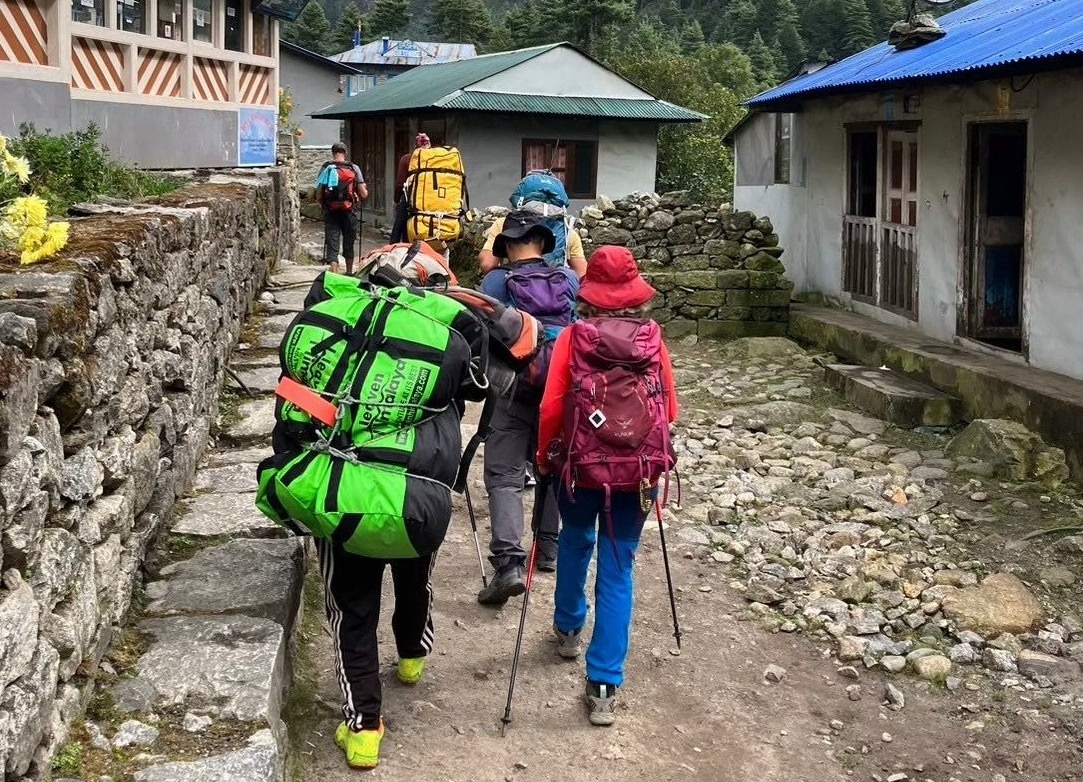
What Ethical Porter Policies Should You Look For Everest Cho La Pass Trek?
Look for 5 ethical porter policies: a written load limit of 30 kg or less, proper clothing and footwear, insurance, a fair wage paid directly, and shelter and food equal to the trekkers' standard. The International Porter Protection Group (IPPG) sets the 30 kg maximum load guideline and publishes welfare standards.
Many responsible operators cap loads lower. A 1-porter-per-2-trekkers ratio with a 10 kg duffel per trekker yields a 20 kg load, well under the IPPG limit. Lukla flight baggage rules, at about 15 kg per person including hand luggage, keep duffels light.
Cho La adds a pass-specific requirement. Porters cross snow and ice, so they require insulated boots, gloves, sunglasses, and traction devices. A porter without proper footwear on ice creates a risk for the whole team. Ask 3 questions: What is the written weight limit? Who pays for porter insurance? What equipment do porters receive for pass crossings? A company's Responsible Tourism Statement shows its commitments in writing.
What Questions Should You Ask Before Booking an Everest Cho La Pass Trek?
Ask 10 questions before paying a deposit, and request written answers to each. The questions cover registration, guides, acclimatization, ratios, rescue, costs, porters, delays, cancellations, and insurance.
Which license, PAN, and TAAN numbers does the company hold?
Who is the lead guide, and how many Cho La crossings has he or she completed?
How many acclimatization days does the itinerary include?
What is the guide-to-trekker ratio on pass day?
What does the written evacuation plan say?
Which permits and fees does the price cover?
What are the porter load limit and wage policy?
How does the company handle weather and flight delays?
What are the booking, cancellation, and refund terms?
Which insurance cover does the company require from trekkers?
The next 3 subsections expand the ratio, the policies, and the delay plan, which trekkers most often skip.
What Is the Guide-to-Trekker Ratio for Everest Cho La Pass Trek?
The recommended guide-to-trekker ratio for Cho La Pass is 1 guide per 4 trekkers, with 1 assistant guide added for any group above 6. Larger groups add one guide for every additional 4 trekkers.
The assistant guide earns the cost. When 1 trekker develops altitude sickness at Dzongla or on the pass, the assistant escorts that trekker down while the lead guide continues with the rest. A 1-to-8 ratio means one sick trekker ends the trek for 7 others. Private and small-group treks run 1 guide for 1 to 3 trekkers, plus porters, which delivers constant monitoring and the flexibility to turn around.
Ask whether the quoted ratio applies on pass day or only as an average across the trek. Ask where the guides stand during the crossing. One at the front and one at the back keeps the whole group in view.
What Are the Booking, Cancellation, and Refund Policies of Everest Cho La Pass Trek?
Reputable companies publish a deposit of 10% to 30%, a dated cancellation schedule, and rescheduling terms for events outside your control. Read the full terms before you transfer funds.
Check 6 clauses:
Deposit percentage and whether the deposit is refundable
Cancellation notice period and the refund tied to each date
Balance payment timing (many Kathmandu operators accept the balance on arrival)
Date-change rules and credit toward future trips
Treatment of weather, flight, political, and airport-closure disruptions
Refund terms for leaving the trek early because of illness
The last clause surprises most trekkers. Services for unused days, such as lodges and guide wages, are generally non-refundable once the trek starts. Travel insurance covers that loss, so buy it before you pay the deposit. Card payments often carry a 3% to 4% fee. Payment in full upfront to a personal account is a red flag.
What Happens if Bad Weather or Flight Delays Disrupt the Everest Cho La Pass Trek?
When weather or flight delays disrupt the trek, a reliable company takes 4 steps: re-sequence the itinerary using buffer days, rebook Lukla seats, price a helicopter alternative, and document extra costs for your insurer. Request this plan in writing before you book.
Lukla flights delay or cancel for cloud, wind, and visibility. In 2026 peak seasons, flights depart from Manthali (Ramechhap), a 3 to 4 hour drive from Kathmandu, with a 15 to 20 minute flight. Kathmandu departures take 30 to 35 minutes. Typical 2026 fares run about US$450 to US$500 from Kathmandu and about US$400 from Manthali, plus about US$150 per jeep for the road transfer.
On the trail, snowfall can close the pass for 24 to 48 hours. Strong plans include a Plan B: wait at Dzongla for 1 day, or retrace the route through Lobuche, Dingboche, and Namche Bazaar and reach Gokyo through Dole. Seasonal weather patterns appear on the Best Time to Trek in Nepal page. Insurance with trip-delay and evacuation cover absorbs most of the cost.
How Can Heaven Himalaya Help You Choose the Right Everest Cho La Pass Trek?
Heaven Himalaya helps you choose by matching your experience, dates, and group size to an 18-day Everest Base Camp, Gokyo, and Cho La Pass itinerary, then answering the 10 questions in this guide in writing before you pay a deposit. We operate from Kathmandu.
The EBC, Gokyo and Chola Pass Trek runs 18 days and 17 nights from Kathmandu to Kathmandu. It crosses Cho La Pass (5,420 m) on Day 11, after Everest Base Camp and Kala Patthar. It includes 2 acclimatization days, at Namche Bazaar and Dingboche, and a free Kathmandu day on Day 17 that doubles as a flight buffer.
The 2026 price ladder per person (twin share) reads:
1 trekker: US$1,999
2 to 3 trekkers: US$1,749
4 to 6 trekkers: US$1,699
7 to 12 trekkers: US$1,549
13 to 20 trekkers: US$1,499
The price covers airport transfers, 4 nights in a 3-star Kathmandu hotel, 14 nights in trail guesthouses, round-trip Lukla flights, permits, a licensed English-speaking guide, 1 porter per 2 trekkers, guide and porter insurance, a duffel and sleeping bag for the trek, and a first-aid kit with pulse-oximeter monitoring. International airfare, the US$50 Nepal visa, travel insurance, Kathmandu lunches and dinners, and tips remain separate.
The booking terms are direct. A 20% deposit confirms your place, and the balance can be paid in Nepal. Cancellations require email notice at least 15 days before departure, and the deposit is non-refundable on cancellation. For weather, safety, political, or airport-shutdown events, the deposit can move to a future trip.
Plan your Cho La Pass trek with Heaven Himalaya. Send us your dates, group size, and experience level. We reply with a written itinerary, guide ratio, and evacuation plan.
Message: Contact Us or WhatsApp +977 985 1273867
Email: info@heavenhimalaya.com
Office: Gitanjali Chowk, Dathu Sadak, Kathmandu, Nepal
Next step: How to Book a Trip With Us or Customize Trip
Why Should You Consider Heaven Himalaya for Your Everest Cho La Pass Trek?
Consider Heaven Himalaya for 5 documented reasons: 13+ years of operating experience in Nepal, published legal documents, a 5.0 rating from 160 Tripadvisor reviews, an itinerary with 2 rest days and a buffer day, and transparent group-size pricing. Each reason is checkable.
Our Legal Documents page publishes 6 certificates: company incorporation, PAN and VAT registration, a Department of Cottage and Small Industries license, a Ministry of Industry, Tourism, Forest and Environment license, a Kathmandu Metropolitan City registration, and TAAN membership. The package page displays the 5.0 Tripadvisor rating and Travelers' Choice recognition for 2021 to 2025. Ask for our guide's license number, first-aid certificate, and Cho La crossing record when you inquire.
Trade-offs exist. The route uses teahouses, not luxury lodges, and the pass day remains a 7-to-9-hour effort. The itinerary can be customized to about 14 days, but a shorter schedule removes buffer and rest. Weigh that cost against your fitness and flight date. The EBC, Gokyo and Chola Pass Trek suits trekkers with prior multi-day experience who want the pass, Gokyo, and Everest Base Camp in one journey.
What Should You Remember When Choosing the Best Trekking Company for the Everest Cho La Pass Trek?
Remember 6 rules when choosing the best trekking company for the Everest Cho La Pass trek: verify licenses, require 2 acclimatization days, demand a written rescue plan, test the price against the US$1,250 cost floor, confirm the guide ratio and porter policy, and book 4 to 6 months ahead.
Verify company registration, PAN, TAAN membership, and guide licenses with the issuing bodies
Require at least 2 acclimatization days and a buffer day in the itinerary
Demand a written evacuation plan, plus insurance that covers 6,000 m and helicopter rescue
Test every price against the estimated floor of about US$1,250 per person
Confirm the 1-to-4 guide ratio on pass day and a porter load limit of 30 kg or less
Book spring 2027 dates now to secure Lukla seats and high-altitude lodge rooms
Cho La Pass rewards preparation. The right company turns a demanding 5,420 m crossing into the highlight of the Khumbu. Use the 10 questions above, compare answers in writing, and choose the operator whose documents, guides, and plans hold up under inspection.