Annapurna Circuit Trek
- Book Instantly Directly with local Provider
- The best price guarantee
- No booking fee
- DestinationNepal
- Duration15 days
- Trip DifficultyModerate
- ActivitiesTrek
- Max. Elevation5416m.
- Group Size15+
- VehicleCar, Deluxe AC Bus
- AccommodationHotel, teahouse and lodge
- MealsB,L,D
Trip Note for Annapurna Circuit Trek
The Annapurna Circuit Trek takes you to the diverse Annapurna Circuit trail through lush valleys, alpine forests, and high mountain passes, including the challenging Thorong La Pass at 5,416m. Unlike other base camp treks in Nepal, this is a true loop, meaning you rarely walk the same trail twice. Blending dramatic landscapes, cultural encounters with Gurung, Thakali, and Manangi communities, and iconic Himalayan panoramas, this trek is a perfect choice for those who want the full Annapurna experience with an extra scenic highlight.
The Annapurna Circuit Trek (ACT) stands as one of the world's most celebrated hiking adventures, which goes around the mighty Annapurna massif. This classic route takes trekkers through an incredible variety of landscapes, from subtropical forests to high-altitude deserts, all while crossing the legendary Thorong La Pass at 5,416m, which is why this trek is also called Thorong La Pass trek. What makes this trek truly special is how it combines natural grandeur with an authentic cultural experience in a single journey.
The Annapurna region was officially opened to foreign trekkers in 1977. Before this, it was a restricted zone due to Khampa (Tibetan) guerrilla activity. In the 1990s and 2000s, the road to Besisahar was constructed, becoming the classic trailhead for the next two decades. From the 2010s to the present, extensive road construction has elevated the walkable trail. Today, the real trekking begins at Chame or Manang, drastically changing the nature of the expedition.
Hence, the modern route officially begins with taking a jeep from Besisahar to Dharapani, then to Chame, thereby skipping the dusty, low-altitude road and shortening the trek to 12-15 days. Likewise, the trek ends at Jomsom, and some trekkers fly to Pokhara, while others continue down to Tatopani and Ghorepani to finish near Pokhara. The Annapurna Circuit distance covers roughly 160-230 kilometers, depending on the exact route and side trips taken.
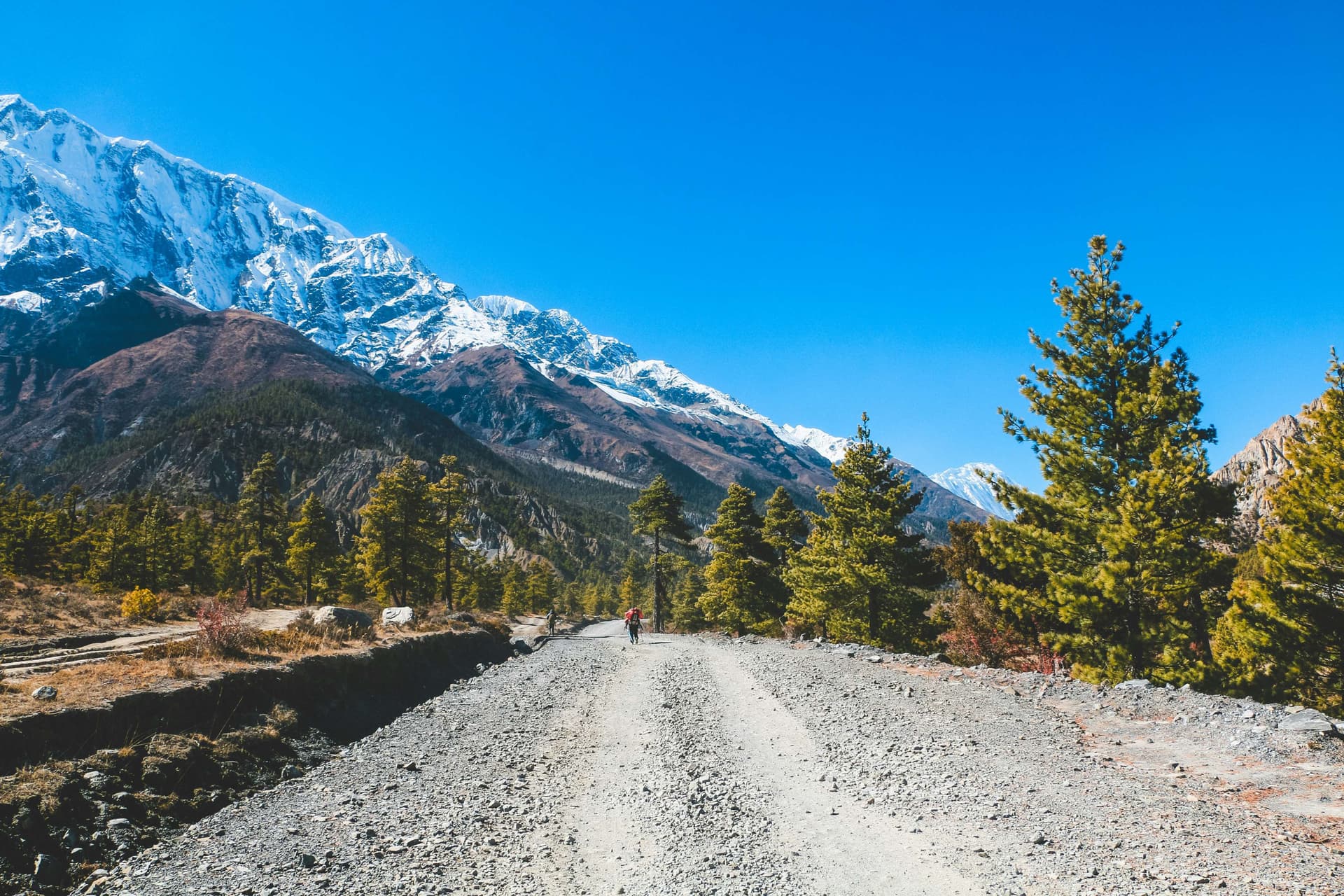
The ACT route lies within the Annapurna Conservation Area Project (ACAP), the largest protected area in Nepal. The trek offers constant views of towering peaks, including the Annapurna I (8,091m), Dhaulagiri (8,167m), Manaslu (8,163 m), and Machhapuchhare peak. The Annapurna Circuit trekking route passes through different climate zones, starting in the subtropical jungle and continuing through temperate forests to the alpine zone. Once you cross the Thorong La Pass into Mustang, the landscape transforms into an arid, wind-swept desert resembling that of Tibet.
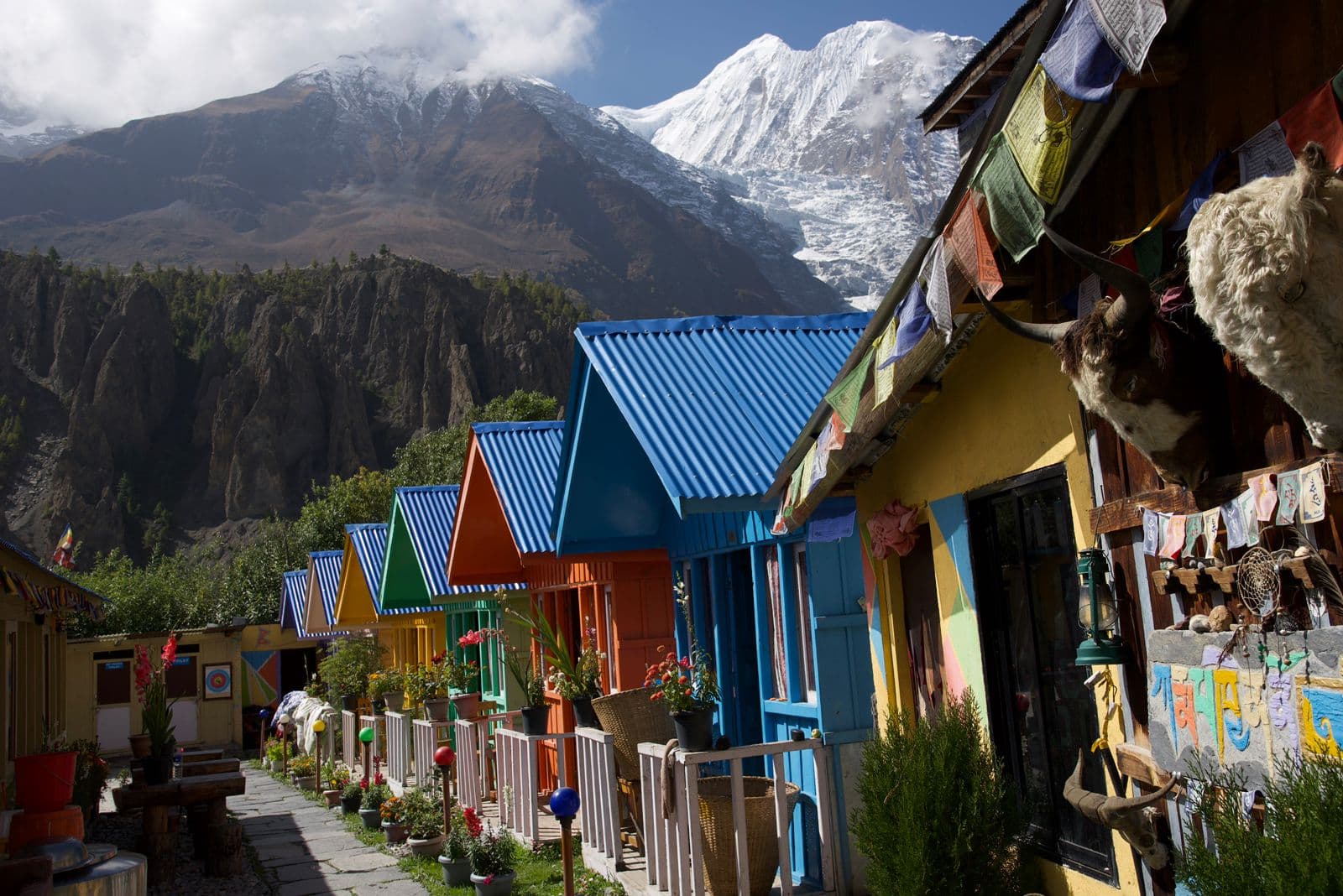
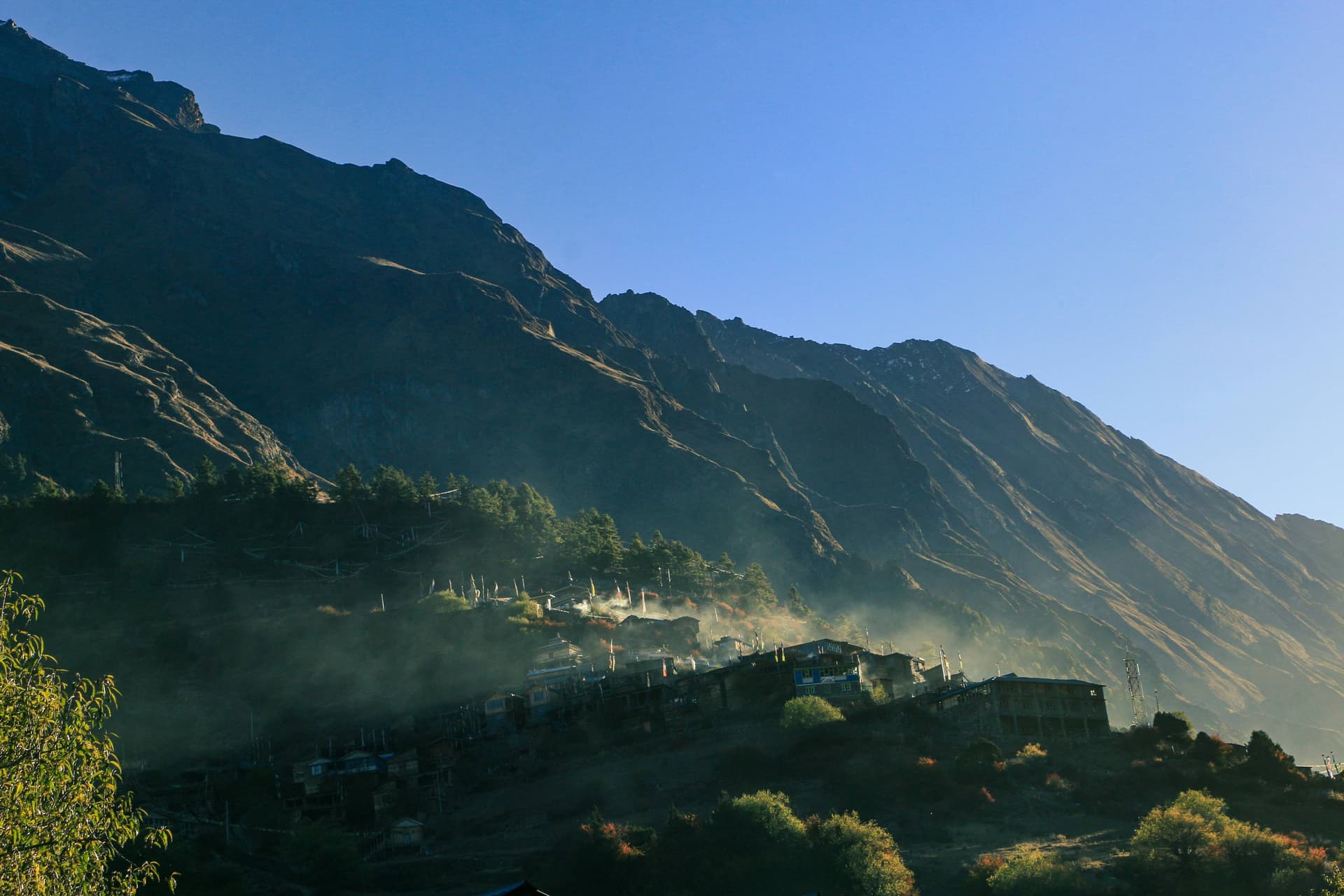
The ACT difficulty is considered moderate to challenging, primarily due to the high altitude. With the proper preparation and acclimatization, most reasonably fit trekkers complete this circuit successfully. Nonetheless, throughout the trek, the natural beauty is matched with cultural depth. In the lower areas, you'll pass through traditional Gurung and Magar villages. As you go higher, you'll come across Tibetan Buddhist communities. Fluttering prayer flags, ancient monasteries dot the hillsides, and the warm hospitality in teahouses makes every night a special one
Highlights of Annapurna Circuit Trek
- Cross the iconic Thorong La Pass at 5,416m, one of the highest trekking passes in the world
- Experience the diverse cultural heritage in traditional Gurung and Manangi villages.
- Enjoy the hike inside the pristine Annapurna Conservation Area
- Visit Muktinath, a sacred pilgrimage site revered by both Hindus and Buddhists
- Journey through distinct Himalayan regions from the lush Manang Valley to the arid Mustang Valley
- Witness spectacular views of Mt. Annapurna, Dhaulagiri, Thorong Peak, Nilgiri, and Chulu West.
- Explore the Kali Gandaki Gorge, the world's deepest gorge
- Acclimatization hikes to Ice Lake, Gangapurna Lake, or the ancient Braga Monastery from Manang
- Explore Jomsom, the administrative center of the Mustang district, renowned for its stunning landscapes
- Relax in Pokhara, Nepal's premier tourist hub beside tranquil Phewa Lake
- Experience captivating sunrise and sunset views over Annapurna II, Annapurna IV, Lamjung Himal, and Tukuche Peak
Why choose Heaven Himalaya for the Annapurna Circuit Trek?
Owner-Led Personal Service
Unlike large trekking agencies that operate like call centers, where you talk to a sales agent, Heaven Himalaya follows a "boutique" approach, where the founder, Ramhari Adhikari, is hands-on. Undoubtedly, having direct access to the owner creates a layer of accountability that employees cannot match. If you're unsure about packing lists, visa procedures, or currency exchange, you can get answers directly from the decision-maker.
Proven 5-Star Ratings
If you are one of those who seek good reviews before booking a travel package, then you are in the right place, as Heaven Himalaya consistently receives high scores on third-party platforms like TripAdvisor and Trustpilot, replicating reliability and authenticity. The Annapurna Circuit is a long and arduous commitment. A 5-star rating specifically for this route suggests that the agency handles the most challenging aspects of trekking effectively, such as what to do when a teahouse is fully booked or when a trekker falls ill.
Rigorous Altitude Protocols
Acute Mountain Sickness is the most significant risk factor on the circuit, especially crossing Thorong La (5,416m). However, the guides at Heaven Himalaya monitor your oxygen saturation in the blood daily using pulse oximeters. On the rest days in Manang, they don't let you sleep; they take you on hikes to higher elevations and bring you back down to sleep, which is scientifically proven to aid acclimatization.
Sustainable "Refill Not Landfill"
Heaven Himalaya highly encourages its clients not to buy single-use mineral water bottles, which are a major contributor to plastic pollution in the Himalayas. They likely provide water purification tablets or boiled water services. They ensure porters carry safe weights, have proper hiking boots, and are insured. A happy porter team creates a positive atmosphere for the whole group.
Transparent All-Inclusive Pricing
Heaven Himalaya offers transparent pricing policies preventing unexpected costs. After you book, there won't be any surprise charges for permits, guides, meals, or porters. All fees and emergencies are covered in advance, so there will be no additional costs. You don't have to bring a lot of cash into the mountains because you can pay in bundles for permits, meals, lodging, and staff costs.
Fully Licensed Operations
Heaven Himalaya holds registration with the Department of Tourism and Trekking Agencies' Association of Nepal (TAAN). This is critical for insurance. If you need a helicopter rescue, your insurance company will likely require official documentation from a licensed agency. If you trek with an unlicensed "freelance" guide, your insurance claims could be denied.
Flexible Small-Team Adaptability
As a boutique agency, Heaven Himalaya is always ready to tweak itineraries to accommodate fitness levels, weather conditions, or add Tilicho Lake detours. In contrast to large group tours, which run on rigid, military-style schedules, this small group allows for real-time adjustments
When is the best time for the Annapurna Circuit Trek?
The best time to trek the Annapurna Circuit is spring (March to May) and autumn (September to November). However, because the ACT route passes through different climatic zones from sub-tropical forests to high-altitude passes, the best time depends on what you value more: crystal clear mountain vistas or warmer weather or colorful flowers.
Autumn stands out as the most popular season, and for good reason. The best season for the Annapurna Circuit trek follows the monsoon, bringing crisp, clear skies and dry trails with the daytime temperatures of 15-20°C in lower areas. The weather remains dry primarily and predictable, although nights can be freezing at higher altitudes. October is the best time to hike the Annapurna Circuit if clear views are a priority for you. Most of the teahouses are open, and trail services are more reliable during this time of year.
It feels different in the spring, particularly in April and May, when the vibrant rhododendron flowers bloom in color, highlighting the scenery. Because of the longer days and higher temperatures, these months are perfect for hiking. However, afternoon clouds can sometimes obscure mountain scenery, and you'll share the trail with more trekkers than you might expect.
The monsoon rains in the summer make the circuit much harder, but some brave people still do this trip. Fewer crowds result in a more peaceful experience, accompanied by lower accommodation costs. However, above Manang, which is a rain shadow area, is relatively dry. But there is a high risk of frequent landslides, and poor visibility due to clouds can obscure the mountain view.
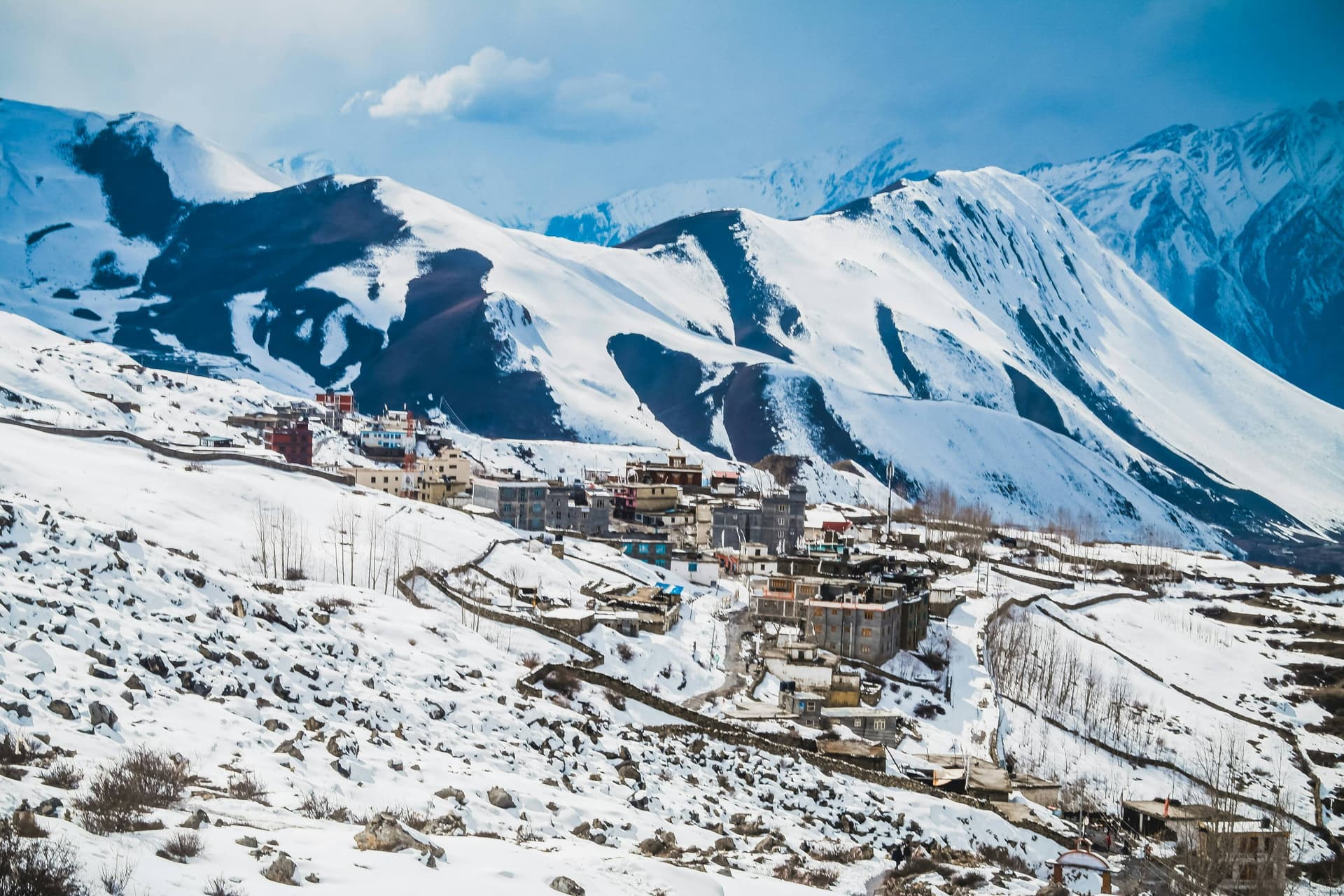
Winter treks, such as the Annapurna Circuit Trek in January, require careful planning and technical gear. Snowfall around Thorong La Pass can be heavy and risky. Many teahouses closes, become impassable, and daylight limits daily progress severely. But the winter Annapurna Circuit trek offers crystal-clear skies that reveal stunning Himalayan panoramas. You can enjoy complete solitude on the Annapurna trekking routes, along with rock-bottom prices for teahouses and guides.
Ultimately, the best time of year for the Annapurna Circuit depends on your priorities. Some trekkers don't mind dealing with afternoon clouds or even some rain if it means they're not walking in a line of trekkers. Others want that reliability— they've saved up for this trip, and they want guaranteed views. The Annapurna Circuit's going to be memorable either way, let's be honest. But picking the right season that matches what you actually want out of the experience makes a difference.
How much does the Annapurna Circuit Trek cost?
The total cost for the Annapurna Circuit trek in 2026 ranges from $700 to $2,100 USD per person, depending on the trekking style, duration, group size, season, and level of luxury. For the budget option, the estimated cost is USD 900 to 1,100, which includes a local porter-guide, local buses, Dal Bhat for meals, and minimal snacks
The Annapurna Circuit trek package cost varies by nationality as well. The ACAP permit cost and TIMS card cost differ for foreign nationals (~$23). In contrast, SAARC nationals are charged NPR 1,000, and Nepalese citizens are charged NPR 100, or sometimes it is free.
Similarly, food prices on the Annapurna Circuit are also not fixed; they rise with elevation. Transportation costs also vary from local buses to private jeep rentals. Thus, Annapurna Circuit daily expenses fluctuate.
The guided Annapurna Circuit trek prices range from $1,200 to $ 1,600 per person. This mid-range package includes hiring a dedicated English-speaking guide, flying back from Jomsom, extra budget for snacks, drinks, Wi-Fi, hot showers, and device charging. There is a luxury travel option that costs $2,000 above, which includes premium accommodation and transportation.
Generally, the Annapurna Circuit trek cost breakdown is as follows: permits cost $30, transportation to the trailhead (by bus/jeep) costs $10-$ 50, and the return flight/jeep from Jomsom to Pokhara costs $100-$ 200. Teahouses cost $5-$25 per day for the basic twin room, and meals cost $15-$30 per day. Guides cost $20-$35 per day, and porters cost $15-$25 per day.
Additional expenses include travel insurance, which costs $100-$200; tips, $100-$150; gear rental, $50-$100; and miscellaneous items such as Wi-Fi, battery charging, hot showers, and snacks, as well as safe drinking water, which costs $100-$200. During the peak trekking season, the Annapurna Circuit trek costs 2026, adding 10-20% due to demand
Day-to-Day Annapurna Circuit Itinerary
- Day 01: Arrival at Kathmandu and transfer to hotel
Kathmandu Airport (1,400 m / 4,593 ft) to hotel in Thamel. Time Required: ~30 minutes drive. Distance: ~6 km (3.7 miles). Overnight at hotel. - Day 02: Drive from Kathmandu to Besisahar
Kathmandu (1,400 m / 4,593 ft) to Besisahar (760 m / 2,493 ft). Time Required: ~6–7 hours. Distance: ~150 km (93 miles). Overnight at guesthouse. - Day 03: Drive from Besisahar to Jagat
Besisahar (760 m / 2,493 ft) to Jagat (1,300 m / 4,265 ft). Time Required: ~4–5 hours. Distance: ~35 km (22 miles). Overnight at guesthouse. - Day 04: Trek from Jagat to Dharapani
Jagat (1,300 m / 4,265 ft) to Dharapani (1,860 m / 6,102 ft). Time Required: 5–6 hours. Distance: ~14 km (8.7 miles). Overnight at teahouse. - Day 05: Trek from Dharapani to Chame
Dharapani (1,860 m / 6,102 ft) to Chame (2,670 m / 8,760 ft). Time Required: 5–6 hours. Distance: ~12 km (7.5 miles). Overnight at guesthouse. - Day 06: Trek from Chame to Pisang
Chame (2,670 m / 8,760 ft) to Lower Pisang (3,200 m / 10,499 ft) to Upper Pisang (3,300 m / 10,827 ft). Time Required: 4–5 hours. Distance: ~9 km (5.6 miles). Overnight at guesthouse. - Day 07: Trek from Pisang to Manang via Ghyaru & Ngawal
Upper Pisang (3,300 m / 10,827 ft) to Ghyaru (3,410 m / 11,188 ft), Ngawal (3,530 m / 11,581 ft), and arrive at Manang (3,540 m / 11,614 ft). Time Required: 6–7 hours. Distance: ~14 km (8.7 miles). Overnight at guesthouse. - Day 08: Acclimatization Day in Manang
Manang (3,540 m / 11,614 ft) – day hikes to Ice Lake (4,000 m / 13,123 ft), Braga Monastery (~3,600 m / 11,811 ft), and Gangapurna Lake (~3,700 m / 12,139 ft). Time Required: 2–6 hours depending on hike. Distance: 5–12 km (3–7 miles). Overnight at guesthouse. - Day 09: Trek from Manang to Yak Kharka
Manang (3,540 m / 11,614 ft) to Yak Kharka (4,050 m / 13,287 ft). Time Required: 4–5 hours. Distance: ~10 km (6.2 miles). Overnight at guesthouse. - Day 10: Trek from Yak Kharka to Thorong Phedi
Yak Kharka (4,050 m / 13,287 ft) to Thorong Phedi (4,525 m / 14,848 ft). Option to hike to High Camp (4,925 m / 16,155 ft). Time Required: 4–5 hours. Distance: ~8 km (5 miles). Overnight at guesthouse. - Day 11: Cross Thorong La Pass and trek to Muktinath
Thorong La Pass (5,416 m / 17,769 ft) to Muktinath (3,800 m / 12,467 ft). Time Required: 9–12 hours. Distance: ~16–18 km (10–11 miles). Overnight at guesthouse. - Day 12: Trek from Muktinath to Kagbeni Muktinath (3,800 m / 12,467 ft) to Kagbeni (2,810 m / 9,219 ft). Time Required: 4–5 hours. Distance: ~11 km (6.8 miles). Overnight at guesthouse.
- Day 13: Trek from Kagbeni to Jomsom
Kagbeni (2,810 m / 9,219 ft) to Jomsom (2,720 m / 8,923 ft). Time Required: 3–4 hours. Distance: ~10 km (6.2 miles). Overnight at guesthouse. - Day 14: Fly or drive from Jomsom to Pokhara
Jomsom (2,720 m / 8,923 ft) to Pokhara (910 m / 2,985 ft). Flight time: ~20 minutes. Drive: ~6–7 hours (~170 km / 105 miles). Overnight at hotel. - Day 15: Drive or fly from Pokhara to Kathmandu and Departure
Pokhara (910 m / 2,985 ft) to Kathmandu (1,400 m / 4,593 ft). Flight time: 25 minutes. Drive: ~6–7 hours (~200 km / 124 miles).
Inclusions/Exclusions
- Round-trip transport from Kathmandu to Besisahar/Jagat by private vehicle and all ground transportation during the trek, including airport/hotel transfers.
- 2 nights’ accommodation in a 3-star hotel in Kathmandu with breakfast.
- 13 nights’ accommodation during the trek in best available guesthouses (twin-sharing basis). Where possible, private bathrooms with hot showers are provided in key stops.
- All meals (breakfast, lunch, and dinner) during trekking days.
- Snacks of fresh seasonal fruits on trekking days.
- Annapurna Conservation Area entry permit and other required trekking permits.
- A licensed, English-speaking, experienced trekking guide.
- Assistant guide for groups of 6+ trekkers.
- Porters to carry baggage (1 porter for 2 trekkers).
- All costs for guide and porter’s food, accommodation, salary, and equipment, including accidental insurance.
- Trekking gear provided: duffel bag and sleeping bag.
- Heaven Himalaya T-shirt, route map, and trekking completion certificate.
- Oximeter to monitor oxygen and pulse during high-altitude trekking.
- Comprehensive first-aid kit carried by the guide.
- Emergency rescue assistance (to be funded by your travel insurance if needed).
- All required paperwork, government taxes, and service charges.
- Nepal entry visa fees (USD 30, obtainable on arrival at Kathmandu airport).
- Travel insurance, including coverage for emergency high-altitude rescue.
- Extra accommodation or meals outside the planned itinerary.
- Beverages, including alcoholic and nonalcoholic drinks.
- Additional costs caused by weather, natural events, illness, strikes, or government policy changes.
- Personal expenses such as shopping, Wi-Fi, battery charging, laundry, hot showers (where not included), and snacks beyond those provided.
- Personal trekking equipment (boots, clothing, sleeping bag, etc.).
- Tipping for guides and staff (recommended as per Nepali custom).
- Any other costs not explicitly mentioned in the inclusions.
Dates & Availability
Note to Travelers
Start dates are when your trek begins, and end dates are when the trip ends and you leave Nepal.
We specially quoted and specified the below list of start dates for the group joining option. Let us know if the below start dates do not work for you; we will surely add your available days to fit your interest.
- Guaranteed: We guarantee Annapurna Wtth Tilicho Lake trips to run.
- Available: The trip is available to run when the minimum group size is met.
- Limited: Hurry; only a few seats are available.
Select Departure Date
Trip Duration: 15 days
April 2026
Su
Mo
Tu
We
Th
Fr
Sa
29
30
31
1
2
3
4
5
6
7
8
9
10
11
12
13
14
15
16
17
18
19
20
21
22
23
24
25
26
27
28
29
30
1
2
Number of Travelers
How many are traveling?
Total Price
Adult: US $ x 1
US $0
15 days Annapurna Circuit Trek Itinerary
Day 01: Arrival in Kathmandu
Arriving in Kathmandu, the capital city of Nepal, feels busy right away. Once you step out of the airport, the city welcomes you with traffic, dust, and energy all at once. It can feel overwhelming at first but that's part of the experience.
On the drive to the hotel, watch the streets. Motorbikes weave through cars, vendors line the roads, and temples appear where you least expect them. Trekkers often stay in Thamel, and it serves as a good base with easy access to food options, gear shops, and currency exchange facilities. After resting, visit the head office of Heaven Himalaya for a trek briefing and gear check. Later, prepare for the upcoming adventure trekking to the Annapurna Circuit in Nepal.
Day 02: Drive from Kathmandu to Besisahar (760m)
Today you'll begin your journey toward Besisahar. While driving through the scenic Prithivi Highway, you'll see a gradual change from busy Kathmandu to a quiet countryside. Relish the views of terraced farms, rivers, and green hills from the bus window.
The drive continues alongside the Tirshuli and Marshyangdi Rivers. While taking this road trip, you get a chance to observe daily rural life in the roadside towns. You get the feeling of leaving city life behind.
Finally, after long hours of road journey, you arrive at Besisahar, the gateway to the Annapurna Circuit. After settling into the teahouse, you have the opportunity to rest and organize your trek gear. You can enjoy the evening walk through the lively local bazaar and village streets. Make final preparations before entering the Annapurna trekking region.
Day 03: Drive from Besisahar to Jagat (1,300m)
An adventurous off-road drive into the Annapurna region awaits today. Continue your second day road trip through mountain roads with dramatic valley views. On the way, you'll pass the quaint villages like Bhulbhule and Syange.
In between, you can make a stop to enjoy the magnificent sight of waterfalls, steep hillsides, and terraced fields. Today, the Marshyangdi River still follows you. Yes, the bumpy rides add excitement to the journey. But as you mean to arrive in Jagat village, you'll feel as if entering a more remote area.
Finally, you arrive in Jagat, where you could have the first experience of mountain-style settlements. Compared to Besisahar, you'll find this village quieter. Yes, you'll get a strong sense of being far from modern city life.
Day 04: Trek from Jagat to Dharapani (1,860m)
Are you ready to enjoy the first day of trekking on the ACT route? The hiking trail begins alongside the Marshyangdi River. You'll walk through rocky terrain, and side by side, you can enjoy the view of waterfalls. Along the way, you'll cross several suspension bridges.
Walking for a while, you come across the village of Chamje. Continuing, you'll make a stop at Tal, where the sight of the wide river valley will stun you. Onward, you enter the Manang district. There will be a noticeable change in landscape and culture. You'll encounter more villages influenced by Gurung and Tibetan traditions.
Eventually, you arrive at Dharapani, an important trekking stop for those making their way to Thorong La Pass. You can explore the village and get a sense of cultural richness. Breathe in the fresh air and take in the stunning mountain scenery around you.
Day 05: Trek from Dharapani to Chame (2,670m)
The day begins with the steady ascent through quiet forest trails. As you pass through the traditional villages of Bagarchhap and Danakyu, you'll sense the first strong feeling of being in the Manang region. While walking, you'll notice a drop in temperature compared to the lower settlements.
The hiking trail winds through a cool pine forest, where you can catch the fresh mountain air. Today's trek reward is the first clear views of the high Himalayan peaks. The sight of Lamjung Himal, Manaslu, and Annapurna II is spellbound. Continuing a scenic walk with widening valley views, you arrive at Chame.
Chame is the district headquarters of Manang. If time allows, you can enjoy a peaceful evening walk around the village. There is a natural hot spring near the town, which is worth visiting.
Day 06: Trek from Chame to Pisang (3,200m)
The walk from Chame to Pisang is moderate but a very scenic day. Now, the Annapurna Circuit trail grows more alpine and culturally Tibetan from here onwards. The route passes through Bhratang, Dhukur Pokhari, Lower Pisang, and Upper Pisang. In between, the trail goes through a tranquil forest with sections of jeep road.
The striking feature of today's hike is Paungda Danda, also known locally as Swarga Dwar. This gate is a vast, smooth rock face curving like the side of a bowl, rising roughly 1,500 meters above the river. So, basically, this gate is regarded as a "gateway to heaven."
First, you reach Lower Pisang, which sits near the road and river. If you're not too tired, continue toward Upper Pisang (3,300m), which is just 100m away. You can see more traditional stone and timber houses, mani walls, and get a more Tibetan vibe. You can make a cultural stop at the monastery, which lies above Upper Pisang. This monastery can be a peaceful stop where you can enjoy an evening puja and a superb vantage point over the valley and surrounding peaks.
Day 07: Trek from Pisang to Manang (3,540m)
Today, you have to choose from two paths leading to Manang. The lower route from Lower Pisang goes through Humde, Munchi, and Barga. This route is shorter and manageable, but you have to pass through the jeep track. In contrast, the high route from Upper Pisang passes through two traditional hamlets, Ghyaru and Ngawal. This route is longer and steeper, but it rewards you with unobstructed sights of the mountain.
After walking through the pine forests, you enter more barren slopes, alpine pastures, and deep Marshyangdi Valley gorges. From this higher route, you'll get continuous panoramas of Annapurna II, III, IV, Gangapurna, and Tilicho Peak. These giant snowcapped peaks frame the path, with a clear sky view.
The arrival in Manang features a "Welcome to Manang" arch, clusters of chortens and traditional stone houses. Manang serves as the ideal acclimatization stop, offering several hiking options. This authentic Tibetan-style village has local bakeries and monasteries.
Day 08: Acclimatization Day at Manang
Now, you are at an altitude above 3,500 meters, so, following the acclimatization rule, you must climb high and sleep low. This will help you prevent altitude sickness while hiking to the high Himalayan pass of Thorong La.
There are many acclimatization hiking options, famous among trekkers, including Ice Lake (Kicho Tal), Gangapurna Lake, and Braga Monastery. Ice Lake is a long one, taking around 6-8 hours round-trip from Manang. However, this side trip is worth it for the panoramic views of Annapurna III, Gangapurna, and Pisang Peak.
Similarly, the Gangapurna Lake is a short 2-3 hour excursion. You can visit Braga Monastery, an ancient gompa with murals. Alternatively, aside from the acclimatization hikes, you can explore Manang's Tibetan-style village, which features shops and prayer wheels.
Day 09: Trek from Manang to Yak Kharka (4,050m)
Although today's trek is short in distance, you'll gradually ascend over more than 10km. You'll follow a steady uphill path that comes across Gunsang and Ledar. You'll witness flat-roofed houses, mani stones, and prayer flags in a traditional Tibetan Buddhist style.
The trail bestows upon you expansive vistas of the smoky Manang Valley below, against snow-capped backdrops. The hike goes through serene alpine meadows dotted with hardy shrubs and wildflowers. You'll hike on barren, Tibet-like terrain with vast skies, and no trees mark the high Himalayan shift.
Finally, your walk ends at Yak Kharka's open grazing pastures amid yaks and stone lodges. You get a chance to encounter the yak herding communities and taste the glimpses of highland life. You have the opportunity to visit farms, sample yak cheese, and observe the butter-making process.
Day 10: Trek from Yak Kharka to Thorong Phedi (4,525m)
Today is another crucial acclimatization step before the Thorong La Pass, where you encounter stark alpine scenery and minimal vegetation. On the way, you pass through Churi Ledar, a quiet hamlet with teahouses for short breaks.
The trek path navigates steep switchbacks and narrow paths carved into the mountainsides where yaks graze. In the middle of the hike, you have to cross a tense landslide-prone section with massive boulders. Here, you need to walk a little faster until you reach the lodges at Thorong Phedi.
You get the jaw-dropping views of Chulu West, Annapurna II, Gangapurna, and surrounding peaks framing the narrowing valley. Thorong Phedi, meaning "foot or base of Thorong," is the last temporary settlement before Thorong La Pass. You can opt for a 1-hour hike up to High Camp (4,925m) for pass practice.
Day 11: Cross Thorong La Pass (5,416m) and Trek to Muktinath (3,800m)
Excited, one of the toughest days of the Annapurna Circuit, which is a total of 16 to 18 km journey taking 9 to 12 hours. This is a day where you make transitions from Manang's alpine valleys to Mustang's arid desert landscapes.
Begin a pre-dawn hike from Thorong Phedi and navigate steep switchbacks on loose scree and moraine, amid freezing winds and thin air. At the summit, prayer flags flutter, offering a chance to celebrate with views of Annapurna II, Gangapurna, Dhaulagiri, Chulu peaks, and the distant Tilicho peak.
After celebrating, you start a knee-jarring downhill trek towards Muktinath. The trail drops sharply into Mustang's barren, brown Kali Gandaki gorge. You'll pass a few isolated villages, such as Charang. Finally, after a long day of hiking, you reach the sacred Muktinath Temple, a primary Hindu-Buddhist pilgrimage site with 108 waterspouts, an eternal blue flame, and a Vishnu temple.
Day 12: Trek from Muktinath to Kagbeni (2,810m)
Before heading to Kagbeni, you'll visit the sacred Muktinath temple early in the morning. You'll see Muktidhara, a set of 108 cow-head spouts that channel icy holy water, where pilgrims take a bath to cleanse their sins and purify their souls. Also, in front of the temple, there are two kundas (ponds). After taking a bath under 108 waterspouts, you must take ritual dips in these kundas so that it is a complete circle.
Similarly, visit the Jwala Mai temple, where you can see the eternal natural gas flame burning continuously. Next, the highlight is the main Vishnu temple, a pagoda-style shrine featuring idols of Lord Vishnu, Shiva, and Parvati. There are many viewpoints newly built with a large statue of Lord Buddha, from where savor the alluring sights of the Annapurna and Dhaulagiri peaks.
Next, you trek from Muktinath to Kagbeni following the Kali Gandaki River. Enjoy the dramatic Mustang's rain-shadow desert. You'll see rusty red/orange canyon walls resembling the Grand Canyon. These walls are wind-sculpted escarpments. The trail passes through Jhong village, featuring a 14th-century ruined fort, mani walls, and prayer wheels. Finally, you arrive at Kagbeni village, where mud-brick medieval streets welcome you.
Day 13: Trek from Kagbeni to Jomsom (2,720m)
With more Mustang's arid landscapes, you start the trek. The path follows the wide, pebbly, dry riverbed of the world's deepest gorge, flanked by rusty red and orange canyon walls and barren hills. You can enjoy finding the famous Shaligrams, which are sacred to Hindus. Actually, Kagbeni is quite renowned for this fossil, believed to be related to Lord Vishnu.
En route, you'll face strong winds whipping up sand and dust, making it challenging. In the distance, you’ll be pleased by the splendid view of Nilgiri and Dhaulagiri. On the way, make a stop at Ekle Bhatti (literal meaning lone inn). Here, you can take a short tea break.
Jomsom feels like a bustling hub with a domestic airport, shops, bakeries, and Himalayan Java coffee. You can walk amid windy streets where livestock roam freely. Finally, the Annapurna Circuit trek ends here, and you will take a flight to Pokhara.
Day 14: Fly or Drive from Jomsom to Pokhara
Today, you'll leave the dry Mustang landscape behind and head toward Pokhara city. If the weather cooperates, take an early morning flight from Jomsom. In a 20-minute short flight, you can see the long mountain ranges, the Annapurna and Dhaulagiri. It's best to sit on the left side and keep your camera ready.
If flights are cancelled due to strong winds, then take a jeep ride. The jeep route is also scenic, going along the river, cliffs, and small villages. You can enjoy the gradual transformation of the landscape from dry and rocky to lush green. By the time you reach Pokhara, you'll feel warmer. Check into the hotel, drop your bag, and head toward Phewa Lake to relax.
Day 15: Drive from Pokhara to Kathmandu
Today marks the beginning of our journey back to Kathmandu. Most travelers choose the road, a 6 to 7-hour drive that follows rivers, passes through green hills, and traverses busy towns. It's slow at times for the toilet break. Expect traffic, so bring some snacks for timepass. If you'd rather skip the long ride, then take a short flight instead. In 25 minutes, you can reach Kathmandu.
You reach Kathmandu in the evening. The city feels louder now, busier, almost surprising after weeks in the mountains.
Bidding farewell to the capital city, you head to the airport. One representative from our team will transfer you to the airport to catch your scheduled flight.
If you want to extend your Nepal holiday for a longer session, you may let us know. We will help you with the plans.
We trust that you shared some incredible memories with us. Thank you, and have a safe journey home.
Create a Bespoke Itinerary
Customize your Himalayan adventure with personalized itineraries for unforgettable experiences!
Places You’ll See

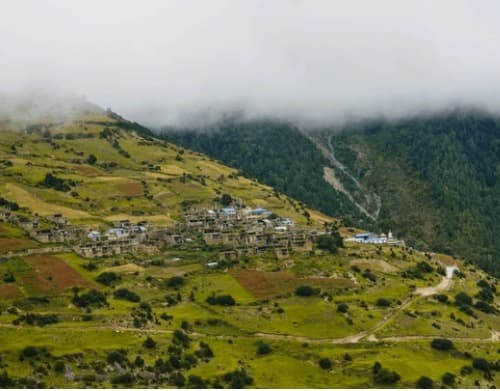
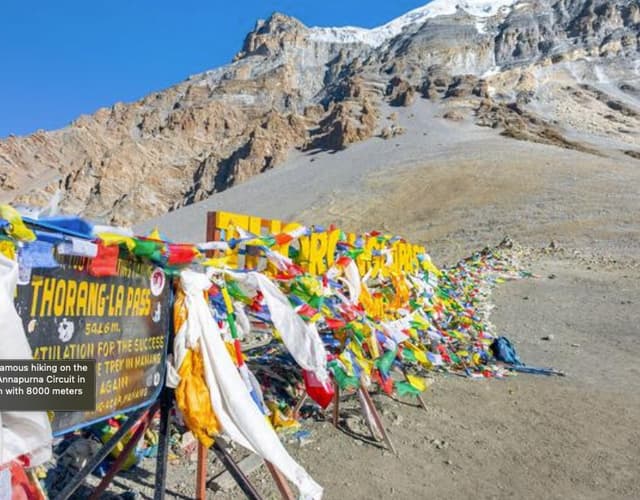
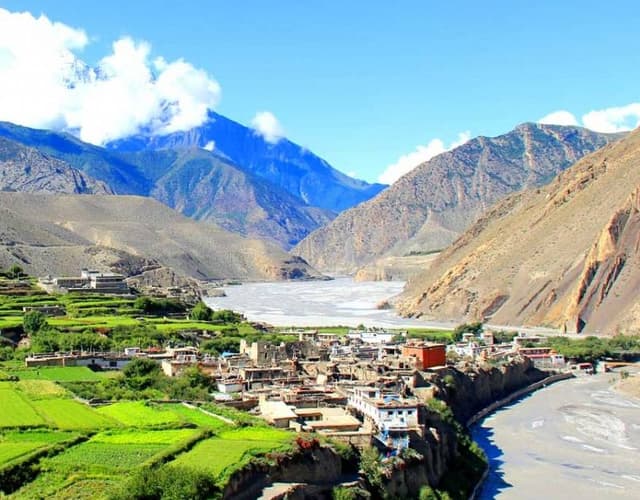
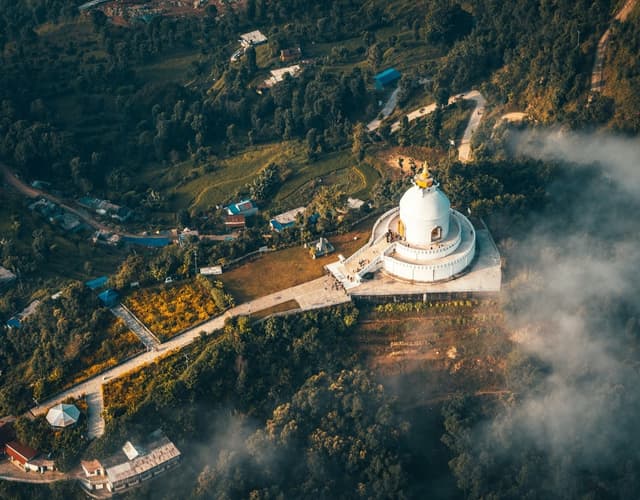
Traveller Reviews
Heaven Himalaya Still Best Trekking Company In Nepal
Amazing EBC with Shankar
Excellent Experiemce
Warmest recommendation to our guide
Solo trekk to Annapurna Base Camp
Annapurna Circuit Trek FAQs
1. FAQs for the Annapurna Circuit Trek
How long does the Annapurna Circuit trek take?
The Annapurna Circuit trek typically takes 12 to 18 days to complete. The total duration depends on where you start and end the trek. Due to recent road construction, many trekkers now opt for the shorter 15-day Annapurna Circuit trek itinerary, which departs from Jomsom, thereby avoiding the dusty road sections in the lower Kali Gandaki Valley.
What is the difficulty level of the Annapurna Circuit trek?
The Annapurna circuit trek difficulty is graded as moderate to strenuous. It is not technically difficult, but the actual challenges lie in the high altitude (5,416m) and the long duration (12+ days). The main difficult part is crossing Thorong La Pass (5,416m), which involves a steep ascent in thin air and a long, knee-straining descent.
Can beginners trek the Annapurna Circuit?
Yes, physically fit beginners can do this trek. You don't need previous mountain climbing experience. However, beginners must be in good physical shape, capable of walking for 6-7 hours a day. Success also depends on the walking pace, taking acclimatization rest days in Manang, and hiring a guide to manage logistics and monitor your health.
How should I train for the Annapurna Circuit trek?
Training for the Annapurna Circuit should focus on cardio endurance and leg strength. It's better to start 3 to 4 months prior trek with activities like hiking, running, or swimming. Practice stair climbing with a weighted backpack (5-8 kg) to simulate the steep ascents and prepare your legs for the long walking days on the trail.
Can I do the Annapurna Circuit trek solo without a guide?
As of April 2023, the Nepal Tourism Board has banned solo trekking in the Annapurna Conservation Area. Foreign trekkers must hire a licensed trekking guide or porter-guide. Plus, they must obtain a TIMS card through a registered trekking agency. Nowadays, checkpoints on the trail strictly enforce this rule for the safety of trekkers.
When is the best time to trek the Annapurna Circuit?
The best times to hike the Annapurna circuit are autumn (October-November) and spring (March-April). Autumn in Nepal offers the clearest mountain views and stable weather for crossing the challenging Thorong La Pass. Spring features warm temperatures and blooming rhododendron forests in the lower trekking areas.
Do I need a sleeping bag for the Annapurna Circuit?
Yes, it is advisable to carry a sleeping bag even though teahouses provide blankets. You are advised to bring a 4-season down sleeping bag rated to -10°C or -15°C, especially for the nights at Thorong Phedi and High Camp, where temperatures drop well below freezing.
What kind of accommodation is on the Annapurna Circuit?
On the Annapurna Circuit trail, teahouses run by local families are available. In lower trekking sections, rooms may have attached bathrooms and hot showers. Above 3,500m (Manang and Thorong Phedi), facilities become more basic, featuring plywood rooms with twin beds and shared squat toilets.
What food is available on the Annapurna Circuit trek?
The food menu is simple yet extensive, featuring staple Nepalese dishes such as Dal Bhat (rice and lentils with unlimited refills), as well as Western favorites like pasta, pizza, pancakes, and apple pie. However, it is highly recommended to stick with vegetarian food after Chame, as meat preservation is unreliable.
How do I get safe drinking water on the trek?
Don't drink tap water directly because it is unsafe and may be contaminated. So, to ensure safety, use water purification tablets. So, bring a reusable water bottle, which is the most sustainable method to drink water. Alternatively, you can buy boiled water at teahouses for a few dollars (USD 1 to 3 per liter). Avoid using single-use plastic mineral water bottles to reduce plastic waste on the Himalayan trail.
Is there electricity and Wi-Fi on the Annapurna Circuit?
Yes, electricity and Wi-Fi are available in almost every village, but the reliability drops with altitude. While charging is often free in lower villages, teahouses in high-altitude stops, such as Yak Kharka or High Camp, typically charge $2 to $5 per device. Also, you can use paid Wi-Fi services on Annapurna Circuit.
How much does the Annapurna Circuit trek cost?
A standard 12-15 day trek typically costs between USD 1,000 and USD 1,500 per person. This cost includes the ACAP permit and TIMS Card, a licensed guide and porter, as well as food and accommodation. Costs slightly vary depending on whether you take a local bus or fly from Jomsom to Pokhara.
How much cash should I carry for daily expenses?
Trekkers can carry USD 25-35 per day in cash. While your tour package may cover food and accommodation costs, you will need additional funds (in Nepalese currency) for expenses such as hot showers, Wi-Fi, battery charging, snacks, drinks, and tipping. ATMs are nonexistent on the Annapurna trail, so bring enough Nepalese Rupees from Kathmandu or Pokhara.
Similar Travel Packages
You may also like these handpicked adventures similar to Annapurna Circuit Trek for an exceptional travel experience.