

Nepal in October 2026: Weather, Trekking & Travel Guide

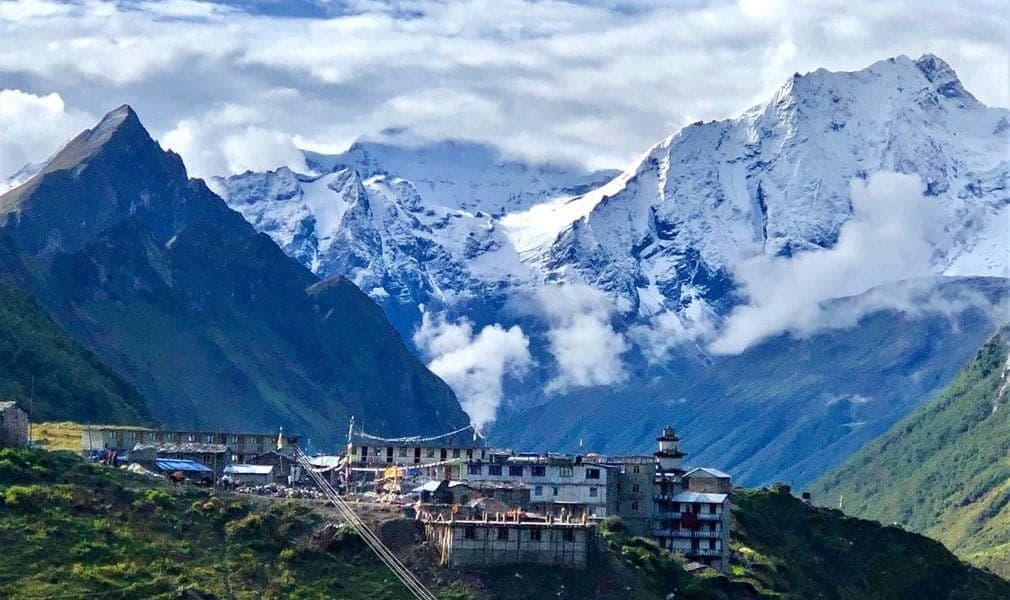
Nepal in October is the peak autumn travel season, bringing the country's most reliable combination of clear Himalayan visibility, dry trekking trails, mild daytime temperatures, and stable post-monsoon weather. The monsoon normally withdraws around October 2, although early October can still bring residual showers, particularly in eastern and southern-facing mountain areas. Kathmandu and Pokhara remain comfortably warm at around 23–27°C during the day, while temperatures fall sharply above 3,000 meters and can reach −15°C to −20°C around Everest Base Camp and other high camps.
These conditions make October especially well suited to Everest Base Camp, Annapurna Circuit, Annapurna Base Camp, Langtang Valley, Manaslu Circuit, Mardi Himal, Ghorepani Poon Hill, and Upper Mustang, with early mornings generally offering the clearest views of Everest, Ama Dablam, Annapurna, Machapuchare, and other Himalayan peaks.
October's advantages extend beyond weather and trekking conditions, with Dashain adding one of Nepal's most important cultural experiences to the travel calendar. The trade-off is peak-season demand: popular routes have heavier trail traffic, teahouses and domestic flights fill quickly, prices rise, and festival travel can affect transport and guide availability.
Choosing the right route therefore depends on more than clear skies; trekkers need to consider altitude acclimatization, residual monsoon conditions, trail and road status, crowds, permits, accommodation, flight logistics, packing for large temperature changes, and their preferred balance between iconic scenery and quieter trails.
This guide explains Nepal's October climate and weather by region and elevation, trekking routes and trail conditions, Kathmandu and Pokhara travel, mountain visibility, packing requirements, Dashain dates and travel impacts, booking considerations, altitude safety, and practical planning for making the most of Nepal's prime trekking season.
Why Is October Considered a Good Time to Visit Nepal?
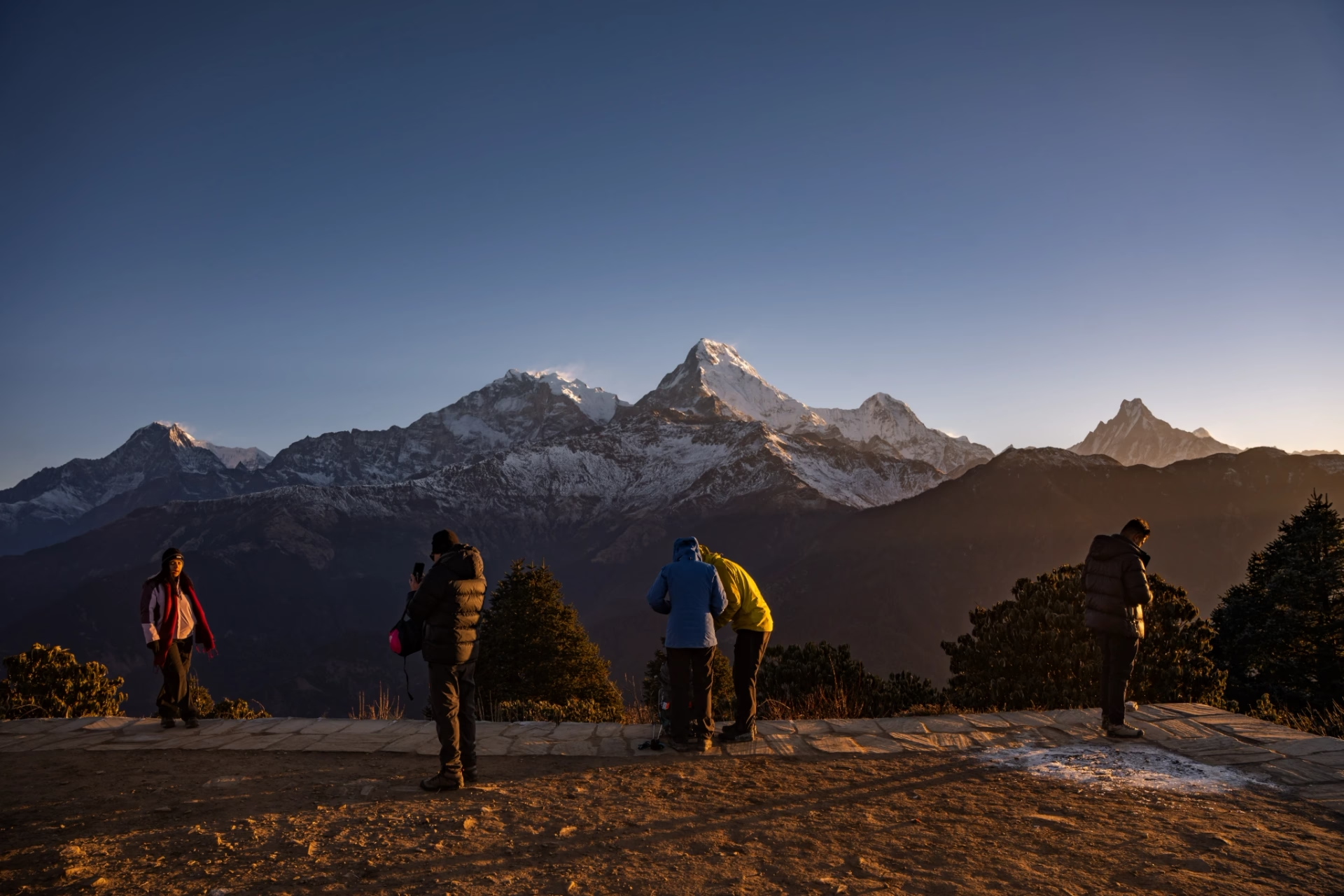
October is Nepal's peak trekking month because the summer monsoon has withdrawn, humidity and dust have dropped, and the atmosphere holds its clearest visibility of the year, a combination that delivers dry trails, uninterrupted mountain views, and comfortable daytime temperatures across most elevations.
According to Nepal's Department of Hydrology and Meteorology (DHM), the country's average monsoon withdrawal date is October 2, though the actual date has ranged from late September to mid-October in recent years depending on regional weather systems. Once the withdrawal completes, rainfall drops off sharply, forests still hold the deep green of the wet season, and terraced hillsides turn gold with the rice harvest.
Skies that were hazy with dust in spring and obscured by cloud in summer clear into some of the sharpest air of the year, which is why nearly every classic photograph of Everest, Ama Dablam, or the Annapurna range was shot in October or November.
October also overlaps with Dashain, Nepal's largest festival, adding a cultural layer that spring and monsoon travel cannot match. The trade-off is popularity: October is also the single busiest and most expensive month on Nepal's main trekking routes, a factor worth weighing before you commit to dates.
For Nepali trekkers, October carries an added layer of meaning beyond scenery. Dashain is a homecoming festival, and many domestic travelers combine a short trek with a visit to family in the hills, which is why hill-town buses and domestic flights fill up around the festival dates well before international trekking bookings peak.
International visitors weighing cost against clarity should note that lodge and flight prices in the Everest and Annapurna regions typically rise 20–30% above shoulder-season rates in October, a premium that buys the year's most reliable weather rather than a guarantee of solitude.
How Does October Compare With Nepal's Other Trekking Seasons?
Nepal has four trekking seasons, spring (March–May), monsoon (June–September), autumn (October–November), and winter (December–February), and October outperforms the alternatives on visibility, trail dryness, and temperature balance, while also bringing the year's heaviest trail traffic and highest lodge prices.
Season | Months | Visibility | Rain Risk | Temperature Comfort | Crowd Level |
Spring | March–May | Good, often hazy from dust and forest fires | Low to moderate | Warm, with flowering rhododendron forests | High |
Monsoon | June–September | Poor; cloud and mist obscure peaks | Very high | Warm and humid at low elevation | Low (except rain-shadow routes) |
Autumn | October–November | Excellent, clearest of the year | Very low | Mild days, cold nights above 3,000m | Very high |
Winter | December–February | Excellent at low elevation | Low (snow at altitude) | Cold; high passes may close | Low |
October and November share the autumn advantage, but they are not identical. November brings colder nights, thinner crowds, and lower rainfall risk, while October holds slightly milder temperatures at altitude and a longer daily sunshine window.
One detail many trekkers overlook: high passes such as Thorong La (5,416m) on the Annapurna Circuit and Larkya La (5,106m) on the Manaslu Circuit see their first significant season snowfall risk build through late November, a hazard October avoids almost entirely. Spring offers similar visibility on paper, but pre-monsoon dust haze and agricultural burning across the hills routinely cut long-range mountain views short, a limitation October's freshly rain-washed atmosphere does not share.
What Is the Weather Like in Nepal in October?
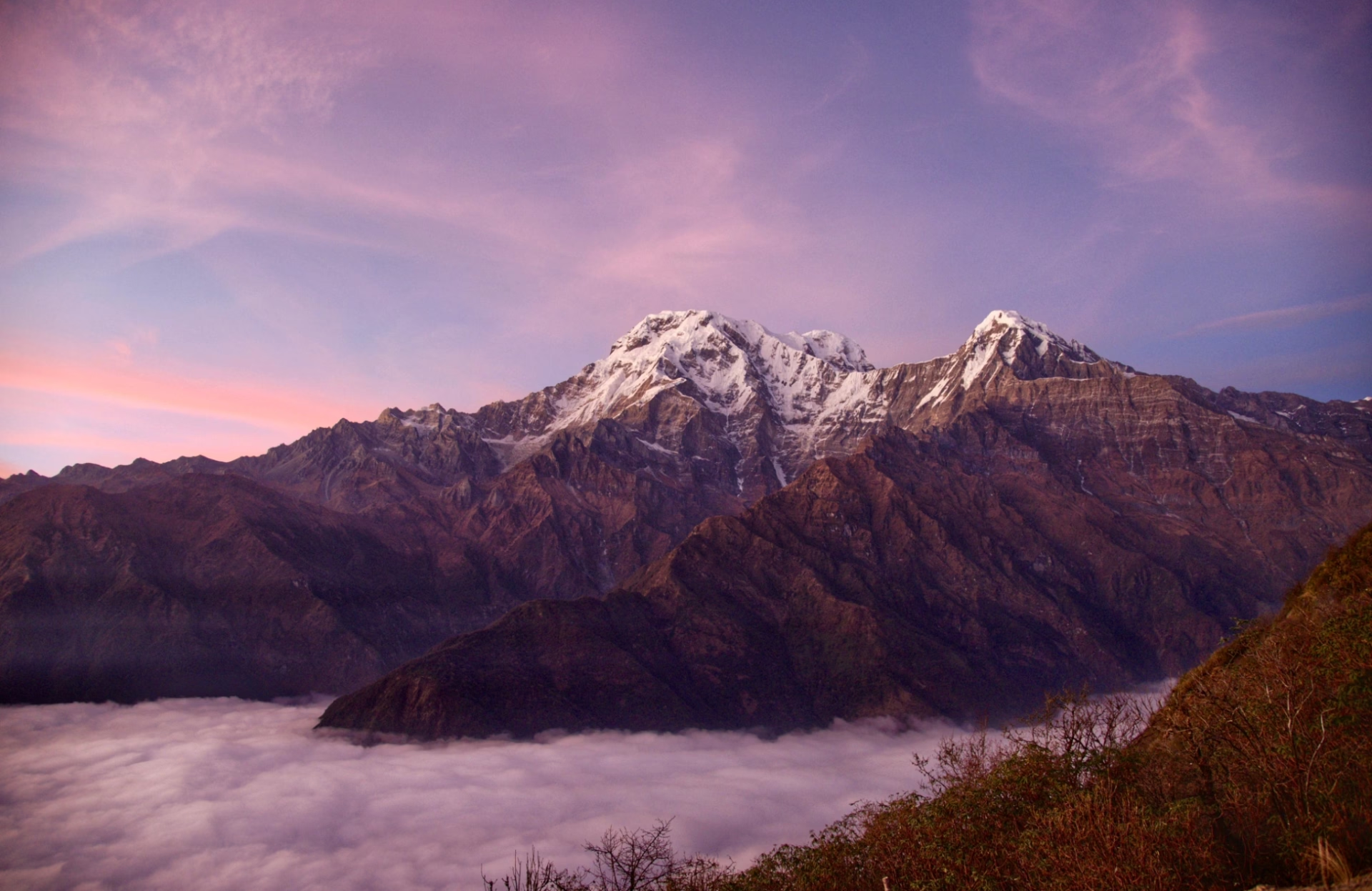
While mountain microclimates vary, Nepal's October weather generally follows a reliable baseline: clear mornings, comfortable daytime warmth at lower elevations, and a sharp drop toward freezing after dark once above 3,000 meters.
The first ten days of October can still carry leftover monsoon moisture, particularly in eastern Nepal. This shift matters directly for trip timing: a trek starting October 20 faces a meaningfully lower rain risk than one starting October 5.
What Temperatures Can You Expect Across Nepal in October?
Temperatures in October range from around 26°C in Pokhara's subtropical valley to below −15°C at night near Everest Base Camp, a roughly 40-degree spread that trekkers cross within a single itinerary.
Location | Elevation | Daytime High | Nighttime Low |
Pokhara | 827m | 26–27°C (79–81°F) | 15–16°C (59–61°F) |
Kathmandu | 1,400m | 23–24°C (73–75°F) | 12–13°C (54–55°F) |
Namche Bazaar | 3,440m | 10–16°C (50–61°F) | −2 to 2°C (28–36°F) |
Dingboche / Annapurna Base Camp | 4,130–4,410m | 5–10°C (41–50°F) | −10 to −15°C (5–14°F) |
Everest Base Camp / Gorak Shep | 5,140–5,364m | 0–5°C (32–41°F) | −15 to −20°C (−4 to 5°F) |
The pattern behind these numbers is the environmental lapse rate: air temperature drops roughly 6°C for every 1,000 meters gained, before wind and direct sun exposure adjust the felt temperature further. That is why a windless midday at 4,000 meters can feel warm enough for a T-shirt, while the same spot turns bitterly cold within an hour of sunset.
How Much Rain Does Nepal Receive in October?
Typical October rainfall in Nepal is modest, but it isn't always predictable: DHM's post-monsoon 2025 monitoring bulletin recorded 189.2mm across its station network, 254% of the 30-year normal for the period, making 2025 one of the wettest post-monsoon seasons on record rather than a typical dry, clear October.
Rainfall is heavily front-loaded: the first ten days of October can still deliver short, intense monsoon-tail showers, particularly in the Annapurna region's southern approaches, which face the monsoon more directly than the Everest region's higher, more sheltered valleys.
By the third week, most of the country records only a handful of rainy days, and trans-Himalayan zones such as Upper Mustang and Dolpo, which sit in the rain shadow of the Himalaya year-round, see almost no precipitation at all.
What Is October Weather Like in Kathmandu and Pokhara?
Kathmandu and Pokhara both offer warm, dry, sunny days and cool nights in October, though Pokhara runs a few degrees warmer and receives noticeably more rainfall than the capital throughout the month.
Kathmandu's air is at its clearest in the first half of October, right after the last monsoon showers have settled the dust; by late October, with no rain to wash the valley air, haze can build again over the city on windless afternoons. Sightseeing conditions stay comfortable throughout, light layers by day, a fleece or jacket after sunset.
Pokhara's defining October feature is its lake-and-mountain reflection: Machapuchare (6,993m) and the Annapurna South face are usually clearest from Phewa Lake in the early morning, before convective cloud typically builds over the range by mid-to-late morning. Photographers and paragliders both plan around this window rather than around the whole-day average.
What Is October Weather Like in Nepal's Mountain Regions?
Nepal's mountain regions share October's dry, clear pattern but differ in intensity, the Everest region trends colder and drier, the Annapurna Sanctuary sees more residual afternoon cloud, and rain-shadow zones like Upper Mustang and Manaslu's upper valleys stay almost entirely dry.
The first ten days of October can still carry leftover monsoon moisture, particularly in eastern Nepal. Because the monsoon withdraws from west to east, western and central regions typically clear first, while the Everest (Khumbu) region in the east may experience residual cloud cover and light showers slightly later into the month.
The Annapurna Base Camp sanctuary, ringed by peaks that trap moisture rising from the south, more often sees afternoon cloud build even on otherwise clear October days, a reason many guides schedule the final approach to ABC for early morning rather than afternoon.
How Does the October Climate Vary by Altitude?
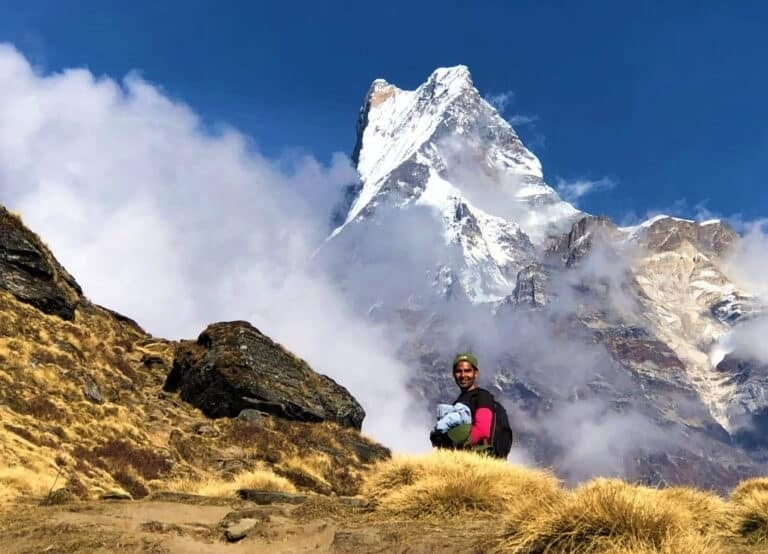
October temperatures fall by approximately 6°C for every 1,000 meters of elevation gained, so a single trekking day can move a hiker through five distinct climate zones between a warm valley floor and a freezing high pass.
How Does Temperature Change as You Gain Elevation?
Moving from Kathmandu (1,400m, daytime average 23°C) to Namche Bazaar (3,440m, daytime average 10–16°C) to Everest Base Camp (5,364m, daytime average 0–5°C) traces this lapse rate closely.
Direct sun exposure complicates the simple math: strong midday sun at altitude can raise the felt temperature well above the ambient reading, while wind strips that warmth away within minutes once clouds pass or the sun drops behind a ridge. Trekkers who dress for the thermometer rather than the wind chill are consistently the ones who arrive at high camps underprepared.
What Are October Conditions Like Above 4,000 Meters?
Above 4,000 meters, October nights regularly fall to −10°C to −20°C at the highest camps, and water left in a bottle overnight commonly freezes solid. Teahouses at this altitude are almost never heated outside the dining room, where a single wood or dung stove provides the only warmth after dark.
A sleeping bag rated to at least −15°C to −20°C is standard equipment here, not an optional upgrade. Most trekking activity, and most of the best weather, clusters between roughly 8 a.m. and 2 p.m., after the morning cold has eased but before afternoon wind picks up.
How Does Sunshine and Visibility Affect Mountain Views in October?
October produces the year's highest average sunshine hours and lowest atmospheric haze, making early morning, typically before 10 or 11 a.m., the single most reliable window for clear mountain photography before valley moisture rises into cloud.
This morning-clarity pattern is well known among guides but rarely explained to first-time trekkers, many of whom linger over breakfast and end up climbing to a viewpoint just as the first clouds are forming over the peaks. Starting the day's walk early is less about mileage and more about catching the view before it disappears.
What Is Trekking in Nepal Like in October?
Trekking in Nepal during October means firm, dry trails, fully operational teahouses, dependable mountain views, and the heaviest foot traffic of the entire year on the country's most popular routes.
Which Nepal Treks Are Best in October?
Trek | Duration | Max Altitude | Difficulty | Why October Suits It |
Everest Base Camp | 12–14 days | 5,364m (5,545m at Kala Patthar) | Strenuous | Clearest views of Everest, Lhotse, and Ama Dablam |
Annapurna Circuit | 12–18 days | 5,416m (Thorong La) | Strenuous | Safest pass-crossing window before winter snow |
Annapurna Base Camp | 7–10 days | 4,130m | Moderate | Shorter season-friendly route with lower altitude risk |
Ghorepani Poon Hill | 4–6 days | 3,210m | Easy to moderate | Accessible sunrise views of Dhaulagiri and Annapurna |
Mardi Himal | 5–7 days | 4,500m | Moderate | Quieter alternative close to the Annapurna Sanctuary |
Langtang Valley | 7–10 days | 4,984m (Tserko Ri) | Moderate | Closest major trek to Kathmandu, strong Tamang culture |
Manaslu Circuit | 14–16 days | 5,106m (Larkya La) | Strenuous, restricted | Everest-Circuit scenery with far fewer trekkers |
Upper Mustang | 10–14 days | 3,840m | Moderate, restricted | Rain-shadow desert landscape, requiring standard acclimatization pacing despite gentler trail gradients. |
Everest Base Camp and the Annapurna Circuit carry the heaviest October crowds by a wide margin. Trekkers who want October's weather without October's traffic tend to move toward Manaslu, Nar Phu, or Upper Mustang, where the restricted-permit requirement naturally caps trekker numbers.
What Are Trail Conditions Like After the Monsoon?
Trails in early October can still show the aftermath of the wet season: muddy stretches on lower forest sections, occasional landslide damage on jeep tracks such as the Besisahar–Manang road or the Soti Khola approach to Manaslu, and leeches in the lower, forested elevations of routes like Annapurna and Langtang.
By mid-to-late October, most trails have dried and firmed considerably, and these lower-elevation nuisances largely disappear. Checking current road and trail status with a local operator before departure is worth doing for any early-October start.
How Busy Are Nepal's Trekking Routes in October?
October is Nepal's single busiest trekking month. On the Everest Base Camp route, this pressure shows up first at the airport: Lukla-bound flights are frequently rerouted through Manthali (Ramechhap) airport, roughly four to five hours from Kathmandu by road, to ease congestion at Tribhuvan International Airport's domestic terminal during peak season.
On the trail itself, popular overnight stops, Namche Bazaar, Dingboche, and Manang among them, can fill their teahouse rooms by early afternoon, well before the day's last trekkers arrive.
What Trekking Challenges Can You Expect in October?
Crowded trails and fully booked teahouses on the Everest and Annapurna Circuit trek routes
Lukla flight congestion and possible rerouting through Manthali airport
Large daily temperature swings that demand a full layering system
Reduced guide and porter availability around the Dashain festival, as many staff return to their home villages to celebrate, a scheduling factor worth confirming with an agency well before an early-to-mid-October departure
Mandatory guide requirements on most trekking routes, which make advance booking through a registered agency a necessity rather than a convenience
What Should You Pack for Nepal in October?
October packing for Nepal centers on a full layering system, because a single trekking day can move you from 20°C valley warmth to sub-zero mountain cold, and no single garment covers that entire range.
What Clothing Layers Are Best for October Trekking?
Moisture-wicking base layers, top and bottom
An insulating mid layer, such as fleece or lightweight down
A windproof, waterproof outer shell jacket
An insulated down jacket for evenings above 3,000 meters
Quick-drying trekking trousers
A warm insulated hat and a separate sun hat
Liner gloves paired with insulated outer mitts
This three-layer structure, wicking base, insulating mid, protective shell, lets you add or remove warmth throughout the day rather than carrying one heavy garment that is wrong for half your itinerary. For the complete gear breakdown, see our full Nepal packing list.
What Trekking Gear Is Essential for High Altitudes?
A four-season sleeping bag rated to −15°C to −20°C for treks above 4,000 meters
Sturdy, already broken-in trekking boots
Trekking poles for descents and river crossings
A headlamp with spare batteries
Water purification tablets or a filter, since bottled plastic is discouraged in most conservation areas
UV-rated sunglasses for glacier and snow glare above the tree line
A compact personal first-aid kit
A portable power bank, since electricity at high-altitude lodges is often limited and sometimes charged per device
Do You Need Rain Gear in Nepal in October?
Yes, though lighter rain gear than the monsoon months require. Trekkers starting in the first two weeks of October, particularly on Annapurna's wetter southern approaches, should carry a waterproof shell jacket and a pack cover for leftover monsoon-tail showers. From mid-October onward, rain becomes rare enough that the same gear functions mainly as a windbreaker rather than genuine rain protection.
What Are the Best Places to Visit in Nepal in October?
Kathmandu, Pokhara, and Nepal's major mountain regions all reach a seasonal peak in October, each offering a different balance of culture, scenery, and altitude for trekkers to choose from.
Is Kathmandu Worth Visiting in October?
Yes. Comfortable sightseeing temperatures around 23°C, clear valley-rim mountain views on the best days, and the Dashain festival atmosphere all converge in October. During the festival's core days, roughly October 17 to 21, 2026, many government offices and shops close, so plan visits to Durbar Square, Swayambhunath, Boudhanath, and Pashupatinath around published hours.
One overlooked upside: Kathmandu's usual traffic congestion eases noticeably during Dashain week, as residents travel home to their villages, making the city easier to move around than at almost any other time of year.
Is Pokhara Worth Visiting in October?
Yes. Phewa Lake's reflections of Machapuchare and the Annapurna range are at their sharpest in October's clear morning air, and light, stable thermal winds make it Nepal's prime month for paragliding. Pokhara also serves as the gateway to the Annapurna Base Camp, Poon Hill, and Mardi Himal treks.
Its Dashain celebrations run quieter than Kathmandu's, so more restaurants and shops stay open through the festival, a practical reason some travelers base themselves in Pokhara rather than the capital during peak festival days.
Which Mountain Regions Are Best to Explore in October?
Each major region suits a different traveler profile. Everest delivers the most iconic scenery at the cost of the heaviest crowds and steepest difficulty. Annapurna offers the widest range of route options and the most developed teahouse infrastructure. Langtang sits closest to Kathmandu, making it the best fit for a shorter time budget.
Manaslu Circuit trek and Upper Mustang trade a longer, restricted-permit process for far quieter trails and equally dramatic scenery, a strong choice for trekkers who have already done Everest or Annapurna and want October's weather without October's crowds.
What Should You Know Before Traveling to Nepal in October?
Booking lead time, festival-driven closures, and altitude preparation are the three factors that most determine whether an October trip to Nepal runs smoothly.
Do You Need to Book October Treks in Advance?
Yes. Flights, permits, and teahouse rooms for the Everest Base Camp and Annapurna Circuit routes are best booked two to three months ahead of an October departure, since these routes see the year's highest demand. Lukla flight seats and rooms in high-traffic villages such as Namche Bazaar, Dingboche, and Manang are the first to sell out.
A licensed guide and TIMS card are now mandatory for most Nepali trekking routes, a requirement formalized under Nepal's Department of Tourism entry protocol and reinforced by the Nepal Tourism Board's 2023 guide mandate, which carries a Rs 12,000 fine for trekkers found on the trail without one. However, booking through a registered agency remains highly recommended for securing domestic flights and teahouses during the peak October rush.
What Festivals and Cultural Events Occur in Nepal in October?
The Dashain festival, Dashain, Nepal's largest festival, runs from Ghatasthapana on October 11 through Kojagrat Purnima on October 25, 2026, with the main Tika day, Vijaya Dashami, confirmed for October 21, 2026 on Nepal's official public holiday calendar. The fifteen-day festival opens with Ghatasthapana, moves through Phulpati and Maha Ashtami, reaches its peak on Tika day when family elders bless younger members with tika and jamara, and closes on the full moon of Kojagrat Purnima.
For travelers, the practical effects are significant: domestic flights and long-distance buses book up as Nepalis travel home, many businesses close around the peak days, and trekking villages along the trail hold their own local rituals, adding a cultural dimension unavailable at any other time of year.
Tihar, Nepal's festival of lights, typically follows two to three weeks later, generally landing in early-to-mid November, which matters for anyone extending an October trip into the following month.
What Health and Altitude Considerations Matter in October?
Altitude sickness risk is tied to elevation gain, not season, so October's excellent weather does not reduce it. The standard guidance above 3,000 meters, developed and refined by the Himalayan Rescue Association at its Pheriche research post, is to limit net sleeping-altitude gain to roughly 300 meters per day; studies show trekkers who walk in gradually see AMS rates as low as 31–42%, compared with up to 84% among those who fly straight to altitude and skip the acclimatization days.
Watch for early symptoms, headache, nausea, dizziness, and unusual fatigue, and treat any worsening symptom as a signal to stop ascending or descend rather than push through. A doctor can advise on preventive medication before departure, and travel insurance that covers high-altitude helicopter evacuation up to your trek's maximum elevation is worth confirming before you fly.
One factor specific to October worth naming plainly: because the trail is more crowded and teahouse space more competitive, some trekkers are tempted to move faster than their itinerary allows in order to secure rooms ahead of the crowd. That trade-off works against acclimatization, and it is worth resisting even when the trail ahead looks busy.
How Can Heaven Himalaya Help You Explore Nepal in October?
Heaven Himalaya is a Kathmandu-based trekking and expedition operator with more than a decade of experience guiding groups through the Everest, Annapurna, Langtang, and Manaslu regions. We handle the parts of an October trip that cause the most friction, permits, licensed guides, teahouse bookings, and Lukla flight logistics during the year's busiest season, while contributing to education and healthcare initiatives in the remote communities our routes pass through.
Can Heaven Himalaya Plan an October Trek Around Your Travel Goals?
Yes. We build itineraries around your fitness level, available time, and interests, whether that means timing a Kathmandu stay to coincide with Dashain, choosing a quieter restricted-area route like Manaslu or Upper Mustang over a crowded classic, or pacing an Everest Base Camp trek with the acclimatization days October's popularity tempts people to skip. Send us your travel window and priorities, and we will map out an October route that fits them.
What Are the Key Takeaways About Nepal in October?
The Key takeaways about Nepal in October:
October follows the DHM's average monsoon withdrawal date of October 2, making it Nepal's driest, clearest, and most temperature-stable trekking month.
Kathmandu and Pokhara offer daytime comfort near 23–27°C, while elevations above 4,000 meters drop below freezing every night.
Everest Base Camp, the Annapurna Circuit, Annapurna Base Camp, Ghorepani Poon Hill, Mardi Himal, Langtang Valley, the Manaslu Circuit, and Upper Mustang all trek well in October, each suited to a different pace and crowd tolerance.
Dashain, Nepal's largest festival, runs October 11–25, 2026, with the main Tika day on October 21, plan transport, bookings, and staff availability around it.
Peak-season demand requires booking flights, permits, and teahouses two to three months ahead, alongside a licensed guide now required on most routes.
Altitude preparation matters exactly as much in October's good weather as in any other season, especially when crowded trails tempt trekkers to rush their acclimatization schedule.
Plan around these factors, and Nepal in October delivers the clearest mountain views, steadiest trails, and richest festival calendar of the entire trekking year.