

Climate Change in the Himalayas
Learn how climate change is transforming the Himalayas, affecting glaciers, ecosystems, mountain communities, and the future of trekking in Nepal.

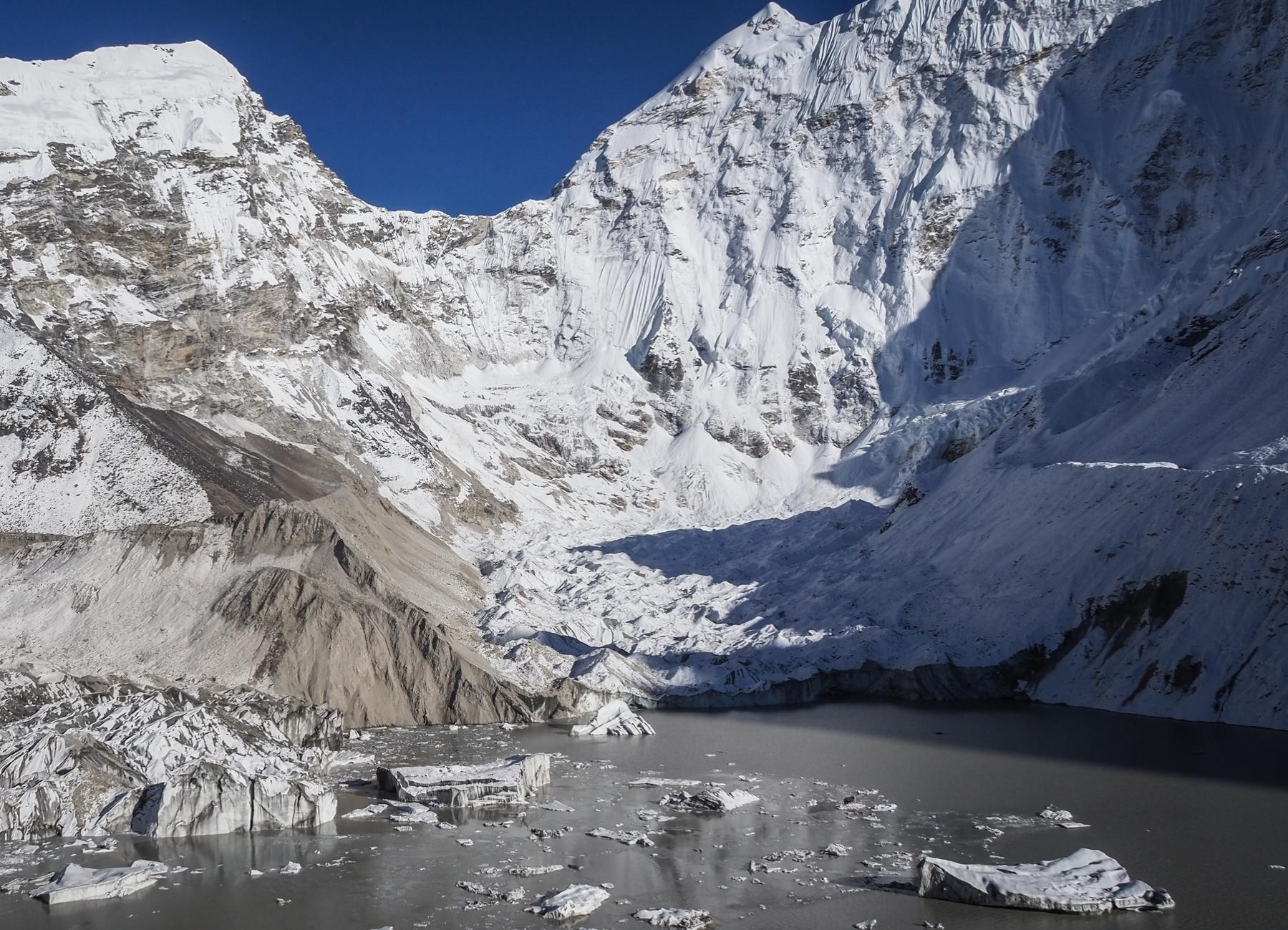
The Himalayas are one of the most important and environmentally sensitive mountain ranges on the Earth, extending through a number of countries and comprising thousands of glaciers, supplying fresh water to major river systems and supporting millions of people as well as a variety of ecosystems.
The Himalayan area is, however, undergoing rapid changes. Increasing temperatures, alterations in the patterns of snowfall and rainfall, the retreat of the glaciers, and weather that is becoming more unpredictable are having an impact on mountain environments and on the communities which depend on them. Research carried out recently indicates that the glaciers throughout the Hindu Kush Himalaya are losing ice at a rate that is increasing, the rate of ice loss having doubled since 2000.
For Nepal climate change in the Himalayas is more than just an environmental issue; it is becoming linked to water resources, agriculture, biodiversity, tourism, trekking, infrastructure, and the safety of mountain communities.
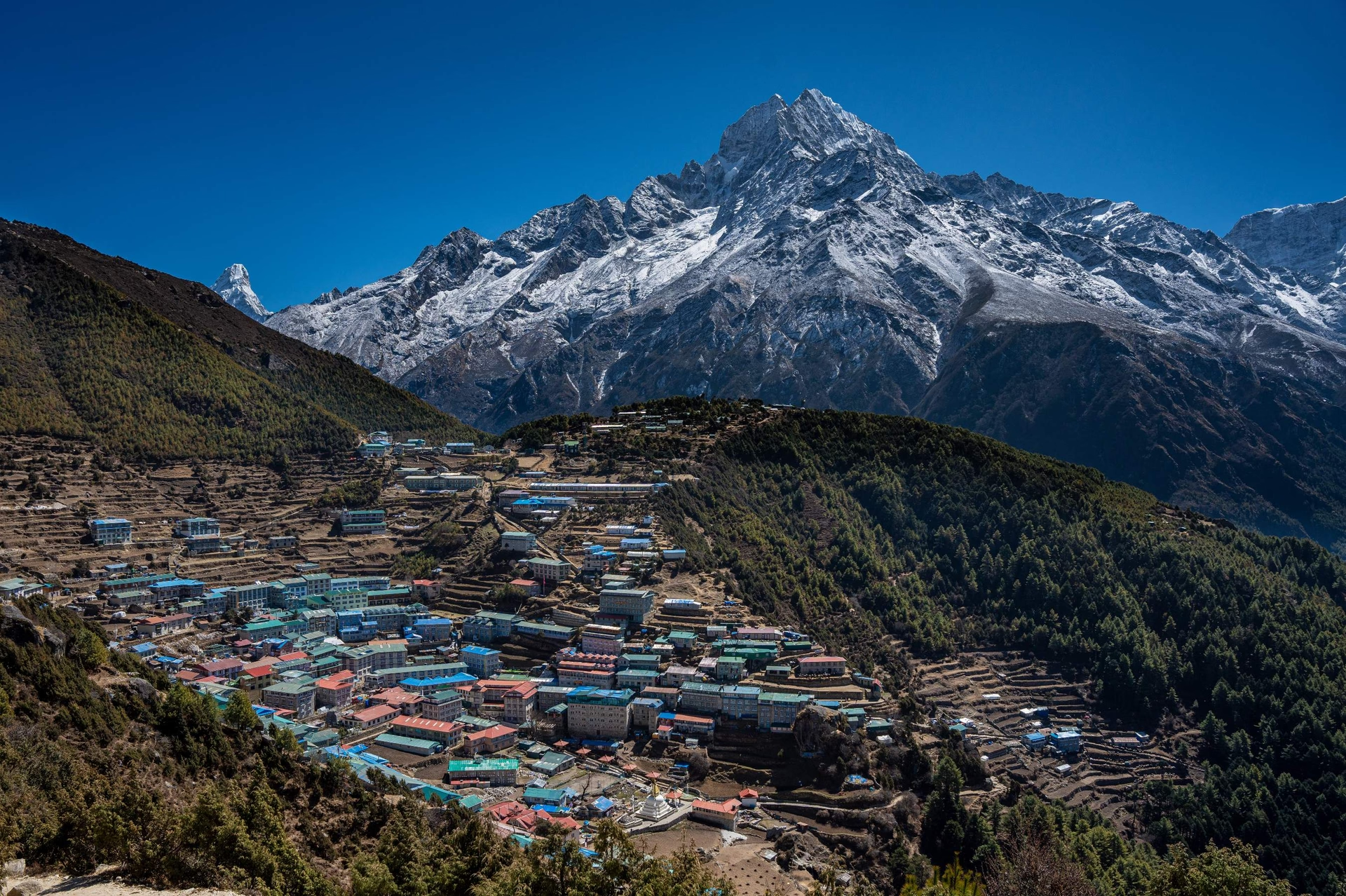
Why are the Himalayas so vulnerable to climate change?
The Himalayan region is especially at risk since the ecosystems and the local communities there rely greatly on temperature, snowfall, glaciers, and the availability of water at different times of the year.
Even relatively small changes in temperature can have important effects at high elevations; warmer conditions can cause more glacier melt, change precipitation from snow to rain, and modify the timing of seasonal snow accumulation.
The area is also susceptible to various hazards including landslides, avalanches, floods, and glacial lake outburst floods (GLOFs), and climate change can worsen the conditions which lead to some of these hazards, so as to make it harder to manage the already fragile mountainous regions.
The effects go well beyond the mountains since the glaciers and snow in the Himalayas feed major river systems which supply water to nearly two billion people in Asia.
Changes that have taken place in the Himalayan landscape: Present vs Past
Temperature Changes
In the Himalayan area the temperature has gone up, which has led to changes in the extent of snow cover, in the amount of glacier mass, in the vegetation, and in the availability of water.
It is especially important to have warmer temperatures at high elevations since glaciers and permanent snow rely on temperatures being low enough for ice and snow to build up. When temperatures increase, the balance between snowfall and melting changes.
Changes in Snowfall and Precipitation
Snowfall plays a vital role in the Himalayan water cycle since it stores water in the mountains and then releases it gradually as the temperature increases.
Recent observations indicate that snow conditions in the Hindu Kush Himalaya are becoming ever more unusual, the snow lasting 23.6% less than the long-term average in 2025 after two prior years with below-normal snow.
Alterations in precipitation also have an effect on the conditions for trekking, since rain at higher altitudes may take the place of snowfall and heavy precipitation can raise the chances of landslides, flooding, and damage to the trails.
Glacier Retreat
Glacier retreat is one of the most clear signs of climate change in the Himalayas.
An assessment carried out by ICIMOD in 2026 showed that the glaciers in the Hindu Kush Himalaya lost 12% of their area between 1990 and 2020, and the rate of ice loss has likewise accelerated significantly since 2000.
It is not only the case that glacier retreat alters the landscape but also that glaciers have a role in regulating water supplies and in affecting downstream hazards.
Changing Length of Seasons
The timing and length of the seasons are also being affected by climate change.
Warmer temperatures may cause snow to melt earlier and can result in longer periods during which there is no persistent snow at certain elevations. At the same time, rainfall and snowfall may take place at unusual times, which makes the usual seasonal patterns less predictable.
This means that for trekkers the conditions they experience during the traditionally recognised trekking seasons aren't the same every year.
Then vs. Now Comparison Table
Indicator | Earlier Conditions | Recent Changes | Major Concern |
|---|---|---|---|
Temperature | Generally colder high-altitude conditions | Increasing temperatures | Faster snow and ice melt |
Snowfall | More predictable seasonal snow | Reduced and increasingly variable snow persistence | Water availability and trekking conditions |
Glacier Area | Larger glacier coverage | Significant glacier retreat | Water security and glacier-related hazards |
Season Length | More predictable seasonal patterns | Increasingly variable timing | Unpredictable trekking and agricultural conditions |
Climate Change Across Nepal's Trekking Regions
Climate change is having various effects on the main trekking areas of Nepal, with glacier retreat, altered snowfall, unpredictable rainfall, landslides, and a growing risk of floods slowly modifying the mountain environment and the conditions for trekking.
Everest (Khumbu) Region:
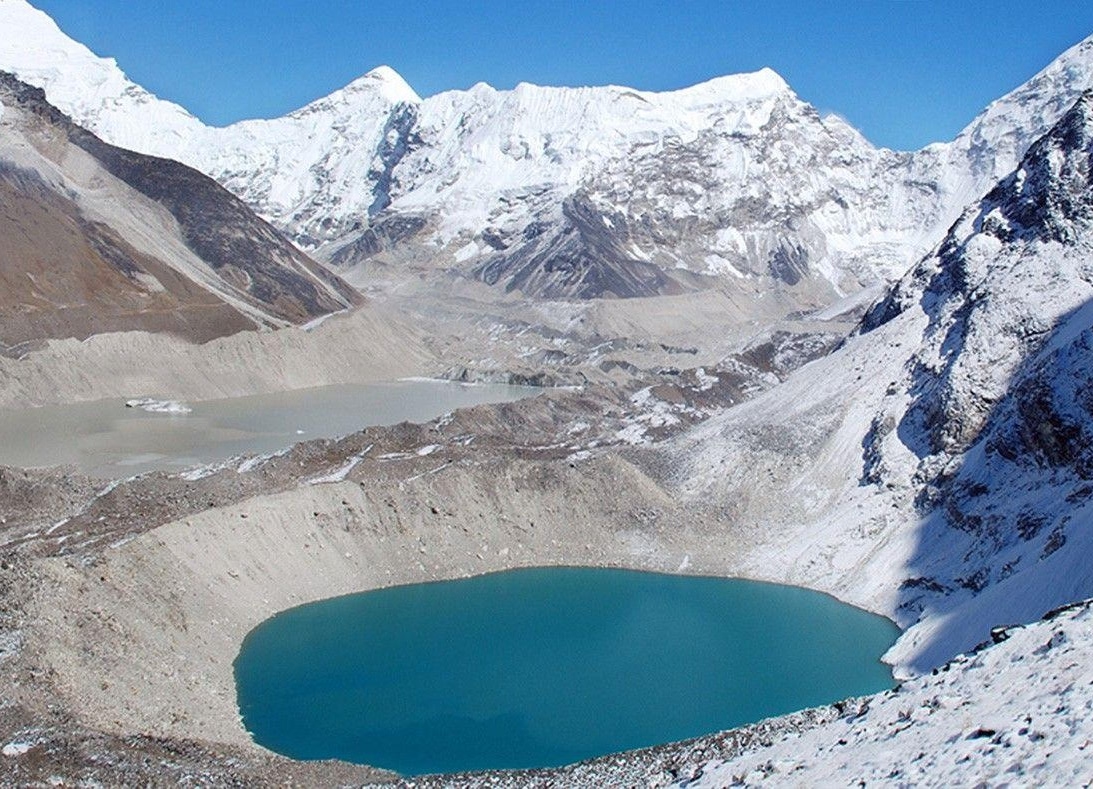
In the Everest area there is a considerable retreat of the glaciers together with an expansion of glacial lakes. Small glacial lakes gradually become a large glacial lake as the surrounding glacier recedes. Because of this growth there is now greater concern regarding glacial lake outburst floods (GLOFs) downstream.
Local Sherpas have also noticed these changes themselves. Those working in the Khumbu area have described experiencing more unpredictable weather, such as unusual snowfalls, spells of rain instead of snow, and shifting seasonal patterns. These observations support the scientific measurements which show rapid changes in the region's glaciers.
The Khumbu region can also be explored firsthand through the Everest Base Camp Trek:
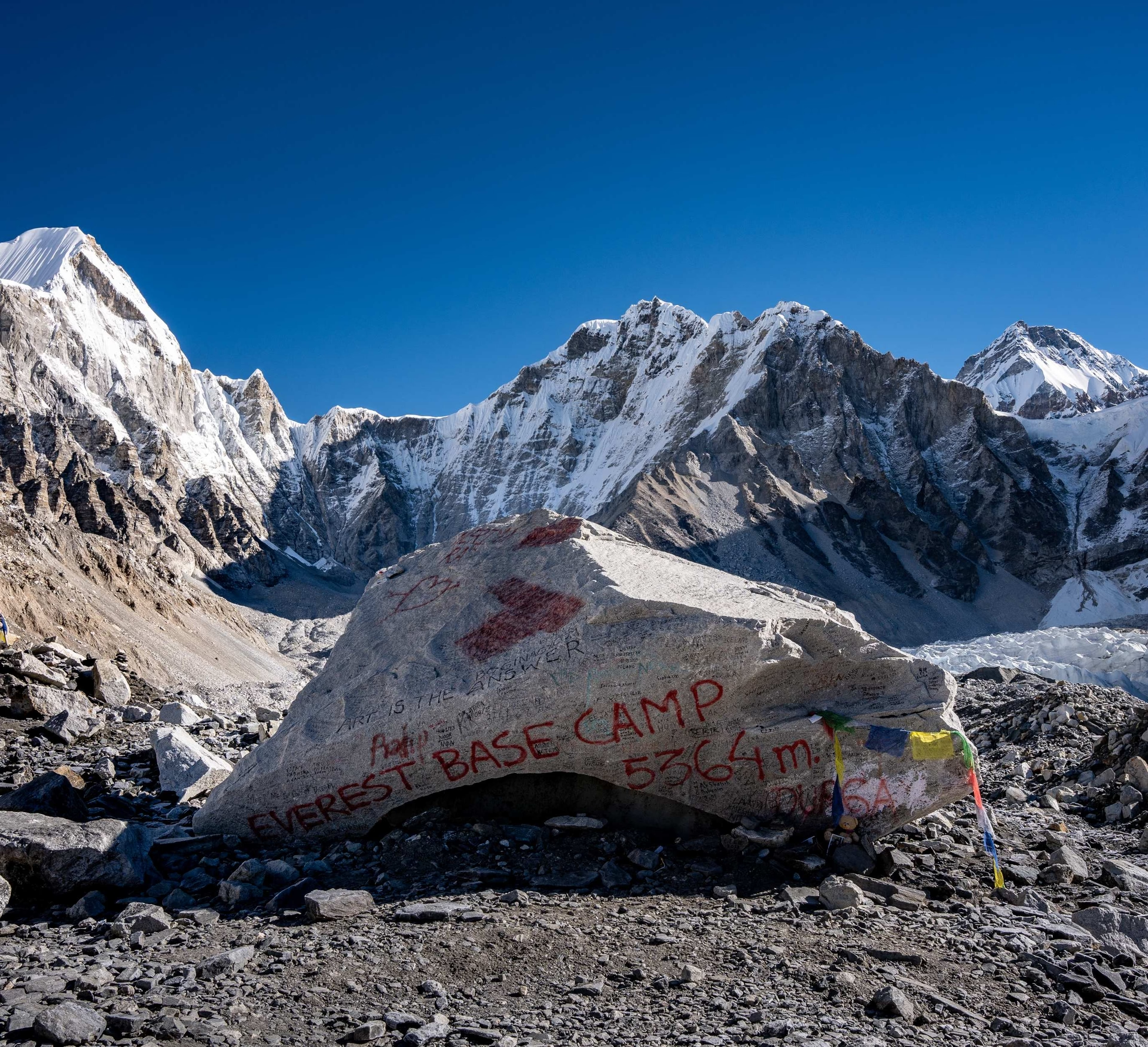
Everest Base Camp Trek
View detailsLangtang Region
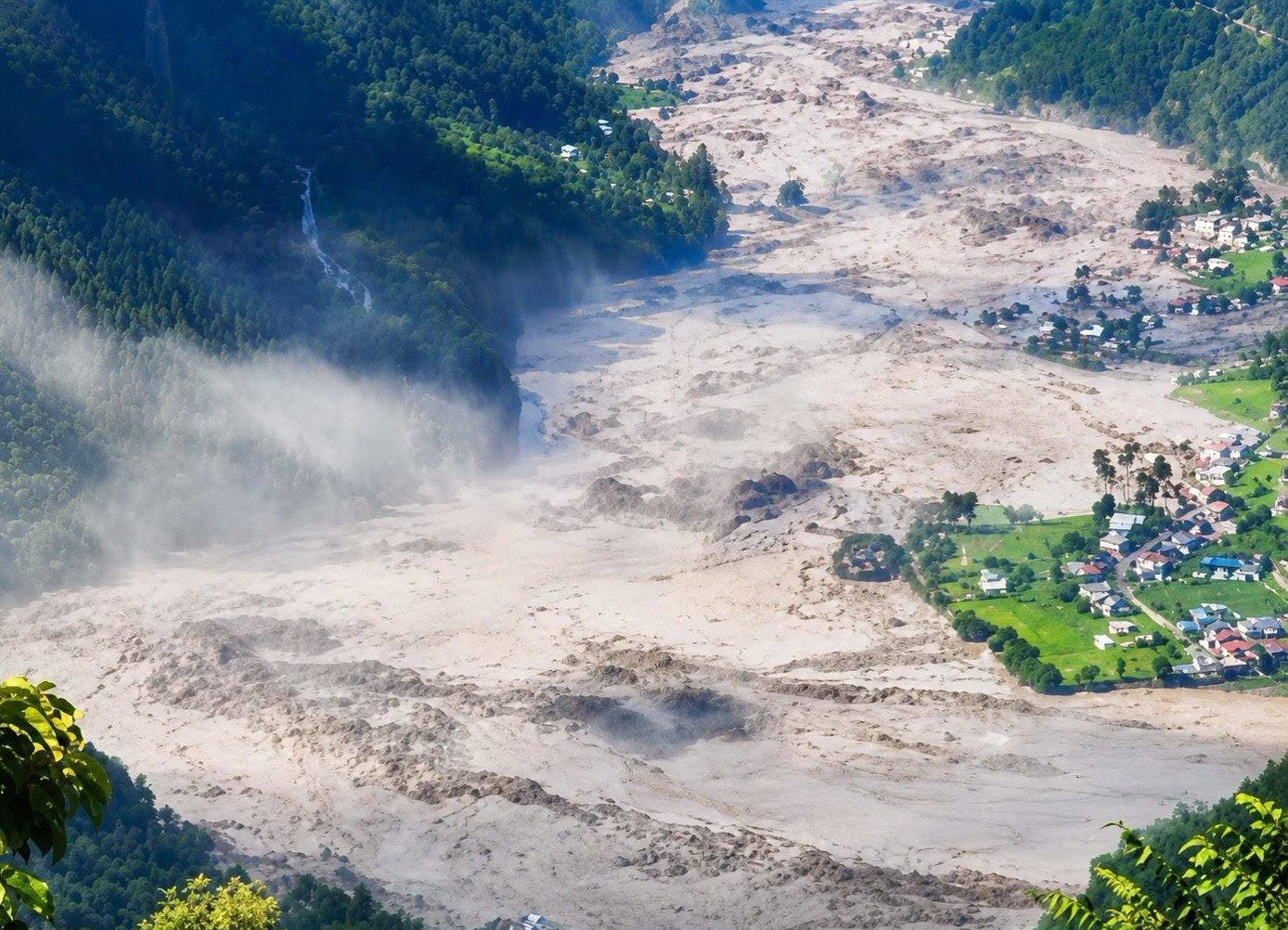
The Langtang area is susceptible to dangers associated with glaciers, landslides, floods, and changes in precipitation. As the 2026 Rasuwa flood demonstrated, conditions in the Himalayan region can alter very rapidly. A glacier collapsing near the border between Nepal and China caused an ice-and-rock avalanche together with severe flooding downstream.
Even though one particular event cannot on its own be linked to climate change, the incident does show how increasingly important it is to monitor glacier instability and to prepare for sudden mountain hazards.
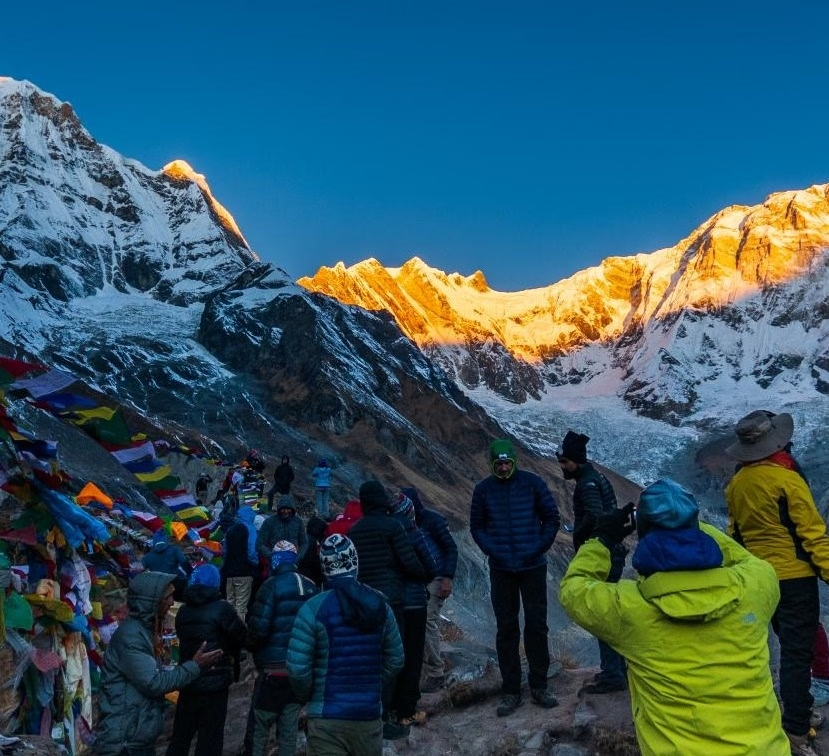
Annapurna and Manaslu Regions: Changing Weather and Trail Conditions
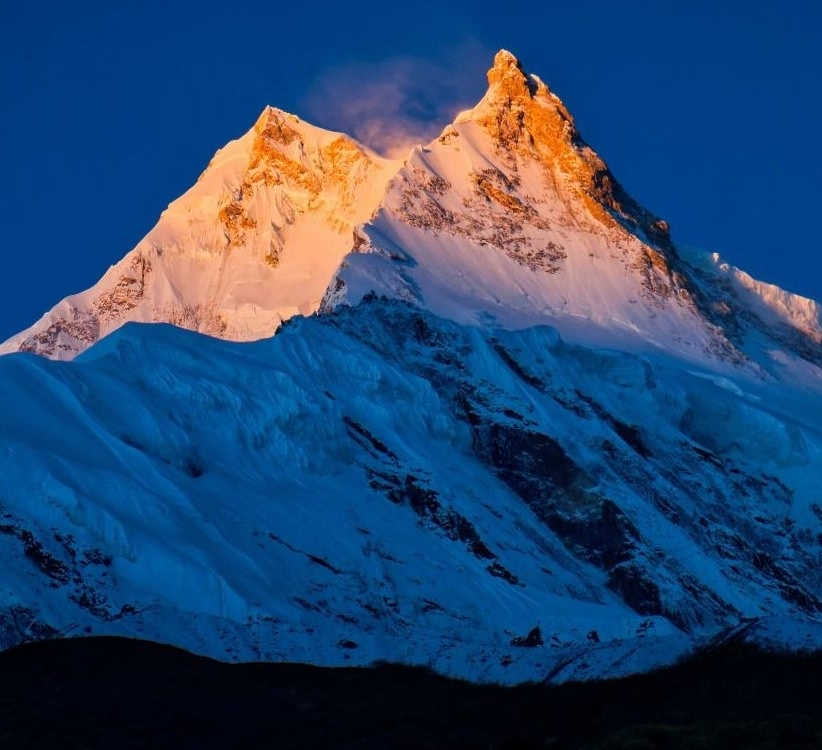
In the Annapurna and Manaslu areas, climate change is becoming more and more linked to unpredictable weather, changing patterns of snowfall and rainfall, as well as landslides and the disruption of trails.
Heavy rain can cause landslides, erosion, and flash floods, leading to damage of trekking paths, bridges, and roads. Moreover, changes in snowfall mean that the usual seasonal patterns become less predictable. This has the effect that conditions can vary a great deal from one season to the next, so it has become more important than ever to monitor the weather and to plan flexibly.
These changing conditions can also be experienced firsthand on treks through the Annapurna and Manaslu regions:
Annapurna Base Camp Trek
View detailsRasuwa Flood: A Warning Sign
The Himalayan valleys' vulnerability to sudden, high-impact events is shown by the recent Rasuwa disaster.
In August 2026 a serious flood occurred in the Rasuwa area close to the Nepal-China border following a glacier collapse which caused a huge amount of water, ice, rock and debris to flow into the valleys below. Scientists have looked into the contribution of abnormally warm conditions and glacier instability to this incident.
The communities and the infrastructure—this included roads, bridges, hydropower facilities, and the settlements, were greatly impacted by the disaster. The magnitude of the event showed how quickly a disturbance occurring in the mountain region can lead to effects a long way downstream.
It is necessary to make a distinction between a single disaster and climate attribution since not every flood or landslide can be directly linked to climate change. Yet warming temperatures, glacier instability, changes in precipitation, and other environmental changes can all increase the risks in the already vulnerable Himalayan environment.
The Rasuwa disaster thus serves as a strong reminder of the growing importance of climate monitoring, early-warning systems, disaster preparedness, and climate-resilient infrastructure in Nepal.
Effects of climate change in the Himalayas
Impact on Trekking Seasons and Trail Conditions
The climate in Nepal may have a direct impact on trekking conditions.
Alterations in the amount of snow and rain can make the usual trekking seasons less reliable. Heavy rain can damage the trails, lead to landslides, and raise river levels, while less snowfall can alter the high-altitude scenery and the condition of the trails.
For popular routes such as the Everest Base Camp, the Annapurna Circuit, the Langtang Valley and the Manaslu Circuit, changing weather patterns may soon mean that trekkers and trekking operators have to keep a closer eye on the conditions.
Impact on Local Communities and Livelihoods
The people who live in mountain areas rely on agriculture, animal husbandry, tourism, the forests, and natural water supplies.
Changes in the amount of water, snowfall, extreme weather, and natural hazards can have an effect on farming, livestock, infrastructure, and household income, and communities that rely on tourism are especially vulnerable if the trails, roads, bridges are damaged or the weather is unpredictable since this affects the number of visitors.
Climate change is therefore at the same time an environmental and an economic challenge for the people of the Himalayas.
Impact on Biodiversity and Ecosystems
The Himalayan region has ecosystems that are extremely diverse, extending from subtropical forests to alpine areas.
When temperatures increase, various plant and animal species might move to higher elevations in order to find suitable conditions. Changes in the amount of water, vegetation, snow cover, and habitat can lead to disruption of ecosystems and place greater pressure on species which are already affected by human development and habitat loss.
The preservation of biodiversity in the Himalayas will need to include both conservation and adaptation to changing environmental conditions.
A Global Concern, Not Just a Local One
The climate crisis in the Himalayas goes well beyond the mountain valleys of Nepal.
The glaciers and snow in the region feed major river systems which in turn support agriculture, urban areas, industry, ecosystems, and communities all over Asia; it follows that changes in the water resources of the Himalayas can have effects that extend well beyond the mountains themselves.
Many countries, such as the Maldives, Kiribati, and Tuvalu, are becoming more and more susceptible to submersion as rising sea levels endanger low-lying coastal areas and island nations.
Safeguarding the Himalayas is in the end an important aspect of ensuring water security, biodiversity, and the livelihoods of people in the broader area.
Adapting and Reducing Harm: Responding to a Changing Himalayas
Nepal's National Climate Response
Nepal has drawn up national policies and plans aimed at climate change adaptation, mitigation, disaster risk reduction, and at achieving climate-resilient development.
The plan for adaptation in the country covers resilient infrastructure, mountain tourism, community-based adaptation, and climate-resilient livelihoods.
Nepal has also created national frameworks relating to climate-related loss and damage and is still working on its climate mitigation and response plans.
Local and Community-Level Adaptation
It is usually the local communities that first notice the effects of climate change.
Community-based adaptation may involve improved water management, early-warning systems, disaster preparedness, resilient infrastructure, ecosystem restoration, and diversification of livelihoods.
Local knowledge is just as important since mountain communities have, over many generations, developed methods of adapting to harsh environments.
Climate-Resilient Tourism and Trekking
The tourism industry in Nepal should also adjust.
This may include keeping the trails safer, improving the weather and hazard information, strengthening the emergency response systems, developing resilient tourism infrastructure, and making sure that the trekking destinations are ready for changing environmental conditions.
Climate-resilient tourism must do so as a way of protecting both the tourists and the communities whose livelihoods are based on tourism.
Manaslu Circuit Trek
View detailsHow You Can Make a Difference
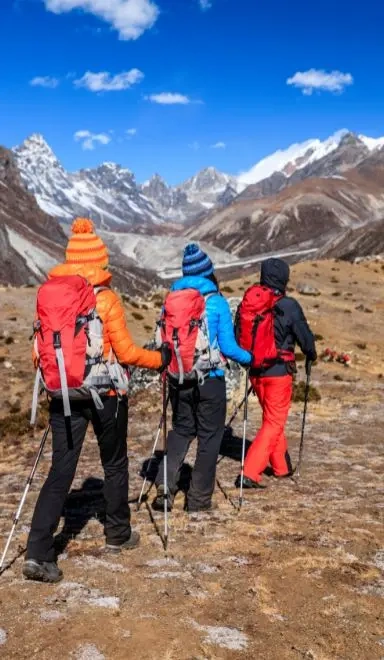
Practice Responsible Trekking
Stick to the marked trails, obey the local regulations, don't disturb the wildlife, and adhere to the Leave No Trace principles.
Reduce Waste and Plastic Use
Take reusable bottles and steer clear of unnecessary single-use plastics. Make sure to get rid of your waste and try to leave as little rubbish behind as possible.
Support Local Communities
Wherever possible, select locally owned accommodation, guides, transport, and other services. By supporting local businesses, tourism will directly benefit mountain communities.
Protect Mountain Ecosystems
Show respect for forests, wildlife, water sources, and the delicate alpine environments. The impact of small actions becomes important when thousands of trekkers all make the same decisions.
Choose Responsible Tourism Operators
Responsible trekking companies can help lower environmental impacts by managing waste better. They can use sustainable methods, support local communities, and use trails responsibly.
Conclusion
Climate change is causing changes in the Himalayas, with melting glaciers, altered snowfall, shifting seasons, increasing temperatures, and greater environmental risks already having an impact on the mountain ecosystems and on the local communities.
For Nepal the changes are closely linked to water security, biodiversity, livelihoods and tourism. Although the Himalayas will still have to cope with climate-related pressures the extent of the future impacts will in part depend on the effectiveness with which governments, communities, businesses and individuals respond.
It's not just about preserving some of the world's most spectacular mountains to protect the Himalayas; it's also about protecting the ecosystems, the cultures, the communities, and the water resources that depend on them.
The mountains are undergoing change and so our method of protecting them must change as well.