

Explore Tilicho Lake
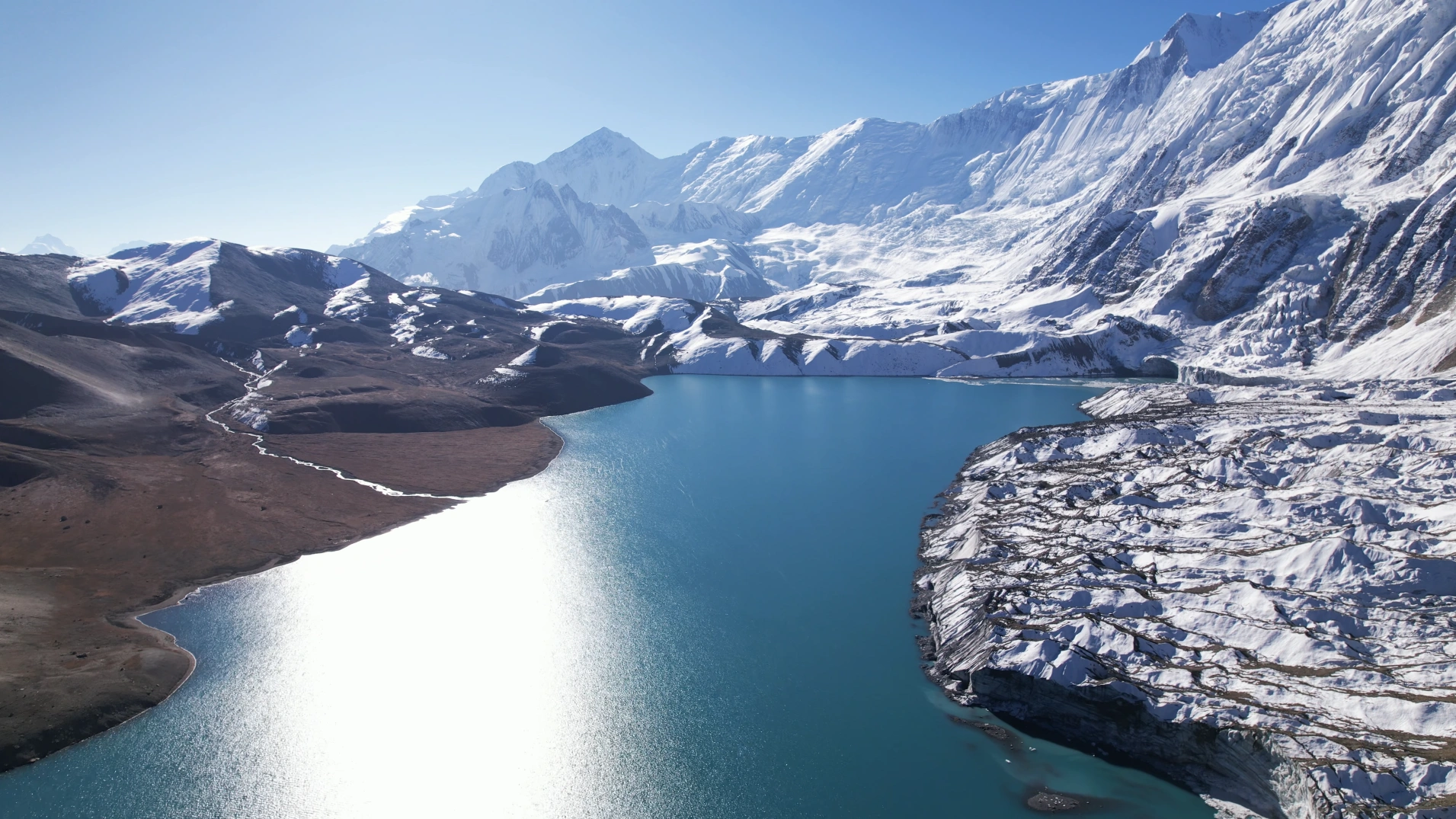
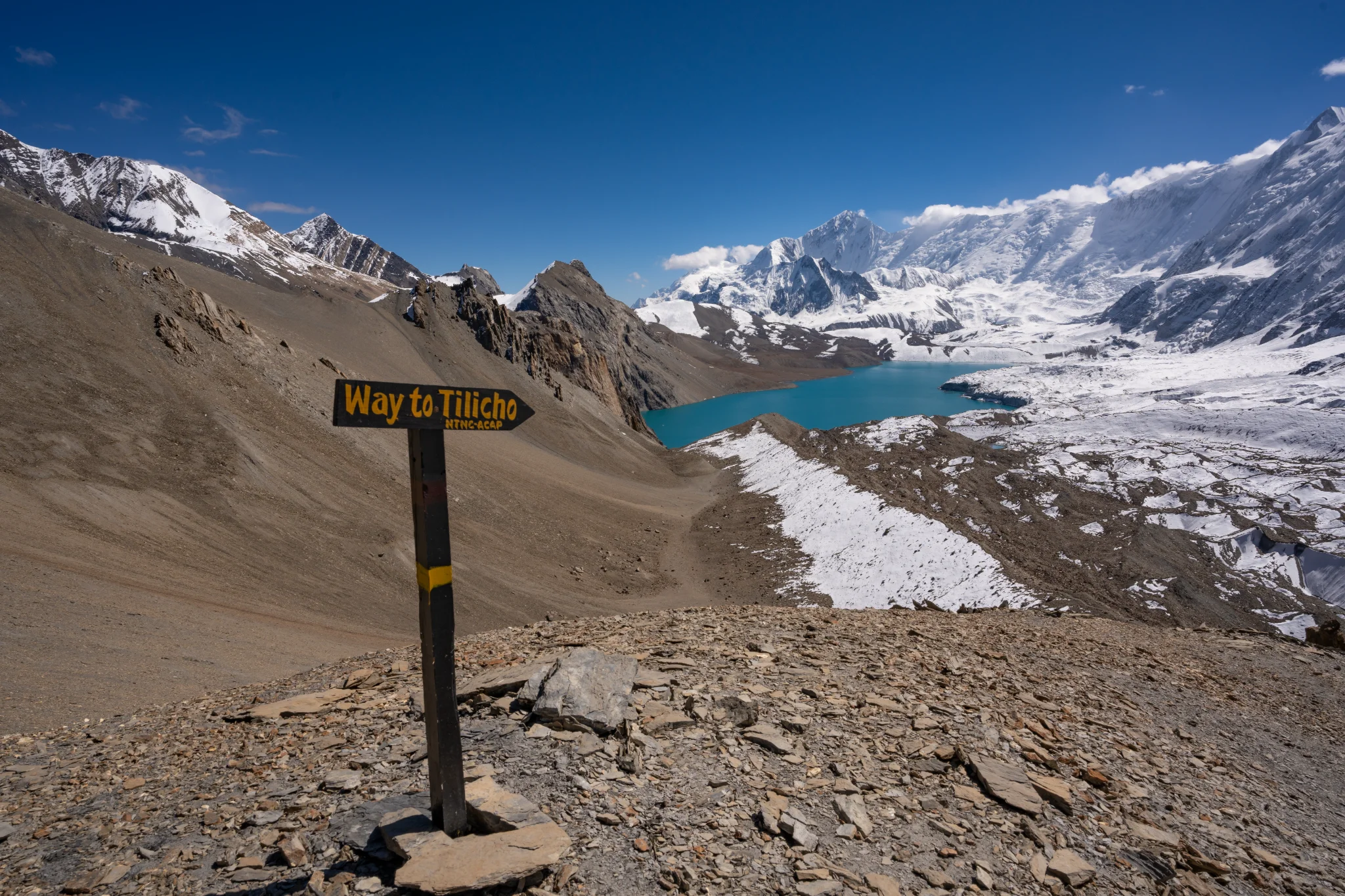
Tilicho Lake is one of the world’s highest lakes, situated at an elevation of 4,919 meters in the Annapurna region of Nepal. Therefore, it is often regarded as one of the most remarkable natural attractions of the Himalayas.
Tilicho Lake is a popular destination for trekkers seeking breathtaking mountain landscapes, diverse Himalayan scenery, and a rewarding high-altitude adventure. Surrounded by snow-covered peaks, rugged landscapes, and peaceful natural beauty, the lake offers a memorable experience along the famous Annapurna trekking routes.
- Nepal
- 1 Curated Trips
- Elevation: 4919m.
Top Trending Experiences
All-inclusive tours and adventures in Tilicho Lake recommended by experts
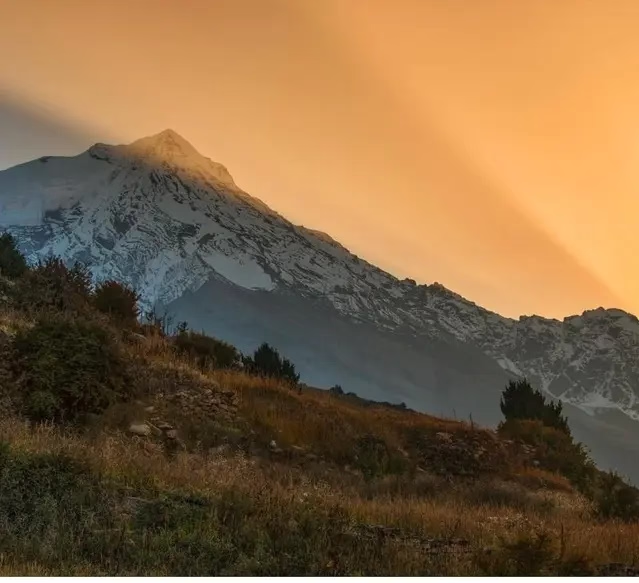
Inside Guide to Tilicho Lake
Everything you need to know about Tilicho Lake
Why Visit Tilicho Lake?
At 4,919 meters, Tilicho Lake sits deep in the high Himalayas of Nepal's Manang district, framed by steep mountain slopes and glacial terrain in one of the most striking corners of the Annapurna region. The lake lies off the main Annapurna Circuit trail, so reaching it means branching toward Khangsar and climbing through steadily wilder terrain before its turquoise water finally comes into view.
For trekkers, getting there is more than a sightseeing detour. It's a journey through the changing face of the Annapurna region, river valleys and forest give way to dry mountain terrain, and finally to the open, wind-swept alpine basin holding one of Nepal's most remarkable high-altitude lakes.
There are three common ways to experience Tilicho Lake: as a side trip from the Annapurna Circuit, as a standalone trek, or as part of an Annapurna Circuit with Tilicho Lake itinerary that continues over Thorong La. It requires real preparation, this isn't a short viewpoint walk, but with a sensible itinerary, appropriate acclimatization, and experienced local guidance, many reasonably fit trekkers can approach it with confidence.
Planning a Tilicho Lake trek? Tilicho Lake sits at approximately 4,919 metres in Nepal's Annapurna region, known for its high-altitude scenery and a steady climb through the Manang Valley. It can be done as a standalone trek, a circuit side trip, or as part of an Annapurna Circuit with Tilicho Lake itinerary, see Ways to Experience Tilicho Lake below.
Question | Answer |
Elevation | Approximately 4,919 m |
Region | Annapurna, Manang |
Main approach | Manang to Khangsar to Tilicho Base Camp |
Difficulty | Strenuous, mainly due to altitude and a long excursion day |
Recommended seasons | Spring and autumn |
Trek type | Standalone, side trip, or Annapurna Circuit extension |
Tilicho Lake Quick Facts
Feature | Information |
Location | Manang District, Gandaki Province, Nepal |
Region | Annapurna region |
Conservation area | Annapurna Conservation Area |
Elevation | 4,919 m (16,138 ft) |
Lake type | Glacial (moraine-dammed) alpine lake |
Surface area | Approximately 4.8 km², one of the largest lakes found at this altitude |
Main access | From Manang to Khangsar and Tilicho Base Camp |
Common trekking connection | Annapurna Circuit |
Difficulty | Strenuous, due to altitude and a long lake excursion day |
Main attraction | High-altitude lake and Himalayan scenery |
Best trekking seasons | Spring and autumn |
Nearby major settlement | Manang |
Common starting access | Besisahar and the Marsyangdi Valley |
Key Elevations Around Tilicho Lake
Location | Elevation |
Manang | 3,540 m |
Khangsar | 3,760 m |
Tilicho Base Camp | 4,140 m |
Tilicho Lake | 4,919 m |
Thorong La Pass | 5,416 m |
This progression helps trekkers understand how the altitude increases throughout the journey and why proper acclimatization is important before visiting the lake.
Where Is Tilicho Lake?
Tilicho Lake lies in the Manang district of Nepal's Annapurna region, inside the Annapurna Conservation Area, Nepal's first and largest protected area. It sits away from the main Annapurna Circuit trail near Manang, reached by branching off and following the Khangsar Valley up through Khangsar and Tilicho Base Camp.
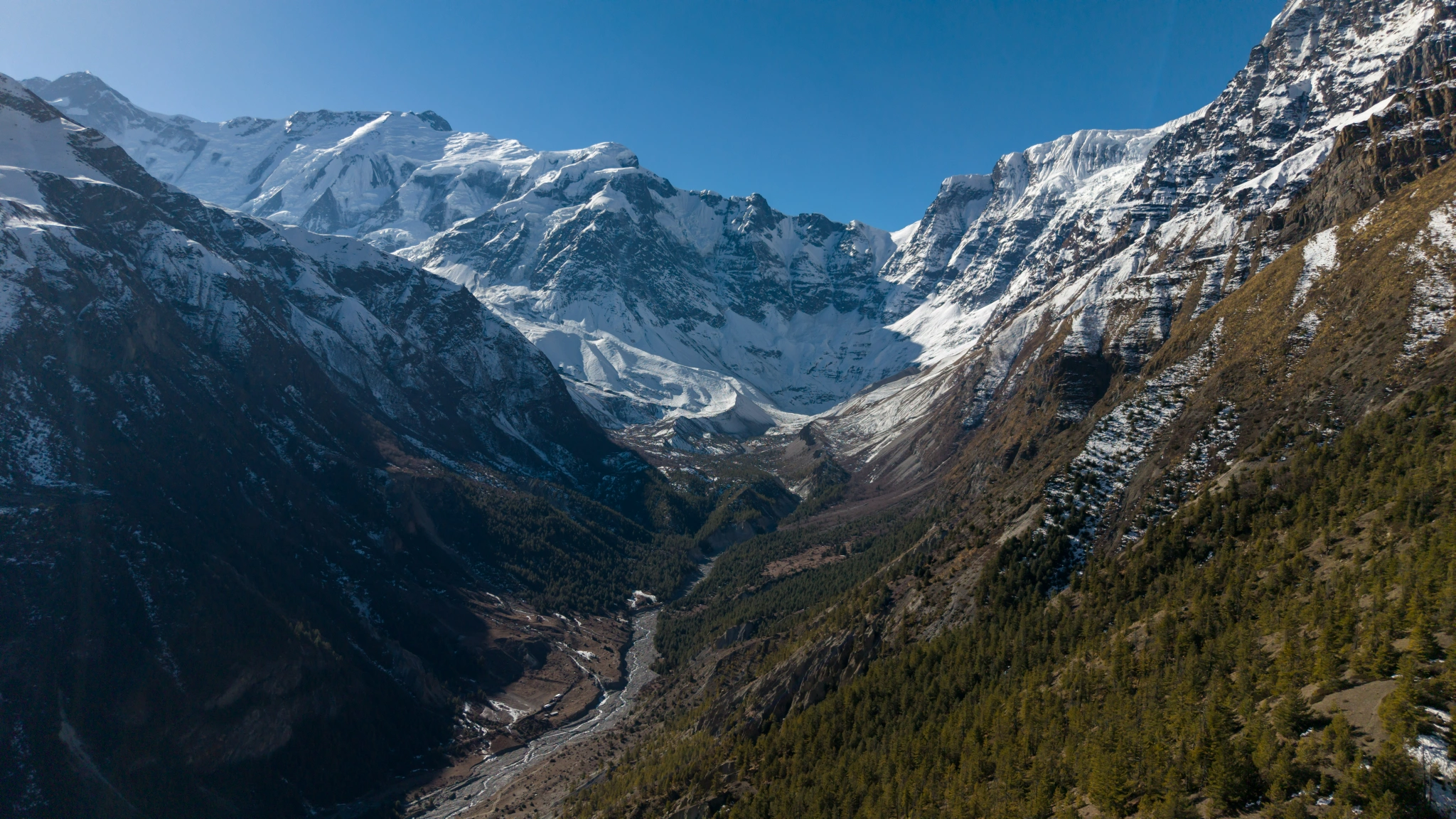
The landscape shifts noticeably as you climb: forest, farmland, and villages lower in the Marsyangdi Valley give way to drier, more open terrain around Manang, then to rocky alpine ground beyond Khangsar, cold, sparse, and shaped by moraine and glacial features, with views opening toward Tilicho Peak, Nilgiri Himal, and Khangsar Himal on a clear day.
That transition is one of the strongest reasons to include Tilicho in an Annapurna itinerary: you're not just adding a viewpoint, you're stepping into a genuinely different environment within the same region.
Why Is Tilicho Lake Famous?
Tilicho Lake is known for its elevation, turquoise water, remoteness, and the scale of the landscape around it. At approximately 4,919 metres and with a surface area of roughly 4.8 km², it is widely recognised as one of Nepal's highest large lakes.
Beyond the numbers, the appeal is the experience of getting there. A visit to Tilicho lets you:
Explore the Manang Valley
Walk through traditional Himalayan settlements
Experience genuinely high-altitude mountain terrain
Reach one of Nepal's best-known alpine lakes
The route also feels noticeably quieter than the main circuit, especially once you leave the busier trail around Manang.
Why Is Tilicho Lake Worth Visiting?
Tilicho Lake offers more than just a high-altitude destination. The journey combines the cultural atmosphere of the Manang Valley, traditional Himalayan settlements, changing mountain landscapes, and the experience of reaching one of Nepal's highest large alpine lakes. Unlike many viewpoints that involve a short climb and return, visiting Tilicho Lake feels like a complete mountain journey, with each stage of the route revealing a different side of the Annapurna region.
Many trekkers also choose Tilicho because it can be combined with the Annapurna Circuit, allowing them to experience both a high-altitude lake and the famous Thorong La Pass in a single trek.
Ways to Experience Tilicho Lake
Option | What it involves | Best for |
Side trip from the circuit | Branch off near Manang, visit the lake, and return to the same route | Trekkers already doing the full Annapurna Circuit who don't want to skip it |
Standalone Tilicho trek | Reach the lake via Manang without completing the circuit | Travellers short on time who mainly want the Tilicho experience |
Annapurna Circuit with Tilicho Lake | Visit the lake, then continue toward Yak Kharka and Thorong La instead of backtracking | Trekkers with enough time and preparation for a longer regional itinerary |
Which option fits depends on your available days, fitness, and what you want out of the trip. The sections below explain how the details differ between each route.
Tilicho Lake Trek Difficulty: What to Expect
Tilicho Lake is a strenuous trek, but the standard route does not require technical climbing skills. The challenge comes from altitude, a long excursion day, and terrain that asks for a steady, patient pace rather than special skills.
Altitude. At 4,919 metres, oxygen availability is significantly lower than at sea level, and altitude symptoms are common even among fit trekkers. This is manageable with a properly paced itinerary, see Acclimatization below.
Trail conditions. Most of the route is straightforward walking on established trail. One section, between Shree Kharka and Tilicho Base Camp, crosses rocky, scree terrain that can be affected by rain, snow, or loose ground. It's a section that asks for attention, not alarm; see Safety on the Trail below for exactly how it's managed.
Walking duration. The longest single day is the lake excursion itself, roughly 5–6 hours of walking, longer with breaks. Most other days run 3–5 hours.
Weather. Mountain weather shifts quickly at this elevation. Guides plan around it, typically an early start and a flexible schedule rather than a fixed one.
Who it suits. You don't need mountaineering experience, but you should be comfortable with several hours of uphill walking on consecutive days. Previous trekking experience helps, but a well-paced itinerary and good guide support matter more than raw fitness. Worth thinking honestly about: your general fitness, comfort on uneven terrain, how you've responded to altitude before, and your willingness to adjust plans if your guide recommends it.
How to Reach Tilicho Lake
Most trekkers reach Tilicho Lake through the Manang side of the Annapurna Circuit, travelling by road to the lower Annapurna region before continuing on foot.
Route | Approximate elevation | Notes |
Kathmandu/Pokhara to Besisahar | — | Road journey; starting point varies by package |
Besisahar to Chame to Pisang | Up to ~3,200 m | Standard Annapurna Circuit approach |
Pisang to Manang | ~3,540 m | Main acclimatization hub |
Manang to Khangsar | ~3,760 m | Gateway to the Tilicho section |
Khangsar to Tilicho Base Camp | ~4,140 m | Terrain grows steadily more open and alpine |
Tilicho Base Camp to Tilicho Lake | 4,919 m | Day excursion, then return to Base Camp |
Road access into the Annapurna region has improved over the years, shortening parts of the traditional approach, though conditions do vary by season, so it's worth keeping some flexibility in your plans, particularly after monsoon rain.
Tilicho Lake Trek Route and Itinerary
The Tilicho section of the journey unfolds in three stages.
Manang to Khangsar (~3,760 m, 3–4 hours), A relatively easy walking day that follows the Khangsar River through mountain settlements, with Tilicho Peak gradually filling more of the skyline.
Khangsar to Tilicho Base Camp (~4,140 m, 4–5 hours), The terrain opens up as vegetation drops away. This is where a steady pace starts to matter more than speed, walk at a comfortable rhythm, drink regularly, and mention anything unusual to your guide early rather than waiting to see if it passes.
Tilicho Base Camp to Tilicho Lake (4,919 m), The longest and highest section of the visit. The steady ascent and thinner air call for a slow pace, regular breaks, and enough time built in for the return journey. Groups generally start early and aim to be back at Base Camp the same day, allowing enough time for breaks and changing conditions, the exact schedule depends on pace, weather, and your guide's assessment on the day.
Walking times below are estimates for reasonably acclimatized trekkers moving at a typical group pace. They can vary with weather, trail conditions, and how the group is feeling on the day, your guide will adjust the schedule as needed.
Segment | Approximate time |
Khangsar to Tilicho Base Camp | 4–5 hours |
Tilicho Base Camp to Tilicho Lake | 2.5–3.5 hours (uphill) |
Time at the lake | 30–60 minutes |
Tilicho Lake to Tilicho Base Camp | 2–3 hours |
After the lake, trekkers generally either retrace the route back toward Manang or, on a combined Annapurna Circuit itinerary, continue forward from Base Camp toward Yak Kharka and Thorong La. See Ways to Experience Tilicho Lake above for which option fits your trip.
Example Combined Annapurna Circuit Itinerary
This is a sample day-by-day sequence showing how the Tilicho excursion fits into a longer Annapurna Circuit trip, it's illustrative rather than a fixed schedule, and your actual itinerary may differ based on your operator, pace, and route conditions.
Day | Route | Elevation | Walking time |
7 | Pisang to Manang | 3,540 m | ~4 hrs |
8 | Manang to Khangsar | 3,760 m | 3–4 hrs |
9 | Khangsar to Tilicho Base Camp | 4,140 m | 4–5 hrs |
10 | Tilicho Base Camp to Tilicho Lake and return | 4,919 m | ~5–6 hrs |
11 | Tilicho Base Camp to Yak Kharka | 4,050 m | 3–4 hrs |
12 | Yak Kharka to Thorong La Phedi | 4,525 m | 3–4 hrs |
13 | Thorong La Phedi to Thorong La to Muktinath | 5,416 m / 3,800 m | 7–8 hrs |
14 | Muktinath to Jomsom | 2,720 m | 4–5 hrs |
This sequence shows why Tilicho fits naturally into the longer circuit: you approach the lake gradually, rest a night at Base Camp, complete the excursion, and continue straight on toward Thorong La without backtracking. Treat it as a planning reference rather than a guarantee, exact routing and timing depend on your specific package and current conditions.
What Surprises Most Trekkers About Tilicho Lake
Many first-time visitors expect the lake itself to be the most challenging part of the journey, but the biggest surprise is often how different the landscape becomes beyond Manang. The green valleys and settlements gradually disappear, replaced by a stark alpine environment of rocky slopes, glacial terrain, and wide mountain views.
Trekkers are also often surprised by how quickly weather conditions can change around the lake. Even during stable trekking seasons, mornings can feel calm while strong winds and colder temperatures develop later in the day. This is one reason why most groups leave Tilicho Base Camp early and return before conditions become less predictable.
Another common surprise is that most trekkers spend less than an hour at the lake itself. The achievement comes as much from the journey through the high mountains as from reaching the shoreline.
Acclimatization and Altitude Awareness
Tilicho Lake reaches 4,919 metres, so altitude is worth taking seriously for every trekker, regardless of fitness or past trekking experience. The risk can be meaningfully reduced through gradual ascent, appropriate acclimatization, and careful decisions on the trail.
A well-built itinerary gains altitude gradually and includes rest along the way, giving your body time to adjust before the lake excursion. Your guide will keep an eye on how you're doing, encourage a comfortable pace, and help judge whether continuing makes sense on any given day.
Common symptoms of altitude illness can include headache, nausea, dizziness, unusual tiredness, and reduced appetite. Report symptoms early. If symptoms worsen, stop ascending and inform your guide immediately, descent may be necessary. Reaching the lake is never worth more than your health, and a good guide will always agree.
How trekkers can prepare:
Follow the planned acclimatization schedule rather than pushing ahead of it
Walk at a steady, comfortable pace
Drink regularly and eat enough, even if appetite drops
Avoid pushing on if you're feeling unwell
Tell your guide about symptoms early, not once they're serious
Carry travel insurance that explicitly covers trekking at your planned altitude
Safety on the Trail
Trail Conditions Between Shree Kharka and Tilicho Base Camp
This is the one stretch of the route worth a specific mention. The approach to Tilicho Base Camp crosses a section of rocky, scree terrain that can be affected by rain, snowfall, or loose ground underfoot, conditions here can shift more than on the smoother trail lower down.
This section doesn't normally require technical climbing skills, but its condition can vary with weather, erosion, and recent trail changes, so it's treated with real attention rather than crossed casually. Your guide will assess trail and weather conditions before you head out and will set the pace and route accordingly. On this section, trekkers generally stay together, keep moving rather than stopping in exposed spots, follow the established trail, and maintain reasonable spacing from each other. With local guidance and attention to current conditions, trekkers can approach this section with confidence, your guide should walk you through anything that needs extra care before the group sets off.
General Trail Practice
Start early, particularly on the Base Camp–lake day, to make the most of stable morning conditions
Stay on the established trail and follow your guide's lead, especially where ground looks loose or uncertain
Dress for real cold, mornings, evenings, and windy stretches can feel very different from a mild afternoon in Manang
Stay hydrated; it makes altitude easier to manage
Expect some built-in flexibility in the schedule, weather and trail conditions occasionally call for a change of plan, and that's normal rather than a sign anything has gone wrong
Best Time to Visit Tilicho Lake
Spring and autumn are the two main trekking windows for the Annapurna region, though the right choice depends on weather, snow, trail stability, and the kind of trip you want.
Spring (March–May), Lower elevations warm and green up as the season progresses, while higher sections can still hold cold and lingering snow, especially early on. Expect warmer days, longer daylight, and generally reliable trekking windows once you're past the early weeks.
Monsoon (June–August), Heavy rain affects much of Nepal at lower elevations, with wet trails and possible road disruption. Manang sits partly in the Annapurna range's rain shadow and stays noticeably drier than much of central Nepal, though it's still worth checking road and trail conditions before travelling in this window.
Autumn (September–November), Nepal's most popular trekking season, with generally clear post-monsoon skies and stable weather. October and November are the busiest months, so it's worth booking accommodation and transport ahead.
Winter (December–February), Winter conditions can meaningfully change the route: snow, ice, cold temperatures, and reduced lodge availability may affect access to the lake. It's a season that works well for prepared, experienced trekkers, but anyone considering it should confirm current trail conditions, lodge availability, and the experience level required with a local trekking agency before departure.
Season | General conditions | Planning considerations |
Spring | Warmer at lower elevations | Snow and cold still possible at altitude |
Monsoon | Rain, possible trail disruption | Check road, landslide, and weather conditions |
Autumn | Peak trekking season | Book accommodation and transport ahead |
Winter | Cold, potential snow | Confirm conditions and lodge availability in advance |
Accommodation, Food, Water, and Connectivity
Accommodation follows the classic Himalayan teahouse system, with standards easing as you climb. Manang offers the widest choice, a good base for an acclimatization stop. Khangsar has basic guesthouses suited to trekkers preparing for the section ahead. Tilicho Base Camp accommodation is simpler and more limited, built for one practical purpose: a comfortable rest before the early push to the lake.
Food follows the standard teahouse menu, dal bhat, rice, noodles, soups, momo, potatoes, Tibetan-style bread, eggs, pasta, and plenty of tea. Choices narrow at higher elevations. Eat regularly even if your appetite dips at altitude, that's exactly when your body needs the calories, and it's worth carrying a few personal snacks for the lake excursion itself.
Water options typically include refilled treated water, filtered water, lodge water, or bottled water where available. A reusable bottle with a reliable treatment method is the simplest way to stay safe and cut down on plastic waste along the route.
Connectivity thins out the further you go, expect intermittent mobile signal, limited Wi-Fi, occasional charging fees, and little to no signal around the lake itself. A power bank is worth its weight here, and it's a good idea to make any important calls while you still have a reliable connection.
Permits and Documentation
Tilicho Lake lies within the Annapurna Conservation Area, so trekkers need an Annapurna Conservation Area Permit (ACAP). Permit fees and other trekking requirements can change, so the applicable requirements should be confirmed before departure.
Guide and TIMS requirements for the Annapurna region have changed more than once in recent years, and published sources may not always agree on the current status. We confirm the applicable documentation and current trekking regulations before each departure, advising travelers based on the latest official requirements at the time.
If you're planning independently, confirm current requirements directly with the Annapurna Conservation Area office or a registered trekking agency close to your travel dates rather than relying on older articles online.
What to Pack for Tilicho Lake Trek
Tilicho Lake requires the standard Annapurna trekking essentials, along with additional warm layers and protection for the colder and windier conditions above 4,000 metres.
What you need can vary significantly depending on the season, route, and whether you're travelling independently or with a full-service package. Winter conditions generally require more preparation than spring or autumn.
If you're planning your trek with Heaven Himalaya, message our team with your travel dates and we'll provide a season-specific packing list for your itinerary.
Tilicho Lake Trek Cost
Cost depends on a mix of factors rather than any single line item: trek duration, transportation, accommodation standard, guide and porter services, permits, meals, group size, starting and ending points, additional hotel nights, flights, personal expenses, and any weather-related itinerary changes. For a combined Annapurna Circuit with Tilicho Lake itinerary, cost also depends on whether transport is arranged privately or as part of a group.
Because so many variables shift by season and group size, fixed prices are best quoted once your specific package is confirmed, and a good quotation always states clearly what's included and what isn't.
Category | What may affect the cost |
Transportation | Road conditions, private vs. shared vehicles |
Accommodation | Lodge category, room arrangements |
Guide | Group size, service duration |
Porter | Number of trekkers, baggage requirements |
Permits | Applicable fees, traveller category |
Meals | Package inclusions vs. personal purchases |
Additional nights | Accommodation availability, location |
Insurance | Coverage level, individual policy |
Tilicho Lake vs. Annapurna Circuit
Tilicho Lake and the Annapurna Circuit are closely connected but offer genuinely different experiences, complementary rather than competing.
Feature | Tilicho Lake Trek | Annapurna Circuit |
Main attraction | High-altitude lake | Complete circuit through diverse landscapes |
Common access | Manang and Khangsar | Marsyangdi Valley |
High point | Tilicho Lake, ~4,919 m | Thorong La, ~5,416 m |
Route style | Lake excursion or standalone itinerary | Longer circuit |
Main challenge | Altitude and a long excursion day | Extended trekking, high-pass crossing |
Duration | Depends on itinerary | Generally longer |
Combination | Can be added to the circuit | May include Tilicho Lake as an extension |
Responsible Tourism Around Tilicho Lake
High-altitude environments like this one are genuinely fragile, and small choices add up. Carry your waste out and dispose of it properly in settlements. Treat monasteries, prayer walls, and local residents with real respect. Choose locally operated accommodation, restaurants, and services where you can, stay on the established trail rather than cutting shortcuts, and carry a reusable bottle with a safe treatment method instead of buying bottled water at every stop. It's a small set of habits that keeps this route worth visiting for the communities who live along it and the trekkers who come after you.
How Heaven Himalaya Supports Your Tilicho Trek
At Heaven Himalaya, we help trekkers prepare for the route before departure, including itinerary planning, equipment guidance, accommodation arrangements, and altitude-related considerations.
Our local guides support trekkers throughout the journey by maintaining a suitable pace, monitoring how the group is feeling, and communicating changes in weather or trail conditions. We also help make practical decisions when conditions require adjustments to the planned itinerary.
From preparation and acclimatization to accommodation and trail decisions, our focus is on providing clear guidance and responsible support throughout the trek.
Frequently Asked Questions About Tilicho Lake
What is Tilicho Lake famous for?
Its elevation, turquoise glacial water, and remote Himalayan setting, at 4,919 metres and roughly 4.8 km², it's one of Nepal's highest large lakes.
How high is Tilicho Lake?
Approximately 4,919 metres (16,138 feet) above sea level.
Where is Tilicho Lake located?
In Manang district, Nepal's Annapurna region, within the Annapurna Conservation Area.
Is Tilicho Lake part of the Annapurna Circuit?
Not directly on the main trail, it's a side route reached by branching off near Manang through Khangsar, though it's commonly combined with the circuit.
How difficult is the Tilicho Lake trek?
Strenuous rather than technical, the challenge is altitude and a long excursion day, not climbing skill. See Trek Difficulty above for what to expect on each part of the route.
Can beginners trek to Tilicho Lake?
Some fit beginners can complete it with the right itinerary and experienced guidance, it isn't reserved for expert mountaineers. But beginners vary a lot in fitness and altitude response, so an honest look at your own fitness, preparation, and how you've handled altitude before is worth doing before you commit.
How long does the lake excursion take?
Roughly 5–6 hours of walking for the Base Camp–lake–Base Camp round trip, or 7–8 hours including breaks and time at the lake.
How long should I stay at the lake?
Around 30–60 minutes is generally enough for photos, a rest, and a proper look before heading back down.
What is the best time to visit Tilicho Lake?
Spring (March–May) and autumn (September–November), with conditions varying somewhat year to year.
Is Tilicho Lake safe?
Tilicho Lake can be visited safely by many trekkers with appropriate preparation, acclimatization, suitable equipment, and experienced local guidance. That said, the route involves genuine high-altitude and changing trail conditions, your guide should assess conditions as you go, monitor how the group is doing, and adjust the itinerary when needed. No trekker should continue ascending while altitude symptoms are worsening. See Safety on the Trail above for more detail.
Do I need a guide?
Strongly recommended given the altitude and remoteness. Guide and permit requirements shift periodically, confirm the current situation with your agency before travel.
Is there accommodation at Tilicho Lake itself?
No, trekkers stay at Tilicho Base Camp and visit the lake as a day excursion.
Can I do Tilicho Lake without completing the Annapurna Circuit?
Yes, a standalone itinerary through Manang works well without the full circuit, though combining the two shows you a much larger slice of the region in one trip.
Is Tilicho Lake worth adding to the Annapurna Circuit?
Tilicho Lake adds a different high-altitude experience to the Annapurna Circuit, but it also requires additional walking, altitude gain, and flexibility. Whether to include it depends on your available time, preparation, and trekking goals.
Plan Your Tilicho Lake Trek with Heaven Himalaya
Heaven Himalaya has been organizing treks through the Annapurna region, including Tilicho Lake, for travelers looking for a well-prepared, honestly guided high-altitude experience. Whether you're drawn to Tilicho as a standalone trek, a side trip from the Annapurna Circuit, or an Annapurna Circuit with Tilicho Lake itinerary that continues over Thorong La, our team can help you figure out which version of the trip actually fits your time, fitness, and goals, rather than pushing you toward the longest or most expensive option by default.
Share your preferred travel dates, group size, and whether you'd like to combine Tilicho Lake with the Annapurna Circuit, and we'll walk you through the available itinerary options, what preparation looks like for your chosen route, and exactly what's included in a quotation before you commit to anything. If you're still deciding between the three ways to experience Tilicho Lake, that's a completely normal place to start, we're happy to talk it through.
Where you’ll go
Customize Your Trip
Prefer a tailored itinerary? Let us build the journey of your dreams.