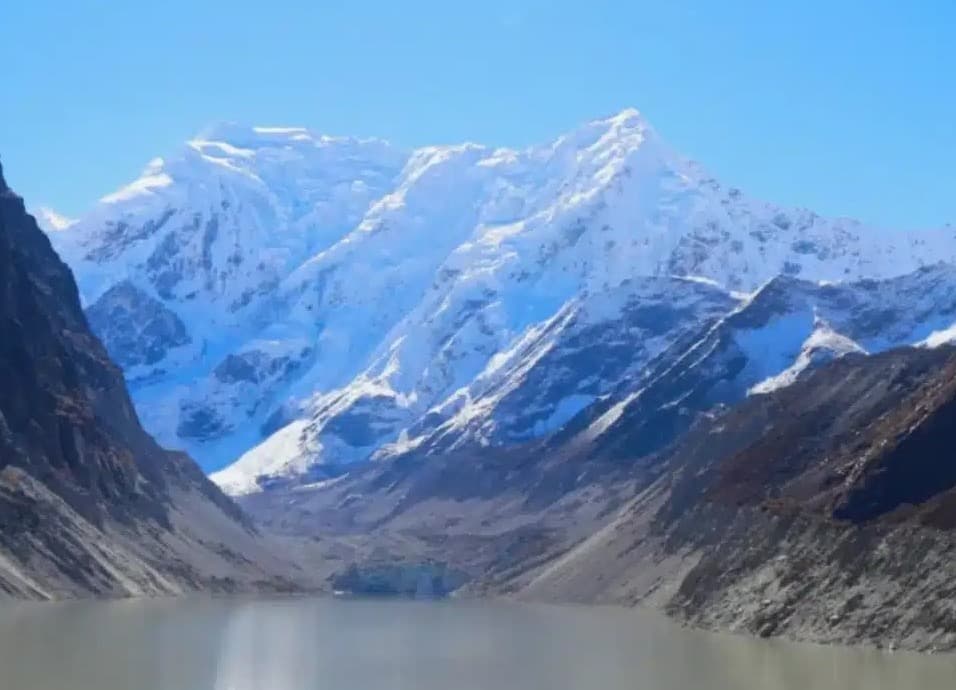
Ready to conquer one of Nepal's most famous trekking peaks? This Lobuche Peak climbing guide will help you plan a successful journey. Lobuche Peaklies in the Khumbu Region, offering breathtaking panoramas of Mt. Everest, Lhotse, Ama Dablam, and neighbouring mountains.
This blog is intended for both experienced climbers and those attempting their first high-altitude climb. You can get everything you need to learn about Lobuche Peak here, as we've covered its:
- Best time to climb
- Difficulty level
- Typical itinerary
- Climbing permits
- Expected costs
- Required gear
- Essential training tips
To ensure your adventure is safe and enjoyable, we've included tips on accommodations, food, and safety. Read on to confidently plan your Lobuche Peak climb in Nepal's Himalayas.
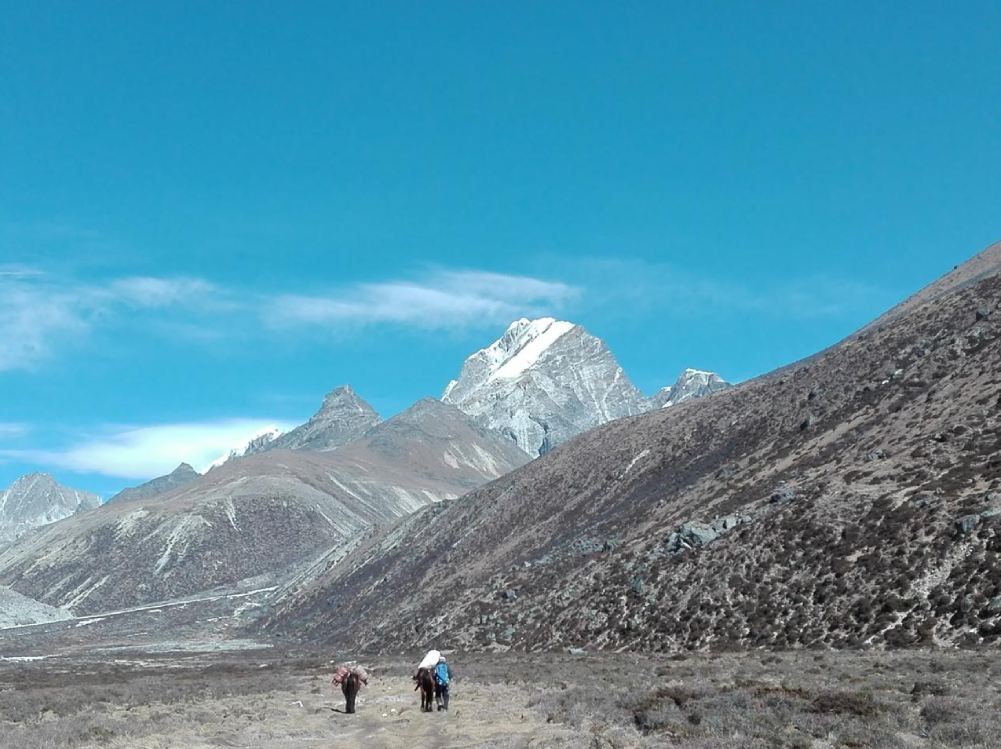
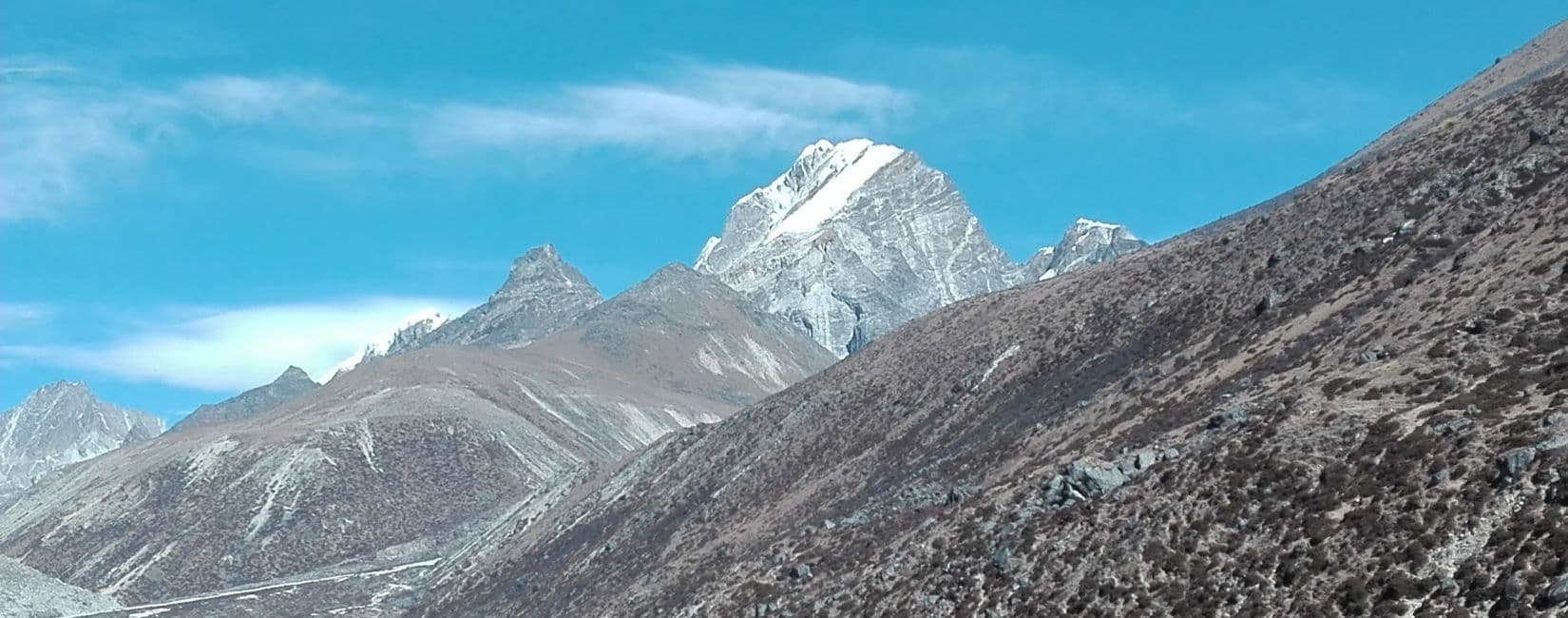
Where Is Lobuche Peak Located In Nepal
Lobuche Peak is one of the most iconic trekking peaks in the Everest Region. It has two summits, east and west and is located in the Solukhumbu District of Koshi Province in eastern Nepal.
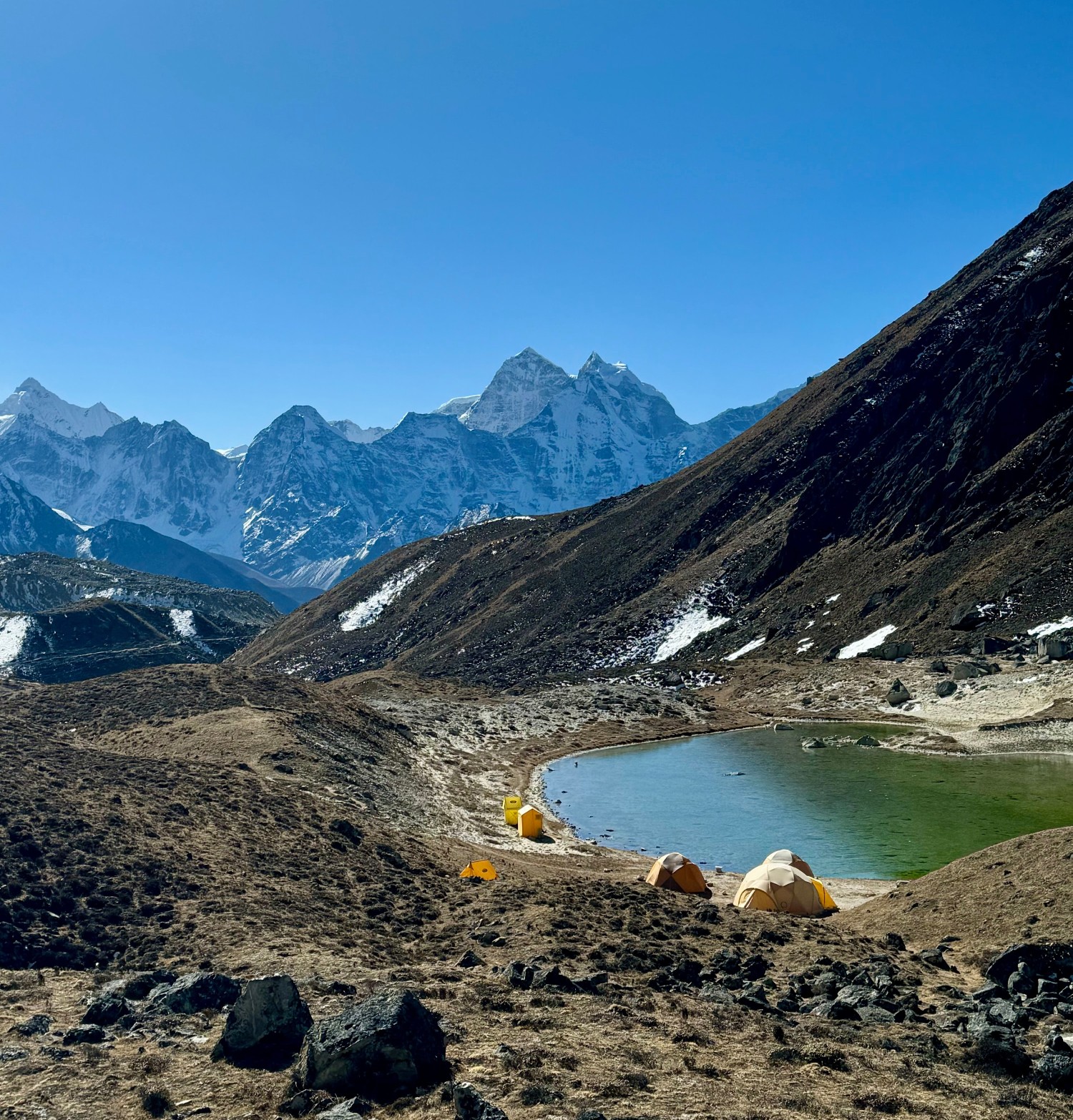
The mountain lies within the UNESCO World Heritage Site area, Sagarmatha National Park and is so near the classic trekking trail to Everest Base Camp (EBC). It's in such a great location, offering a rewarding view of the Himalaya from the top to those who dare to reach it.
Lobuche Peak Height And Overview
Lobuche Peak actually has two main summits: east and west. East stands at 6,119 m (20,075.46 ft) and west at 6,145 m (20,160.76 ft) in elevation.
Among these two, the east is popular as one of the Himalayan trekking peaks in the Khumbu Region and also one of the most climbed ones. It's an excellent choice for beginners to experience climbing without attempting an extremely high mountain expedition due to its relatively low height.
Once you make it up to the top, you'll be rewarded with jaw-dropping scenery of mountains in the Mahalangur Range, such as the following:
- Everest (8,848.86 m/29,031.69 ft),
- Lhotse (8,516 m/27,940 ft)
- Nuptse (7,861 m/25,791 ft)
- Ama Dablam (6,821 m/22,349 ft)
It's near the classic trail leading to EBC. Therefore, most trekkers extend their journey to the EBC first via Lobuche Base Camp (4,940 m/16,210 ft), retrace the same route, and head to the high camp (5,400 m/17,716.54 ft).
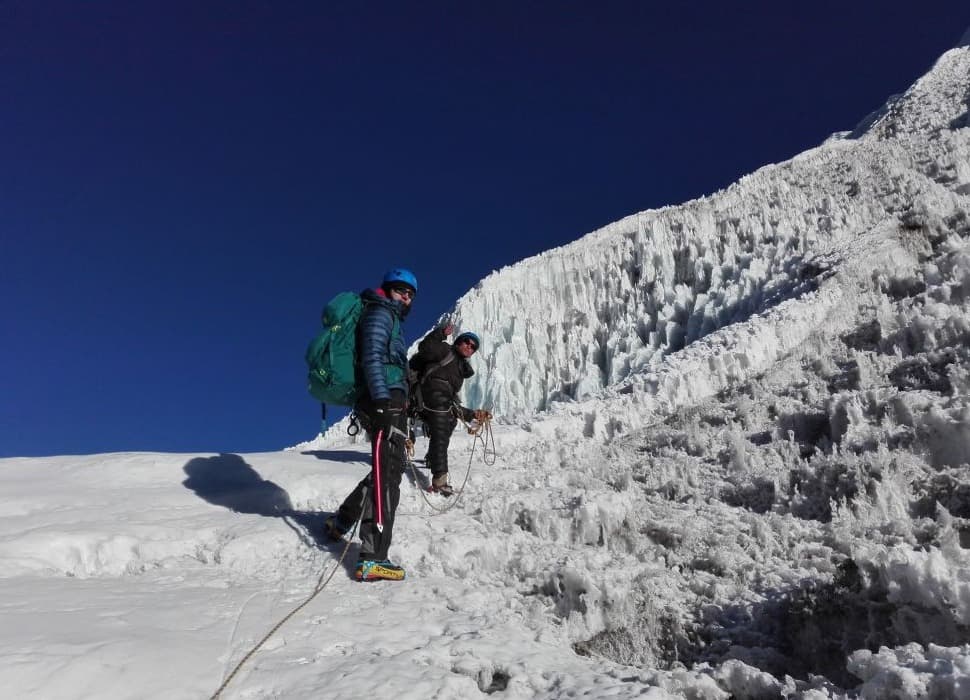
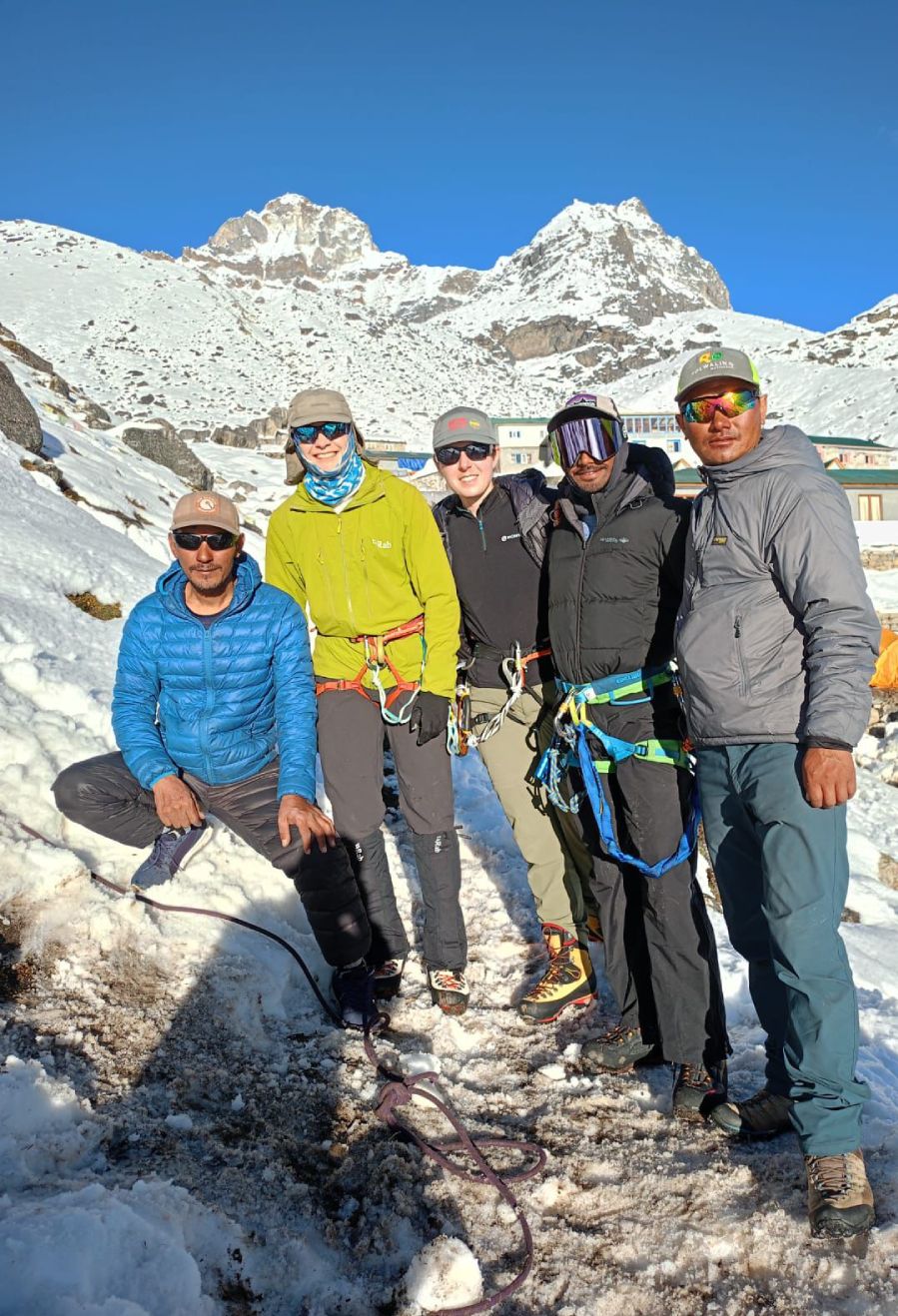
Although it's considered a trekking peak in Nepal, basic climbing training is still required, including using crampons, an ice axe, ropes, and a harness. During the journey, you'll go through authentic Sherpa villages, high-altitude valleys, and remote landscapes to reach Lobuche Base Camp by walking for several days.
For first-timers, the peak is ideal for entering the Himalayan mountaineering world. Most people attempt this first to climb Mount Everest later.
Lobuche East Vs Lobuche West: What's The Difference
As discussed above, there are two summits of Lobuche Peak, east and west. Both are in the same location, offering spectacular views of the Himalaya. Nevertheless, their difficulty level, technical requirements, and popularity among the adventurers make them different.
Refer to the comparison table between Lobuche East and Lobuche West for details:
| Feature | Lobuche East | Lobuche West |
| Altitude | 6119m (20,075 ft.) | 6145m (20,160ft)` |
| Type | Trekking Peak | Climbing Peak |
| Difficulty | Moderate to Challenging | Challenging |
| Required Skill | Basic Mountaineering Skill | Snow and Ice Climbing Experience |
| Popularity | Famous, Beginner Friendly | Less Famous, Suitable for Experienced Climbers |
| Proximity | Near EBC Trekking Trail | Remote, More Isolated |
| Best for | First-timer climbers | Experienced Mountaineers |
Best Time To Climb Lobuche Peak
The Best time for climbing Lobuche Peak is during two seasons: spring (March to May) and autumn (September to November). The weather is stable in the Khumbu Region during these periods, resulting in clear skies, mild temperatures, and good visibility. Such conditions make it ideal for mountaineering.
Spring is one of the best seasons for climbing Lobuche Peak in Nepal, as it follows winter when temperatures slowly begin to warm, and wildflowers bloom, adding vibrant colour to the alpine trails of the Everest Region. You can have a richer Himalayan experience during this period.
Autumn, on the other hand, is another ideal time of year for the Lobuche peak expedition. It's the post-monsoon season. During this season, dust and clouds are cleared from the sky by the monsoon rain, making the visibility very sharp across Sagarmatha National Park.
Winter (December to February) and monsoon (July to August) are the off-seasons for trekking and mountaineering in the Everest Region. It's sometimes possible to do; nonetheless, freezing temperatures, snowfall, rainfall,and unstable weather make it extremely challenging.
Lobuche Peak Climbing Difficulty
The difficulty of climbing Lobuche Peak varies depending on the summit you choose. You already know that this mountain has two summits: east and west. Both have different difficulty levels for climbing.
LobucheEast is recognised as a trekking peak in Nepal. By taking just basic mountaineering training, such as rope fixing, using crampons, and an ice axe, you can reach the top. So, Lobuche East Peak is moderate to challenging in difficulty.
On the other hand, Lobuche West is technically demanding due to its tough summit ridge. Therefore, it's classified as an expedition peak and is only suitable for experienced climbers.
Both summits are above 6,000 m (19,685.04 ft), making elevation a major factor affecting the difficulty level of climbing Lobuche Peak. As a result, what most climbers do is they first reach EBC by following the classic trekking trail to acclimate their bodies before attempting the summit. In this way, the Lobuche Peak climb can be experienced safely.
Lobuche Peak Permits & Cost
Since both Lobuche East and Lobuche West are classified differently, the permits to climb them are issued by different administrations. Lobuche East is a trekking peak, and the Nepal Mountaineering Association (NMA) is the agency that manages the trekking peaks in the country. For climbing it, you're required to obtain an NMA trekking peak permit from NMA.
Lobuche West is an expedition peak. Its permit is only issued by the Department of Tourism, which is an expedition permit.
There are two other permits required for climbing both peaks. They are theSagarmatha National Park entry permit and the Khumbu Pasang Lhamu Rural Municipality permit.
Speaking of cost, it can depend on the itinerary, guide services, and trekking package. As mentioned earlier, most climbers add trekking to the EBC in their Lobuche Peak climbing program. By doing so, additional expenses such as food, lodging, and a guide are incurred.
Generally, the package for Lobuche Peak climbing with EBC costs between USD 2,100 and 3,500 per person. The price covers all services, including the required permits.
However, its price also varies depending on the number of people in a group. If you have a large group, you'll get a discount accordingly.
Lobuche Peak Climbing Itinerary
Below is a typical outline itinerary for Lobuche Peak climbing, which usually takes around 16 to 18 days. It follows the classic trekking route in the Khumbu Region, allowing proper acclimatisation before the summit attempt.
Day 1: Arrival in Kathmandu (1,400 m / 4,593 ft)
Day 2: Fly to Lukla (2,860 m / 9,383 ft), trek to Phakding (2,610 m / 8,563 ft)
Day 3: Trek to Namche Bazaar (3,440 m / 11,286 ft)
Day 4: Acclimatisation day at Namche Bazaar
Day 5: Trek to Tengboche (3,867 m / 12,687 ft)
Day 6: Trek to Dingboche (4,410 m / 14,468 ft)
Day7: Acclimatisation day at Dingboche
Day 8: Trek to Lobuche (4,940 m / 16,207 ft)
Day 9: Trek to Everest Base Camp (5,364 m / 17,598 ft), return to Gorak Shep (5,164 m / 16,942 ft)
Day 10: Hike to Kala Patthar (5,545 m / 18,192 ft), trek back to Lobuche
Day 11: Trek to Lobuche Base Camp (about 4,950 m / 16,240 ft)
Day 12: Climb to High Camp (about 5,400 m / 17,717 ft) and preparation for the summit
Day 13: Summit Lobuche Peak (6,119 m / 20,075 ft) and descend to base camp
Day 14: Trek to Pheriche (4,371 m / 14,340 ft)
Day 15: Trek to Namche Bazaar
Day 16: Trek to Lukla
Day 17: Fly back to Kathmandu
This Lobuche Peak climbing itinerary allows climbers to acclimatise properly while enjoying the famous trekking route to EBC. It also provides enough time for the summit attempt, making the climb safer and more enjoyable for climbers exploring the Everest region.
Note: This is the outline itinerary for Lobuche East climbing, while the trail and stopping points are similar for Lobuche West. Also, the itinerary can be modified by adding extra activities or days according to your preferences, at an additional cost.

Training & Preparation Tips
Here are some useful training and preparation tips for climbing Lobuche Peak to ensure a safe and enjoyable adventure:
- Build good physical fitness before starting Lobuche Peak climbing. Regular cardio exercises, such as squatting, walking, running, swimming, or cycling, help prepare your body for high-altitude trekking in the Khumbu Region.
- Practice strength training to improve endurance for the Lobuche Peak climb. Strong legs and core muscles help when trekking on steep trails and carrying a backpack in the Everest region.
- Learn basic mountaineering skills before attempting to summit Lobuche Peak. Knowing how to use crampons, ropes, and an ice axe can make the summit climb safer and more comfortable.
- Train for high altitude by doing longer hikes or trekking trips before the expedition. Proper preparation helps your body adjust to the altitude during the trek toward Everest Base Camp.
- Prepare mentally for the challenge. The Lobuche Peak expedition involves several days of trekking and climbing in remote Himalayan terrain, so patience and determination are important.
- * Pack the right climbing gear and clothing. Good quality boots, warm layers, and climbing equipment are essential for safe Himalayan mountaineering in the Everest region.