
Kongma La Pass Guide: Altitude, Difficulty, Route & Tips

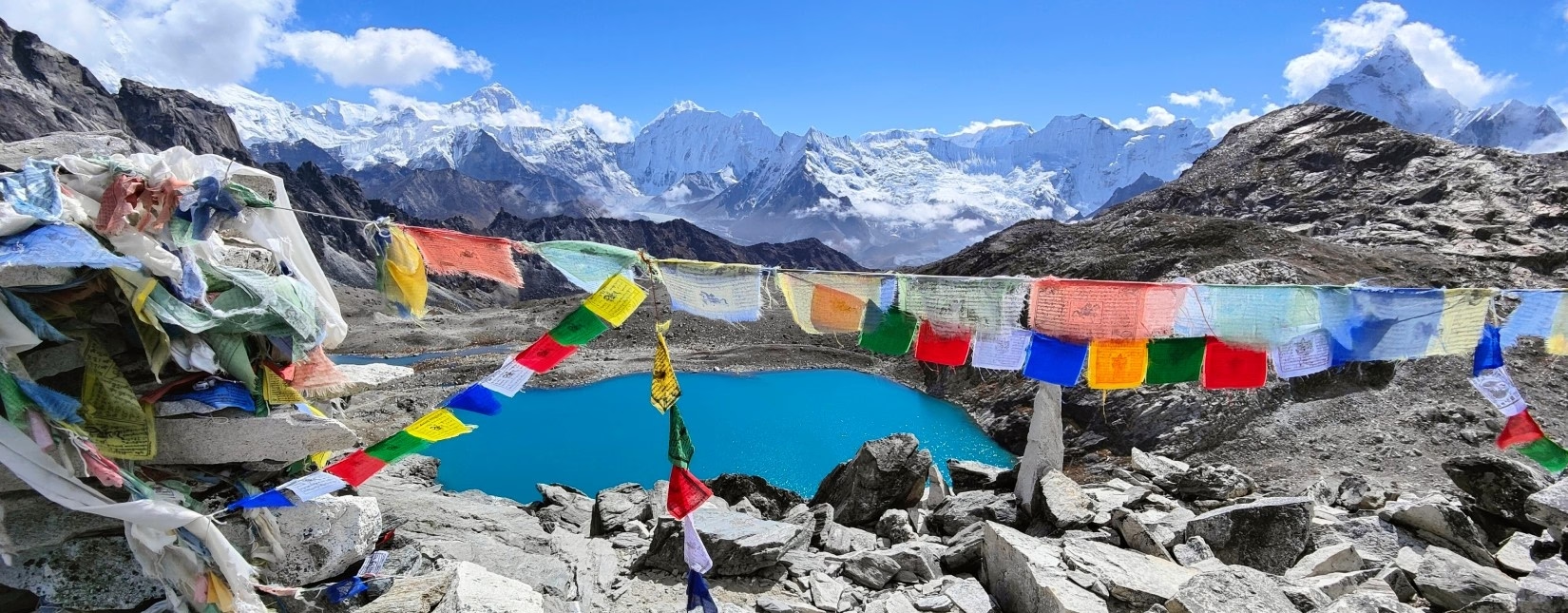
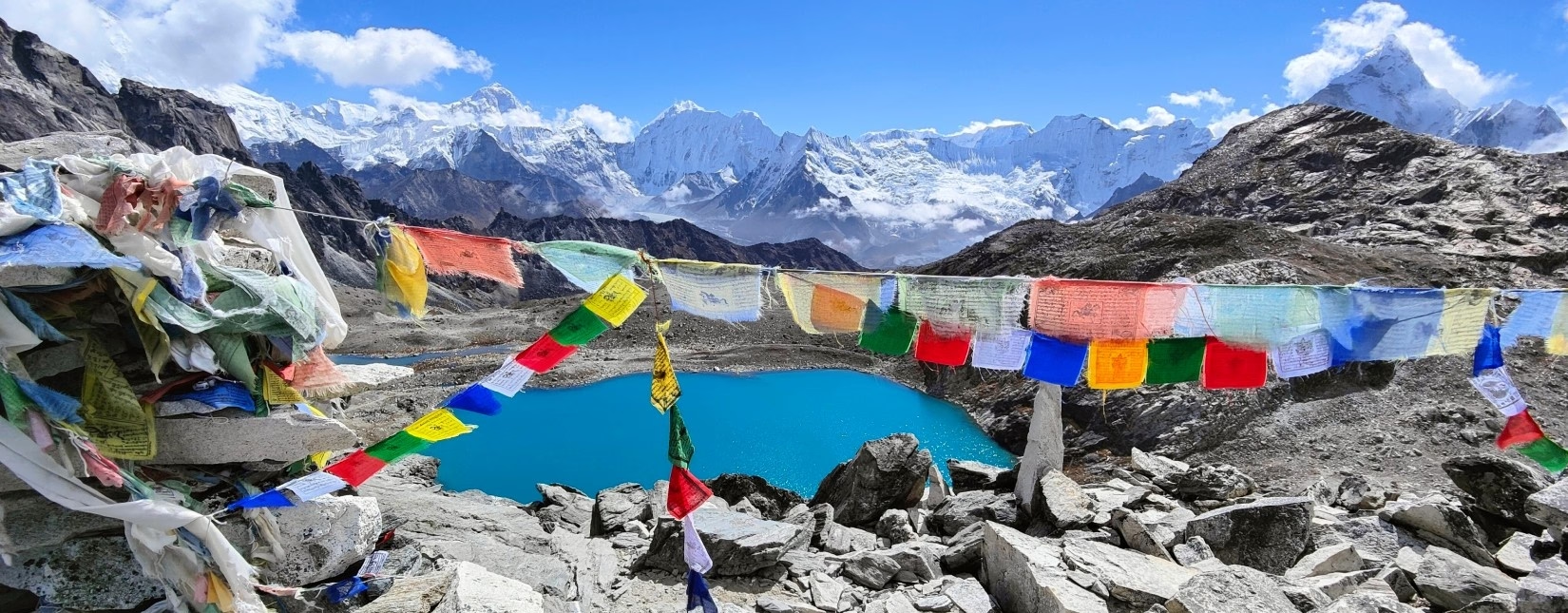
Kongma La Pass is the highest pass in the Everest region and one of the toughest sections of the Three High Passes Trek (also known as the Everest Circuit Trek). It stands at an elevation of 5,535m (18,159 ft). That altitude alone makes it a serious challenge, even for experienced trekkers.
In most itineraries, Kongma La is usually the first pass you cross, sitting on the Everest Base Camp (EBC) side and setting the tone for what's ahead. It's remote, less crowded, and feels much more raw compared to the main EBC trail.
In this guide, we'll walk you through everything you need to know: difficulty, altitude, route, and practical tips, so you can approach this pass with confidence. Let's break it down step by step.
Where Is Kongma La Pass Located
Kongma La Pass is tucked deep in the Everest (Khumbu) Region of Nepal, sitting between the remote valleys of Chhukung and Lobuche. Unlike the more popular trekking sections, this part feels much wilder and less crowded.
What makes it interesting is how it connects two very different landscapes. On one side, you have the Imja Valley near Chhukung, and on the other, the route drops toward the Khumbu Glacier side near Lobuche, which is closer to the classic EBC trail.
At an altitude of around 5,535 m (18,159 ft), this isn't just another mountain crossing; it's the highest point in the Everest Three High Passes route, sitting above most major viewpoints in the area. This remote positioning is exactly why Kongma La feels so raw and adventurous compared to other passes in the Everest Region.
Kongma La Pass Altitude And Key Facts
If you just want the quick overview of Kongma La Pass, here are the most important facts in a simple, easy-to-scan format.
Altitude: 5,535 m (18,159 ft)
Region: Khumbu region, Everest, Nepal
Connects: Chhukung (Imja Valley side) to Lobuche (Khumbu Glacier side)
Crossing time: Around 7 to 10 hours, depending on weather and fitness level
Type: High mountain pass with steep, rocky terrain (no technical climbing, but long and physically demanding)
The height of the Kongma La Pass makes it one of the toughest and most demanding sections of the entire Everest circuit. Due to its altitude and position on the route, it plays a crucial role in the comprehensive Everest Three High Passes Trek, which connects all three major passes into a complete Himalayan circuit experience.
How Difficult Is Kongma La Pass
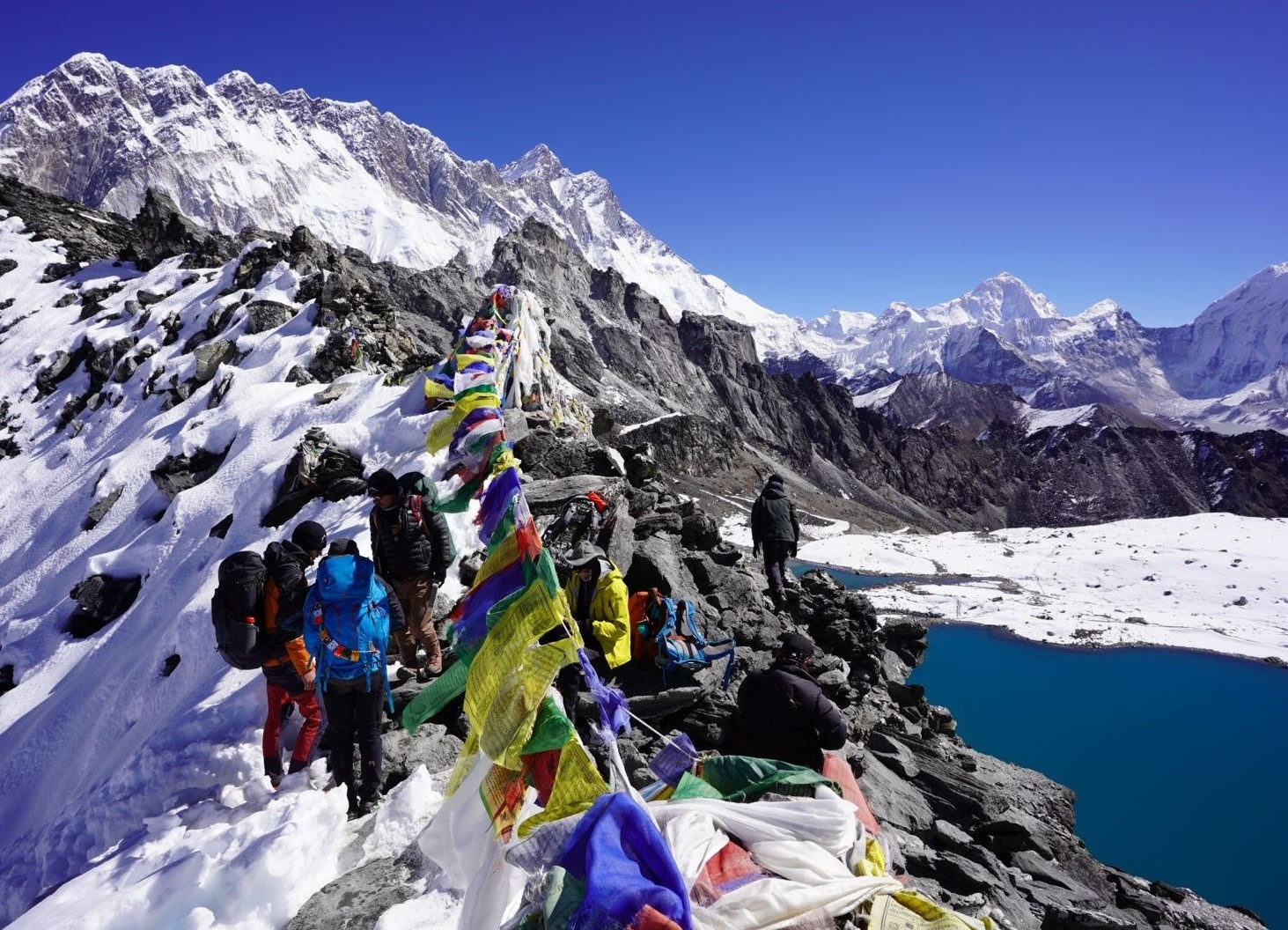
Kongma La Pass is the most challenging of the three passes in the Khumbu Region. This is mainly due to its extreme altitude and long, demanding trail.
There are a few key reasons why the difficulty of Kongma La Pass is considered the highest in the entire route:
Highest altitude: At around 5,535 m (18,159 ft), it puts serious pressure on your body and breathing, making it a tough section.
Long climb: The ascent is gradual but very long, and the descent is equally tiring, so it becomes a full-day endurance challenge.
Remote trail: The path is less defined compared to other passes, with no proper settlements in between, which adds to the mental and physical challenge.
Unlike technical climbing, there's no rope or ice climbing involved. Yet the terrain is still rough, steep, and physically demanding. That's also why many trekkers choose an organised Everest Three High Passes Trek package, so they don't have to worry about navigation, permits, and logistics in such a demanding section.
The good news is that you don't need to be a professional climber. With proper acclimatisation, steady pacing, and mental preparation, Kongma La is absolutely achievable for fit trekkers.
Kongma La Pass Route Overview
The Kongma La Pass route is one of the most remote and adventurous sections of the entire Everest Circuit Trek, and it connects two very different valleys in a single long day of hiking. The journey usually starts from Chhukung and climbs steadily toward the pass, then descends all the way to Lobuche, forming a full high-altitude crossing.
Along the way, you'll pass through high-altitude lakes, rocky moraine fields, and open alpine landscapes that feel completely wild and untouched. There are no proper villages, teahouses, or settlements once you leave Chhukung, which makes the entire section feel very isolated.
That's exactly what makes this part of the Everest Circuit Trek so special. It's quiet, raw, and far less crowded compared to the main EBC trail.
The route isn't just about getting from one point to another; it's a full high-mountain experience where nature feels bigger, harsher, and more dramatic at every step. If you want to see how this fits into the full journey, check the Everest Three High Passes Trek itinerary for the complete day-by-day route.
Kongma La Pass Crossing Time & What To Expect
Regarding trekking time to cross Kongma La Pass, it takes around 7 to 10 hours, depending on your pace, weather, and how well your body handles the altitude. Nevertheless, the duration isn't fixed like a normal hike because this is a high-altitude day where everything naturally slows down.
The route from Chhukung to Lobuche feels long and demanding because of the steady climb, thin air, and rough terrain along the way. Some sections feel slow but manageable, while others, especially near the pass, require extra effort and frequent short breaks.
This is often the longest and most tiring day of the entire trek, but not because of distance alone. It's more about altitude and endurance. In terms of the overall duration of the Everest trek, Kongma La stands out as a full-day challenge where patience matters more than speed, and steady walking is the key to completing it safely.
Best Time To Cross Kongma La Pass
The best time for crossing Kongma La Pass really depends on the season, and understanding the right window when planning the trek is essential, as it makes a huge difference in safety and overall experience later.
Spring (March to May): It's one of the most stable times for crossing Kongma La. The weather is generally clear, temperatures are manageable, and the trail conditions are more predictable compared to colder months.
Autumn (September to November): This is widely considered the best trekking season in the Everest Region. The skies are usually crystal clear, visibility is excellent, and the overall trekking conditions are at their most reliable, perfect for high passes like this.
Winter (December to February): It's possible but challenging. Heavy snowfall and freezing temperatures can make the pass risky, and sometimes the route becomes difficult or even unsafe to cross, depending on conditions.
Monsoon (June to August): This is the least recommended time, as rain, slippery trails, and poor visibility make the journey tough and unpredictable, especially in high-altitude sections.
For most trekkers, spring and autumn are the safest and most reliable seasons to attempt this pass, offering the best balance of weather, visibility, and trail conditions.
Smart Ways To Stay Safe On Kongma La Pass
Kongma La is one of those places where small mistakes can feel big, so keeping a few basic safety tips for crossing this pass in mind can really help you stay on track and stress-free.
Move with the morning: Starting early isn't just a habit; it helps you avoid strong afternoon winds and gives you a relaxed pace for the entire crossing.
Keep sipping water: At this altitude, dehydration sneaks up quickly, so take small sips frequently both while hiking and resting in lodges, even if you don't feel thirsty.
Stick with someone experienced: Whether it's a guide or a strong trekking partner, having someone who knows the route makes a huge difference.
Find your own rhythm: There's no prize for speed here; walking at a comfortable pace is one of the smartest tips for trekking at high altitude you can follow.
Respect your acclimatization: If your body isn't ready, the pass will feel twice as hard, so give yourself enough time before attempting it.
At the end of the day, it's all about staying calm, moving steadily, and letting your body adjust naturally rather than forcing it.
Where Kongma La Pass Fits In The Three Passes Trek
Kongma La usually comes first in the full Three High Passes route, especially if you're following the clockwise direction. It starts from the Chhukung side and pushes you toward the EBC side, making it your first real high-altitude test early in the journey.
In terms of the Kongma La Pass route, this section connects the quieter Imja Valley to the more popular Lobuche to EBC trail. Once you cross it, you're basically entering the main Everest region route where most trekkers head toward the base camp.
This is why this pass plays such an important role in the Everest Circuit Trek. It isn't just a pass, it's the point where your trek shifts from remote exploration to the classic Everest experience.
Final Thoughts
Kongma La Pass isn't just another stop on the trail; it's one of those places where the Everest journey really starts to feel serious. The long climbs, thin air, and remote surroundings make it a tough section, but also one of the most memorable parts of the whole route.
What stands out most is how isolated everything feels once you're on the pass. No busy trails, no settlements nearby, just open Himalayan landscapes and a steady push forward.
It's challenging, yes, but that's exactly what makes it such a meaningful experience for trekkers doing the full circuit. If you're planning the complete journey, you can see how this pass fits into the bigger picture in the Everest Three High Passes Trek guide, which breaks down the full route, passes, and itinerary in detail.