
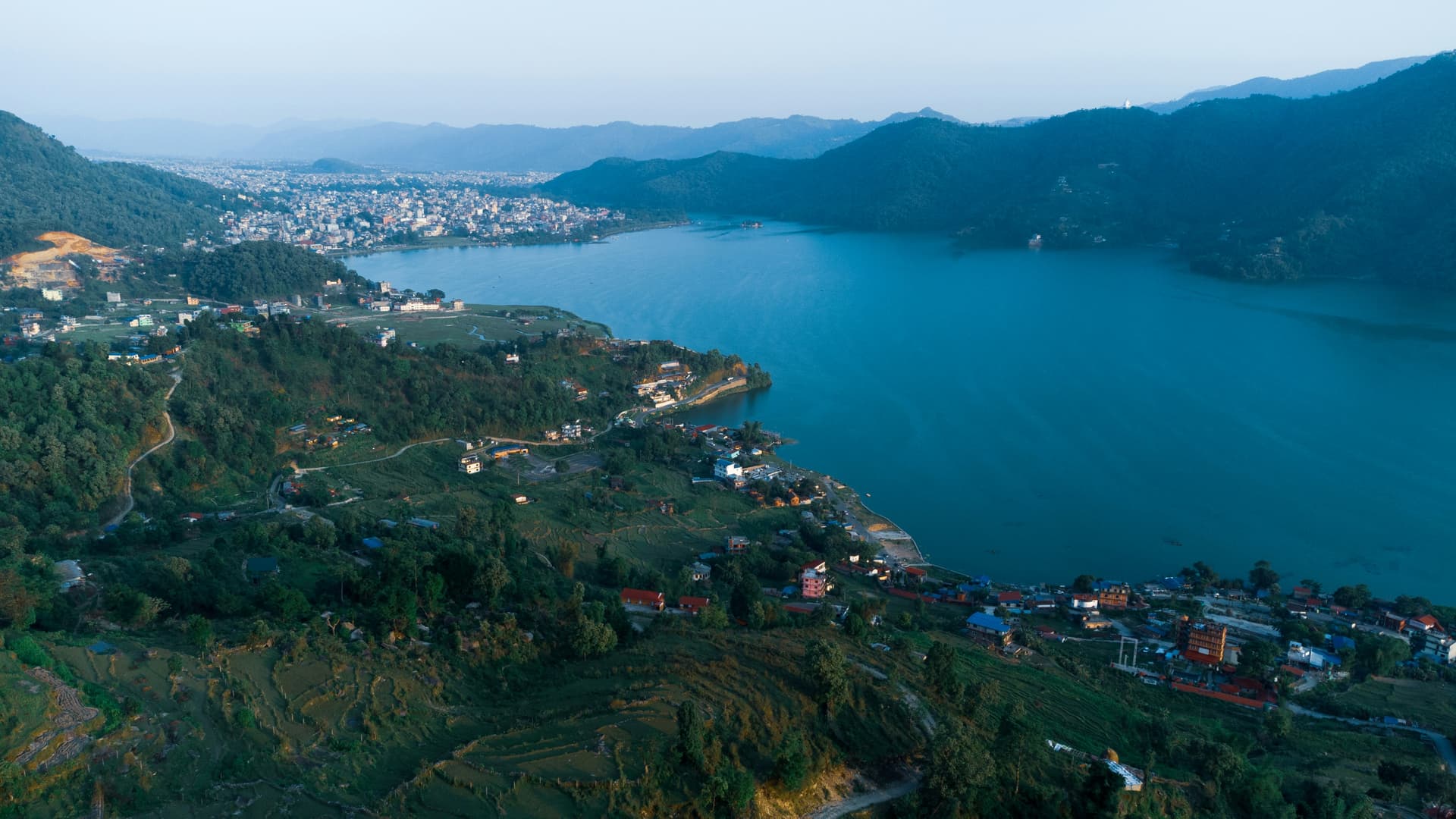
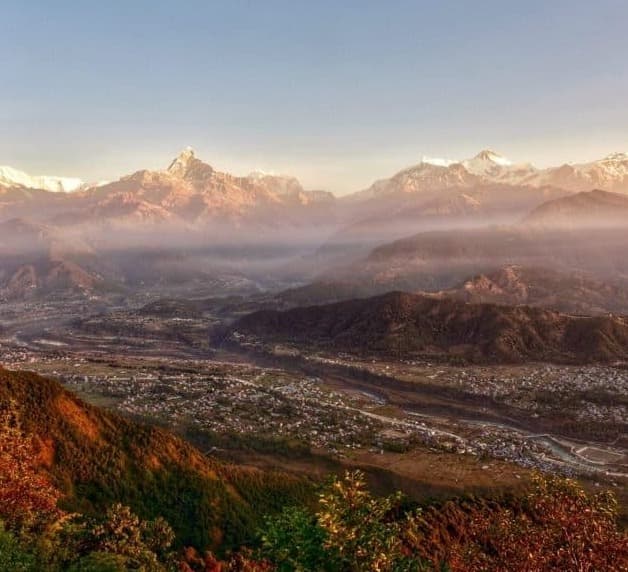

Pokhara is situated in the Kaski District of Gandaki Province in western Nepal. It’s actually a valley standing at an elevation of 822 m (2,696.85 ft).
It’s the place with the most rainfall in Nepal. However, the interesting fact is that the heavy rain doesn’t result in flooding.
The city is recognised as the tourism capital of the country in early 2024. There are several reasons why it’s considered the tourism capital. They are as follows:
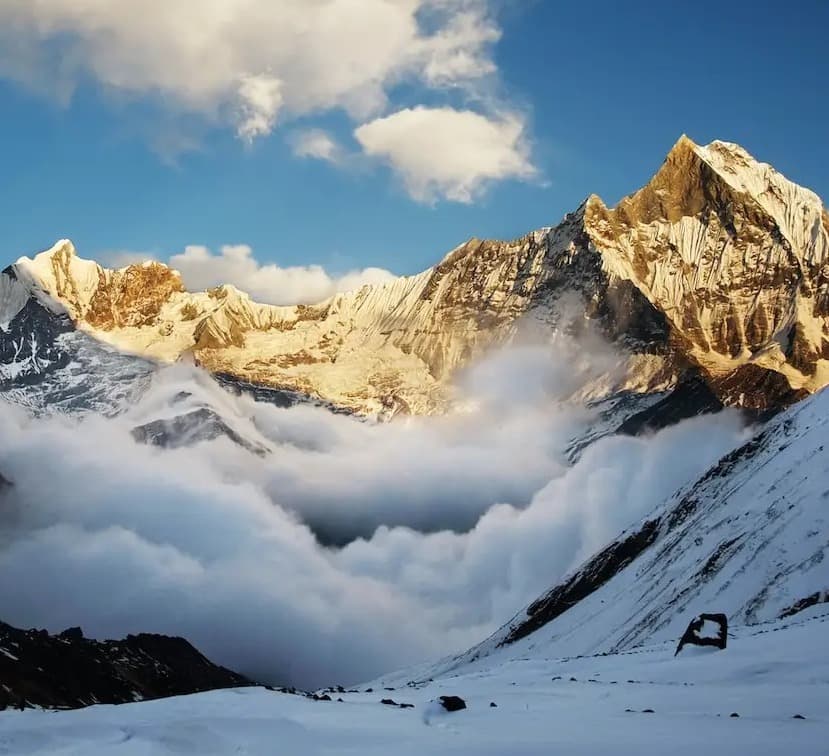
- Serves as the gateway to several well-known treks in the Annapurna Region, such as the Annapurna Base Camp Trek, Mardi Himal Trek, and Poon Hill Trek.
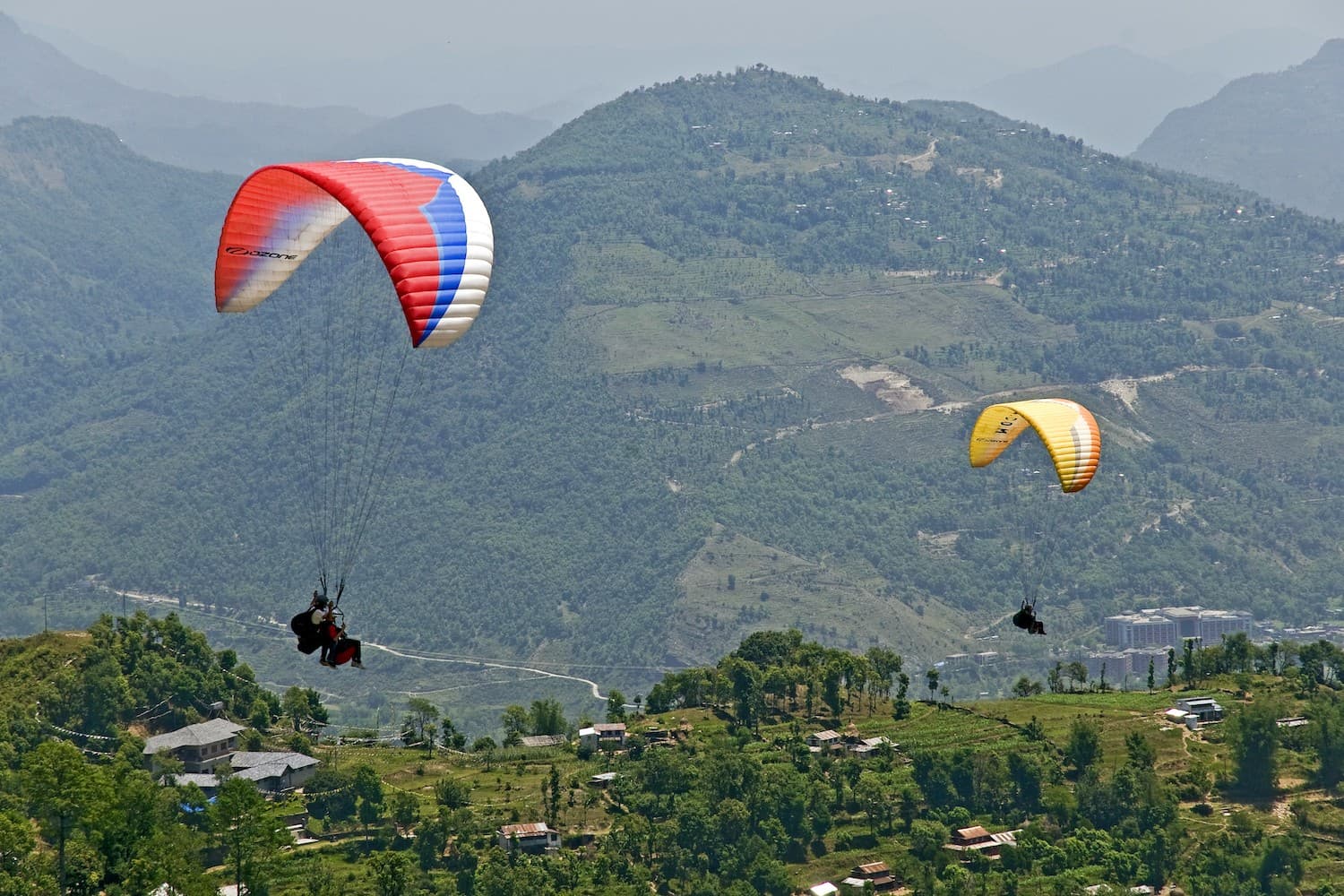
- A hub for other adventure activities, like bungee jumping, hot-air ballooning, paragliding, kayaking, etc.
- A home to the stunning lakes (Phewa, Rupa, and Begnas), Devi’s Fall, and the Seti Gandaki River.
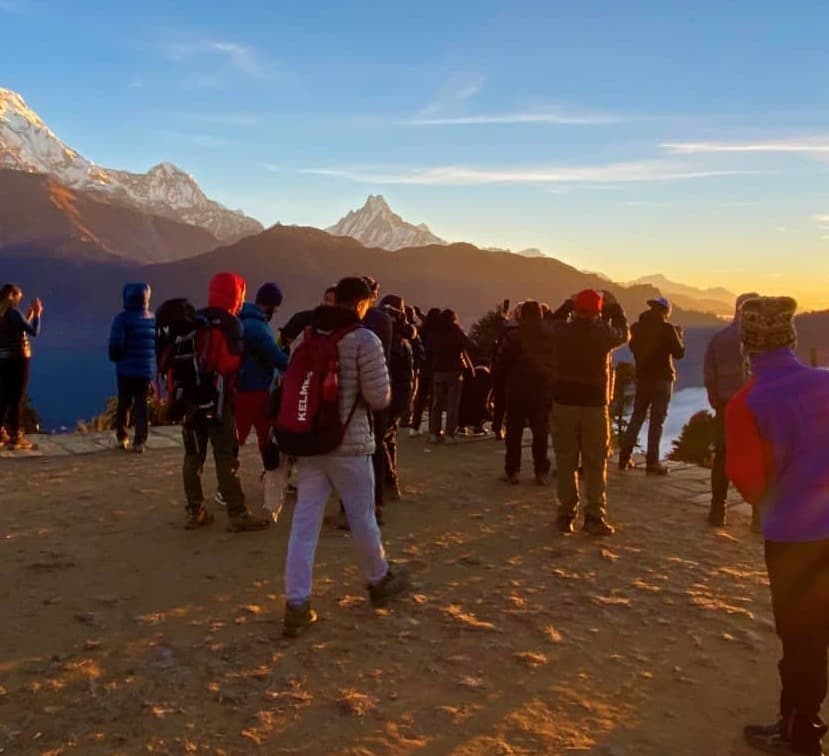
- Sarangkot, the best viewpoint for both sunrise and sunset in the city, offers the stunning panorama of the Annapurna and Dhaulagiri Ranges.
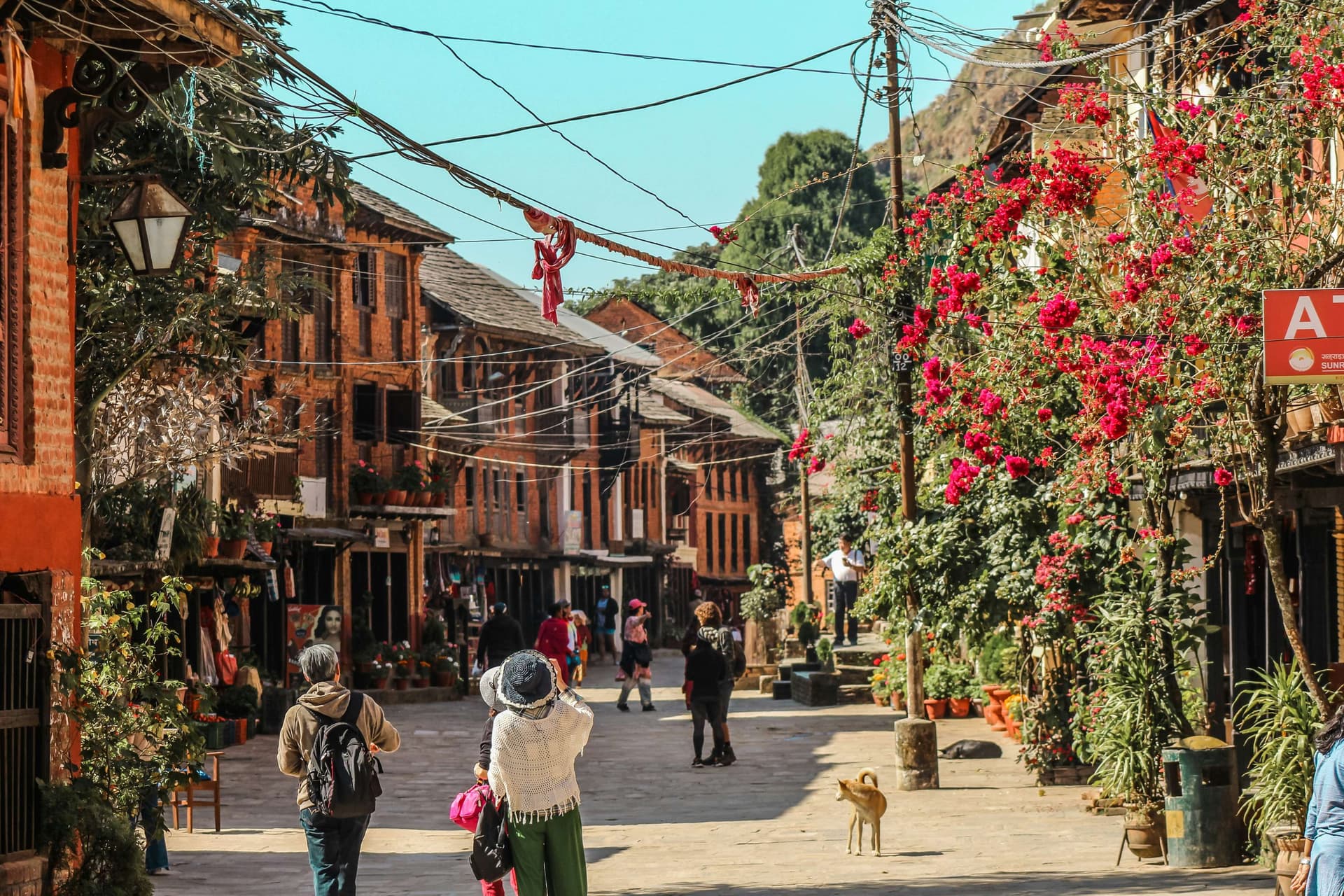
- Inhabited mostly by Gurung and Magar, it’s a place to learn about their culture and traditions.
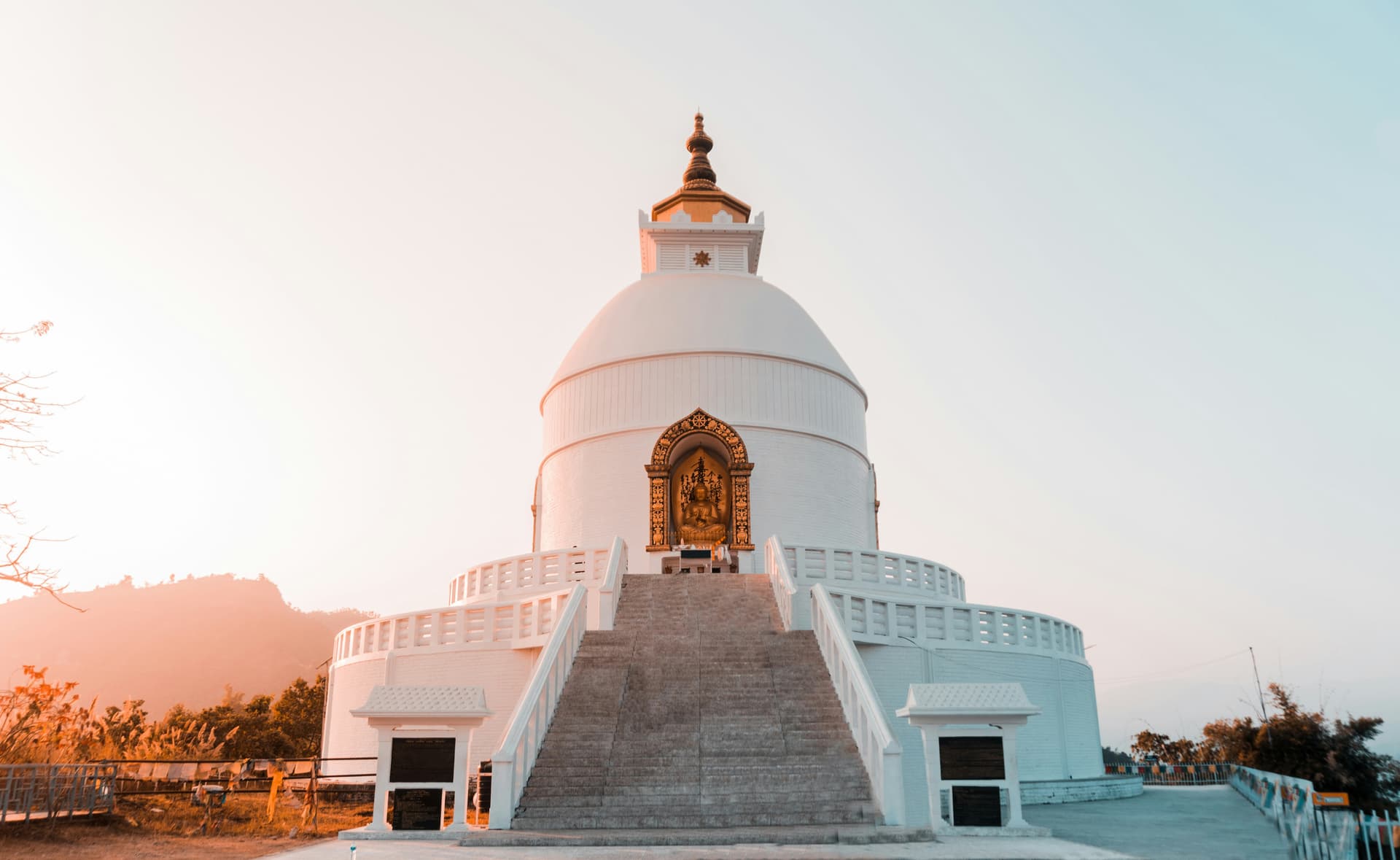
- A home to some holy sites: Bindhyabasini Temple, Gupteshwor Mahadev Cave, Pumdikot Shiva Statue, and White Peace Stupa.
- Other attractions: Mahendra Cave and Bat Cave.
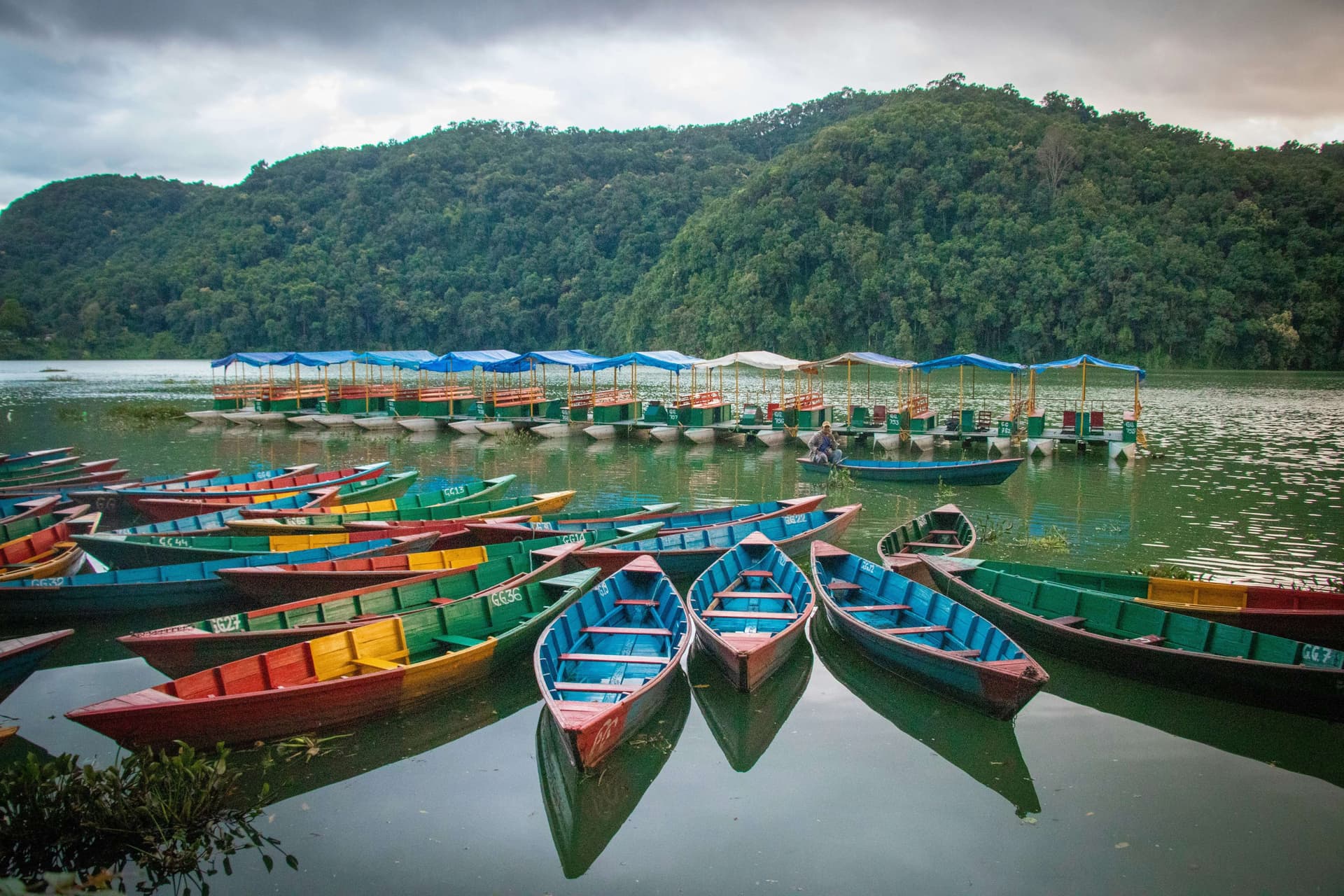
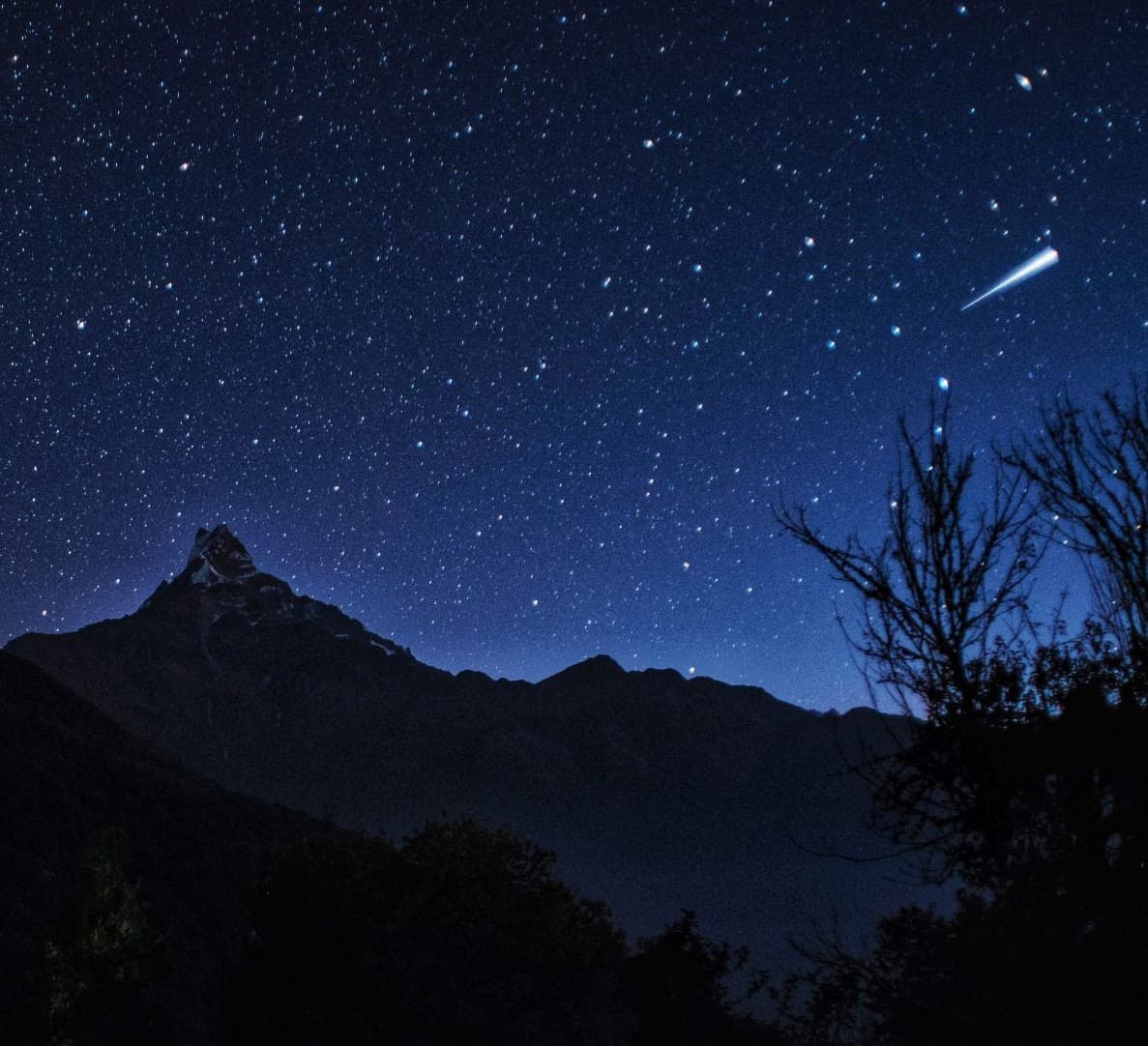
The stunning Machhapuchhre (Mount Fishtail, 6,993 m/22,943 ft) reflects in Phewa Lake, creating a mesmerising atmosphere. Tourists mostly gathered on the Lakeside (a place around the lake) for boating and photography.
Pokhara is truly an amazing city with a mix of adventure, culture, and modern influences. Lakeside is the main tourism hub in the city, filled with budget to luxury hotels, bars, clubs, trekking gear shops, and souvenir stores.