Introduction
Food and accommodation on the Poon Hill Trek range from simple and budget-friendly to luxurious. This makes it a suitable choice for all types of groups. This short journey in the stunning Annapurna Region blends panoramic scenery, local lifestyle, and easy access to basic services.
Finding a proper place to spend a night or have a meal isn't a problem here. Unlike in other remote trekking trails in Nepal, tea houses and hotels are available throughout the route. You can enjoy hygienic food, from local cuisines like dal-bhat to Western options, and comfortable rooms for overnight stay.
Everything's well-managed here, from the trail to the tea houses, which will come to your notice as you start hiking for Poon Hill through several villages, such as Ulleri and Ghorepani. You'll feel this adventure so welcoming. Stick with us to the end of this blog, and we'll help you understand everything about food options, accommodation types, and daily expenses, so that you can plan your trip accordingly with confidence.
Overview Of Poon Hill Trek Food And Accommodation
Food and accommodation along the Poon Hill Trek are well-managed and easily accessible throughout the trail. Every village you go through is filled with hotels. They offer both food and rooms, making it comfortable for first-time hikers.
For food, they provide a menu with options of local and Western dishes, which is similar in all villages. However, costs vary with altitude because it's difficult to transport the kitchen supplies to such places compared to cities, despite road access. Nevertheless, you'll get fresh and hygienic items that help you stay energized during the trek.
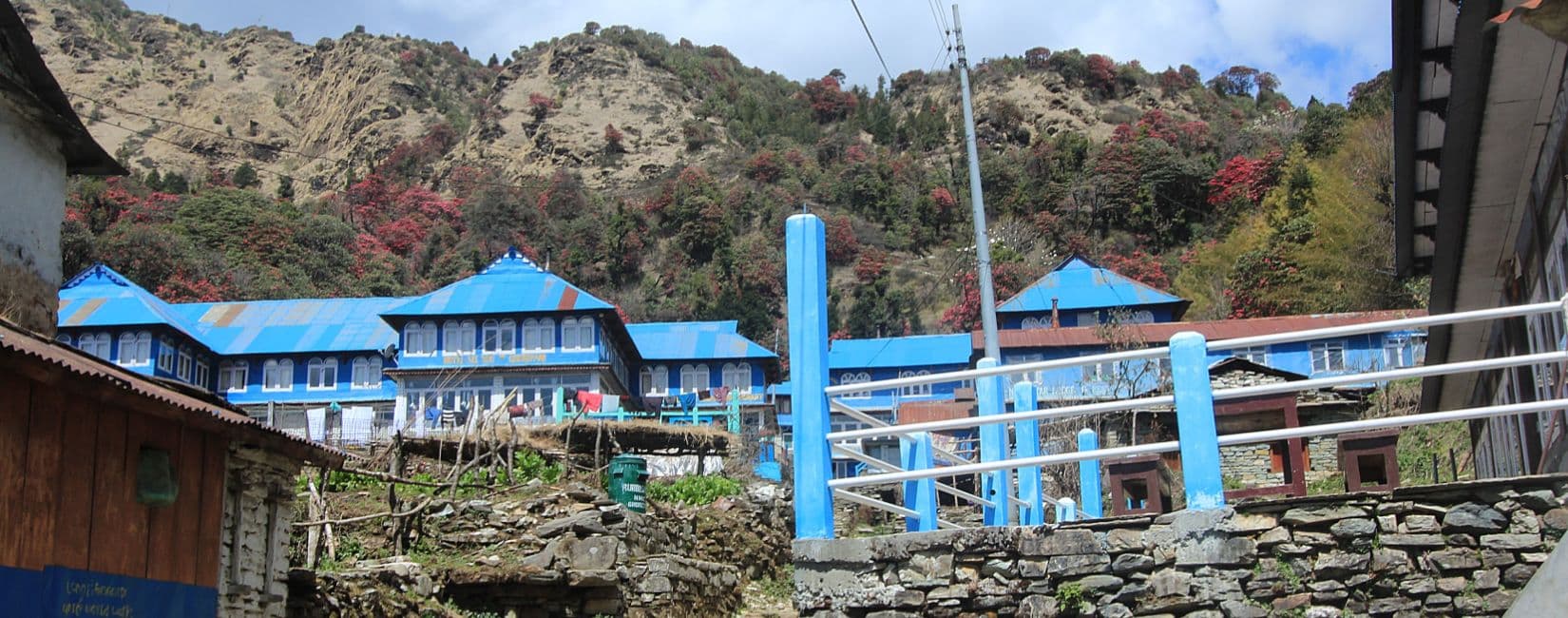
Regarding accommodation, this trek has the best lodge facilities in the Annapurna Region compared to other trekking routes. There's a choice of hotels available along the trail, from simple to luxury.
Both in simple tea houses and luxury hotels, you can find clean twin-sharing rooms with warm blankets and pillows, a dining hall with heating, electricity, hot showers, and internet. The difference is that one offers only shared bathrooms, and the other offers attached bathrooms as well. Whether the accommodation is in simple or luxury hotels, your overnight stay will be comfortable and enjoyable.
Food On The Poon Hill Trek
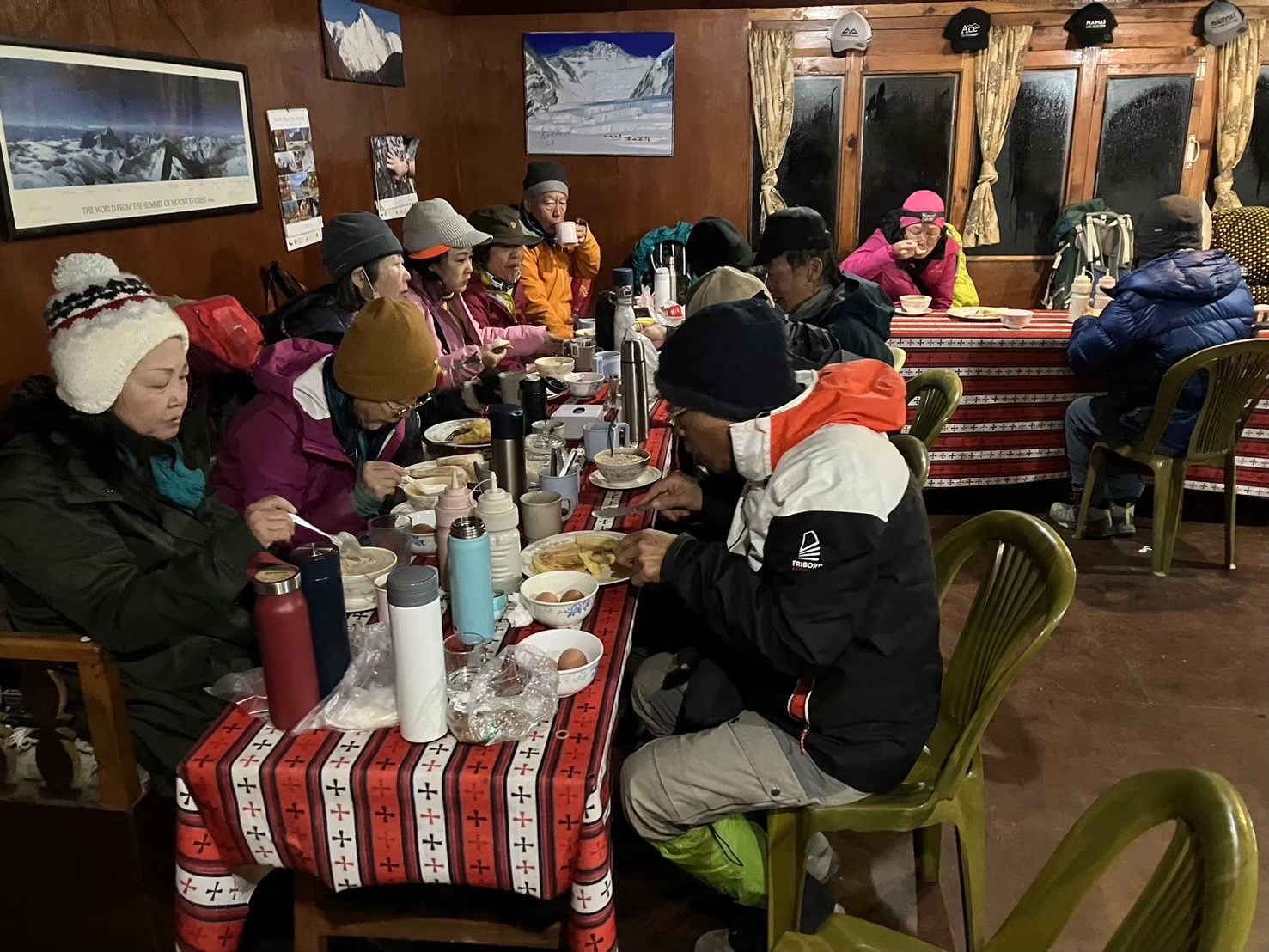
Food during the Poon Hill Trek is fresh and designed to provide you with energy throughout the trip. You'll find plenty of options at tea houses along the trail, with meals that are both filling and easy to digest.
Typical Meal Available
All the tea houses and hotels along the way offer a menu that includes local and Western dishes, such as dal-bhat, momo, noodles, pancakes, pizza, and burgers. These foods are prepared with proper hygiene and provide the energy required for day hikes.
Popular Dishes To Try
While trekking in the alpine region, such as Annapurna, we need to consume mainly carbohydrates, and local food, dal-bhat (rice and lentils), is high in carbs. Unlike other foods that require extra payment, this one comes with free refills.
Food Cost
In Nepal, as you climb higher, the cost of food increases accordingly during trekking, as supplies are transported by humans, horses, or donkeys. Although road access is available up to Ghorepani on this trek, transporting supplies by vehicle is still difficult. On average, your food expense can be USD 18 per day, depending on your spending style.
Drinking Water Options
Drinking water during the trek is essential, as you need to stay hydrated at all times to prevent altitude sickness. You can choose between mineral water, boiled water, and tap water.
Filling up your bottle with tap water and using water purification tablets is a cost-effective option. If you prefer buying mineral or tap water, it can cost you around USD 2.
Accommodation On The Poon Hill Trek
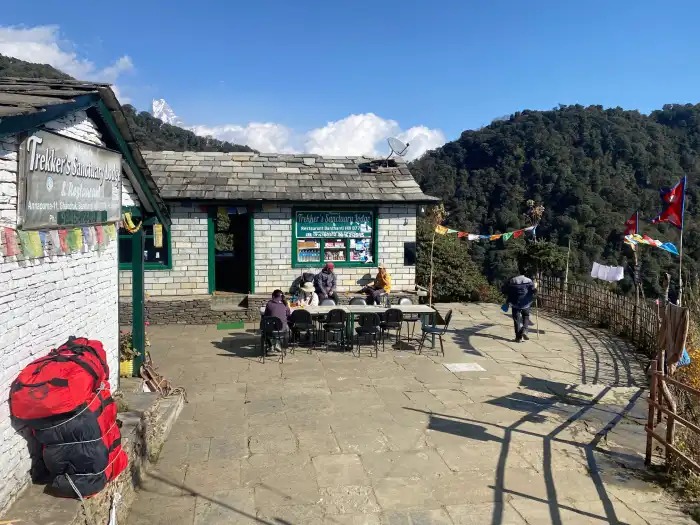
Along the trail, there are enough tea houses and lodges, offering cosy rooms, hygienic meals, and warm hospitality. Accommodation facilities are simple to luxurious. Both are comfortable, but in luxury, you can have extra facilities.
Types Of Accommodation
Tea houses and lodges are available options for accommodation on the Poon Hill Trek. Tea houses offer basic rooms with twin-sharing beds, while lodges provide slightly larger rooms with simple furniture. Both options offer a heated dining hall.
Room Facilities
Tea houses include two beds, blankets, and pillows in their room. On the other hand, rooms in lodges include the same things with some extra facilities, such as lockers or shelves for personal belongings and have a switchboard to charge your gadgets. However, power may not be that strong in the upper sections of the trek.
Bathroom And Shower Facilities
In both tea houses and lodges, bathrooms have squat toilets. Most tea houses offer shared bathrooms, whereas lodges provide attached bathrooms. Hot showers are available in both options, but at an additional cost.
Cost Of Accommodation
In terms of Accommodation cost of Poonhill Trek, it increases with altitude, meaning tea houses and hotels in the lower sections are cheaper than in Ghorepani. The prices for rooms range from USD 5 to 15 per night, which also depends on the service and facilities you choose.
Best Places to Stay On The Routes
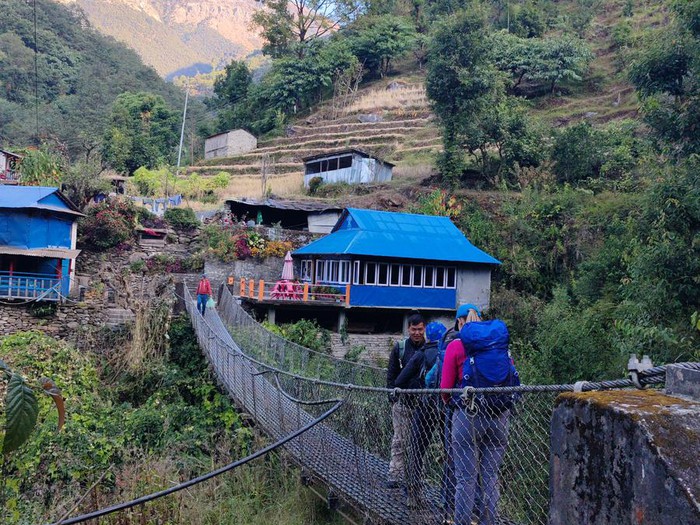
You don't need to worry about where to stay for the night during the Poon Hill Trek, as several beautiful villages are along the trail that are considered the best places to stop. You'll have a different experience in each village. All these resting points are filled with tea houses and lodges.
Your well-designed itinerary, walking pace, and comfort level vary the places to spend a night. Villages in the Annapurna Region are well-prepared for trekkers, offering a wide range of tea houses for food and lodging.
Tikhedhunga
Most trekkers begin the trek from Nayapul(1,070 m/3,510 ft) and reach Tikhedhunga (1,540 m/5,052 ft) for an overnight stay. The village consists of several tea houses that offer basic rooms and meals. For first-timers, it's a good place to stop instead of heading straight to Ulleri (2,050 m/6,725 ft) on the first day.
Ghorepani
Ghorepani is the main hub of the trek, rising to 2,874 m (9,429 ft). Hence, it's a crowded village and also the last one along the way before Poon Hill. Several accommodation facilities, from budget to luxury, are available here.
Tadapani
Most trekkers descend to Tadapani (2,630 m/8,629 ft) via Ghorepani after enjoying the magnificent sunrise views of the Annapurna and Dhaulagiri Ranges in Poon Hill. There are slightly fewer accommodation facilities in the village compared to Ghorepani. Nonetheless, it's a nice place to rest after crossing through the rhododendron forest.
Ghandruk
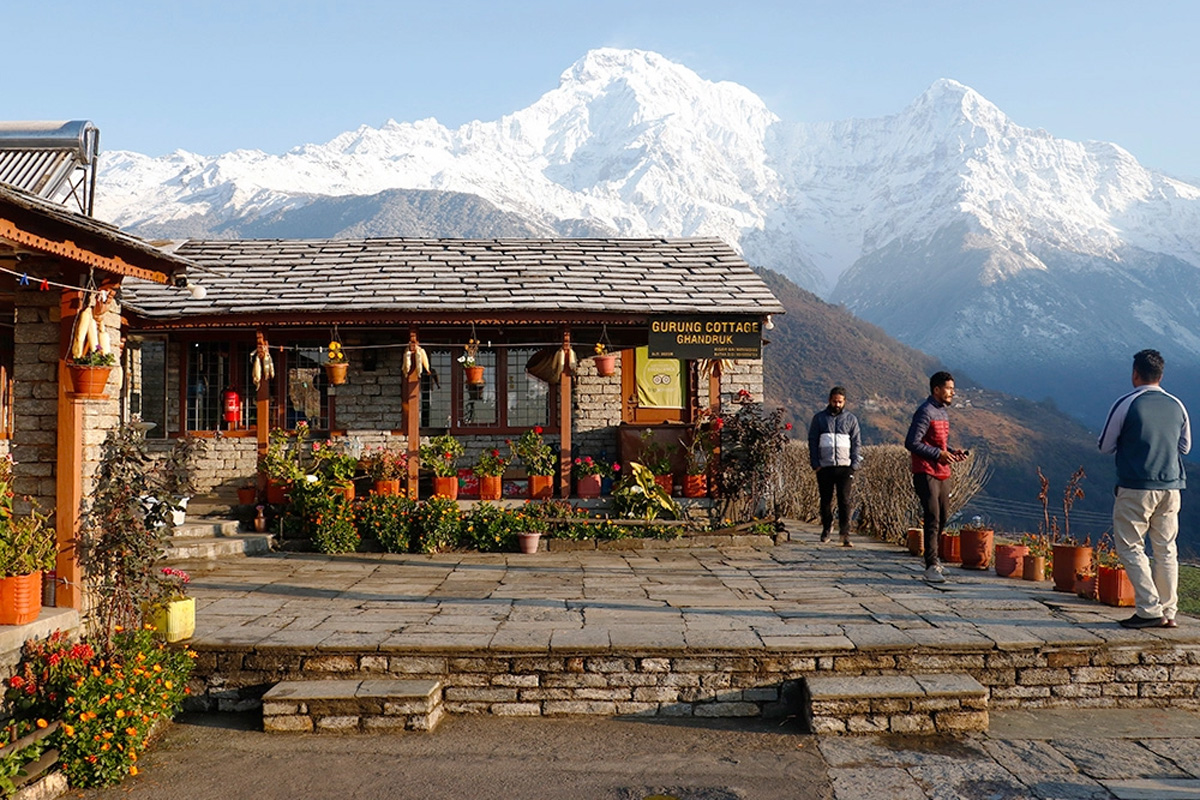
Ghandruk (2,012 m/6,601 ft) is an authentic village that offers Gurung culture and traditions. Besides, it's also famous for the final stop of this trek, and stunning panoramas of the Annapurna Range. It has better tea houses and hotels on the entire trail.
Make these points, Daily budget estimate, Budget vs mid-range experience, and Cost-saving tips, as H3. Explain them in a short and simple paragraph.
Total Cost For Food And Accommodation
Besides being easy in difficulty, the Poon Hill Trek is also budget-friendly compared to the Annapurna Base Camp and other popular trekking routes in Nepal like the Annapurna Circuit Trek, and the Everest Base Camp Trek. With its short duration and widely available accommodation facilities along the route, you can manage your daily costs without a large budget. Nevertheless, as you reach higher elevations, the prices also slightly increase.
Daily Budget Estimate
The estimated budget for food and accommodation per day is around USD 20 to 30. It covers three meals a day and a basic twin-sharing room. The higher you reach, the higher the price.
Budget Vs Mid-Range Experience
Services, such as simple dishes, basic rooms, and shared bathrooms, are included in a budget experience. While on a mid-range experience, you can enjoy better rooms with attached bathrooms, hot showers, and a wide range of food options. However, the main thing is comfort rather than necessity.
Cost-Saving Tips
We suggest adjusting to local foods like dal-bhat and vegetables, and tap water instead of buying mineral water at higher elevations. For safety, mix the purification tablet in water before drinking it.
To charge electronic devices and use hot showers, an extra cost is required. Thus, use them only if it's necessary. Bring snacks like dry fruits, biscuits, and chocolates to eat while hiking from the city instead of buying anything on the trail.
Things To Know Before You Go
Below are some essential things that you should keep in mind before commencing the Poon Hill Trek:
- Carry enough cash, as there's no ATM booth along the trail.
- Dinner is served early in tea houses around 7 P.M., as most trekkers go to sleep by 8 to 9 P.M., and staff also have to sleep as early as possible to wake up early in the morning to prepare breakfast.
- Expect shared bathrooms in tea houses and extra costs for using a hot shower.
- Charging gadgets also requires an extra fee, as there are no charging outlets in the rooms of budget tea houses.
- The internet in higher elevations may not be as strong as in cities.
- Rooms are most likely to fill up quickly during the peak trekking seasons: spring (March to May) and autumn (September to November). So, consider pre-booking rooms in tea houses or lodges along the route.
- Drink enough water, at least 3 liters a day, and stay hydrated to prevent altitude sickness.
Final Verdict
Food and accommodation on the Poon Hill Trek are affordable to luxurious. Tea houses and lodges along the route offer hygienic meals, comfortable rooms, and warm hospitality, making the journey suitable for both first-time and experienced trekkers.
Estimate your budget properly and plan wisely. Doing so, your daily expenses can be managed easily, and you can have a smooth adventure.
Every village you go through and stop for the night, the available services in tea houses and hotels there make your trip convenient and memorable. Overall, the trek offers an amazing experience on remote trails in Nepal without having to spend much.