Overview
The Langtang Helambu trek is widely celebrated as the nearest "real" Himalayan adventure you can find, starting from the capital city. While the mountains feel worlds away, the Langtang Helambu trek route is located only about 130km north of Kathmandu. This makes it an ideal choice for those who want to skip the domestic flights and dive straight into the wild landscapes of Langtang National Park.
Because this journey connects the high, glacier-carved Langtang Valley with the green, mystical ridges of Helambu, it is often called the Langtang Helambu circuit trek. It turns two separate paths into one beautiful, continuous loop through the heart of the Himalayas.
The Langtang Helambu trekking route became popular in the 1970s and 80s, and it is now Nepal's third-most-famous trekking region. Initially, people visited these valleys separately, but this combined journey via the Lauribina La Pass became the preferred way to travel in the 1990s. This is because it offers a much richer Langtang Helambu trek cultural experience than doing just one side.
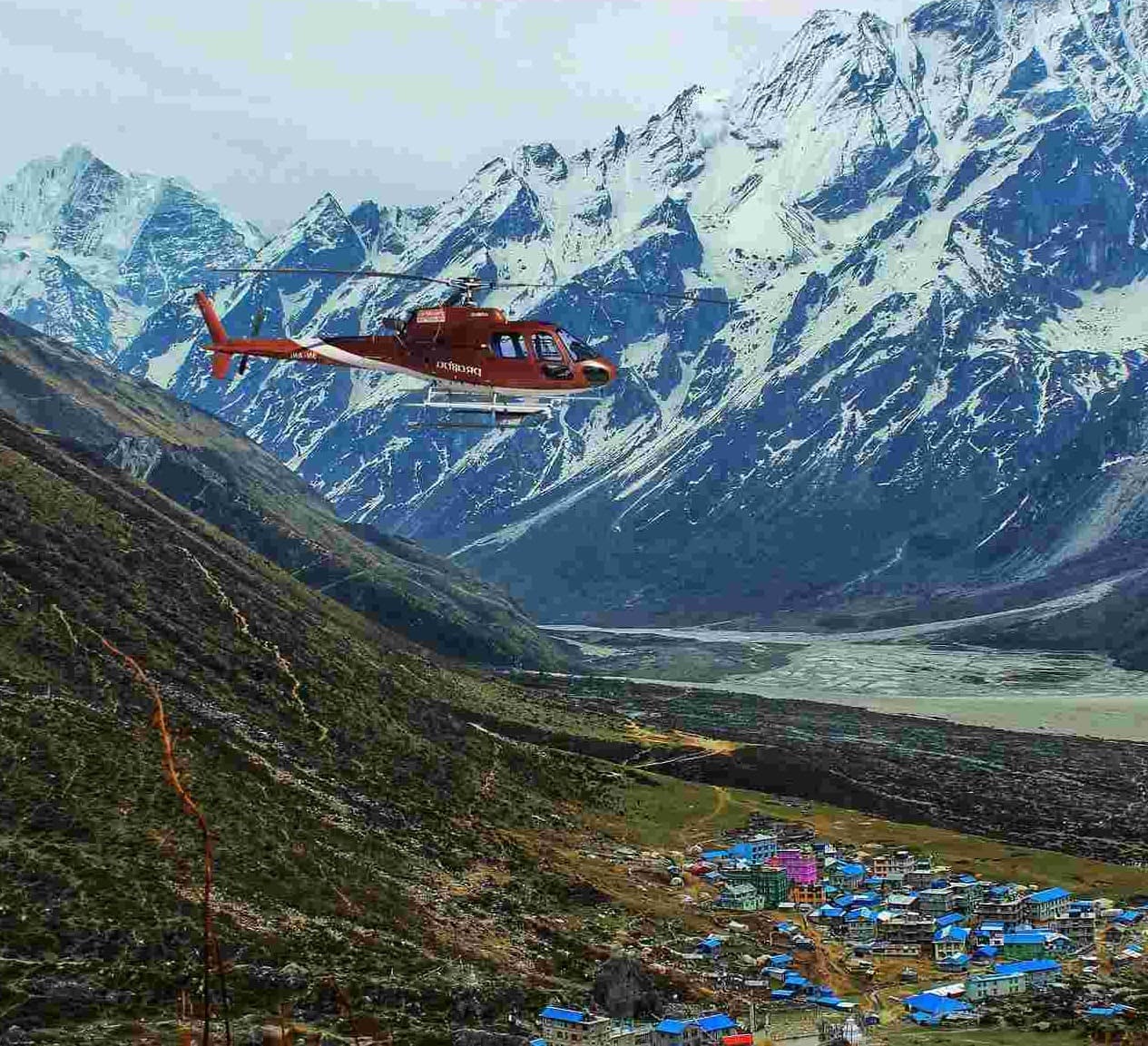
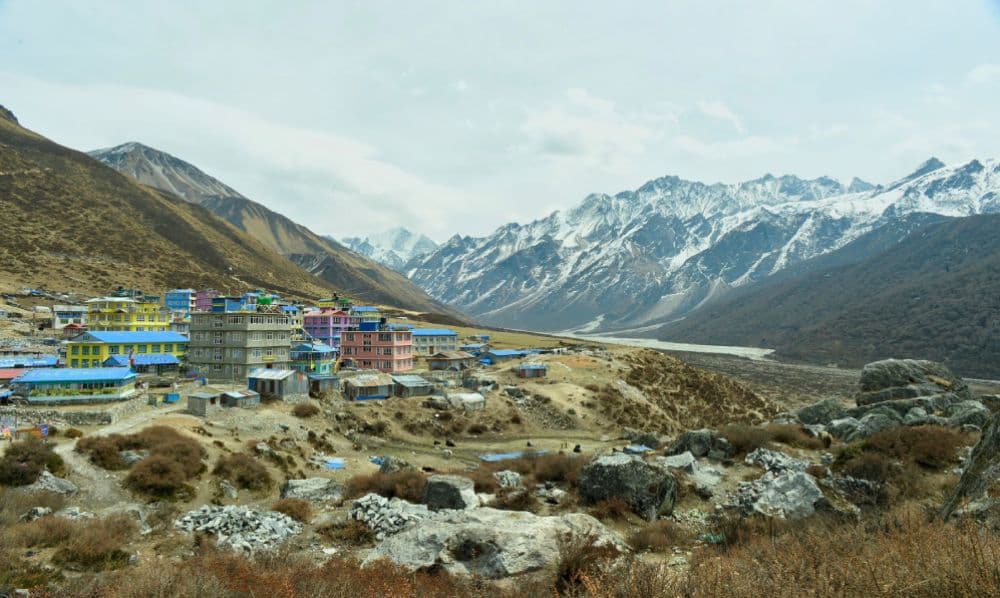
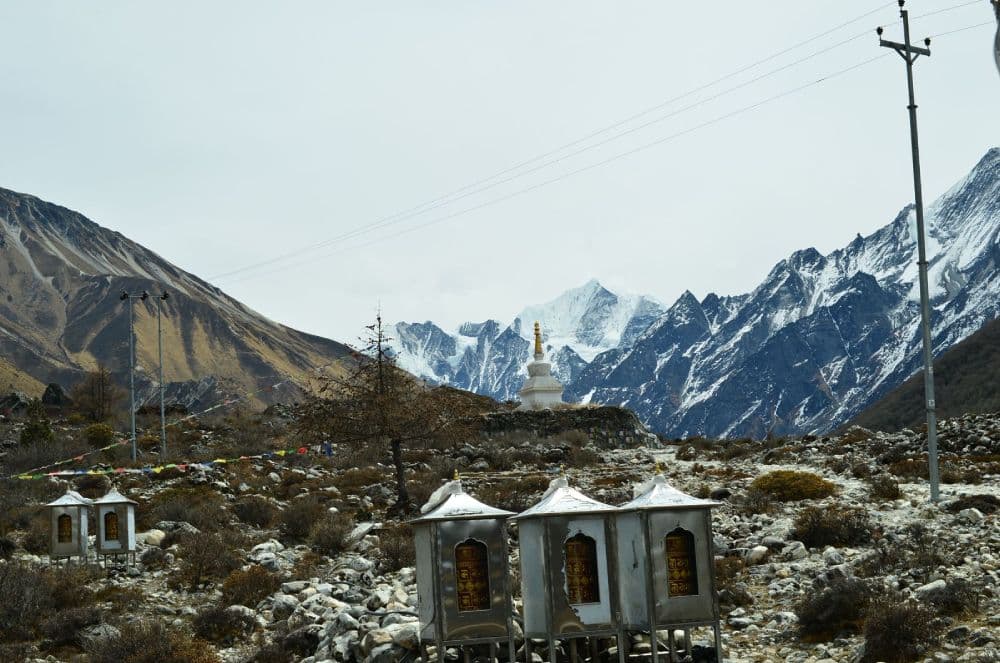
The trek starts with a scenic drive to Syabrubesi. The first half of the journey takes you through the lush forest to Lama Hotel, then to Langtang village. Eventually, you reach the high-altitude pastures of Kyanjin Gompa. This place feels like a hidden piece of Tibet right on the border. From here, a side trip to Tserko Ri/Tsergo Ri (5,033m) offers a stunning view of the mighty glaciers and peaks surrounding the valley.
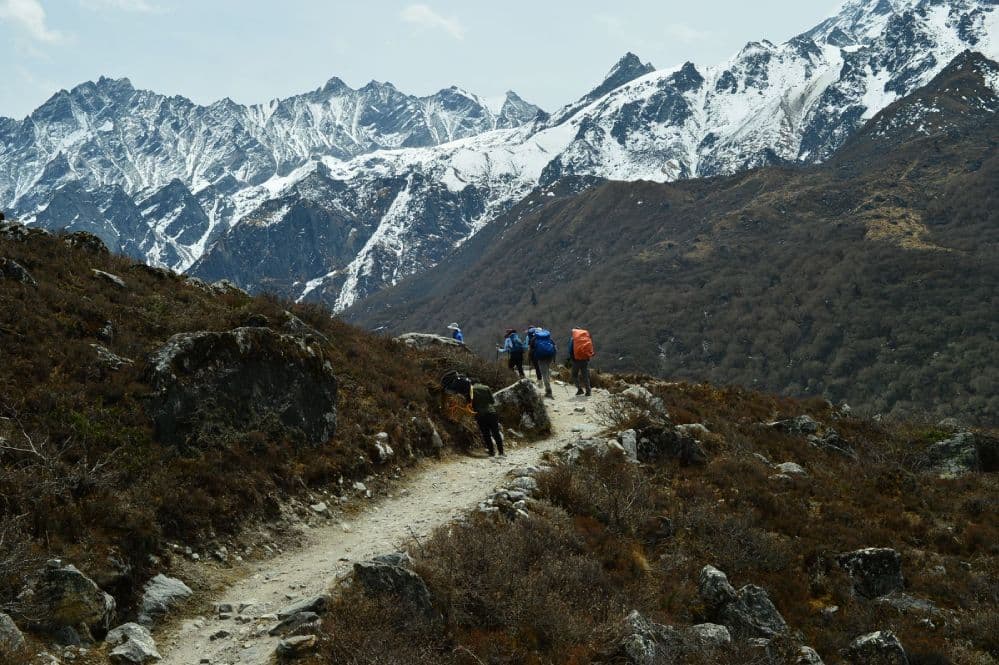
After exploring the high Langtang region, the route shifts toward Helambu. You'll head back down the valley and turn toward the hillside settlement of Thulo Syabru, then climb to Sing Gompa. The most exciting part of this transition is crossing the Lauribina La Pass at 4,610m. This high pass serves as a gateway, leading to Ghopte and, eventually, to the large, traditional hamlets of Tarke Ghyang and Sermathang. By connecting these two areas, the trek feels like a complete circuit rather than just a walk up and back.
One of the most special parts of this Langtang Helambu trek itinerary is the chance to meet two different mountain communities. In the first half of the trip, you'll stay with the Tamang people, who have strong ties to Tibet. As you cross the high pass and enter Helambu, you meet the Hyolmo people. While they are often called the "Sherpas of Helambu", they have their own distinct language and customs that have stayed the same for hundreds of years. These mixed cultures, combined with the shifting scenery, make the Langtang Helambu trek feel so rewarding every single day.
While our standard Langtang Helambu trekking route focuses on moving between these two cultural hubs, we do not include the full Gosaikunda Lake tour in this specific package to keep the pace comfortable. This helps keep the daily walking pace comfortable and less tiring.
However, we know that many trekkers look at the Langtang Helambu trek map and want to see those famous lakes, so we can easily customize the trip for you if you want to add them. By the time you finish the 13-day Langtang Helambu trek and head back to the city, you'll surely understand why so many people call this their favorite trekking experience in all of Nepal.
Trek Highlights of Langtang Helambu Trek
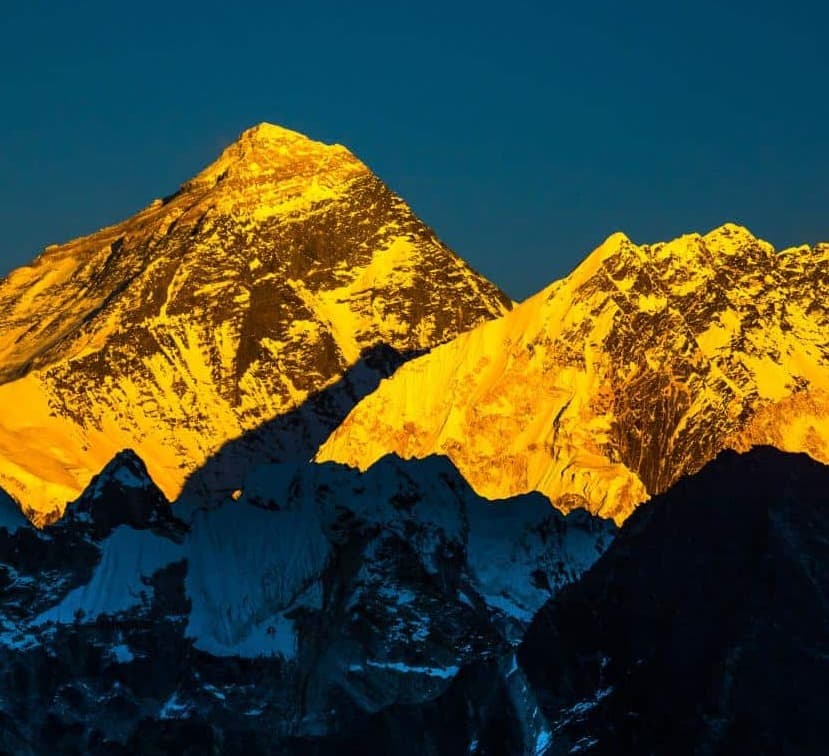
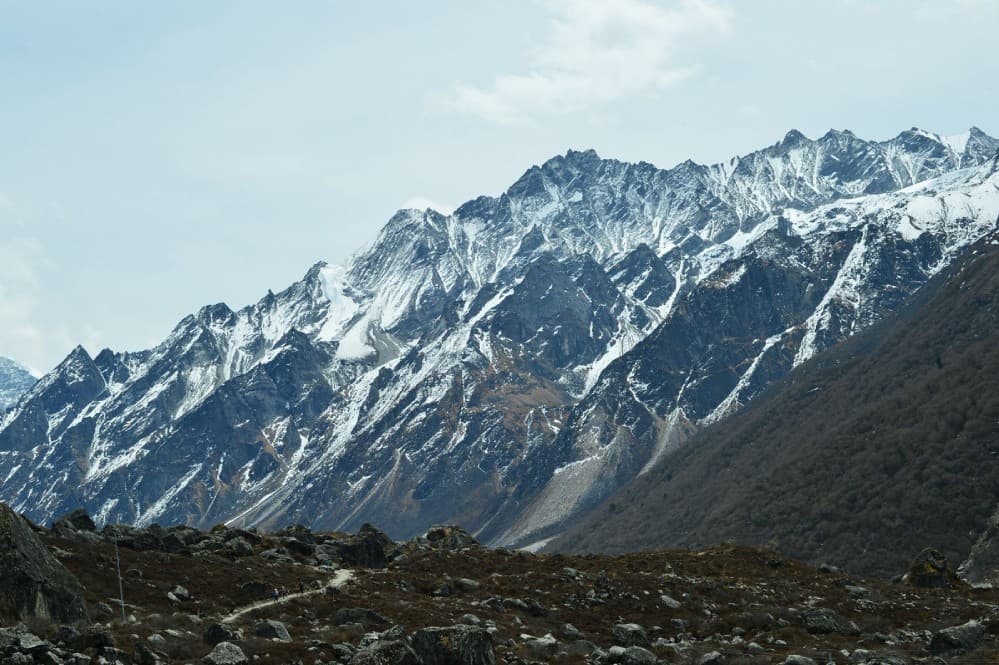
- Experience incredible close-up views of peaks over 7,000 meters, including Langtang Lirung, Ganesh Himal, and Dorje Lakpa.
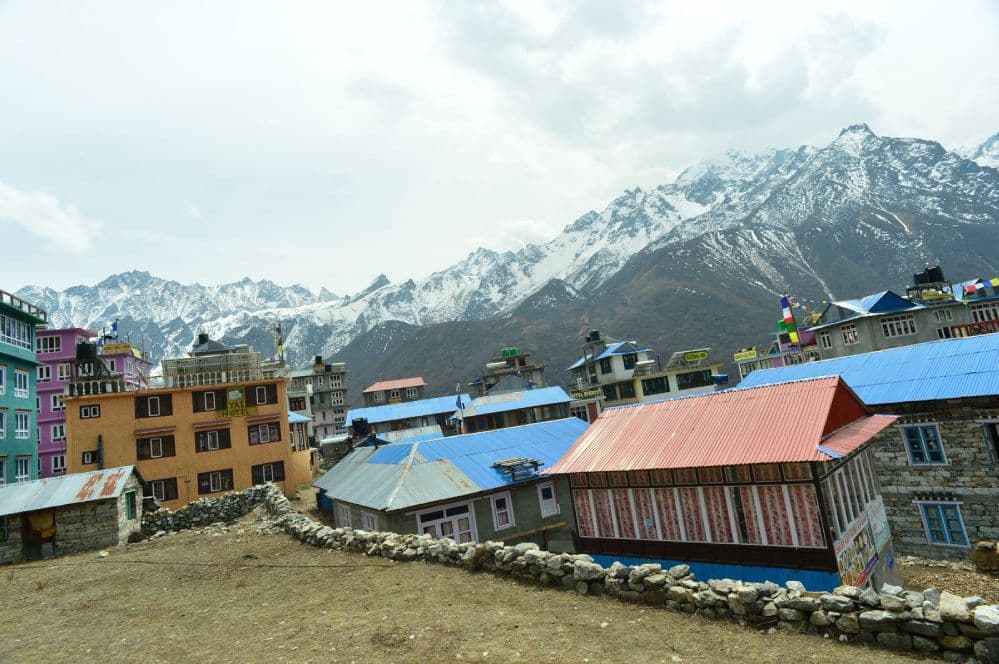
- The journey takes through Tamang and Hyolmo villages where ancient Buddhist culture and mystical traditions are still very much alive.
- A great chance to spot rare wildlife like the elusive red panda, Himalayan tahr, and langur monkeys within the diverse forests of Langtang National Park.
- Birdwatchers will enjoy the trek, as the region is home to over 300 bird species, including those flying across the high valleys and river gorges.
- Peaceful experience with far fewer crowds compared to the busier Everest and Annapurna trails.
- Witness the incredible resilience of local communities who have rebuilt villages following the 2015 earthquake.
- Get a unique "circuit" feel as the trek starts in the deep Langtang valley, crosses a high pass, and enters the rolling hills of Helambu.
- Visit local yak cheese factories and ancient monasteries like Kyanjin Gompa and Churi Gompa, which add a special spiritual and local flavor.
Why choose Heaven Himalaya for the Annapurna Circuit Trek?
Owner-Led Personal Service
Unlike large trekking agencies that operate like call centers, where you talk to a sales agent, Heaven Himalaya follows a "boutique" approach, where the founder, Ramhari Adhikari, is hands-on. Undoubtedly, having direct access to the owner creates a layer of accountability that employees cannot match. If you're unsure about packing lists, visa procedures, or currency exchange, you can get answers directly from the decision-maker.
Proven 5-Star Ratings
If you are one of those who seek good reviews before booking a travel package, then you are in the right place, as Heaven Himalaya consistently receives high scores on third-party platforms like TripAdvisor and Trustpilot, replicating reliability and authenticity. The Annapurna Circuit is a long and arduous commitment. A 5-star rating specifically for this route suggests that the agency handles the most challenging aspects of trekking effectively, such as what to do when a teahouse is fully booked or when a trekker falls ill.
Rigorous Altitude Protocols
Acute Mountain Sickness is the most significant risk factor on the circuit, especially crossing Thorong La (5,416m). However, the guides at Heaven Himalaya monitor your oxygen saturation in the blood daily using pulse oximeters. On the rest days in Manang, they don't let you sleep; they take you on hikes to higher elevations and bring you back down to sleep, which is scientifically proven to aid acclimatization.
Sustainable "Refill Not Landfill"
Heaven Himalaya highly encourages its clients not to buy single-use mineral water bottles, which are a major contributor to plastic pollution in the Himalayas. They likely provide water purification tablets or boiled water services. They ensure porters carry safe weights, have proper hiking boots, and are insured. A happy porter team creates a positive atmosphere for the whole group.
Transparent All-Inclusive Pricing
Heaven Himalaya offers transparent pricing policies preventing unexpected costs. After you book, there won't be any surprise charges for permits, guides, meals, or porters. All fees and emergencies are covered in advance, so there will be no additional costs. You don't have to bring a lot of cash into the mountains because you can pay in bundles for permits, meals, lodging, and staff costs.
Fully Licensed Operations
Heaven Himalaya is registered with the Department of Tourism and the Trekking Agencies' Association of Nepal (TAAN). This is critical for insurance. If you need a helicopter rescue, your insurance company will likely require official documentation from a licensed agency. If you trek with an unlicensed "freelance" guide, your insurance claims could be denied.
Flexible Small-Team Adaptability
As a boutique agency, Heaven Himalaya is always ready to tweak itineraries to accommodate fitness levels, weather conditions, or add Tilicho Lake detours. In contrast to large group tours, which run on rigid, military-style schedules, this small group allows for real-time adjustments.
When is the Best Time for the Langtang Helambu Trek?
The best time for the Langtang Helambu trek is Autumn (September to November) and Spring (March to May). The weather is most consistent throughout these months, which means your trek will be safer and visually spectacular.
1. Spring (March to May)
If you enjoy vibrant landscapes, the Langtang Helambu trek in spring is hard to beat. Daytime temperatures at lower altitudes range from 10°C to 20°C. Above the tree line, it remains cool but comfortable. In spring, the Langtang region truly awake with lush greenery and massive rhododendron forests in full bloom. On top of that, it's prime time for wildlife spotting as animals become more active. You must choose spring to feel the rejuvenate vibe of the valley.
2. Autumn (September to November)
For many, the Langtang Helambu trek in autumn is the ultimate choice. This season offers the most consistent Langtang Helambu trek weather, with crisp air and deep blue skies. In this season, you can count on clear, sunny days with temperatures between 10°C and 18°C. It's cold at night, especially in Kyanjin Gompa, but you can handle it with the proper clothing. After the monsoon, the dust is washed away, offering clear vistas of Langtang Lirung, Ganesh Himal, and Dorje Lakpa. In addition, this season often coincides with major Nepali festivals like Dashain and Tihar, giving you a chance to experience the local Hyolmo culture in the Helambu regions.
3. Off-Season Trekking: Winter and Monsoon
While the best season for Langtang Helambu trek is during the spring and autumn, some thrill-seekers look elsewhere:
Langtang Helambu Trek in Winter (December to February): It's a "winter wonderland" for those who don't mind sub-zero temperatures and snowy paths. It's incredibly peaceful but be prepared for some teahouse closures and potential avalanche risks.
Langtang Helambu trek in monsoon (June to August): Generally, we don't recommend this time. Heavy rain brings leeches, slippery trails, and clouds that hide the peaks. However, for a botanist or a trekker seeking total solitude amidst misty, green hills, it remains an option- just pack plenty of rain gear.
How Much Does the Langtang Helambu Trek Cost in 2026?
Figuring out your budget for a 13-day trek through Langtang and Helambu is all about finding your balance between comfort and cost. By combining these two major trekking areas into one trip, you're actually being quite savvy with your money. You'll save a significant amount on transportation and avoid certain permit logistics, making this one of the most cost-effective long-distance treks in Nepal.
While budgeting your Langtang Helambu trek, you need to consider these key factors:
Group Size: Trekking with a group of 4 or more can slash your transport and guide costs by $100-$250 per person.
Transportation: A local bus to Syabrubesi is the most "local" experience and the cheapest, but a private jeep (shared with friends) offers significantly more comfort on Nepal's winding roads. This accessibility is a big reason why the Langtang region is generally 20-30% more affordable than the Everest region- you're trading expensive domestic flights for a scenic drive.
Seasonality: During peak months (October and April), teahouse prices are firm. In the off-season, you may find more room for negotiation, though many high-altitude lodges may close.
Langtang Helambu Trek Cost Breakdown (13 Days)
Estimated Total Budget:
- Budget Traveler (Shared Guide/Public Transport): $750 - $950
- Mid-Range Traveler (Private Jeep/Porter): $1000 - $1,350
This Langtang Helambu trek cost breakdown assumes a mid-range trekking style with a guide and porter.
|
Category |
Estimated Cost (USD) |
What's Included? |
|
Permits & Fees |
$50 - $65 |
Langtang Helambu trek permit cost includes Langtang National Park (~$23), Shivapuri National Park (~$8), and the TIMS Card (~$15) |
|
Transportation |
$30- $180 |
Round-trip from Kathmandu. Public buses are ~$10 each way; a private jeep is ~$150-$200 total (split by the group). |
|
Accommodation |
$120 -$200 |
12 nights in teahouses/lodges. Basic rooms are cheap, but “luxury” teahouses with attached baths in lower villages cost more. |
|
Food and Water |
$300 - $450 |
Based on $20-35 per day. This covers three hearty meals (Dal Bhat is your best friend!) and hot drinks. |
|
Guide and Porter |
$350 - $550 |
Guide: $30-40/day. Porter: $15-$25/day. These are essential for safety and support on a 13-day route. |
|
Gear Rental |
$40 - $100 |
Renting a high-quality down jacket and - 20°C sleeping bag in Thamel. |
|
Insurance |
$60 - $150 |
Must cover high-altitude trekking (up to 5,000m) and emergency helicopter evacuation. |
|
Miscellaneous |
$50 - $100 |
Hot showers ($3-$5), device charging, Wi-Fi, and tips for your crew. |
Note: While the prices are listed in USD, most teahouses on the trail only accept Nepali Rupees (NPR).