When it comes to Mera Peak safety, this climb occupies a unique position. Although it's known as a non-technical or trekking peak in Nepal, at 6,476 m, it remains a serious high-altitude challenge. Therefore, if it's done right, the climb is safe.
That means you don't need advanced climbing skills to reach the summit, but you do need proper preparation, a good itinerary, and the right mindset. The route itself is relatively straightforward and is often considered beginner-friendly. Yet the altitude, glacier sections, and weather can make things much tougher than expected.
So here's the real deal: Mera Peak is safe with proper preparation, but risky if underestimated. If you take acclimatisation seriously, follow experienced guides, and respect the mountain, it can be one of the safest ways to experience a 6,000-meter Himalayan summit. But if you rush it or treat it like “just another trek,” that's where problems usually begin.
How Safe Is Mera Peak
Mera Peak is considered one of the safest 6,000 m (19,685.04 ft) peaks among the trekking peaks in Nepal, especially for beginners stepping into mountaineering. The main reason is simple: it follows a non-technical route, meaning no advanced rock or ice climbing skills are required, and most climbs are done with experienced guides who manage safety, pacing, and decision-making throughout the journey.
This combination makes the climb more accessible and gives many first-timers a real shot at reaching the summit. In fact, Mera Peak summit success is often reported between 70% and 90%, especially when climbers follow proper itineraries and prepare well.
That said, “safe” doesn't mean easy. This mountain still rises to 6,476 m (21,246.72 ft), which puts it firmly in the extreme altitude zone where your body is under constant stress. Many people underestimate it because it's labelled a “trekking peak,” but the reality is it's still a serious Himalayan climb.
Weather, cold, and especially altitude can quickly turn things challenging if you're not prepared. So yes, it's one of the safer options out there, but only when approached with the right mindset and planning.
Mera Peak Altitude Sickness
Altitude is the real challenge on Mera Peak, not climbing. As you gain elevation, there's simply less oxygen available for your body to use, and at nearly 6,500 m (21,325.46 ft), that thinner air can start to make everyday movement feel difficult.
On high‑elevation climbs like this, altitude sickness on Mera Peak is something all climbers need to take seriously because it isn't about how skilled you are. It's about how your body responds to the change in environment.
Many climbers experience Acute Mountain Sickness (AMS), which can show up as headache, nausea, dizziness, or fatigue as you ascend, and if left ignored, it can become more serious conditions like High Altitude Pulmonary Edema (HAPE) or High Altitude Cerebral Edema (HACE) that require immediate attention and descent. Most people who don't summit don't fail because of technical terrain; they step back because their body simply doesn't acclimatise well enough to stay safe.
But that doesn't mean you should be scared. It means you should be informed. Altitude sickness is a natural response to the environment, not a personal shortcoming, and proper planning and pacing go a long way toward preventing it.
Guides and experienced teams know how to watch for symptoms early and adjust the pace accordingly, so you stay as comfortable as possible. Understanding the signs and respecting your body's limits can make a huge difference in staying healthy and reaching higher elevations safely.
Why Altitude Is So Challenging On Mera Peak
As you approach the summit at 6,476 m (21,246.72 ft), you enter what many climbers call the “extreme zone,” where oxygen levels have dropped significantly compared to below 5,500 m (18,044.62 ft). In fact, oxygen at these heights can be around half of what you'd breathe at sea level, which is why even seemingly simple tasks, like tying your boots or adjusting a pack, can feel exhausting and slow.
How To Prevent Altitude Sickness
Here are some basic but useful tips to prevent AMS:
- Slow ascent: This is the most important thing during trekking and climbing. Take your time on the way up; don't rush your body.
- Proper acclimatisation days: Schedule rest days at moderate elevations to allow your body to adjust.
- Hydration: Staying well‑hydrated helps your body cope with thinner air. So, drink at least 3 to 4 litres of water a day.
- Eat properly: Nutritious meals support your energy levels and recovery.
- Avoid rushing: Pushing yourself too fast is the quickest path to symptoms.
Good itineraries are designed around acclimatisation, not speed. Hence, planning your ascent carefully is one of the best ways to prepare for altitude sickness .
Other Risks You Should Know
When planning your Mera Peak climb, altitude sickness isn't the only challenge you'll face. There are a few other environmental and physical risks that are worth knowing about before you set out. Nevertheless, all of them are manageable with proper planning and guides.
- Weather changes: Himalayan weather can flip fast, with sudden storms, strong winds, or low visibility near camps and on summit day.
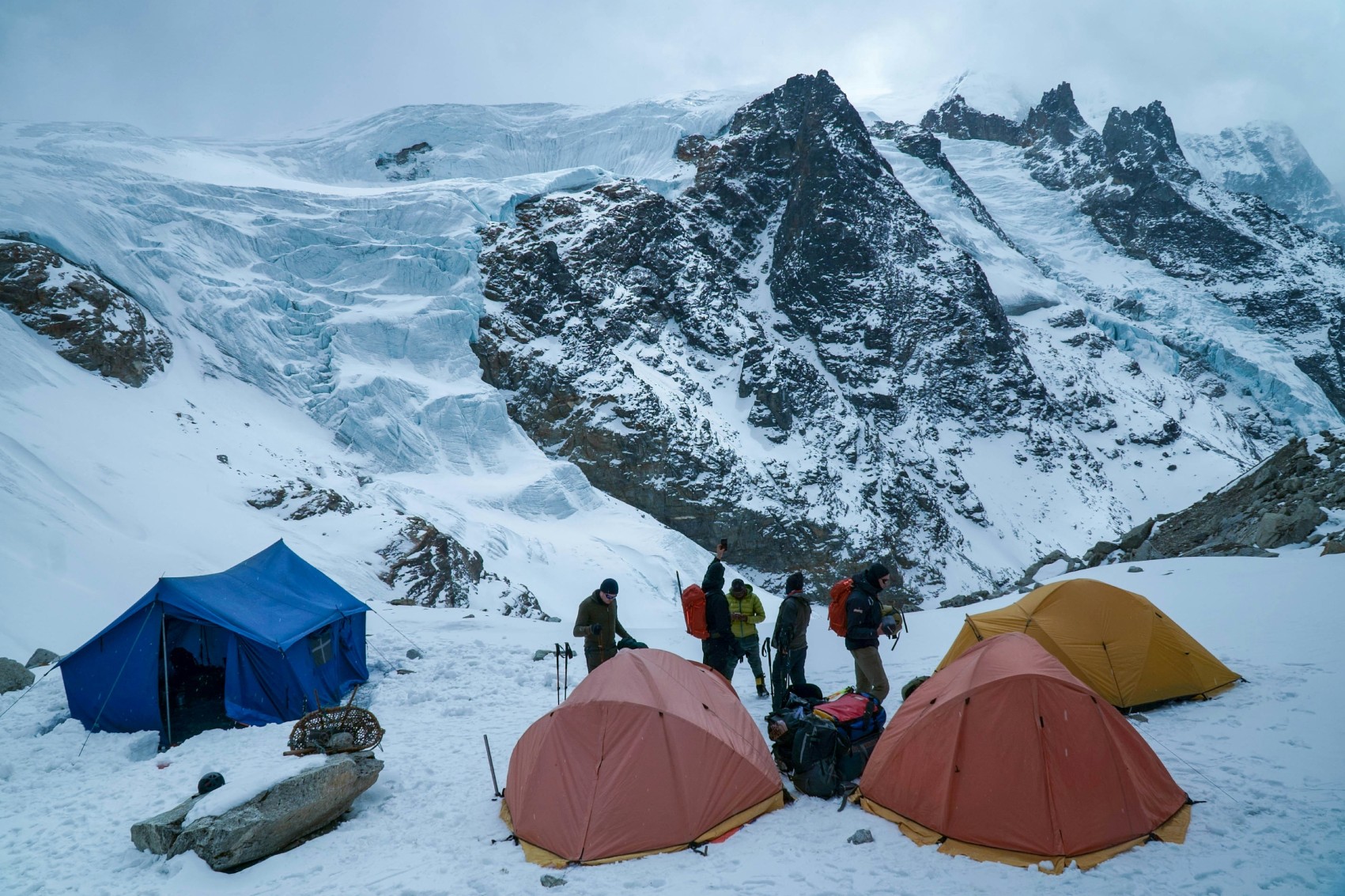
- Extreme cold: Temperatures can drop far below freezing at higher camps, especially before sunrise, increasing frostbite risk if you're under‑prepared.
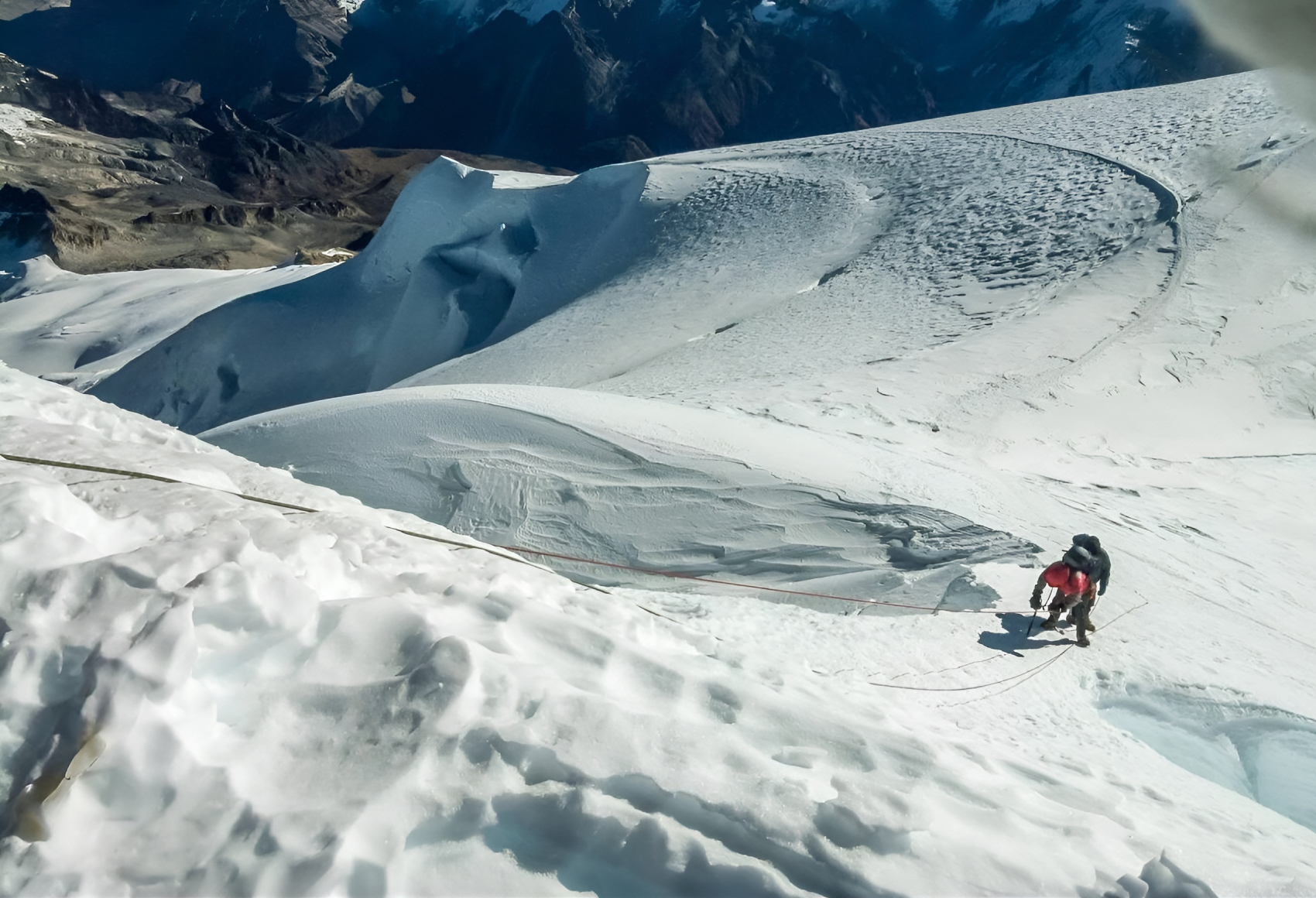
- Glacier travel (crevasses): You'll cross snow and glacier sections where hidden crevasses and slippery terrain are possible. So, use crampons, ropes, and ice axes, and be careful with your footwork.
- Fatigue & long trekking days: The climb involves many hours of trekking and climbing over rugged terrain, which can build up fatigue quickly if you don't pace yourself well.
All of these risks are real, but with a smart itinerary, proper acclimatisation, and experienced guides by your side, you can handle these challenges with confidence.
Mera Peak Success Rate (What Affects It)
Mera Peak actually has a pretty high success rate so far, around 70% to 90% for climbers who come prepared. But here's the thing: a successful summit on Mera Peak isn't random. It's not luck, and it's definitely not about being the strongest person on the mountain.
Your conquest mostly comes down to a few key factors: how well your itinerary is planned, how properly you acclimatise, your overall fitness, and even something as simple (but important) as timing your climb with good weather.
For example, climbers on shorter itineraries (under 18 days) often see success rates around 60% to 70%, mainly because they don't have enough time to adjust to thin air. On the other hand, those following well-designed itineraries with proper acclimatisation can reach 80% to 90% success rates, which is a huge difference. So really, it's less about how “hard” the mountain is and more about how smartly you attempt it.
Why Some Climbers Fail
The main reasons some climbers fail to reach the top of Mera Peak are as follows:
- Rushing the itinerary: Trying to summit too quickly without giving the body time to adapt.
- Ignoring altitude symptoms: Pushing through headaches or nausea instead of resting.
- Poor fitness: Underestimating the physical demands of long trekking days.
- Bad weather timing: Attempting the summit during unstable conditions.
- Underestimating the climb: Thinking it's “just a trek” because it's non-technical.
Most failures aren't because people “can't”, but because they rushed or misjudged the mountain.
Role Of Guides In Safety
When it comes to climbing Mera Peak, guides aren't just there to show the way; they're honestly the backbone of your safety on the mountain. In a high-altitude environment where things can change fast, having an expefrienced guide means someone is constantly looking out for you, your pace, and your overall condition, not just the route ahead.
A good guide is always monitoring how you're feeling, checking for early signs of altitude sickness, adjusting your pace, and making smart calls about when to move, rest, or even turn back. They're also the ones making the big decisions on summit day based on weather, conditions, and team health.
And if something goes wrong, they're trained to handle emergencies, whether that means organising a quick descent, giving first aid, or coordinating a rescue if needed. Hence, climbing with experienced guides significantly increases both safety and success.
Is Mera Peak Safe for Beginners?
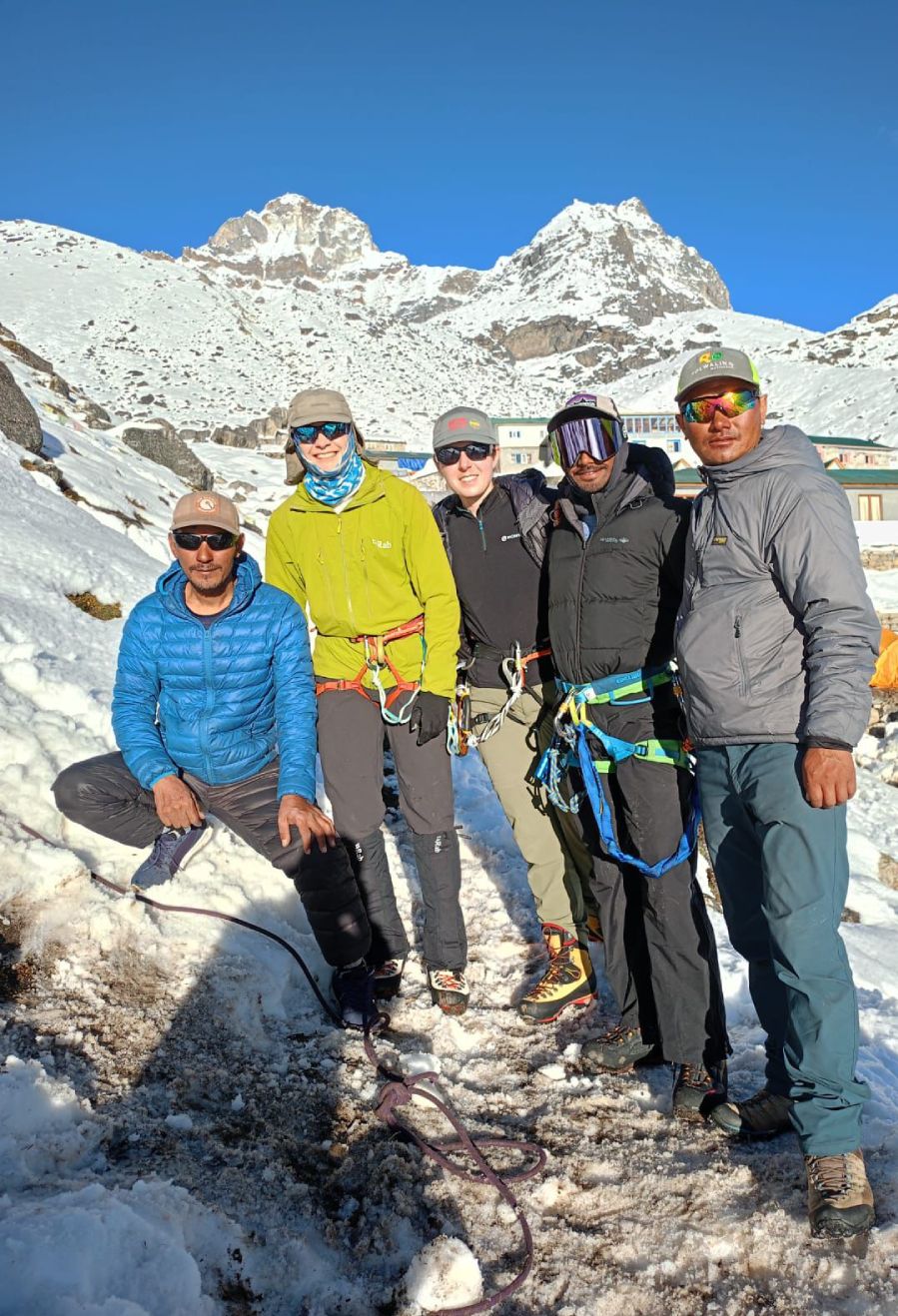
Yes, but with conditions. Mera Peak is classified as a non‑technical peak, meaning you don't need advanced rock or ice climbing skills to attempt it, and many first‑time climbers successfully reach the top with the right approach.
However, being beginner‑friendly doesn't mean it's easy. It still tests your fitness, stamina, and ability to cope with high altitude.
The climb demands good cardiovascular fitness and proper pre‑trip training, and even things like Mera Peak acclimatization strategies (such as gradual ascent and scheduled rest days) play a huge role in whether you enjoy the journey and reach the summit safely. This makes it a great first 6,000 m (19,685.04 ft) peak for people who are committed to preparing well and pacing themselves.
That said, there are important conditions if you're new to high‑altitude climbs: you should be physically fit, mentally prepared, and climbing with guides who know the mountain and how to manage altitude and health concerns. Beginner‑friendly doesn't mean you can show up unprepared, it means the climb is achievable with the right support, fitness, and gradual acclimatization.
If you're just starting out, this beginner‑friendly Mera Peak guide will give you a clear idea of what to expect before you commit. You can go into the adventure with confidence and excitement rather than worry.
Final Verdict: Is Mera Peak Climbing Safe
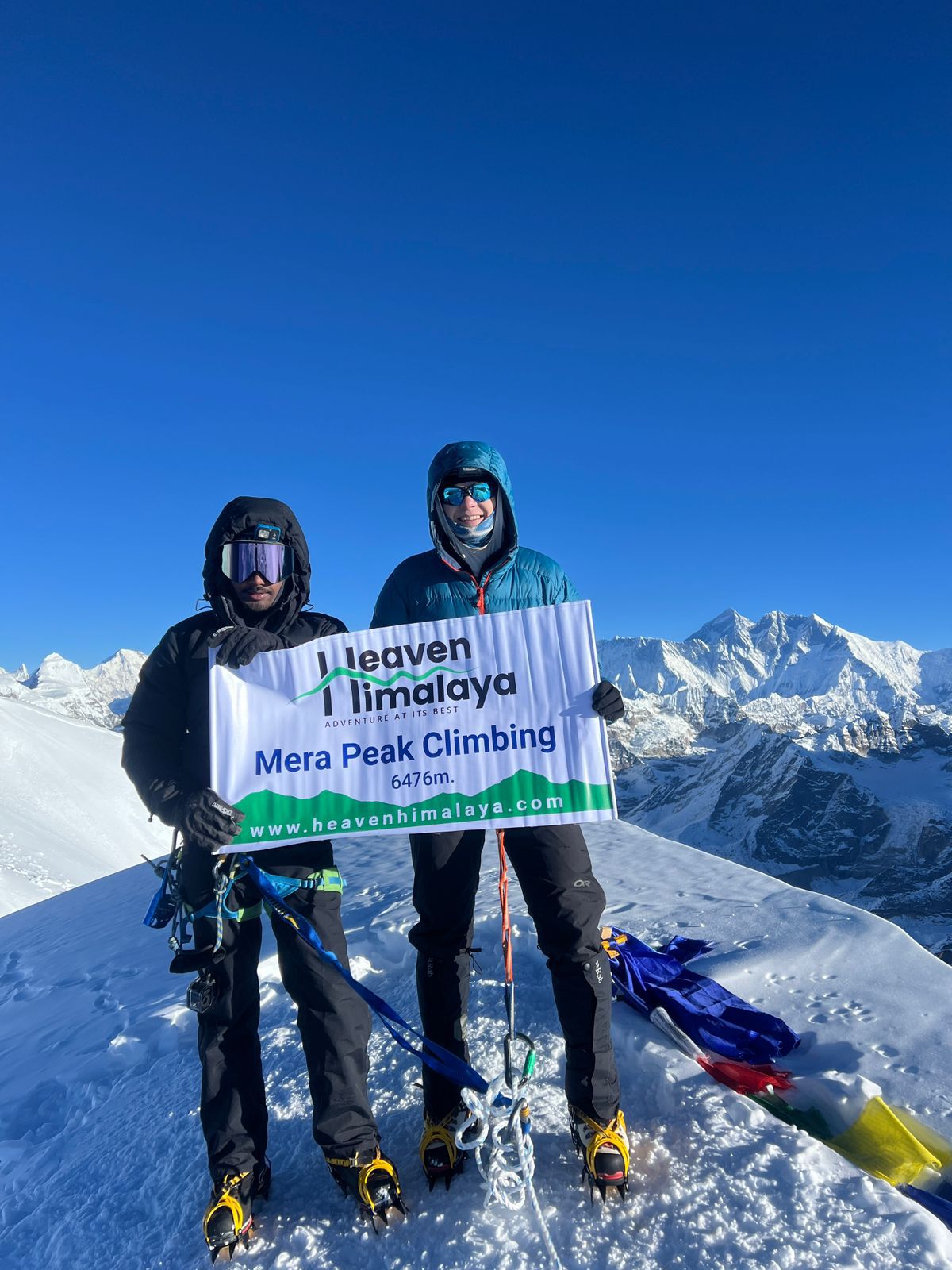
When you look at the full picture, Mera Peak climbing is safe with the right preparation, but risky if underestimated. It's a non‑technical peak that most climbers can handle, but the altitude is real, and poor planning or rushing the ascent can turn things to bad.
Proper acclimatization, pacing, and a thoughtful itinerary make all the difference when dealing with things like thin air and high‑camp conditions. Therefore, altitude and planning are everything on this mountain.
That doesn't mean there aren't risks in climbing Mera Peak, but with experienced guides, a solid acclimatization schedule, and respect for the mountain, those risks become manageable rather than overwhelming. Climbing with a strong support team and a schedule that allows your body to adapt gives you the best chance of a great experience up there.
Ready to make it happen? Join our 18‑day Mera Peak Climbing adventure and climb confidently with expert support while limited spots for the best seasons are filling up fast!