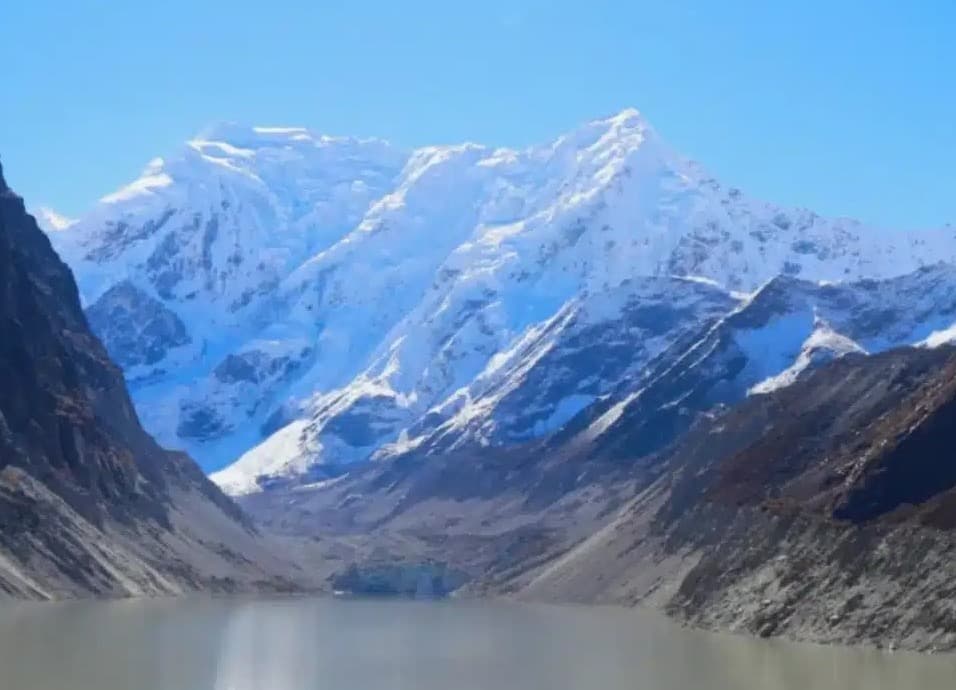
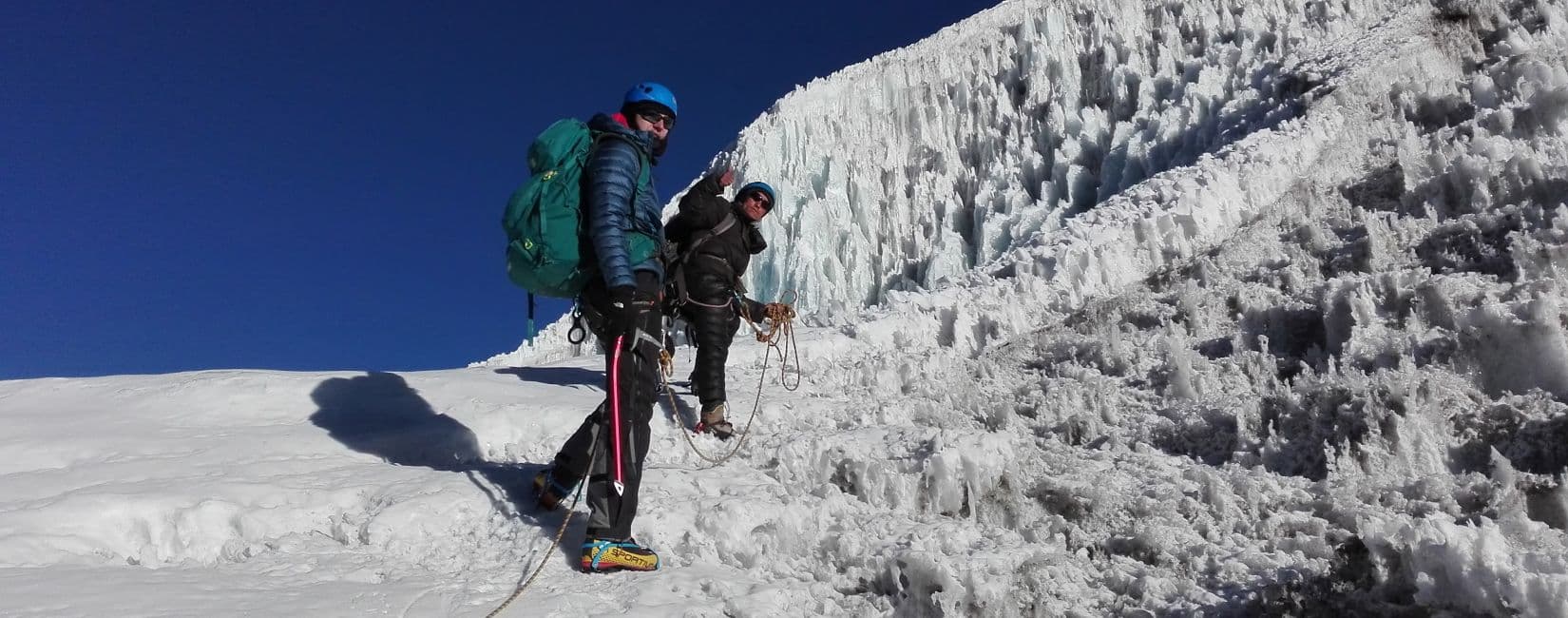
Consider the difficulty level of climbing Lobuche Peak when planning your Himalayan adventure. It's crucial to understand before attempting this prominent mountain in the Everest Region of Nepal.
Lobuche Peak consists of two summits: East and West. Among these summits, Lobuche East is the most climbed, as it's considered a trekking peak and is best suited for beginners. The Lobuche West, on the other hand, is considered the expedition peak, because it's technically demanding to climb and only suitable for experienced climbers.
Just because the East is classified as a trekking peak, it doesn't mean it's completely easy to climb. You would face steep sections full of ice and snow, especially near the top, where you would require using crampons, ice axes, and fixed ropes.
Lobuche Peak climbing is graded moderate in difficulty, PD+ on the alpine scale. Hence, you need to have both proper fitness and basic mountaineering skills.
Today, through this article, you'll understand the factors that influence the difficulty of climbing Lobuche East, its comparison with other trekking peaks, and preparation tips for climbing it. Whether you're a first-time climber or an experienced one, this guide will provide you with a lot of information regarding the peak and its climbing.
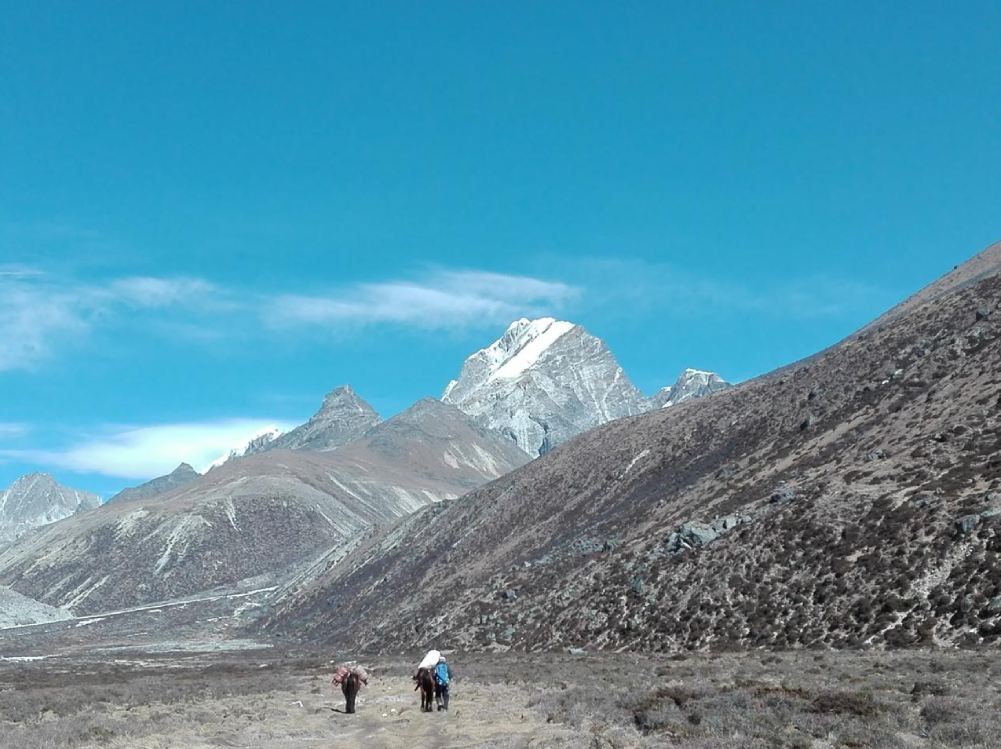
Overview Of Lobuche Peak
Lobuche Peak in Nepal is one of the most popular mountains, classified as a 6,000 m (19,685.04 ft) peak, located in the Khumbu Region, Solukhumbu District, Koshi Province. It has two different summits: Lobuche East (6,119 m/20,075.46 ft) and Lobuche West (6,145 m/20,160.76 ft).
Both summits are close to the classic trekking trail that leads to Everest Base Camp (EBC) and offer stunning panoramas of the surrounding peaks in the Everest Region from the top, such as:
-
Everest (8,848.86 m/29,031.69 ft),
-
Lhotse (8,516 m/27,940 ft)
-
Nuptse (7,861 m/25,791 ft)
-
Ama Dablam (6,821 m/22,349 ft)
However, Lobuche East is the more famous of the two summits because it's a trekking peak and more convenient. Especially for beginners, it's an ideal peak and warm-up climb for the Everest expedition in the near future.
With the blend of snow slopes, glacier travel, and elevation challenges, you'll get the opportunity to introduce yourself to the mountaineering world. This Himalayan trekking peak helps you build confidence for the next climbing mission, as it offers both adventure and a chance to learn about some technical mountaineering skills needed to conquer bigger mountains.
Lobuche Peak Summits: Lobuche East Vs Lobuche West
There are two summits in Lobuche Peak: East and West. Despite standing near each other in the Khumbu Region, their difficulty levels and climbing styles vary.
So, it's essential to know the difference between Lobuche East and West. Understanding it helps you choose the right one to attempt based on your experience and climbing skills.
Lobuche East
Lobuche East is considered one of the Himalayan trekking peaks in Nepal, and it has fascinated many trekkers who desire to experience mountain climbing. You need basic mountaineering skills, such as using crampons, ropes, and an ice axe, to climb it; nonetheless, it's accessible for beginners with proper preparation. So, it's among the commercial climbing journeys in the country.
Lobuche West
In terms of altitude, Lobuche West is a bit higher and technically demanding than Lobuche East due to its complex routes. Therefore, it's classified as an expedition peak. This mountain is only recommended for experienced mountaineers, as advanced climbing skills, including technical rock and ice climbing experience, are required to reach its top.
What Is The Difficulty Level Of Lobuche Peak
The grade of climbing Lobuche Peak is often defined by the Alpine grading system, generally used to calculate the difficulty of mountain climbs. Lobuche East is the summit of Lobuche Peak that is mostly climbed.
Lobuche East is graded PD+ (Peu Difficile Plus), meaning its climb is moderate in difficulty. Yet, good preparation and basic climbing skills are still required.
The East summit is considered a trekking peak; nonetheless, the PD+ alpine grade indicates that it isn't as easy as a trek. Near the top, there are some technical sections.
You need to walk through icy terrain and use rope techniques in some areas to reach the summit safely. Therefore, you should have good physical fitness and basic knowledge regarding mountaineering before going on the Lobuche Peak expedition.
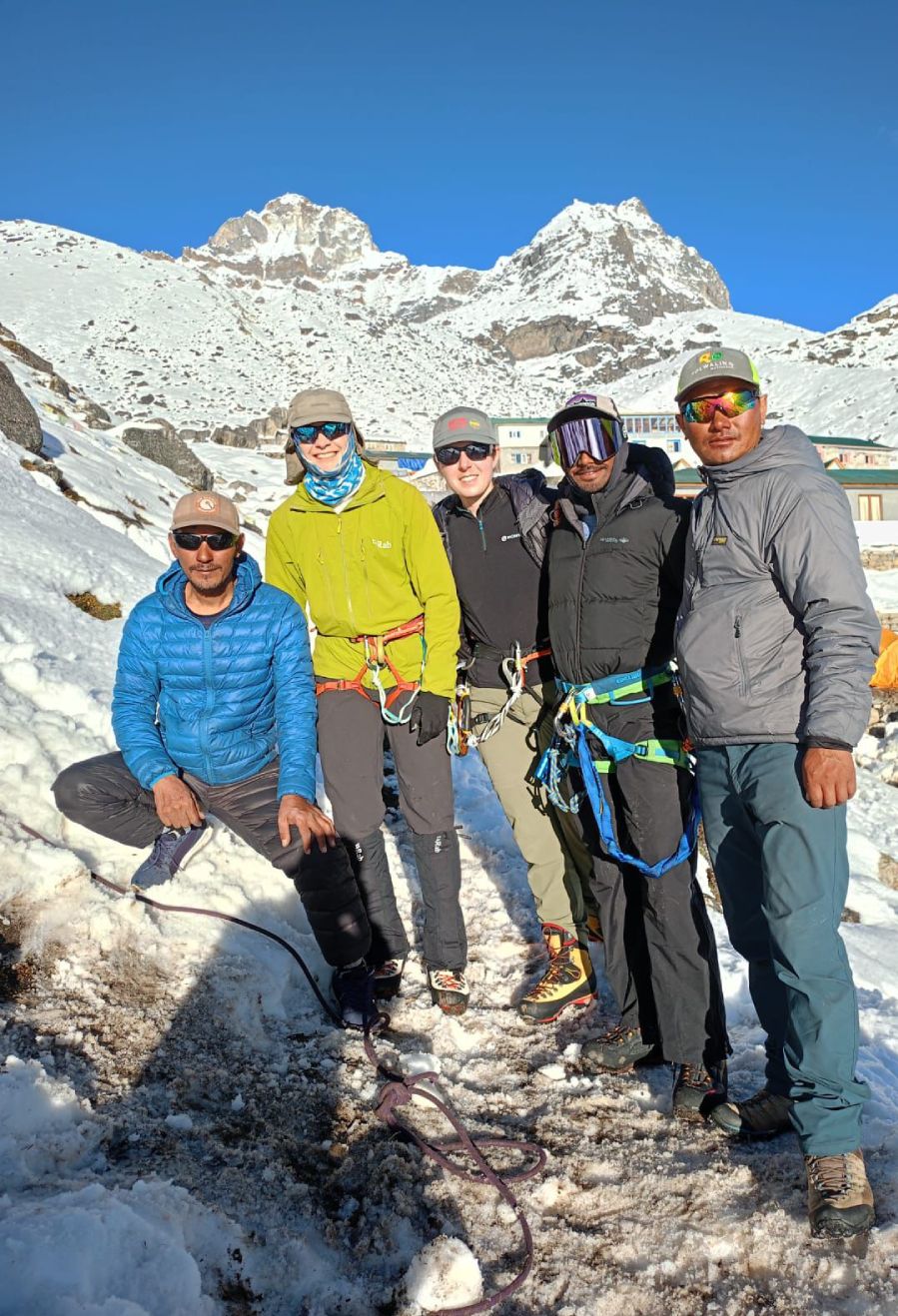
Lobuche East Climbing Difficulty
The difficulty of summiting Lobuche East is considered moderate but still challenging for climbers, particularly for first-timers. The peak is more challenging than a normal trekking trail but easier compared to other higher peaks' expeditions.
Because of this balance, Lobuche East is often described as a technical trekking peak in Nepal. It gives climbers their first real experience of high-altitude mountaineering while still being achievable with proper preparation.
Climbers attempting Lobuche East must deal with several physical and technical challenges along the route. These include steep snow slopes, glacier travel, and sections where fixed ropes are used for safety. The most demanding part of the climb is usually near the summit.
Here, climbers must ascend a steep 45–50° snow and ice slope using fixed ropes, which requires careful movement and basic rope skills. Because of these conditions, climbers should have good fitness and some mountaineering training before attempting Lobuche East.
The False Summit Vs The True Summit
It might be shocking to you, but there's a false summit in Lobuche East. This is an important detail that you must be aware of when planning the climb.
During your ascent, you may think you have finally made it to the top after reaching a high point. However, that's the false summit of Lobuche East. Most climbers used to get confused here and think they've finally summited the peak, as it seems like the highest point from a distance.
Therefore, we would like to make it clear right now, right here, about the true summit of Lobuche East, so that you don't get deceived by the distant vision of the peakwhen your time comes. The actual summit is a bit further from this confusing point.
The only way to reach it is by crossing the narrow section with careful movement and balance, often known as a knife-edge ridge. This section makes the final push tough.
Factors That Make Lobuche Peak Difficult
There are four major factors that affect the difficulty of climbing Lobuche Peak. They're as follows:
High Elevation
The altitude of Lobuche East Peak is one of the major factors in making its climb difficult. It stands at 6,119 m (20,075.46 ft). The air gets thinner at such a height, cansing the oxygen level to drop and making the climbing demanding.
Technical Terrain
The terrain is a blendd of rock, snow, and ice climbing sections, making the ascent more technical.
Steep Summit Wall
To reach the summit, you need to ascend a 45-to-50-degree slope that's thoroughly snow-coveredred by using fixed ropes.
Long Summit Day
During the summit day, you need to walk for 8 to 10 hours at such a height. Ascending for hours at high elevations has a high risk of altitude sickness. You can get your situation even worse if you show even a little carelessness.
How Difficult Is Lobuche West
Lobuche West is classified as an expedition peak and challenging in difficulty, as it's higher than Lobuche East and includes some technical sections. So, to attempt its summit, you're required to have advanced training and prior climbing experience.
To reach the summit successfully, you should be well-prepared for demanding sections, as you'll ascend rocky and icy walls. It's less popular among first-time climbers due to such challenges.
Lobuche Peak Vs Other Trekking Peaks
In the Khumbu Region, there are two iconic trekking peaks ideal for beginners or less experienced climbers. They are the Island and Mera Peaks.
All three of these trekking peaks are relatively easier than other higher mountains above 7,000 m (22,965.88 ft). Nonetheless, it doesn't mean they're the same when it comes to difficulty. Thus, you're going to understand the quick comparison between Lobuche East and the other two peaks in this section.
Lobuche Peak Vs Island Peak
Both Lobuche and Island Peaks are famous trekking peaks in Nepal. By learning some basic mountaineering skills, you can climb them. Nevertheless, Lobuche East is a bit technical, as its climb includes steeper snow-covered slopes and a more exposed ridge to the summit.
To reach the Island Peak summit, you also need to travel through the glacier. However, thetrail doesn't include tough sections. In the Alpine grading system, Island and Lobuche Peaks are graded PD and PD+, respectively.
Lobuche Peak Vs Mera Peak
When it comes to Lobuche vs Mera Peak, both are the most attempted trekking peaks in the Everest Region. The Alpine grading system has graded PD+ to Lochube East and PD to Mera Peak.
Despite Mera Peak being higher in altitude among trekking peaks, it's still less technically demanding than Lobuche East. Therefore, most first-time climbers prefer Mera over Lobuche.
Is Lobuche Peak A Good First 6,000 m Peak
I guess you might be wondering right now whether Lobuche East is suitable for you to attempt the first 6,000 m peak in Nepal. Don't worry, as it's possible for newcomers.
Also, at the same time, its route to the summit involves enough challenge. You can experience what mountaineeringreally feels like.
Why It Can Be A Good First Peak
For beginners, it's an excellent choice for climbing. The climbing trails are completely guided, providing support and safety for you, so that they can experience glacier travel, steep snow slopes, and fixed rope sections with confidence.
Climbing this peak is more than just gaining mountaineering experience, but it also helps acclimatise your body for climbing even higher mountains in the future.
Why It Can Be Challenging
Yes, it's a perfect option for you to experience a beginner Himalayan climb. Yet, it has challenging sections along the climbing route to the summit.
To achieve success here, you're required to ascend carefully using ropes, crampons, and an ice axe. Also, you must be physically prepared because the risk of altitude-related issues is typically high above 6,000 m.
So, you must prioritise acclimatisation during the expedition. However, such challenges make you stronger and prepared for more technical mountains.
Who Can Climb Lobuche Peak
Who can climb Lobuche East, and what level of preparation is required, are two of the most common questions among newcomers. Climbing this summit is possible for anyone.
If you're physically fit and have some experience of trekking at high elevation, you can make it happen for yourself. Also, you should learn some basic mountaineering skills to attempt it.
Since you're going to climb a peak, you must know how to use crampons, an ice axe, and fixed ropes. These skills are really helpful for a safe journey to the top.
During the Lobuche East expedition, you'll first trek to EBC, which is 5,364 m (17,598 ft) high. In this way, you can adjust your body to a reduced oxygen level because it's popular as a trekking peak, and trekkers who desire to try the white giant next time choose it.

Tips & Preparation For Lobuche Peak
Proper training for Lobuche Peak helps climbers handle the physical and technical challenges of this high-altitude mountain. Good preparation improves endurance, strength, and confidence before attempting the climb.
Cardio Endurance
Build strong stamina with activities like hiking, running, cycling, or stair climbing. This type of exercise is essential for the preparation of climbing Lobuche because summit days are long and physically demanding.
Strength Training
Focus on leg and core strength through squats, lunges, step-ups, and weighted hikes. Strong muscles help climbers move safely on steep terrain and carry gear while climbing high-altitude Himalayan peaks.
Altitude Acclimatisation
Spend time trekking above 4,000–5,000 meters before the climb. Proper acclimatization is very important when preparing for climbing peaks in the Everest region, as it helps the body adjust to thinner air.
Rope & Crampon Skills
Learn basic mountaineering techniques, such as using crampons, handling an ice axe, and climbing with fixed ropes. You walk through a snowy and icy path during the expedition, and it isn't possible to reach the top without this equipment.
Essential Gear For Lobuche Peak Climbing
Before attempting the climb, having the right climbing gear for the Lobuche Peak expedition is very important for safety and comfort. The mountain includes snowy slopes, icy sections, and technical terrain near the summit, so climbers must carry proper mountaineering equipment.
Proper gear also plays a key role in many tips for climbing this mountain shared by guides and experienced climbers. Using the correct equipment helps climbers move safely on snow and ice while reducing the risk of accidents during the climb.
Since Lobuche East is a high-altitude mountain, climbers require reliable equipment for 6000 m peaks. These essential tools help with stability, protection, and rope travel during the summit push.
Important Lobuche Peak Climbing Gears:
- Crampons
- Ice axe
- Climbing harness
- Helmet
- Mountaineering boots
Best Time For Climbing Lobuche Peak
The best times to climb Lobuche Peak are spring (March to May) and autumn (September to November. During spring, the weather is generally stable, and climbers enjoy clearer skies and better visibility.
Snow conditions on the slopes are also easier to manage, making the climb safer and more enjoyable. This season is a popular choice for mountaineers who want to experience the stunning views of the Everest and neighbouring peaks while attempting their first high-altitude climb.
Autumn is the post-monsoon season. During this period, the skies are usually clear, and the weather is stable, providing excellent summit conditions.
The cooler temperatures and lower risk of storms make autumn a preferred season for climbers aiming for Lobuche East or other Himalayan trekking peaks. Both spring and autumn offer the safest and most rewarding opportunities to attempt Lobuche Peak.
Tips to Make Lobuche Peak Climbing Easier
Here are some important tips to help climbers reach the Lobuche East summit safely and comfortably:
- Proper acclimatization: Spend time at higher altitudes before the summit push to reduce the risk of altitude sickness and ensure a safe climb.
- Follows gradual itinerary: Take enough days for trekking and climbing so your body can adjust to the high-altitude conditions common on Himalayan trekking peaks.
- Hire an experienced climbing guide: Guides provide route knowledge, technical support, and safety tips, which increase the chances of summiting Lobuche East safely.
- Good physical preparation: Cardio and strength training before the climb help you handle long days, steep snow slopes, and glacier travel while climbing Himalayan trekking peaks.
These simple tips make the climb more manageable and help climbers enjoy the stunning views from Lobuche East.
Conclusion: Is Lobuche Peak Difficult?
The difficulty of climbing Lobuche Peak varies depending on which summit you attempt. Lobuche East is a moderately difficult trekking peak, graded PD+, and is suitable for climbers with basic mountaineering skills and proper preparation. It offers a good introduction to high-altitude climbing while challenging trekkers with snow slopes, glacier travel, and a steep summit ridge.
In contrast, Lobuche West is a technical expedition peak that requires advanced climbing experience, including rock and ice techniques. Regardless of the summit, climbers need strong physical fitness and confidence using crampons, ropes, and ice axes. With proper training, preparation, and guidance, Lobuche Peak provides an unforgettable Himalayan climbing experience while remaining achievable for motivated and prepared adventurers.