Introduction
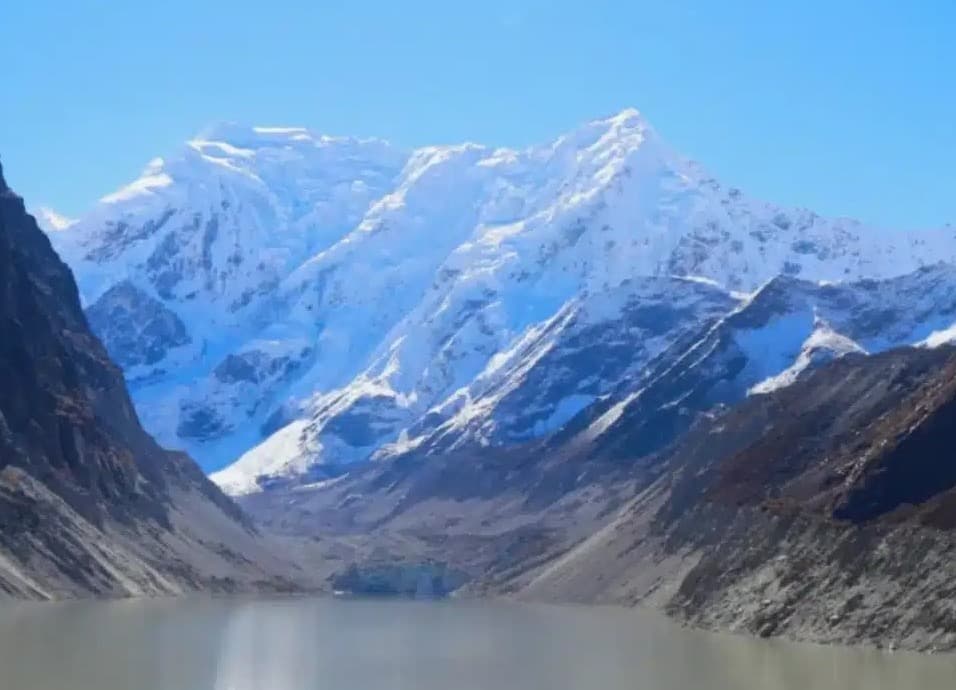
The difficulty of Island Peak Climbing is a key concern for anyone planning to summit this iconic mountain in Nepal. At 6,189 m (20,305.12 ft), it isn't just a trekking peak, but a real climbing that combines high altitude with technical challenges, making it moderately difficult rather than a simple walk in the mountains.
The mountain is graded PD+ (Peu Difficile Plus) on the Alpine grading scale, which means it involves more than just long walking days. There are sections of steep snow and ice, as well as glacier travel, which requires the use of fixed ropes, crampons, and ice axes.
This level of difficulty still keeps Island Peak within reach for many climbers. Nevertheless, it's essential to learn that this is a moderately technical mountain terrain, not a casual trek.
Despite these challenges, Island Peak is widely considered suitable for fit beginners with proper training and a good guide. Many climbers choose it as their first Himalayan summit because, with the right preparation, such as endurance training, acclimatisation, and some basic skills practice, the climb becomes achievable and rewarding. In this guide, we'll break down what makes its climbing difficult, including altitude effects, technical sections, physical demands, and the kind of preparation that'll help you succeed on the mountain.
How Difficult Is Island Peak Climbing
Island Peak climbing is moderate to challenging in difficulty, requiring more than just walking on a trail. At 6,189 m, the lack of oxygen makes every step harder, as the air at the summit has only about half of the oxygen you breathe at sea level, which increases fatigue and shortness of breath.
The following three main factors make Island Peak difficult:
- High altitude
- Technical sections
- Long summit push
The elevation means climbers must acclimatise carefully to avoid altitude sickness, the glacier and snow slopes near the top involve rope work and crampon use, and the summit day itself can take 10 to 14 hours of continuous climbing in cold, thin air.
Island Peak Difficulty For Beginners
Yes, first-timers can climb Island Peak, but it's essential to understand that it's beginner‑friendly but not easy. The mountain's technical side is reflected in its Island Peak climbing grade, often considered PD or PD+, meaning the route includes some moderate technical sections rather than being just a walk.
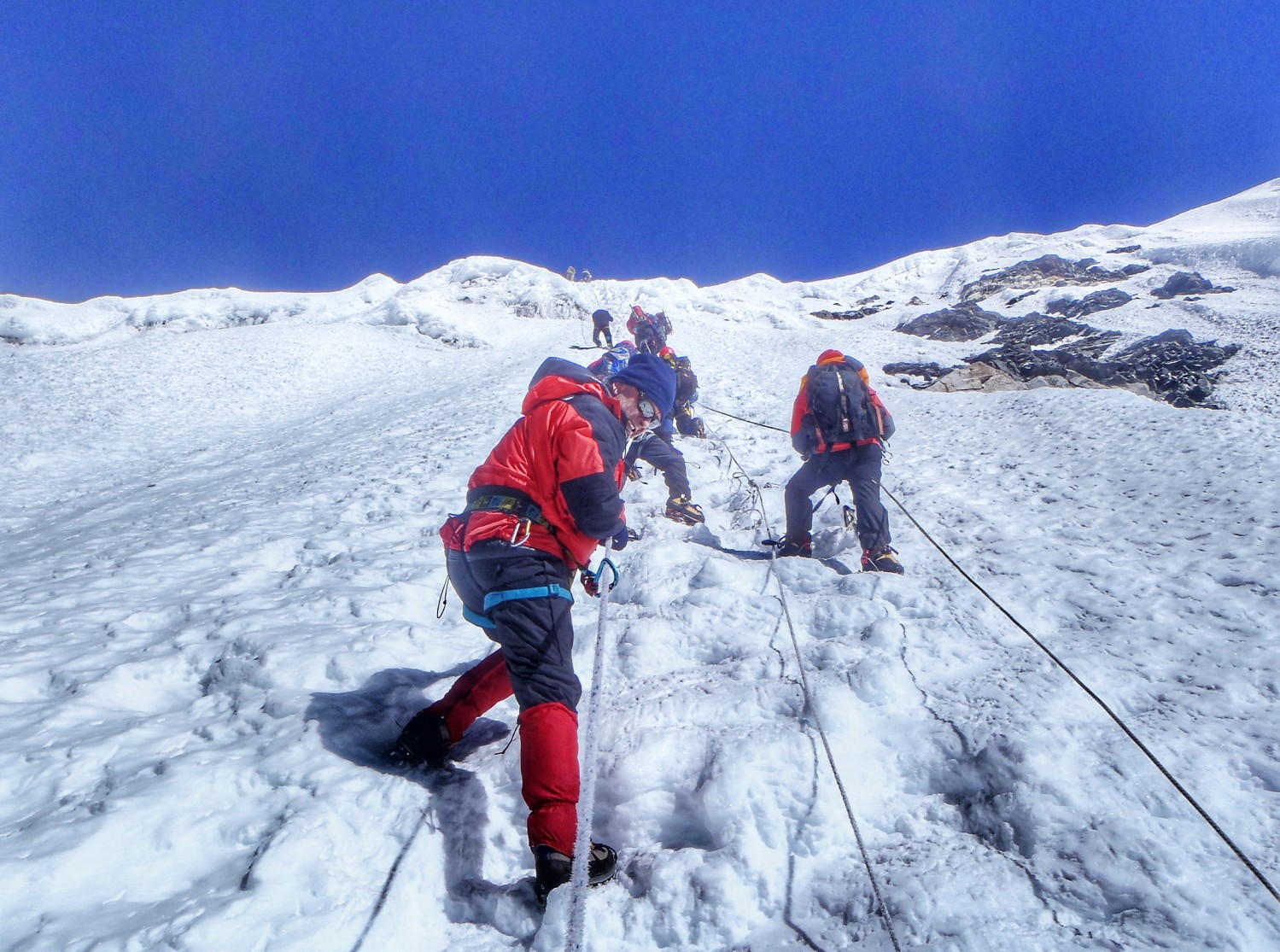
Most guided expeditions include basic training on how to use crampons, ice axes, and fixed ropes before the summit push. Therefore, you don't need advanced climbing experience before you arrive, and you can learn these skills on the mountain itself.
To climb it as a beginner, three things are most important: good fitness, basic training, and guide support. Fit climbers who prepare physically and follow the instructions of experienced guides find that the climb becomes a structured challenge where they learn and improve as they go.
While altitude and long summit days are still demanding, having acclimatisation time, hands‑on skills practice, and professional support makes the experience achievable and builds confidence. You can succeed with the right preparation.
Island Peak Technical Difficulty Explained
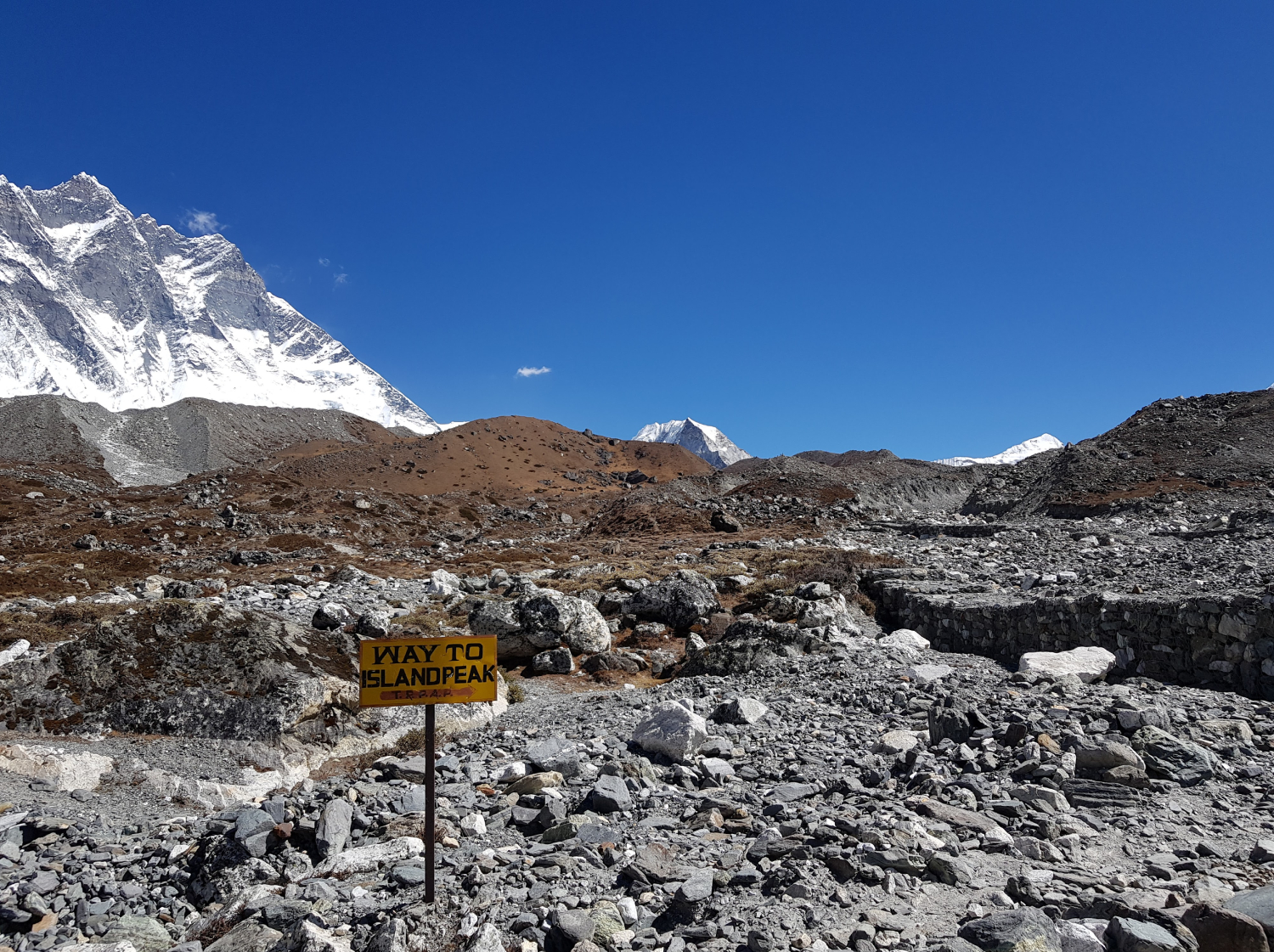
While much of the approach to Island Peak feels like trekking, the final sections involve real technical mountain climbing that makes the climb more demanding. As you gain height, you'll leave easy walking behind and enter terrain where snow, ice, and rope systems become part of everyday movement.
These challenging parts require good technique, careful footwork, and attention to safety. Hence, we've broken them down below so you know what to expect.
Fixed Rope Climbing
On steep snow and ice slopes, especially near the summit headwall, climbers rely on fixed ropes that are anchored into the mountain to make upward movement safer and more controlled. Climbers attach themselves to these ropes and often use jumars or ascenders to slide up the fixed lines, which helps conserve energy and maintain balance on steep terrain. Fixed ropes are essential on these steep sections and significantly lower the risk of slips in thin air.
Glacier Crossing & Crevasses
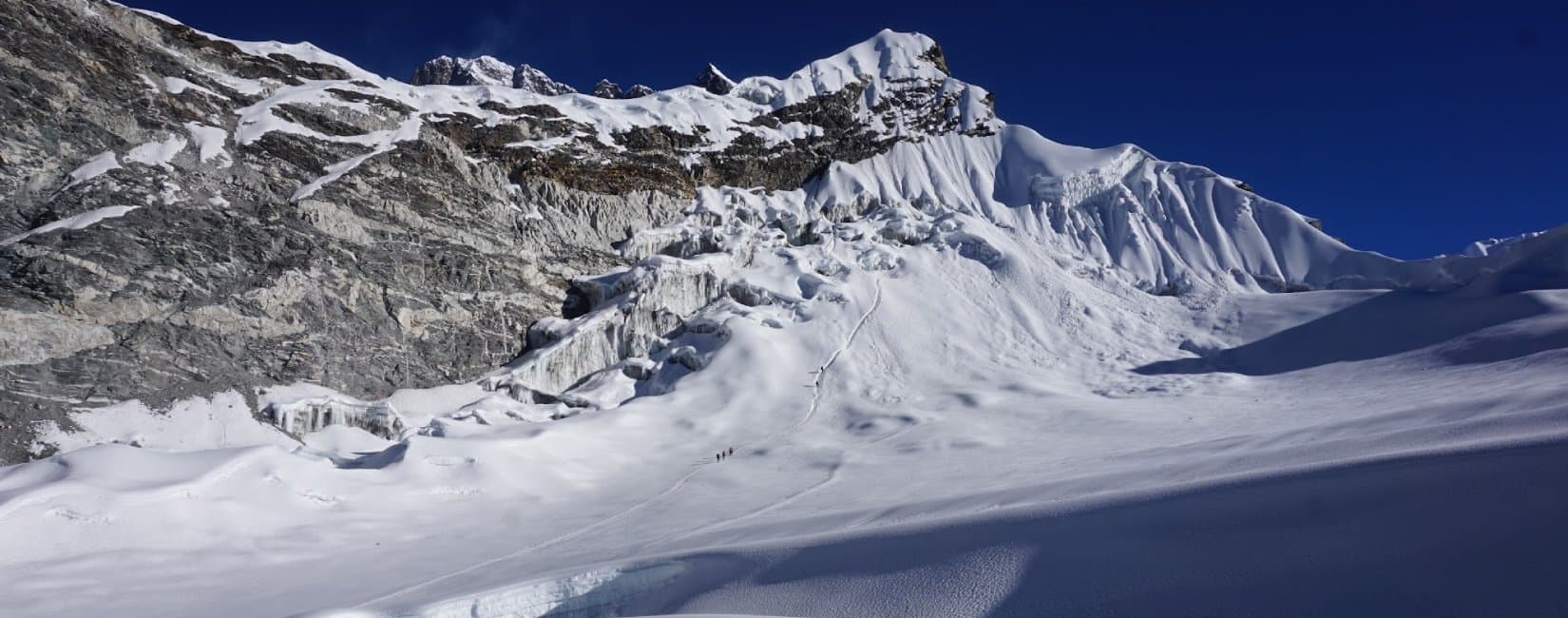
Before reaching the steep headwall, you must cross the Imja Glacier, where hidden crevasses (deep cracks in the ice) are a constant hazard. Climbers typically travel in rope teams to protect each other, and in some places, wide crevasses may be crossed using ladders placed by guides. These glacier and crevasse crossings are key challenges that require careful routing and teamwork to navigate safely.
Headwall Climb (Most Difficult Part)
The headwall is the most technical and physically demanding section of Island Peak. This steep snow and ice slope, often around 45 to 55°, leads directly toward the summit ridge and is where most climbers put their greatest effort. While fixed ropes assist the ascent, this final climb is the technical part of the mountain that tests your strength, technique, and confidence at high altitude
Altitude Difficulty On Island Peak
The altitude of Island Peak is one of the biggest challenges climbers face because the summit reaches 6,189 m (20,305.12 ft), a height where the air becomes much thinner, and breathing becomes noticeably harder. At these elevations, the amount of oxygen available drops to around 45 to 50 % of what you're used to at sea level, which makes even simple walking feel more strenuous and slows down your pace significantly
This reduced oxygen increases the risk of Acute Mountain Sickness (AMS), which can cause symptoms such as headache, nausea, dizziness, and fatigue if your body doesn't get time to adjust properly. The best way to handle this is through proper acclimatization, which most Island Peak itineraries incorporate into the schedule with gradual elevation gain and rest days so your body can adapt slowly to lower oxygen levels before attempting higher camps and the summit push.
Summit Day Difficulty: What Makes It Hard
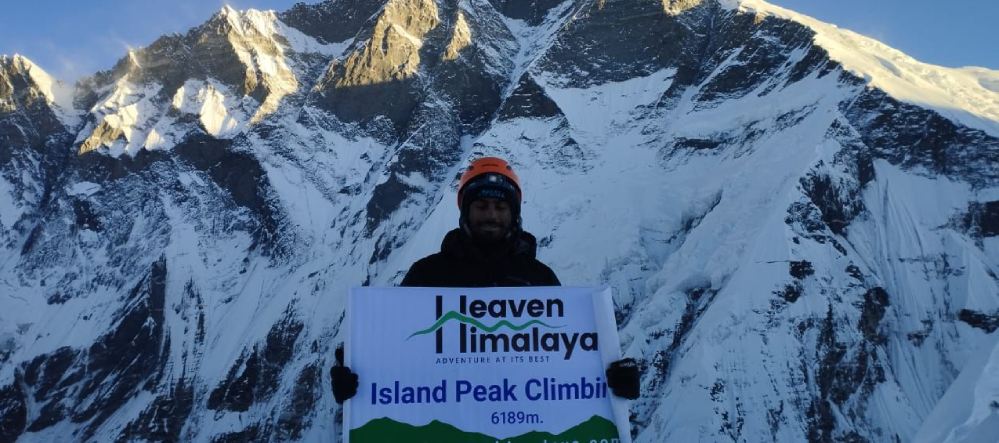
Climbing Island Peak's summit is a day you won't forget, and it often begins in the dead of night with climbers waking up before most of the world is awake. Most teams start from high camp around 2 AM, so they can climb in cooler, more stable conditions and reach the top before afternoon weather changes.
The journey from high camp, up the steep snow and ice, and back down can take about 10 to 14 hours of continuous effort, far longer than a normal trekking day. This long, pre‑dawn ascent is one of the reasons summit day is seen as the major challenge of Island Peak climbing.
What makes summit day truly tough is not just the hours but how those hours feel. After many days of trekking and acclimatisation, your body is already tired, and on summit day you're climbing at high altitude where oxygen is thin, making breathing harder and muscles tire faster.
The physical exhaustion from steady climbing, cold temperatures, and long hours, combined with the mental challenge of pushing yourself through fatigue and exposure tests, both your body and mind. For many climbers, this mix of physical and mental effort is what turns the summit push into the most demanding part of the Island Peak experience.
Fitness Required For Island Peak
To successfully climb any mountain, you need a good level of physical preparation and stamina. So, the fitness required for Island Peak is more about endurance and consistency than extreme strength, as you'll be active for many hours each day at high altitude
- You should be able to trek 6 to 7 hours per day on uneven trails at high altitude without getting exhausted.
- Good strength and endurance are important, especially for long trekking days and summit push.
- You must be comfortable carrying a backpack (around 10 to 15 kg) during trekking days.
- Training for at least 2 to 3 months is recommended before the climb to build stamina and strength.
- Focus on cardio workouts, such as hiking, running, swimming, or cycling, to improve endurance.
- Practice stair climbing or hill walking to simulate uphill trekking condition
Island Peak Climbing Grade
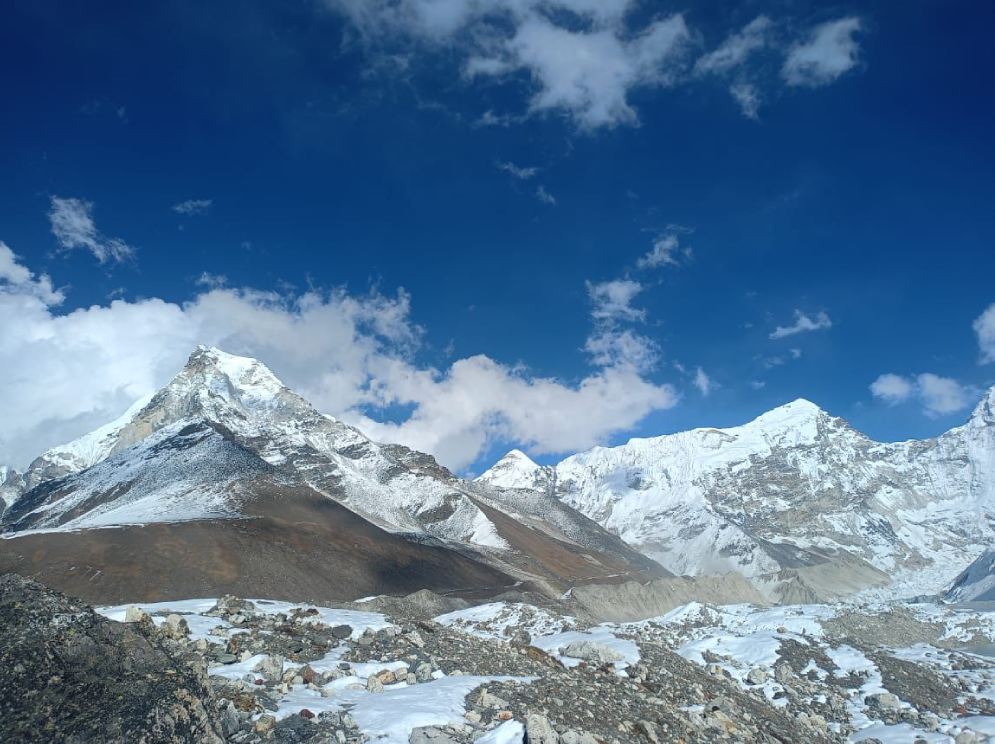
Island Peak is graded PD (Peu Difficile) in the alpine climbing system, which means “moderately difficult.” This grade shows that the climb isn't just trekking but involves real mountaineering, including snow, ice, and rope sections. It's often upgraded to PD+, which means the climb is slightly more technical and requires a bit more effort and skill.
Although the grade is considered moderate, it still requires basic mountaineering skills such as using crampons, walking on fixed ropes, and handling simple climbing equipment. This is why this peak is often described as beginner-friendly, but not easy, making it a great step for trekkers who want to move into real Himalayan climbing.
Is Island Peak Hard Compared To Other Peaks
When comparing popular Himalayan climbs, Island Peak sits in the middle range of difficulty that many beginners find approachable yet rewarding. For example, Mera Peak, although higher in altitude, is generally considered less technical overall because most of its ascent involves steady glacier walking and gentle snow slopes without steep rope sections. If you're interested in exploring both trekking and climbing in one journey, our EBC with Island Peak Climbing package is a great way to combine the classic Everest Base Camp Trek with the technical challenge of Island Peak in a single adventure.
At the same time, peaks like Lobuche East tend to be slightly more technical than Island Peak. It has steeper slopes and more challenging terrain near the summit that require firm rope and footwork skills.
This places Island Peak in a sweet spot for climbers who want a real mountaineering experience, more than a trek but not as demanding as some of the more advanced 6,000 m (19,685.04 ft) peaks in the region. It's a popular first Himalayan climb for fit trekkers and first‑time climbers.
Key Challenges Of Island Peak Climbing
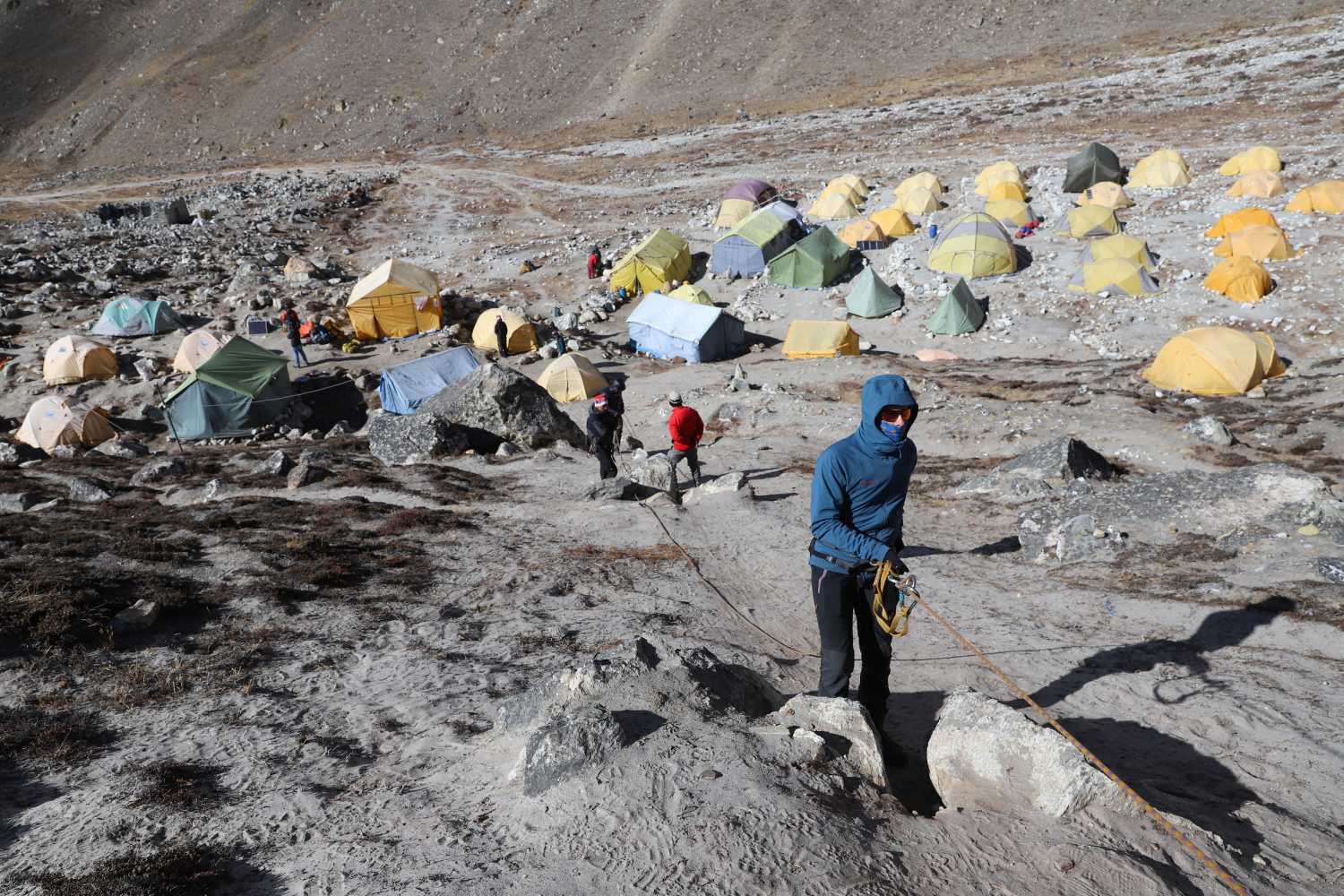
Climbing Island Peak is not just about reaching the summit; it's about handling multiple challenges at the same time. From high altitude to technical sections, each part of the climb tests your body and mind in different ways.
Understanding these key challenges will help you prepare better and increase your chances of a successful and safe climb.
- High Altitude (6,189 m): Thin air reduces oxygen to about 45–50%, making breathing harder and increasing the risk of AMS.
- Technical Sections: You'll need to use fixed ropes, crampons, and an ice axe on steep snow and ice slopes.
- Glacier Travel & Crevasses: Walking on glaciers requires balance, rope teamwork, and awareness of hidden crevasses.
- Steep Headwall Climb: The final ice wall is the most difficult section and requires proper technique and confidence.
- Long Summit Day: A summit push can take 10 to 14 hours, testing your endurance and mental strength.
- Cold Weather & Exposure: Strong winds and freezing temperatures can make the climb more challenging.
- Mental Challenge: Exposure, height, and fatigue require strong focus and confidence throughout the climb.
Final Verdict: Is Island Peak Difficult
Island Peak is challenging, but achievable for many climbers who prepare well and respect the mountain's demands. It's more than a trek, combining high altitude, technical terrain, and long summit pushes, but it isn't extreme mountaineering, which makes it a great next step for those who want a real Himalayan climb beyond trekking.
This climb is especially well‑suited for fit trekkers and first‑time climbers who are willing to train, acclimatise properly, and work with experienced guides who teach basic skills like rope movement and crampon use along the way. For a full picture of what to expect and how to prepare, check out our complete Island Peak Climbing Guide. It covers routes, difficulty, gear, and fitness tips to help you succeed.