Today, we'll discuss Everest Base Camp Trek safety tips in this blog. One of the important things we should be educated about before heading to the base camp of the world's highest peak, Mount Everest (locally known as Sagarmatha at 8,848.86 m/29,031.69 ft).
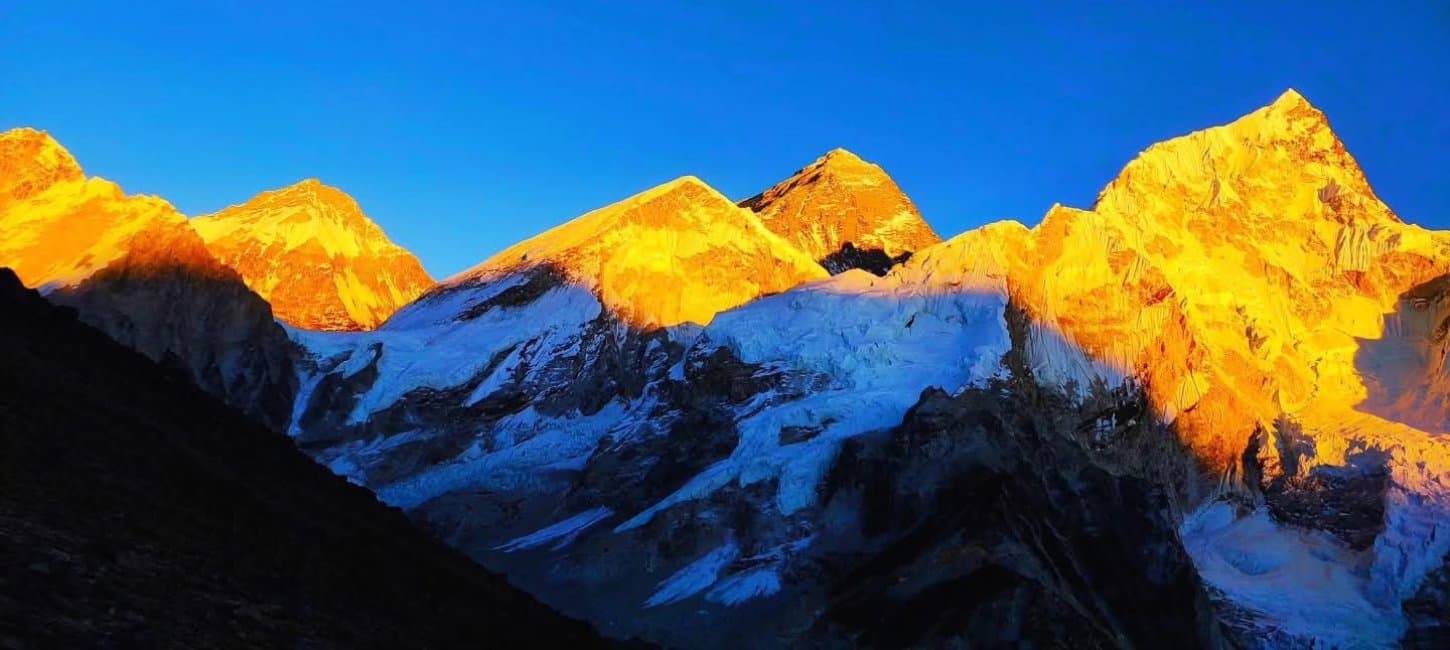
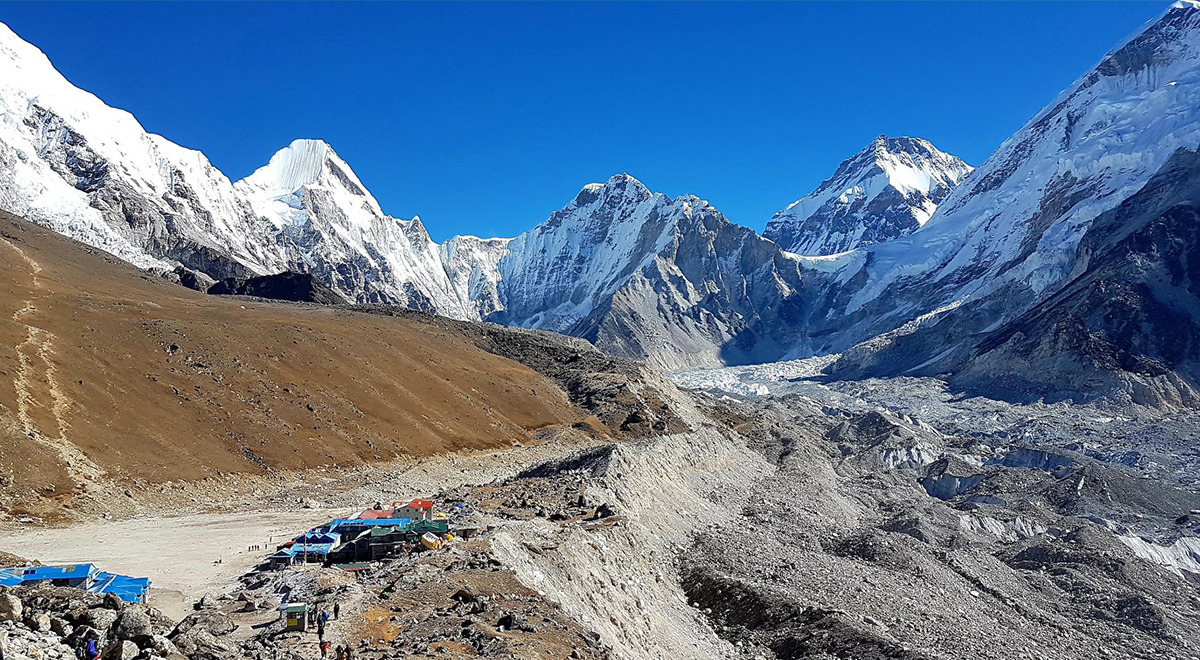
Everest Base Camp (EBC) is one of the dream destinations of all humans around the world, rising to 5,364 m (17,598 feet). Alongside Mt.Everest, you can also capture some other beautiful peaks in the same range, Mahalangur, such as:
-
Lhotse (8,516 m/27,939.63 ft)
-
Nuptse (7,861 m/25,790.68 m)
-
Ama Dablam (6,812 m/22,349.08 ft)
-
Thamserku (6,608 m/21,679.79 ft)
-
Pumori (7,161 m/23,494.09 ft) and others
Hiking to such a height, especially for individuals from sea level or with little trekking experience, is a challenging task. Even if the trail isn't technically demanding, such altitude makes things different. You'll never know when you get sick, and falling ill during the trek is life-threatening.
Even for experienced hikers, such an elevation can be challenging at times. Therefore, exercising caution during the high-altitude journey would be a wise move.
Let's learn together about altitude sickness, its symptoms, acclimatization, and safety tips in the sections below. It'll be helpful to you in preparing your future journey to the EBC.
Altitude Sickness On Everest Base Camp Trek
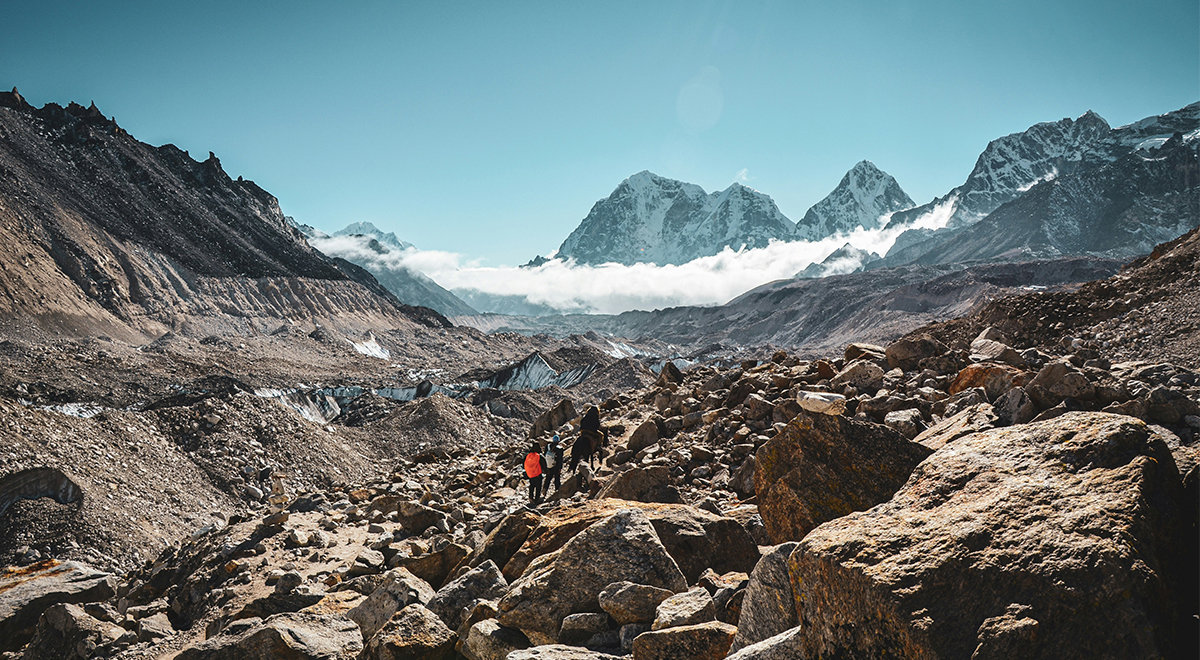
Even the beginning point of the EBC Trek is at 2,840 m (9,317.58 ft), which is Lukla. Speaking of altitude sickness, it typically begins to occur once we reach an altitude of 2,500 m (8,200 ft). You can guess for yourself now whether the chance of getting sick during this trip is high or not.
If your carelessness reaches its peak, your body is likely to develop high-altitude sickness without any warning. You will only come to realise when it's in you already.
Staying fit is a good thing, and that helps you during this adventure. However, just being fit can't guarantee your safety at high-altitude locations like the EBC thoroughly.
Altitude sickness doesn't care about your age, experience, and fitness level. In most cases, it's found that fit individuals suffer more, as they've high confidence and walk or ascend quickly. While unfit individuals are inactive and can't hike fast, it can benefit them.
It doesn't mean that working out every day is a waste of time. It's a useful thing, but if you act recklessly, you'll welcome altitude sickness at any moment.
Everest Base Camp Trek Altitude Sickness Symptoms
You've learned how possible altitude sickness on the EBC Trek is. Now, it's time for you to learn about its symptoms.
There are actually three types of altitude sickness, and each has different symptoms. The first and common one is Acute Mountain Sickness (AMS).
If it gets worse, it can turn into High-Altitude Pulmonary Edema (HAPE) or High-Altitude Cerebral Edema (HACE). Both are scary and can cost you your life if not cured forthwith.
In HAPE, fluid builds up in the lungs. The same thing happens in HACE as well, but in your brain.
Below is the breakdown of the symptoms of AMS, HAPE, and HACE:
AMS
- Headache (most common)
- Trouble sleeping
- Loss of appetite
- Nausea or vomiting
- Dizziness
- Fatigue or weakness
- Shortness of breath
HAPE
- Shortness of breath even at rest
- Persistent cough (often producing frothy or pink sputum)
- Chest tightness or congestion
- Extreme fatigue
- Rapid breathing and heartbeat
- Blue or gray lips, fingernails, or skin
- Crackling sounds in the chest while breathing
HACE
- Severe Headache
- Confusion or unusual behavior
- Loss of coordination
- Slurred speech
- Extreme fatigue or drowsiness
- Hallucinations
- Loss of consciousness (in severe cases)
Acclimatization On EBC Trek
acclimatization on the Everest Base Camp Trek is crucial for your safety and enjoying the journey to the fullest. At higher altitudes, the air is thinner, meaning the availability of oxygen is less compared to lower elevations.
So, you should let your body get used to the lower air pressure or reduced oxygen level. Doing so decreases the risk of altitude sickness.
The risk of altitude sickness is higher at 2,500 m (8,200 ft); hence, an acclimatization day is included in long treks. 3,000 m (9,842.52 ft) is the standard height for it. This is why most hikers spend an extra day in the same place after reaching such an altitude to acclimate their bodies.
In terms of the Everest Trek duration, it's generally 14 days. During the trip, two places are used for acclimatization. One is Namche Bazaar (3,440 m/11,286.09 ft), and another is Dengboche (4,410 m/14,468.5 ft).
acclimatization day doesn't mean taking rest for an entire day in the hotel's room. It means climb high and sleep low. On this day, you should go for a short hike to a nearby hill from your hotel.
While spending an extra day in Namche Bazaar and Dengboche, most trekkers hike to the Everest View Hotel (the world's highest placed hotel at 3,962.4 m/13,000 ft) and Nagerjun Hill (5,100 m/16,732.28 ft), respectively. Both places are beautiful viewpoints, offering a 360° view of the Mahalungur Range.
Another key part of acclimatization day is staying hydrated by drinking at least 3-4 litres of water a day and eating high-carb foods such as rice, potatoes, and pasta. And what you should avoid is smoking and drinking alcohol because they slow down the process of acclimating your body.
Best Time For Safe EBC Trek
A season also plays a vital role in a safe journey. Therefore, it's not appropriate to go on the Everest Trek at any time of year.
Speaking of the best time for trekking to the EBC, spring (March to May) and autumn (September to November) are the ideal seasons. During these seasons, skies mostly remain clear, the weather is stable, accommodations along the way operate smoothly, and mountain views are perfect.
The other two seasons, winter (December to February) and monsoon (June to August), are the off-seasons for trekking. During winter, the temperatures are frigid, and snowfall is expected. Moreover, cold weather can reduce your sense of thirst, leading to dehydration and an increased risk of altitude sickness.
During the rainy season, the weather is harsh, the skies are mostly cloudy, the trails are muddy and slippery, and landslides and floods are likely to occur. Also, in grassy areas, leech bites irritate you while hiking.
Everest Base Camp Trek Safety Tips
Below are some safety tips to trek to the EBC Trek that you should consider following:
- Exercise daily for at least an hour a month before your travel date if you're not a regular workout person. Physical activities such as stretching, squatting, running, cycling, and swimming are highly effective for trekking.
- Plan your journey for either of the seasons, spring and autumn, to avoid any harsh circumstances caused by the weather and enjoy the clear view of Everest and other peaks.
- Hike or ascend gradually, with frequent breaks of at least 5-7 minutes.
- Spend an extra day at the same point to acclimate your body once you reach 3,000 m. Do a short hike to the nearest hill from your hotel on this day.
- Drink 3-4 liters of water daily to prevent dehydration. Also, eat apples and cucumbers daily, as they contain a high amount of water.
- Focus on a high-carb diet. Foods such as rice, pasta, potatoes, bread, and lentils are highly recommended. These foods provide you with a high level of energy for a long time.
- Avoid smoking, drinking alcohol, and consuming coffee. They decrease your stamina and dehydrate your body.
- Consult your doctor to get the medicine considered best for altitude sickness, such as acetazolamide (brand name Diamox).
- Eat a piece of garlic daily before starting the hike, or add garlic soup to your meal, as garlic may help prevent altitude sickness.
Is Everest Trek Safe For Beginners
Even though the EBC Trek is a two-week-long journey and has altitudes to cover, it's still safe for beginners. The route isn't difficult to hike, and accommodations are available throughout the trail, making the trip easy.
However, elevation may cause problems for first-timers if they come from sea level. Nevertheless, you can still succeed in this journey. All you need to do is follow your guide's instructions and listen to your body.