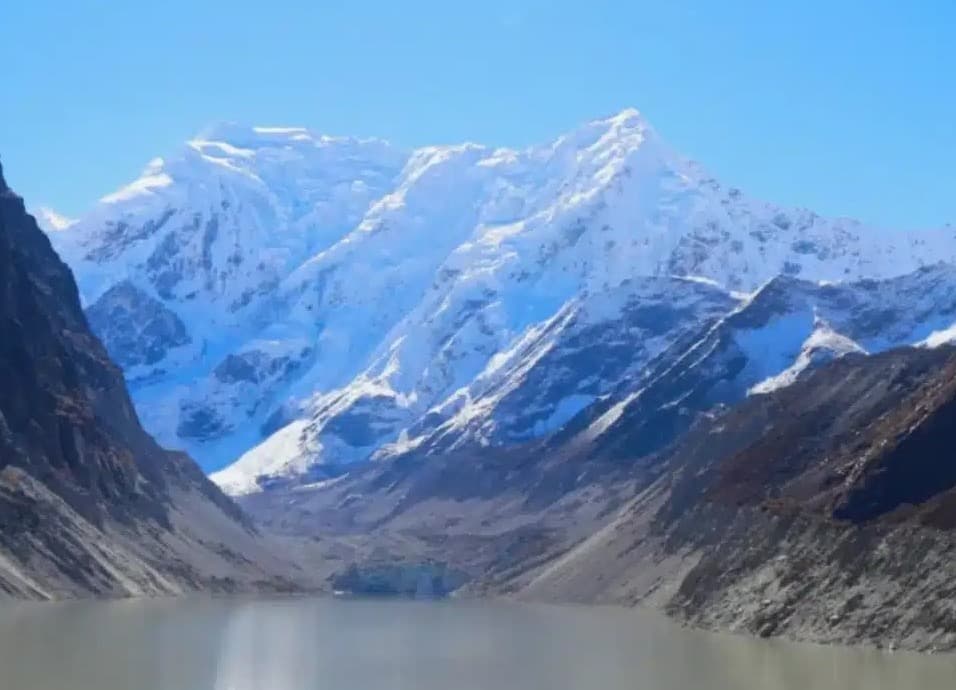
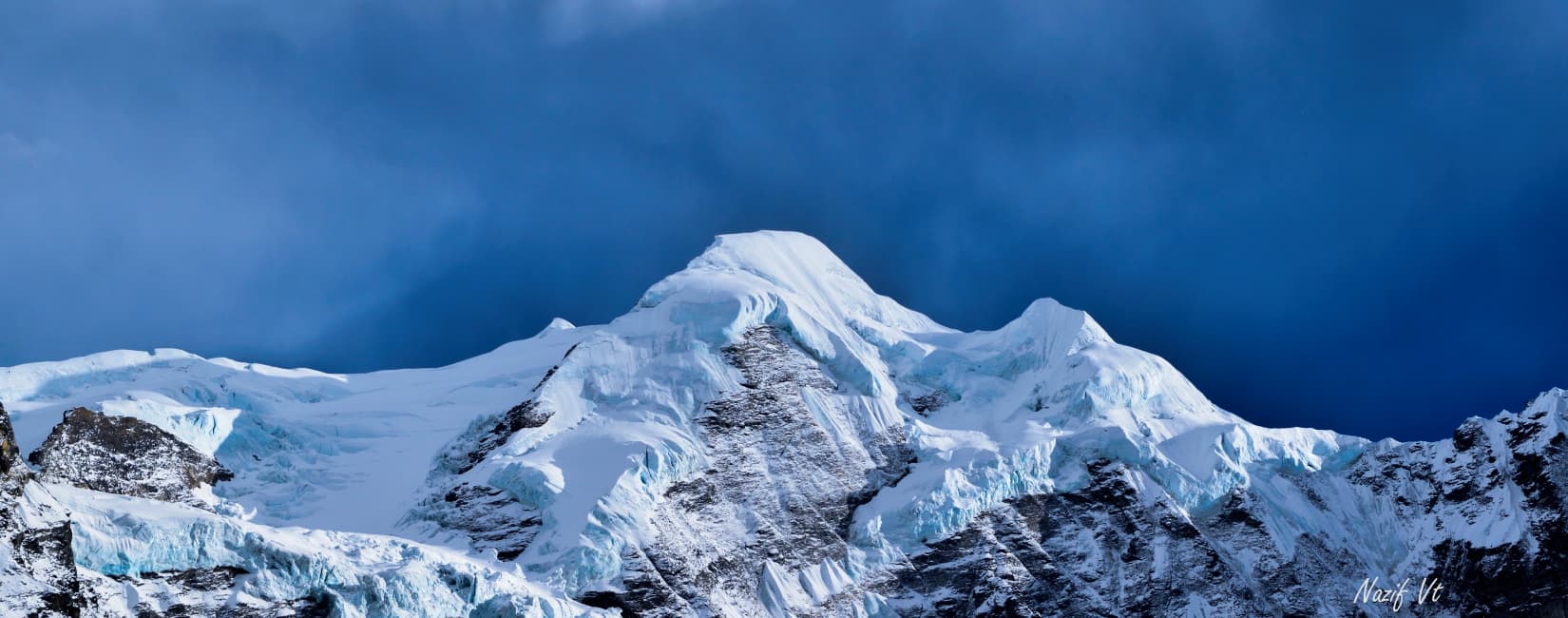
Thinking about climbing Mera Peak in the future? This Mera Peak Climbing Guide will walk you through everything you need to know, from the route and itinerary to cost, difficulty, and preparation.
If you've ever dreamed of standing on a real Himalayan summit without being a hardcore mountaineer, this is where your journey begins. Rising to a height of 6,476 m, Mera Peak is officially the highest trekking peak in Nepal, offering the perfect blend of adventure, challenge, and accessibility.
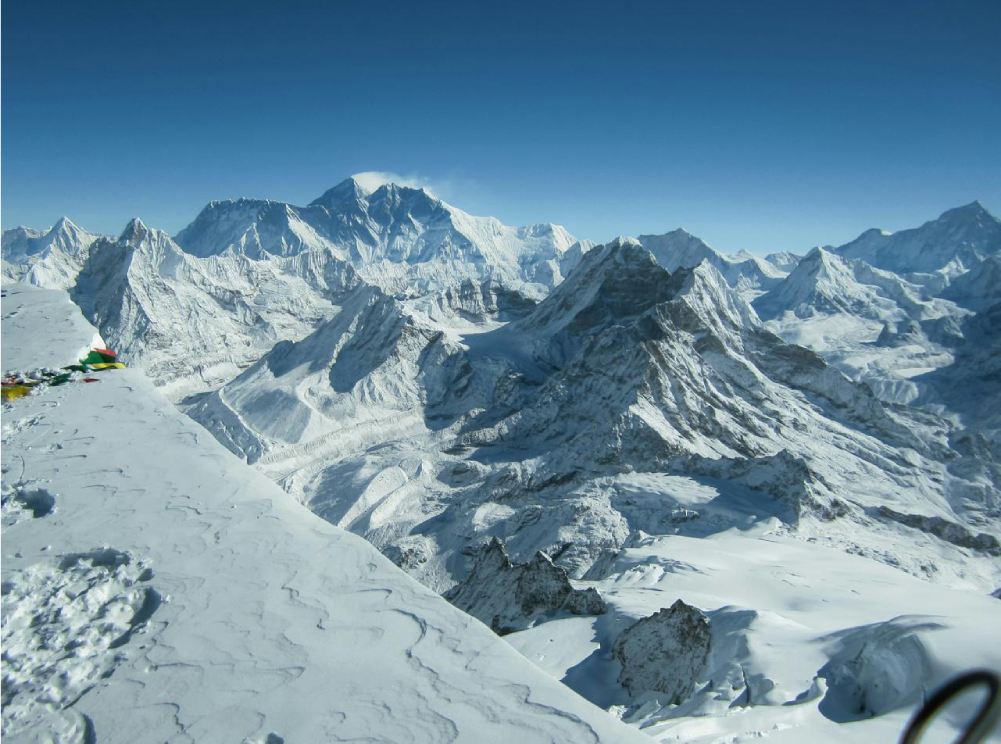
Now imagine this: Stand above with Everest, Makalu, Cho Oyu and Lhotse in one view. That's not just marketing hype, it's one of the rare moments in the Himalayas where you truly feel on top of the world.
What makes this mountain even more special is that you don't need years of technical climbing experience to get there. With the right preparation, a good itinerary, and proper acclimatisation, even first-time climbers can make this dream a reality.
If you're already thinking, “Could I actually do this?”, the answer is probably yes. And our Mera Peak Climbing package is specifically designed for this kind of journey.
Have patience and keep reading the blog. By the end, you can confidently plan your own Mera Peak adventure.
Why Choose Mera Peak Climbing
If you've ever wondered why climbers choose Mera Peak over other Himalayan adventures, you're about to find out. This climb isn't just about getting to 6,476 m; it's about what you see and feel along the way, far from crowded trails and deep in beautiful high‑altitude wilderness.
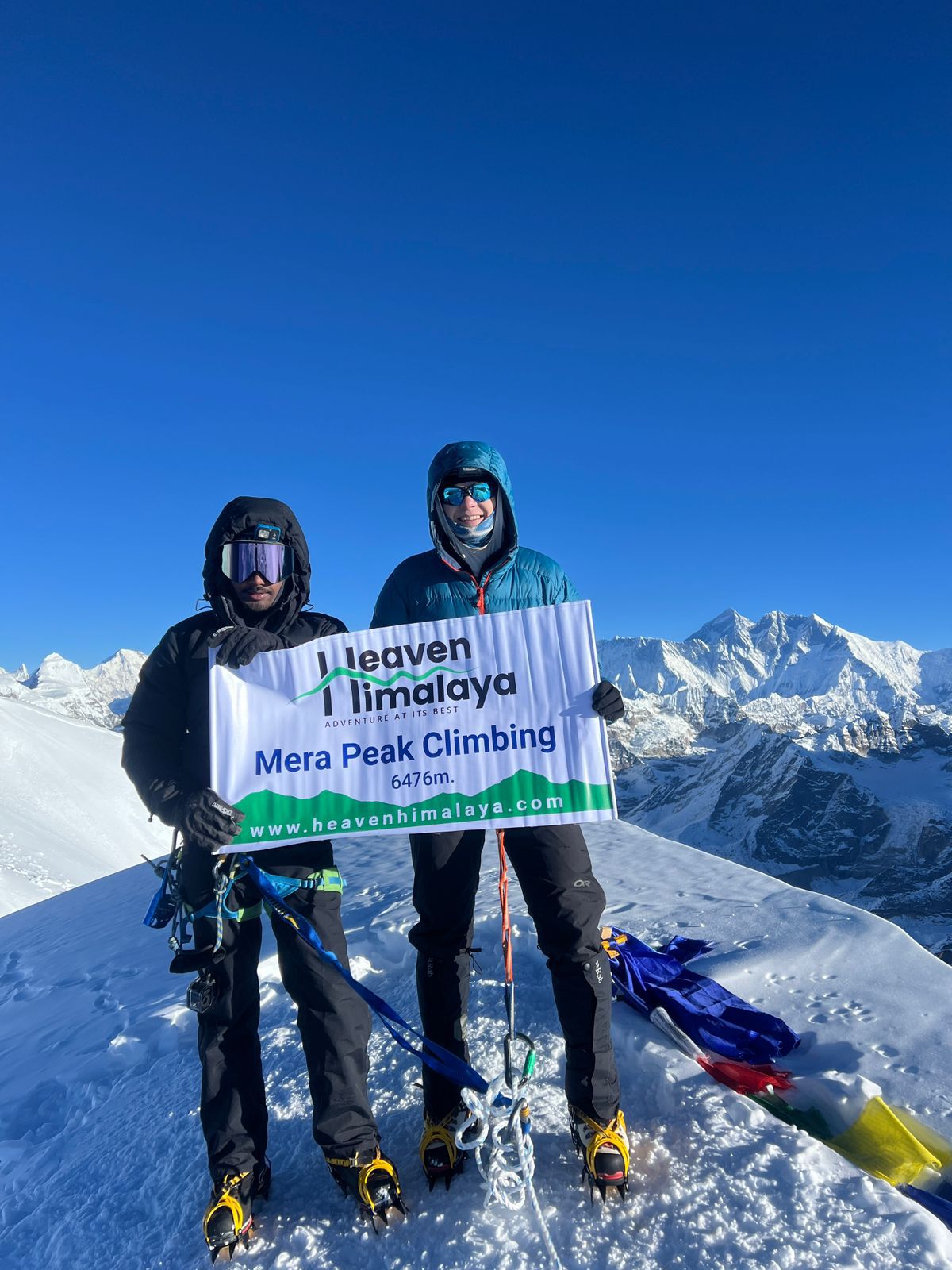
You'll be rewarded with jaw‑dropping views of five 8,000 m giants: Everest, Lhotse, Makalu, Cho Oyu and Kanchenjunga, all visible from the summit, something most treks can't even dream of.
Unlike the busy Everest Base Camp (EBC) route, the trail to Mera Peak cuts through a remote wilderness where you'll often find yourself walking quietly, surrounded by nature and serenity.
This climb combines high-altitude adventure with achievable challenges, giving you the “above the clouds” summit feeling without extreme technical climbing.
You'll enjoy quieter valleys and less crowded campsites, making the entire journey feel more personal and authentic than many other Himalayan experiences.
And let's be honest, nothing beats the sense of pride when you stand on top of Nepal's highest trekking peak and soak in a panorama few people ever get to see.
If this sounds like your kind of adventure, our Mera Peak Climbing package is crafted to take you there with comfort, safety, and the best possible chance of success.
Mera Peak Climbing Route Overview
Before you start planning your climb, it's important to understand how the route for climbing Mera Peak actually flows. The journey is pretty straightforward, but the way it's paced plays a huge role in your safety and summit success.
Classic Route via Lukla (Most Popular)
This is the route most climbers take, and for good reason. You begin with a flight from Kathmandu to Lukla, then gradually trek through beautiful, less-crowded trails into the remote Hinku Valley.
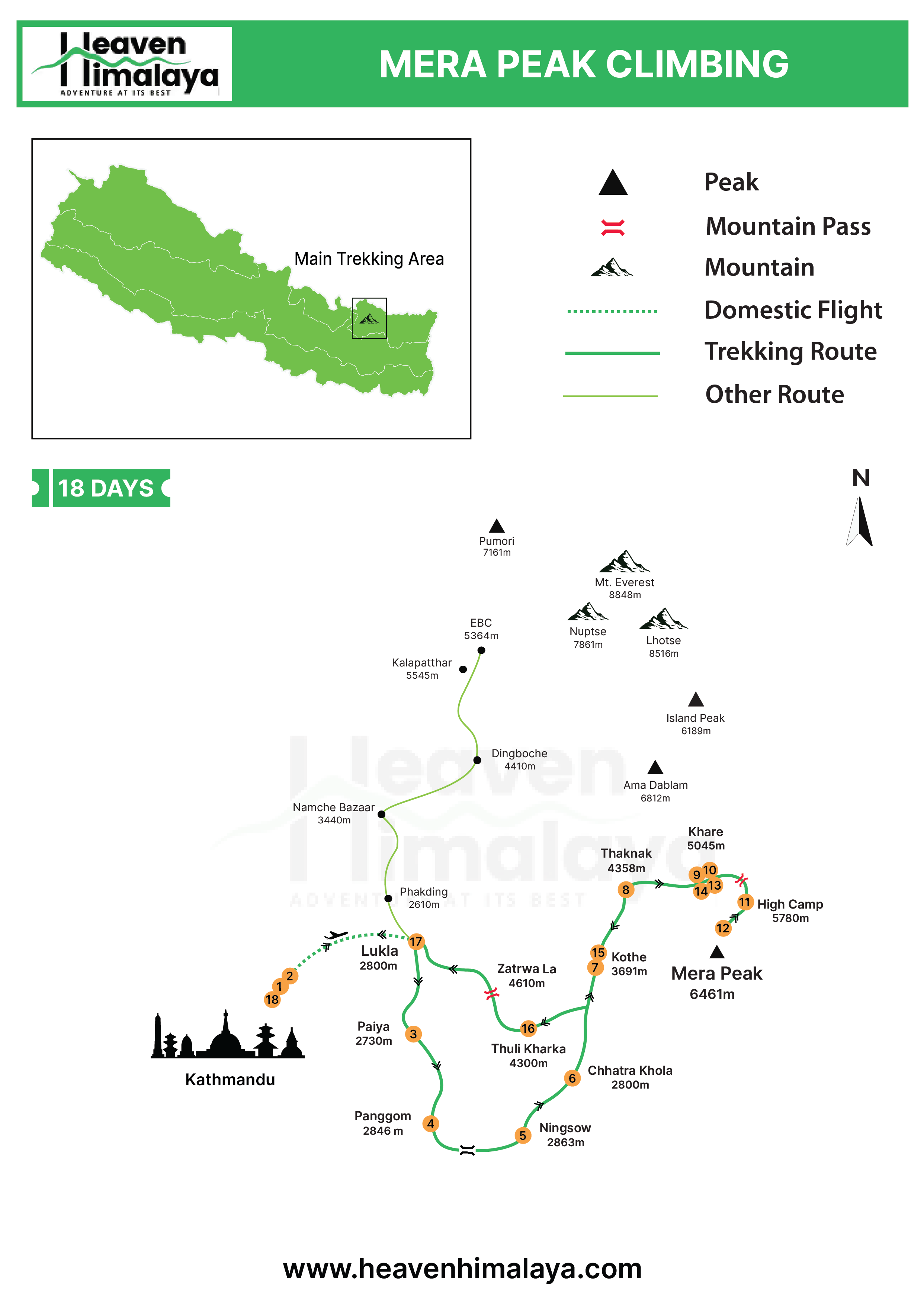
From there, the route follows a steady progression: Lukla to Paiya to Panggom to Ramailo Danda to Khare. The key here is the gradual ascent, which gives your body enough time to adapt to the altitude. It might feel slow at times, but this pacing is exactly what improves your chances of reaching the summit safely.
Alternative Routes (Short & Overland Options)
If you're looking for something a bit different, there are a couple of alternative ways to approach Mera Peak. Some climbers take a shortcut by skipping certain acclimatisation stops (not always recommended), while others go for an overland journey starting from areas like Salleri.
These options can be appealing if you want to avoid flights or explore more of the lower Everest region, but they still eventually connect with the main route near the higher camps.
Key Stops: Khare, High Camp & Summit Push
As you move higher, a few key places define the climb. Khare (around 5,000 m/16404.2 ft) is your main base for acclimatisation and basic training; this is where you'll practice using gear like crampons and ice axes.
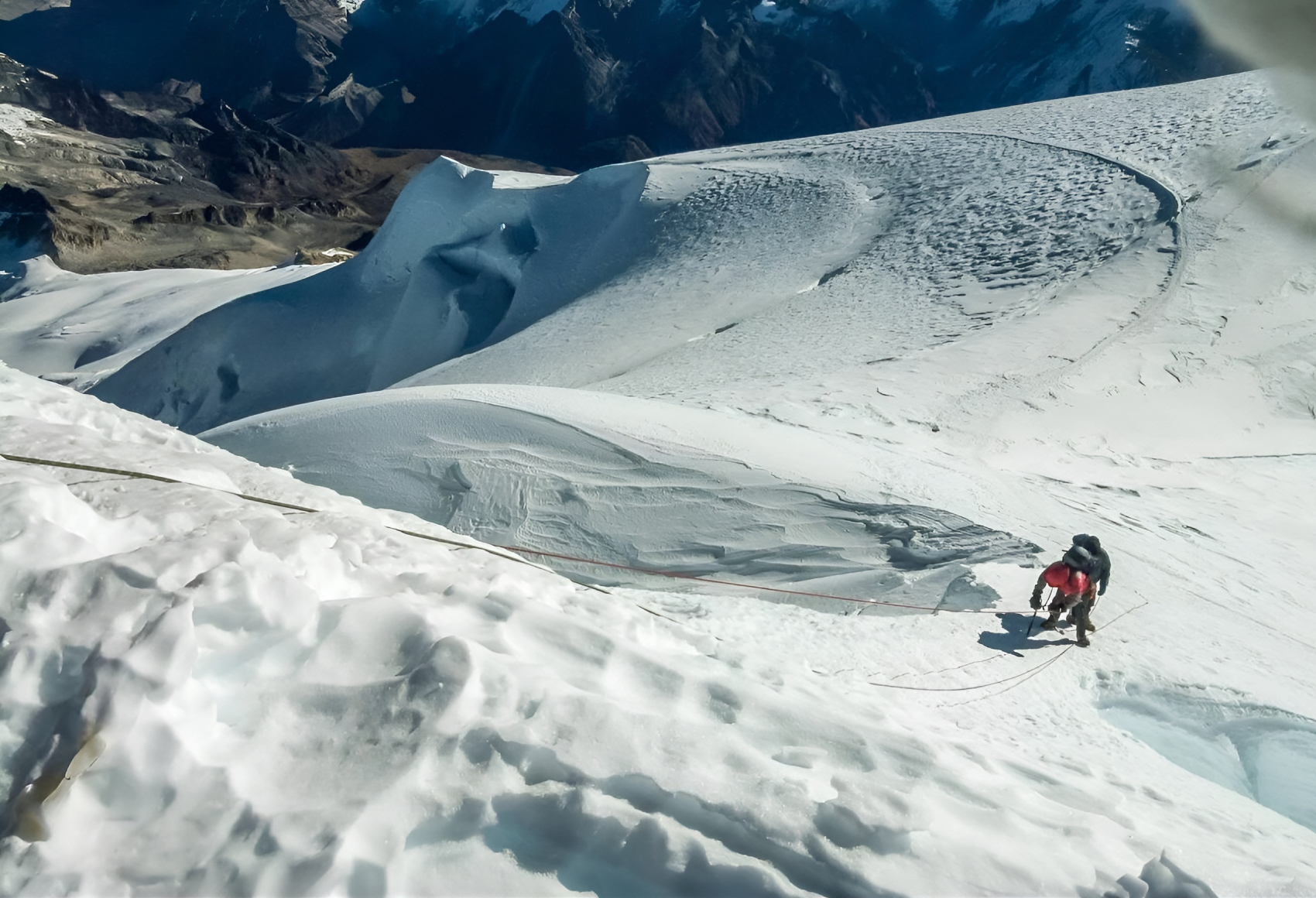
From Khare, you go to high camp, usually on a glacier, where things start to feel more like a real expedition. Then comes the big day, the summit push. Starting early in the dark, you slowly make your way up until you finally reach the top, standing above the clouds with panoramic Himalayan views all around.
Mera Peak Climbing Itinerary (18 Days)
Our Mera Peak itinerary is for a total of 20 days. It is built to offer you the best of both worlds: trekking in the Khumbu region and climbing one of the region’s most famous peaks. The climbing of Mera peak has the advantage of being physically easier than other trekking peaks. Peak climbing, on the other hand, is inherently more physically difficult than trekking.
Your journey to Mera Peak will start on Day 3, as in Day 1 and Day 2 you will be touring around Kathmandu valley. A guided tour of the art historical and cultural sites around Kathmandu city. On Day 3 you will be flying to Lukla from Kathmandu and your trek will start.
The journey up to Mera Peak is such a satisfying hike, with frozen lakes, hanging glaciers, and views that few people ever see. Before climbing Mera Peak you want to collect as much information as you could to be pre-prepared for any situation.
- Day 01: Arrival in Kathmandu (1,400 m/4,593 ft)
- Day 02: Sightseeing tour in Kathmandu
- Day 03: Fly to Lukla & Trek to Paiya (2,730m/8,953ft) – 6 hrs
- Day 04: Trek to Panggom (2,846 m/9,337 ft) – 5/6 hrs
- Day 05: Trek to Ningsow (2,863 m/9,394 ft) – 7/8 hrs
- Day 06: Trek to Chhatra Khola (2,800 m/9,186 ft) – 7/8 hrs
- Day 07: Trek to Kothe (3,550 m/11,745 ft) – 6/7 hrs
- Day 08: Trek to Thaknak (4,350 m/14,272 ft) – 3/4 hrs
- Day 09: Trek to Khare (5,045 m/16,552 ft) – 2/3 hrs
- Day 10: Acclimatisation in Khare (5,045 m/16,552 ft)
- Day 11: Trek to Mera High Camp (5,800 m/19,029 ft) – 6/7 hrs
- Day 12: Summit Mera Peak (6,189 m/20,305 ft) & descend to Khare – 8/9 hrs
- Day 13: Contingency Day
- Day 14: Trek to Kothe (3,550 m/11,745 ft) – 4/5 hrs
- Day 15: Trek to Thuli Kharka (4,300 m/14,108 ft) – 5/6 hrs
- Day 16: Trek to Lukla (2,800 m/9,184 ft) via Zatrwa La Pass (4,610 m/15,125 ft) – 6/7 hrs
- Day 17: Fly to Kathmandu
- Day 18: Departure Day (Farewell)
Mera Peak Climbing Difficulty
Let's be real, this is probably the first thing you're wondering: how hard is it actually? For your kind information, the difficulty of climbing Mera Peak is moderate to challenging. It's very doable, but only with the right preparation and mindset.
Is Mera Peak Suitable For Beginners
Yes, surprisingly, it is. Mera Peak is often considered a non-technical peak in climbing experience, which means you don't need advanced mountaineering skills to reach the top.
That said, “beginner-friendly” doesn't mean easy. You still need good fitness, basic endurance, and the willingness to push yourself for several days at high altitude. If you can handle long trekking days and prepare properly, this climb is absolutely within reach even for first-timers.
Technical Vs Physical Difficulty
Here's the best way to understand it: harder than trekking, easier than technical climbing. Technically, the climb is short. You'll use gear like crampons and ropes, but nothing too complex, and your guide will be there to support you.
Since the snow slopes do not exceed 30 degrees, Mera Peak does not require professional peak climbing experience. There will be fixed ropes and fixed lines to keep you secure. During the climb to the top, you will be following the climbing Sherpa’s orders and footsteps.
Physically, though, it's a different story. You'll be walking for hours each day, often in cold conditions, and the final push to the summit can be long and tiring. So, while it isn't about technical skill, it does demand stamina and determination.
Main Challenge: Altitude
This is the real test. More than anything else, altitude is the biggest challenge on Mera Peak, not the climbing itself.
At 6,476 m, the air is thin, and even simple movement can feel exhausting. That's why a gradual ascent and proper acclimatisation are so important; they give your body time to adjust and greatly improve your chances of success.
Take it slow, listen to your body, and trust the process. That's the key to reaching the summit safely.
Mera Peak Climbing Cost (2026)
When it comes to planning your climb, understanding the Mera Peak climbing cost is a big part of the process. On average, most climbers spend between USD 2,000 and 2,500, depending on the level of service and itinerary you choose and Heaven Himalaya provides top-of-the-line, all-inclusive peak climbing facilities. Climbers don’t have to think about anything with our squad, so they can concentrate entirely on their climbing vacation and the fun that awaits them.
This usually covers the essentials like permits, a licensed guide, Lukla flights, accommodation in teahouses, and meals along the trail. Of course, prices can go higher if you choose more comfort or extra support, but for most people, this range gives a solid, well-supported experience.
If you break it down, a big chunk goes into permits and logistics, followed by your guide and porter support, then flights to Lukla, and finally accommodation and food during the journey. While it might seem like a lot at first, it actually offers great value compared to other Himalayan climbs.
And honestly, going with a well-organised package often saves you from hidden costs and unnecessary stress, especially at high altitude. That's why our 18-day Mera Peak Climbing package is designed to give you the best balance of cost, safety, and overall experience without cutting corners.
Permits Required For Mera Peak Climbing
Getting permits for Mera Peak isn't complicated, but yes, you do need a few of them before starting your climb. The main one is the Mera Peak climbing permit, issued by the Nepal Mountaineering Association (NMA). The cost for the NMA permit varies according to the season.
It lies inside Makalu Barun National Park so therefore requires Makalu Barun National Park Entry Permit and a local municipality permit which can be obtained in Lukla. TIMS is no longer required as it is replaced by the Local Permit.
The good news is you don't really have to stress about the process. These permits are often handled by licensed agencies, so everything is arranged for you in advance. That means less paperwork for you and more focus on enjoying the climb, exactly how it should be.
Best Time For Mera Peak Climb
If you're planning this adventure, choosing the best time for Mera Peak climbing can make a huge difference. In simple terms, the best seasons are Spring (March to May) and Autumn (September to November). These seasons are when you get the most stable weather, clear skies, and the highest chance of reaching the summit safely.
Here's a quick comparison to make it easier:
| Season | What it's like | Why choose it |
| Spring | Warmer temperatures, blooming landscapes | Great for beginners, higher summit success Autumn |
| Autumn | Clear skies, crisp air, amazing visibility | Best mountain views, stable conditions |
Both seasons are ideal, so it really comes down to what you prefer: slightly warmer weather in spring or crystal-clear views in autumn.
Now, about the off-seasons: winter (December to February) and monsoon (June to August). Yes, climbing is still possible, but it gets a lot tougher.
Winter brings extreme cold and heavy snow, while monsoon means rain, slippery trails, and poor visibility. Thus, unless you're experienced and ready for harsher conditions, it's usually better to stick with spring or autumn for a smoother and safer experience.
Training & Preparation
Before you head out for Mera Peak, a little preparation goes a long way. The good news is that it's a non-technical climbing peak. Therefore, you don't need to be a pro, but you do need to be physically and mentally ready.
Start with cardio training, things like hiking, running, cycling, or even stair climbing. The goal is simple: get comfortable moving for hours without getting completely exhausted.
Build your endurance by doing longer hikes, ideally with a backpack. This helps your body adjust to real trekking conditions where you'll be walking day after day.
Practice hiking on uneven terrain whenever you can. Trails, hills, and elevation gain will prepare you way better than just gym workouts.
Learn basic mountaineering skills like using crampons and an ice axe. Don't worry, you'll get training during the climb, but having some familiarity really boosts confidence.
Work on your leg and core strength (squats, lunges, and planks). You'll be carrying gear and climbing uphill for hours, so strong legs make a big difference.
At the end of the day, proper preparation increases summit success rate and honestly, it also makes the whole experience way more enjoyable.
Mera Peak Gear List
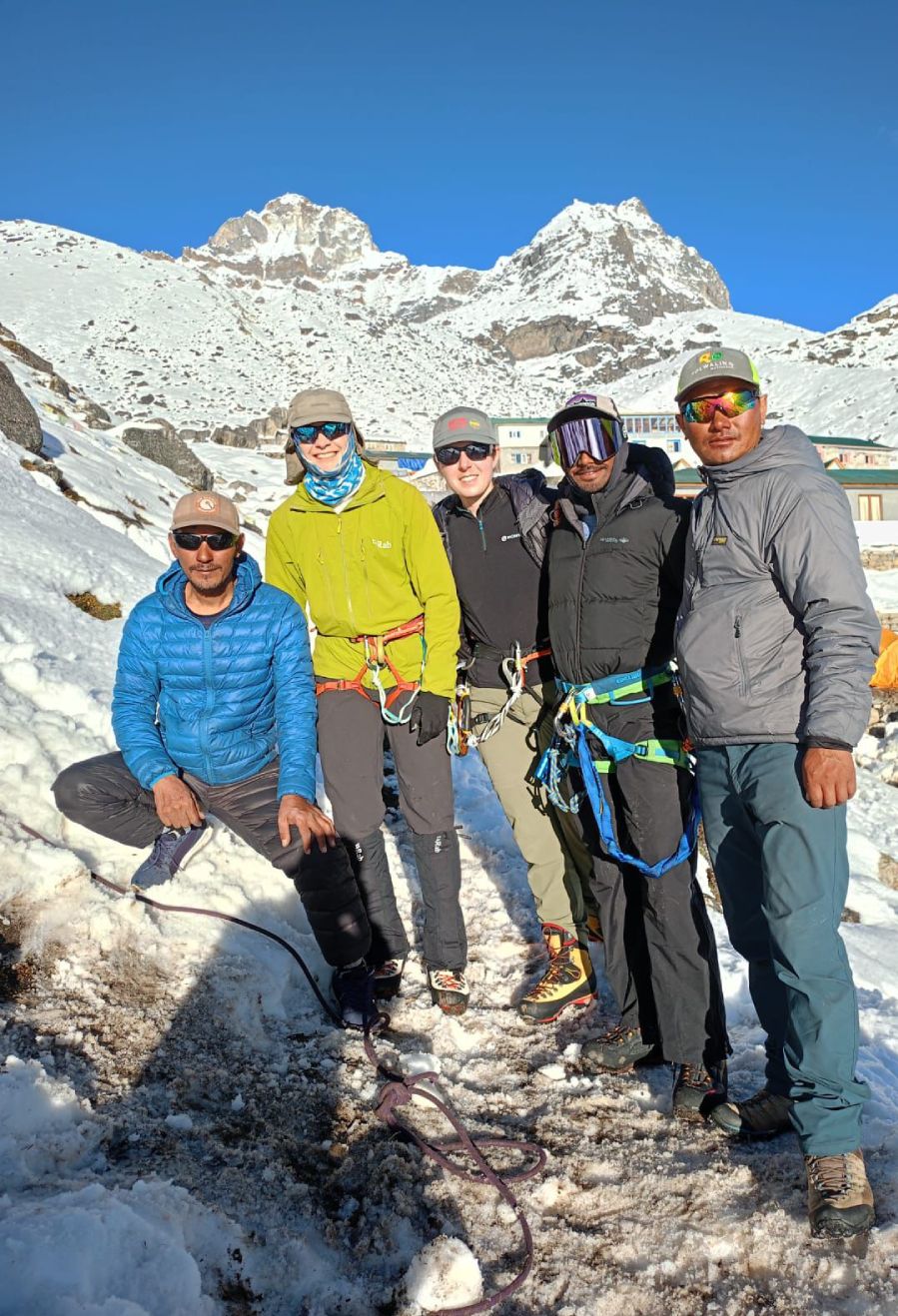
When going on a hike, everybody needs gear, here are some of the most common hiking equipment resources while trekking in Mera Peak.
Trekking & Everyday Gears
- Clothing (Layering Is Everything)
- Thermal base layers (top & bottom)
- Fleece or down jacket + heavy insulated jacket for summit
- Waterproof jacket & pants (wind + snow protection)
- Trekking pants, quick-dry t-shirts
- Warm hat, sun cap, gloves, and thick wool socks
- Trekking poles, backpack + duffel bag
Climbing Gears
- Mountaineering Harness
- Descender, ascender/ Jhumar
- Screwgate Karabiners
- Slings
- Crampons
- Walking Axe
- Harness
- Climbing Helmet
- An altimeter or a GPS Watch
- Mountaineering Boots
- Prussic Loop
- Snow Bars
- Ice Hammer
- Ice Screw
- Ropes
Safety Tips & Altitude Sickness
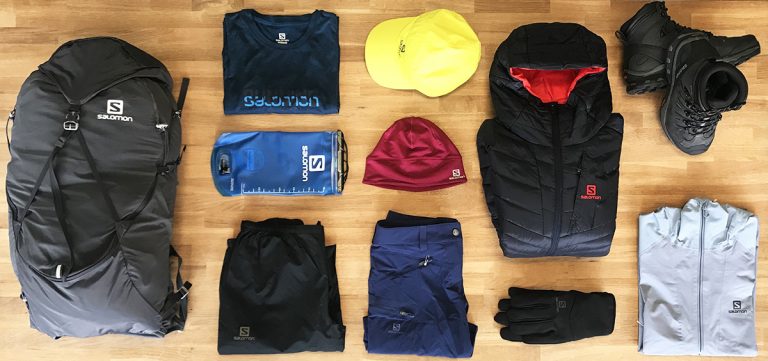
Before you even think about the summit, safety should always come first—especially at high altitude. The truth is, most issues on Mera Peak come from altitude, not the climb itself, so how you manage your body matters a lot.
- Take acclimatisation seriously: This is the most critical factor for a safe and successful climb. A slow, gradual ascent helps your body adjust to lower oxygen levels and reduces the risk of altitude sickness.
- Don't rush, pace yourself: Going too fast is one of the biggest mistakes. A steady pace allows your body time to adapt and keeps your energy levels stable.
- Stay well hydrated: Aim for at least 3 to 4 litres of water a day. Proper hydration supports acclimatization and helps reduce altitude sickness symptoms.
- Listen to your body: Headaches, dizziness, nausea, or unusual fatigue are early warning signs. Don't ignore them. Rest, communicate, and descend if needed.
- Follow your guide's advice: Experienced guides know the mountain, your pace, and when to push or stop. Their decisions can literally make the difference between success and failure.
And most importantly, always climb with experienced guides. It's the safest way to enjoy the journey and reach the summit with confidence.
Conclusion
If you've made it this far, you already know Mera Peak is one of those rare climbs that's beginner‑friendly yet incredibly rewarding, giving you a real Himalayan summit experience with panoramic views and a sense of achievement few treks offer. It's the kind of adventure that stays with you long after you're back home, and with the right preparation and pacing, reaching that 6,476 m top is totally within reach for motivated first‑timers.
Ready to turn this dream into reality? Join our 18‑day Mera Peak Climbing adventure, thoughtfully designed to give you the best acclimatisation, expert support, and summit success rate possible. With limited departures and the best seasons filling up fast, now's the time to lock in your spot before others beat you to it!