Today, in this blog, you're gonna learn about one of the beautiful villages on the Manaslu Circuit Trek, Bhimthang. Knowing about the places you visit or pass through during the trek makes you more interested in going on the adventure or in leaving your comfort zone for a while to test your threshold.
It will also help you prepare for the future journey. If you don't have a basic understanding of the places along the Manaslu Trek or any other trek, you might not feel confident going on it. For that reason, we'll discuss this stunning village's major attractions, altitude, local lifestyle, accommodation, weather, and the best time to visit.
What Is The Altitude Of Bhimthang
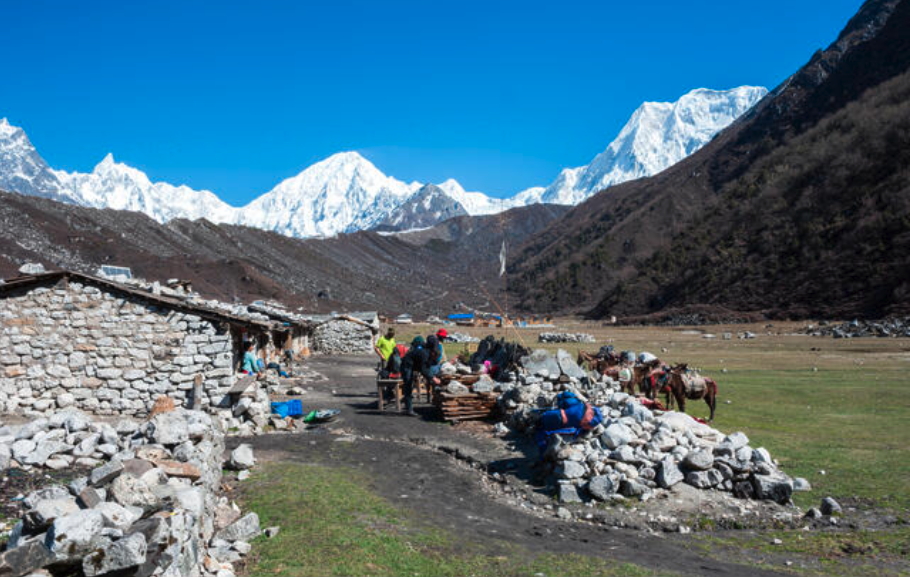
Bhimthang is situated in the Manang District of Gandaki Province, in the Annapurna Region of western Nepal, at an elevation of 3,590 m (11,778 ft) above sea level. It's one of the stopping points on the Manaslu Trek, which comes right after crossing the highest point, Larkya La (Pass, 5,160 m/16,929 ft).
Bhimthang is already above 3,000 m (9,842 ft), which is very high for the people living at sea level. However, to arrive here, you'll need to cross Larke Pass first.
While crossing the pass from Dharmashala (4,450 m/14,599 ft), your body will gradually adjust to the lower air pressure and reduced oxygen levels if you hike slowly. So, you don't need to worry about being affected by altitude sickness after making it up to the village.
Bhimthang Accommodation And Teahouses
There is a good selection of hotels and tea houses in Bhimthang Village. Some of them are the Himalayan View Hotel, Shusma Hotel, and Pokar Ganga.
They all have warm dining halls with wood-burning stoves for heat, twin-sharing rooms, electricity, hot showers, and Wi-Fi for guests. However, they mostly have shared bathrooms and charge a small amount for using hot showers, internet, and charging gadgets.
They're highly concerned about hygiene. Hence, they clean the rooms right after a guest checks out of the hotel. Additionally, they provide enough warm blankets and pillows.
On the menu, you can find a variety of food options, from local dishes like dal bhat, momo, and chowmein to western cuisines like noodles, pizza, and apple pie. Therefore, you don't need to worry about food options. You can have a meal according to your preference.
Culture And Lifestyle In Bhimthang Village
Most of the people in the village are of Tibetan descent. Thus, Buddhism is common here.
Their major festival is Lohsar (Tibetan New Year). Like other communities in Nepal, they celebrate it by playing traditional music, wearing traditional attire, and performing traditional dances.
Besides the hotel business, they're also engaged in agriculture, mainly herding yak, goat, and sheep. In terms of housing, they mostly build traditional stone houses with wooden balconies.
What Are The Major Attractions In Bhimthang Village
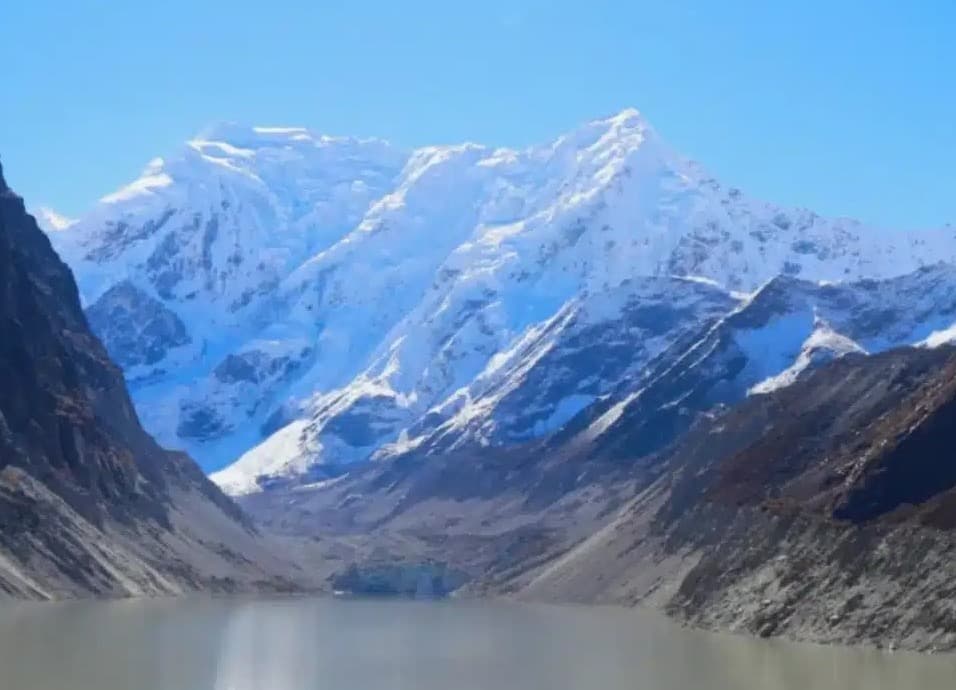
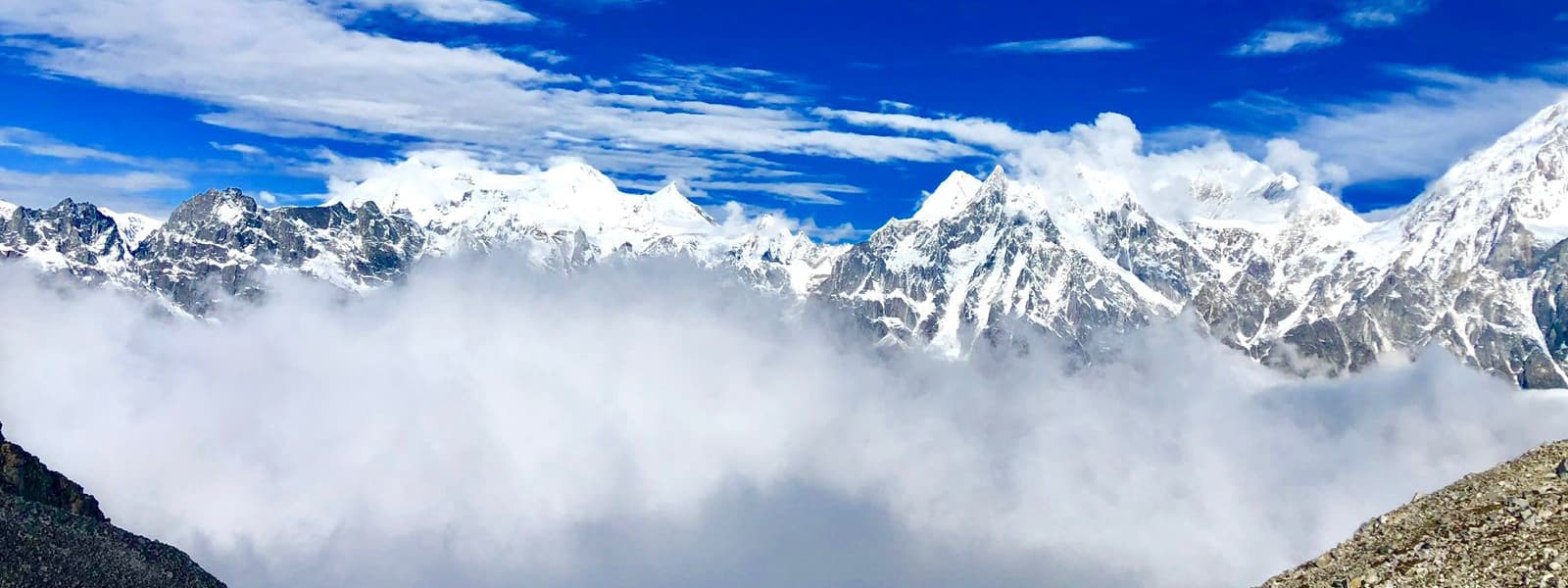
Some major attractions in Bhimtang include the spectacular views of the peaks: Manaslu (8,163 m/26,781 ft), Lamjung Himal (6,983 m/22,910 ft), Larkya Peak (6,416 m/21,049.87 ft), and Cheo Himal(6,820 m/22,375 ft), as well as the glacier lake, known as Ponkar, which makes the village special. Most hikers visit Ponkar Lake at leisure during their night stay in the village.
The lake stands at an elevation of 3,965 m (13,009 ft). It typically takes about a 5-hour round trip from your hotel to the lake and back.
When Is The Best Time To Visit Bhimthang
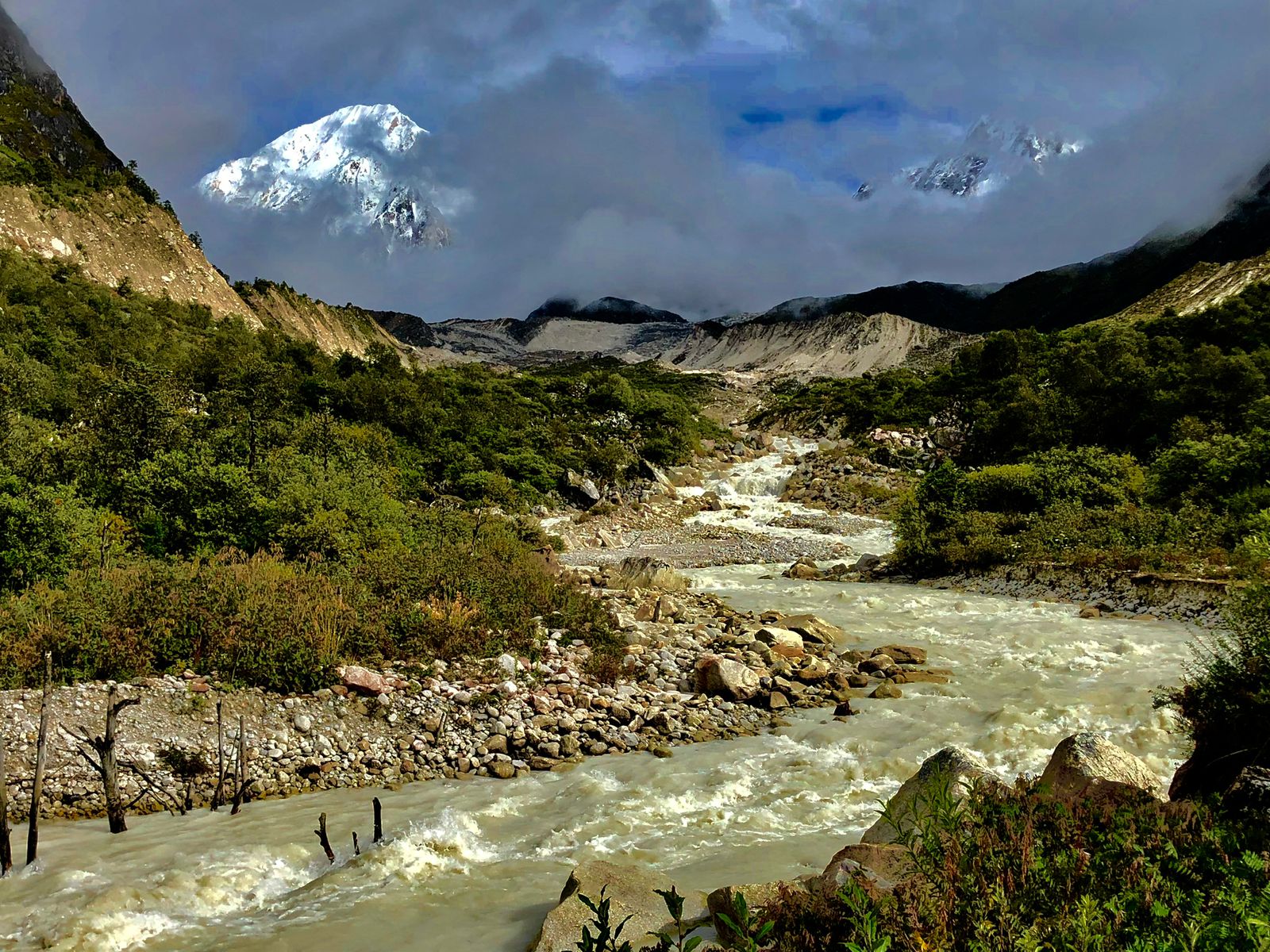
Spring and Autumn are always the best seasons to visit Bhithang Village. Spring includes March, April, and May, whereas autumn includes September, October, and November.
Among these months, April in spring and October in autumn are ideal. Therefore, if you want to make even better memories, then plan your adventure accordingly.
Here is the breakdown of the reasons for considering these two seasons the best time to visit Bhimthang:
Spring
- Mild temperatures make the day warm and the night cool.
- Wildflowers, mainly rhododendron (Nepal's national flower), bloom, giving life to the trail.
- Long daylight hours allow enough time to hike without rushing.
- Comfortable hiking conditions as winter snow and ice on the route melt.
- Clear skies allow a chance to enjoy amazing mountain views.
- All the hotels, lodges, and tea houses in the village stay open.
- Local festivals, Holi (festival of colours), Nepali New Year, and Buddha Jayanti (the lord Buddha's Birthday) add extra joy during the journey.
Autumn
- Stable weather with warm days and cold nights (but manageable with proper winter gear).
- A lower chance of rainfall or snowfall makes the journey safe.
- Monsoon rain washes away all the dust and haze, allowing us to enjoy stunning views of the peaks and lush green landscapes.
- Dry trail makes hiking easy.
- All the hotels, lodges, and tea houses in the village remain open.
- Nepal's biggest festivals, Dashain and Tihar, make your journey more enjoyable as you can celebrate them with the locals.
The other two seasons, winter and monsoon, aren't preferable due to harsh weather conditions. Winter has frigid temperatures, especially at night and early in the morning, while in the monsoon, the risk of landslides, floods, and leech bites is high.
Note: During spring and autumn, accommodations in Bhimthang can fill up quickly sometimes, due to the flow of tourists. Hence, it's wise to prebook.
Bhimthang Climate Guide
| Season | Average Daytime Temp. | Average Nighttime/Early Morning Temp. | Note |
| Winter (December to February) | 0°C to 5°C | -10°C and lower | Freezing conditions, snowfall is expected, and limited service is available. |
| Spring (March to May) | 5°C to 15°C | 0°C to below °C | Mild temperatures with warm days and cool nights; might experience snowfall in early spring. |
| Monsoon (June to August) | 10°C to 20°C | 5°C to 10°C | Not preferable for trekking due to heavy rain, making the trail muddy and slippery, high risk of natural disasters, and danger of leeches and other insect bites in the grassy area. |
| Autumn (September to November) | 5°C to 15°C | -5°C to 5°C | Stable weather, dry trails, and clear mountain views |