Are you curious and searching for the best time to trek the Manaslu Circuit for better results? As an adventure enthusiast, it's essential to understand such things when planning to go on either this trek or any other in the world.
This is because timing and season matter. They play a significant role in outdoor recreational activities. No matter how difficult the trek or how beautiful the destination, if you're trekking at the wrong time, your expectations won't be met.
Even if the journey is easy, it'll become challenging when you trek at the wrong time. Regarding the difficulty of the Manaslu Trek, it's already a challenging trip.
Therefore, when planning this adventure, your first concern should be the best season, I reckon. It'll also be easy for you to go further with the plan accordingly.
It isn't only essential for beginners, but also for experienced hikers. And not only for panoramic mountain views, but also for a safe and comfortable journey. So, choosing the right time of year for trekking the Manaslu Circuit makes all the difference.
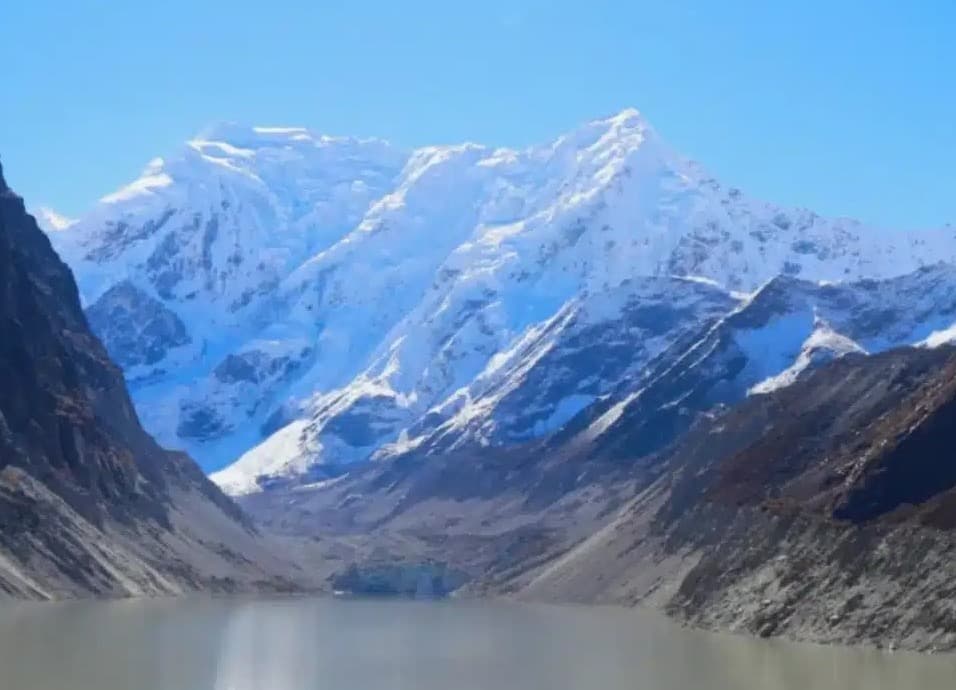
The right season allows you to cross the highest point, Larkya La (also known as Larke Pass, 5,106 m/16,752 ft), safely. Additionally, capture the peaks of the Mansiri Range, including the world's 8th highest mountain, Manaslu (8,163 m/26,781 ft) and other neighbouring peaks during the trek, such as:
- Himalchuli (7,893 m/25,896 ft)
- Ngadi Chuli (7,871 m/25,823 ft)
- Thulagi Chuli (7,059 m/23,159.45 ft), and more.
By the end of this blog, you will be thoroughly aware of the best trekking season and also the off-season. Just keep reading and enjoy your adventure to the fullest in the near future.
When is the Best Time to Trek The Manaslu Circuit
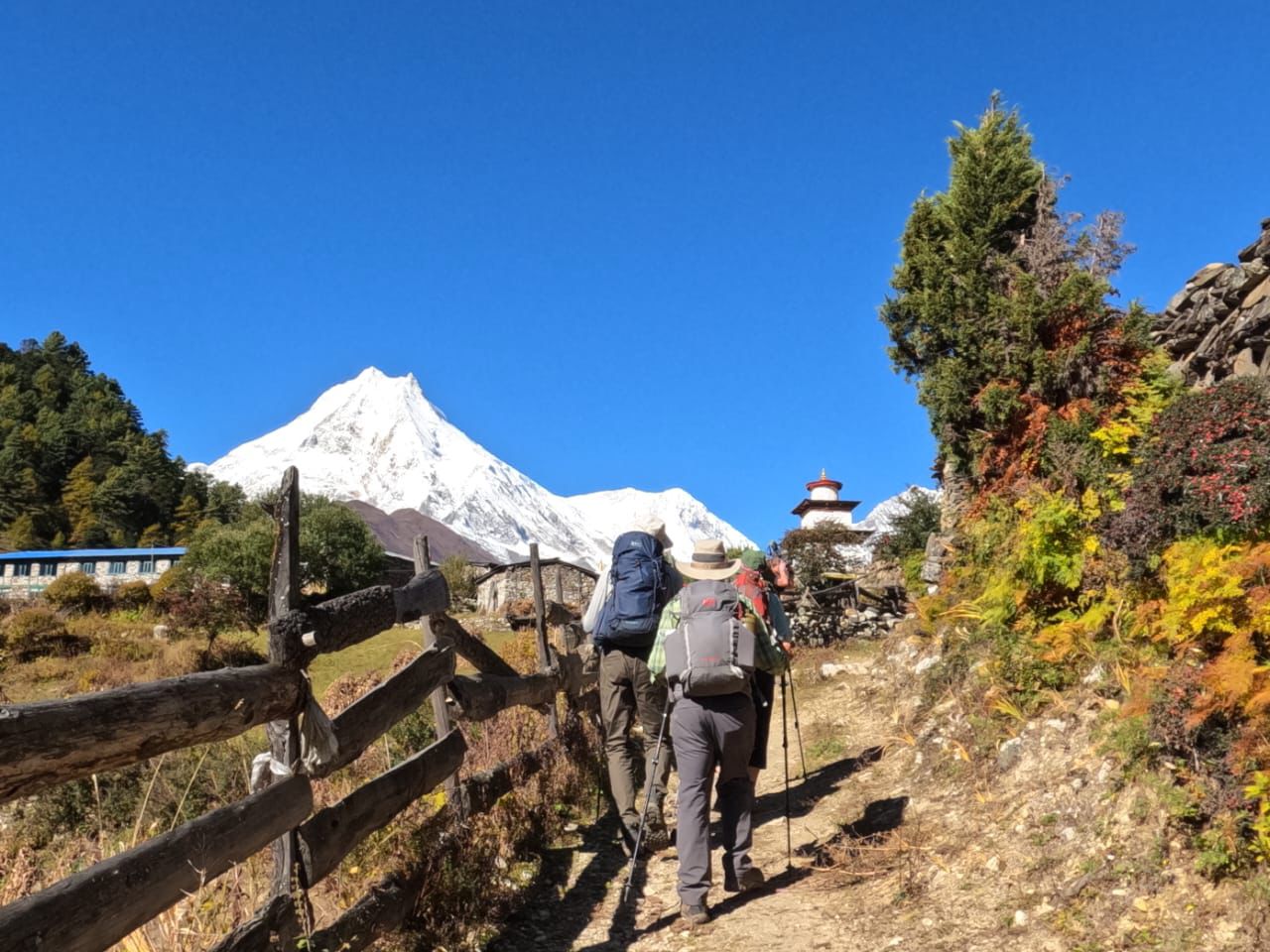
Spring and autumn are always considered the best times for the Manaslu Circuit Trek. Speaking of months, spring consists of March, April, and May, and autumn consists of September, October, and November. These seasons have favourable weather most of the time.
The other two winter months (December, January, and February) and monsoon months (June, July, and August) are the off-seasons for trekking. These two aren't recommended because they've harsh weather and temperatures. In the sections below, you will learn why two seasons are the best time, and the rest are the off-season, with pros and cons.
Why Spring Is Great For Manaslu Circuit Trek
Spring is one of the ideal times for the Manaslu Trek for several reasons, such as follows:
- Surroundings look fresh and alive, greenery everywhere, and offer panoramic mountain views.
- Blooming rhododendron (Nepal's national flower) and other wildflowers give the trail a life by painting it with their colours.
- Compared to summer and winter, days aren't too hot and nights aren't frigid, providing a comfortable environment for hiking.
- Availability of accommodation along the trail, as all the tea houses and lodges are open for service.
- Local festivals such as Holi (festival of colours), Nepali New Year, and Buddha Purnima (the birthday of Lord Buddha) add an extra vibe of joy to the journey.
- Longer daylight hours allow you to hike without rushing.
Above are the pros, and along with them, the season also has a few cons. They are as follows:
- The route mostly gets crowded.
- Hotels can get packed sometimes, making it difficult to find a room for an overnight stay if you haven't already pre-booked.
- Little rainfall is expected in May afternoons.
Why Autumn Is The Best Season For Manaslu Trek
Autumn is another perfect time for trekking the Manaslu Circuit due to the following reasons:
- Monsoon rain washes away all the dust and haze, clearing the skies and giving good visibility of the Mansiri Range.
- The weather is mostly stable, with warm days and cold nights (but manageable).
- Very little chance of rain, making the journey safe and easier.
- Chance to experience the vibe of Nepal's biggest festivals, Dashain and Tihar, during the adventure.
These are the pros. However, there are also a few cons you should know. During the season, you might face the same problem, like in the spring, and with rainfall in September.
Can You Trek Manaslu Circuit In Winter
Even though winter is among the off-seasons for trekking, it doesn't mean you cannot trek in the Manaslu Region during this time, or that it's impossible to do so. It depends on the month and how experienced a hiker you are.
If you're a first-timer, you shouldn't plan this trip in winter. Anyway, if you're experienced, you can plan for it.
You already know that each season consists of three months, so does winter. If you want to do this adventure at this time of year, then early December would be nice. After that, the period of heavy snowfall begins in the region, causing nights to become extremely cold, and this poses a high risk.
Below are the reasons why winter is off-season for trekking the Manaslu Circuit:
- The temperatures are frigid, mainly at night and early in the morning, in the upper sections of the trail, posing risks of hypothermia, frostbite, etc.
- Because of snow and ice, mostly around the Larke Pass, the route becomes muddy and slippery, which can lead to accidents or injuries.
- Cold weather makes you less likely to drink water, which can lead to dehydration later and increase the risk of altitude sickness.
- Not all, but most hotels and tea houses along the way may stay closed.
Despite having mostly cons, winter also has some pros. They are:
- Offers the chance to witness the real face of the Himalayas when the sun is up and bright.
- Fewer crowds on the trail allow you to enjoy the journey peacefully.
Is Monsoon Trekking On Manaslu Circuit Possible
Doing the Manaslu Trek in the monsoon isn't a matter of possible or impossible. I don't say it's impossible, but this season is something that no expert wants to recommend.
It's a matter of facing the level of trouble, risk, and challenges during trekking. And the rainy season poses even more risk than winter.
Trekking on the Manaslu Circuit during the monsoon is dangerous even for experienced hikers. For beginners, it's far from being things.
The following are the reasons behind considering the monsoon the off-season:
- Unstable weather, frequent heavy rainfall in the lower and mid-sections most of the time, leads to snowfall in the upper areas.
- Due to frequent heavy rainfall, natural disasters such as floods and landslides are highly expected to occur along the route.
- In grassy areas, the risk of leech and other wild insect bites is common.
- Like in winter, most hotels and tea houses along the trail may not be open.
- However, there are still some pros, although they're fewer for this trek in the rainy season:
- Pure green landscapes when it isn't pouring, providing you with a moment for a photo session.
- No traffic on the trail like in winter.
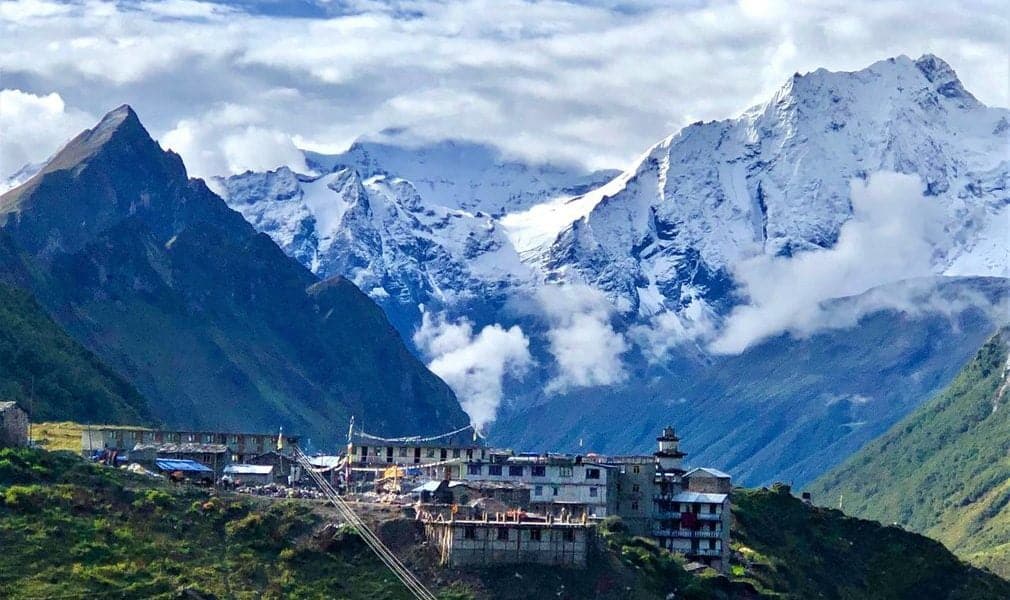
Season-By-Season Weather On The Manaslu Circuit
Winter
| Trek Section | Approx Day Temp | Approx Night/Early Morning Temp | Notes |
| Lower (700 to 2,500 m) | 4 to 10°C (some sources claim: 5 to 15°C | 0 to -5°C | Cold but lower parts are manageable. Not all, but some hotels remain open. However, frigid temperatures and snowfall at higher elevations are expected. |
| Mid (2,500 to 3,800 m) | 3 to 10°C (when the sun is bright) | -5 to -2°C (temperatures may drop at night) | Expect snowfall and demanding hiking conditions. Risky to walk without proper gear in the upper sections. |
| Upper (3,800 to 5,150 m) | 0 to 5°C (on sunny days) | -10 to -20°C (or even below near passes) | The route surely gets covered with snow, making trekking conditions extreme and not suitable for beginners and even for experienced hikers sometimes. |
Spring
| Trek Section | Approx Day Temp | Approx Night/Early Morning Temp | Notes |
| Lower (700 to 2,500 m) | 10 to 12°C | 5 to 10°C | Mild temperatures, clear skies, rhododendron and other wildflowers bloom. Perfect for hiking and mountain views. |
| Mid (2,500 to 3,800 m) | 5 to 15°C (when the sun is bright) | -5 to 0°C (particularly in early spring) | Pleasant hiking conditions, cool nights, and warm clothes are needed. |
| Upper (3,800 to 5,150 m) | -2 to 5-10°C (in good daytime) | -10 to -5°C (colder near passes is expected) | Little snow and icy trails are possible in early March. So, winter gear is needed. But the mountain views are clear. |
Monsoon
| Trek Section | Approx. Day Temp | Approx. Night/Early Morning Temp | Notes |
| Lower (700 to 2,500 m) | 15 to 25°C | Usually above 10°C (humid) | Cloudy skies, heavy rainfall, muddy and slippery paths, leeches and other insects in the grassy areas, danger of landslide and flood, and mostly poor visibility. |
| Mid (2,500 to 3,800 m) | 10 to 20°C (when the sky is clear) | 5 to 10°C (possibly cold due to rain) | Unclear skies, rain, a high chance of landslides, and slippery trails make hiking challenging. |
| Upper (3,800 to 5,150 m) | 0 to 10°C (on good days) | 0 to 5°C (cold nights are expected) | Foggy surroundings, wet or slippery routes, and unclear mountain views. |
Autumn
| Trek Section | Approx Day Temp | Approx Night/Early Morning Temp | Notes |
| Lower (700 to 2,500 m) | 10 to 18°C (some sources claim 20 to 25 °C) | 5 to 15°C | No dust and pollution, perfect visibility, and the best time for hiking. |
| Mid (2,500 to 3,800 m) | 5 to 15°C | 0 to 5°C (can be freezing at night) | Stable weather, dry paths, good conditions for passing the Larke La. |
| Upper (3,800 to 5,150 m) | -5 to 10°C (varies depending on sun exposure) | -5 to -10°C (nights are often frigid) | Clear mountain views and the safest time to cross high passes. However, nights are freezing, meaning winter gear is most needed. |
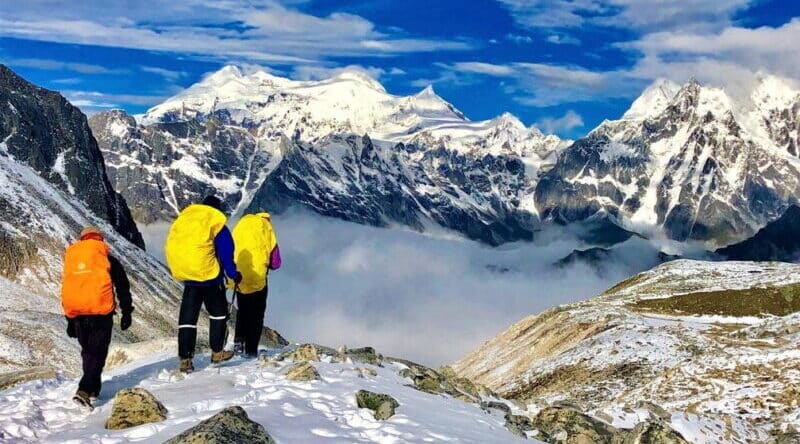 Into the snow, together
When To Trek Manaslu Circuit
As we discussed above, the best seasons for the Manaslu Trek are spring and autumn. You can choose either of these seasons for this trip. Both offer spectacular views of mountains and landscapes in their own way.
Both consist of 3 months. Spring has March, April, and May, whereas autumn has September, October, and November. Now you might be thinking which month in spring and autumn offers the best things out of all.
If you plan to stroll around the Manaslu Region in spring, April is the ideal month for that. On the other hand, if you want to go in autumn, October is the month.
Below is a breakdown of why April in spring and October in autumn are suitable for trekking the Manaslu Circuit, among the other months:
April - Spring In Full Bloom & Clear Skies
- Winter is completely gone, with no snow or ice on the trail.
- The weather is comfortable for travelling, neither too cold nor too hot.
- Days are warm and nights are cool.
- Daytime temperatures in the lower and mid parts are usually around 15°C, making it comfortable for hiking. While in the upper sections, it's around 5 to 10°C, which is cooler but manageable.
- Very little chance of rainfall or snowfall.
- Wildflowers, mainly rhododendrons, bloom, and villages along the trail also turn thoroughly green.
- Skies are completely clear, offering stunning views of Manaslu and other peaks in the Mansiri Range.
- The Nepali New Year falls in this month.
October - Post-Monsoon Clarity & Dry Trails
- Monsoon completely vanishes, and winter is halfway through.
- The weather is stable with pleasant daytime temperatures, making hiking comfortable. Nights can be cold (especially at the upper sections), yet manageable with good gear.
- Daytime temperatures in the lower and mid-sections are roughly 15 to 20°C and 10 to 14°C, respectively. In the upper areas, nights tend to reach -5 to -10°C.
- The trails often stay dry and safe, making it easy to cross the Larkya La.
- Nepal's major festivals, Dashain and Tihar, generally fall in this month.
- Mountain views are clearly visible and ideal for photos.
Why Does Choosing The Right Time Matter
We have four seasons in a year: winter (December to February), spring (March to May), monsoon (June to August), and autumn (September to November). Not all of these seasons are ideal for the Manaslu Trek or any other.
Actually, these four seasons offer the beauty of nature in its own way. But in terms of the best time for trekking the Manaslu Circuit, only spring and autumn are ideal, as stated above.
These two times of year are mostly safe, as they have stable weather compared to winter and the monsoon, making crossing the Larke Pass easy. Moreover, hotel businesses remain fully operational, providing you with a hygienic room, food, and warm blankets for the night.
But the thing is, even within these seasons, you should still be aware of the months for this trek. The perfect months are April in the spring and October in autumn.
Even in spring and autumn, there's a high chance of snow and rain, as they're post-winter and post-monsoon, respectively. During spring, March can still see occasional snow, and the chance of a rain shower is high after midday in May. It is not as extreme as during the monsoon, but light rainfall can still happen.
During autumn, some monsoon rain may still linger in September. In November, nights and early mornings get noticeably colder, especially in the upper sections of the trek, almost like in winter.
About winter and monsoon, the weather is mostly bad and harsh, mainly during the monsoon. If the skies are clear, you'll be able to see the best mountain views.
However, the sky often remains cloudy, which makes the surroundings foggy and blocks the views. Also, accommodation facilities along the trail are limited, as most hotels and tea houses stay closed.
Hence, choosing the right time always matters when it comes to adventure. And the right times are April and October. These two months let you enjoy your trip to the fullest and make it unforgettable.
Season-Wise Packing List For Manaslu Circuit
Common Gear Across Season
- Waterproof hiking shoes with ankle support.
- A backpack (minimum 55L).
- Duffle bag (minimum 60L) for porter load.
- Toiletries, such as sunscreen (minimum SPF 50+), soap, toothbrush and paste, body lotion, lip balm, etc.
- Water bottle + water purification tablets or filter.
- Trekking poles.
- Headlamp with spare batteries.
- Power bank.
- First-aid kit.
- UV protection sunglasses.
- A cap for hiking and a warm hat for the night.
- Sporty (quick-dry) towel.
- Down Jacket rated for a minimum of -15°C.
- Buff mask.
- High-neck sweater.
- Thermocoat.
- Insulated gloves
What To Pack For Winter
In addition to common items:
- Down pants, especially for an overnight stay in the upper areas.
- Gaiters and micro-spikes or crampons to protect shoes from snow and avoid slipping on icy trails.
- Sleeping bag rated for a minimum of -15°C (just in case blankets in tea houses aren't enough).
- Down gloves.
What To Pack For Spring
In addition to common items:
- Moisture-wicking base layers for top and bottom.
- Waterproof/windproof jacket for a day hike.
- Light gloves.
- Boot gaiter and micro-spikes (in case of snow/ice still on the trail to high passes), especially if trekking in early March.
- Extra pairs of socks.
What To Pack For Autumn
In addition to common items:
- Raincoat (Rainfall happens occasionally).
- Rain cover for a backpack.
- Thermal socks for an overnight stay at the upper sections.
What To Pack For Monsoon
In addition to common items:
- Raincoat.
- Rain cover for a backpack.
- Waterproof bag to protect electronic devices and important documents.
- Moisture-wicking base layers and extra clothes for constant wet circumstances.
- Gaiters to protect shoes from getting wet in the rain.
- Insect repellent to avoid leeches and other insects.