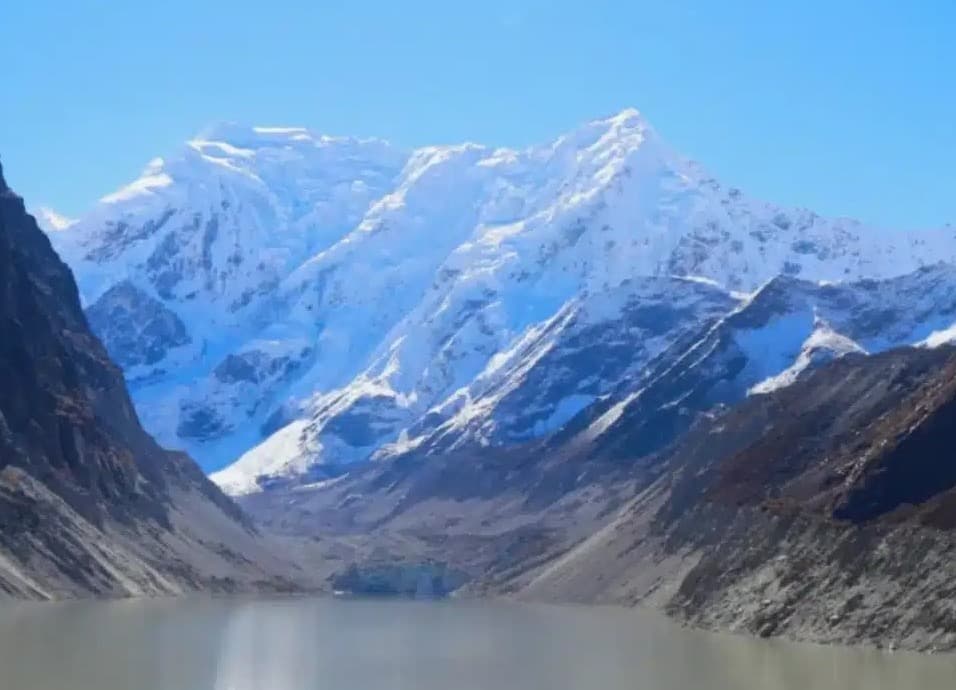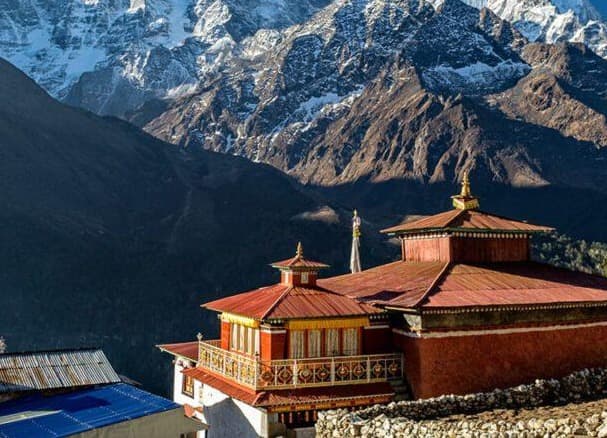

Understanding the best time for Mardi Himal Trek is crucial when planning this adventure for the future. You know what? Seasons play a vital role in making your travel successful, as each has its own features and beauty.
We all know clearly that the weather acts differently in each season. Sometimes it's favourable, then sometimes harsh in conditions.
If you plan to trek to Mardi Himal in the near future, then I reckon you've come to the right place. By the end of this blog, you'll understand when to go out on a nature hike for better outcomes. We'll discuss each season's pros and cons and why the particular season is considered the best time of year for this adventure or others.
Okay, there are four seasons in a year: winter, spring, monsoon, and autumn. Among them, two are recognised as the ideal season for trekking, and the others are off-season.
But it doesn't mean that you can't or aren't allowed to do this trek during the off-season. Nevertheless, to ensure safety and meet your expectations, you should always aim to travel during the time of year that is most worthwhile. So, stick with me till the end and let's discover the best season for this thing together.
When Is The Best Time For Mardi Himal Trek
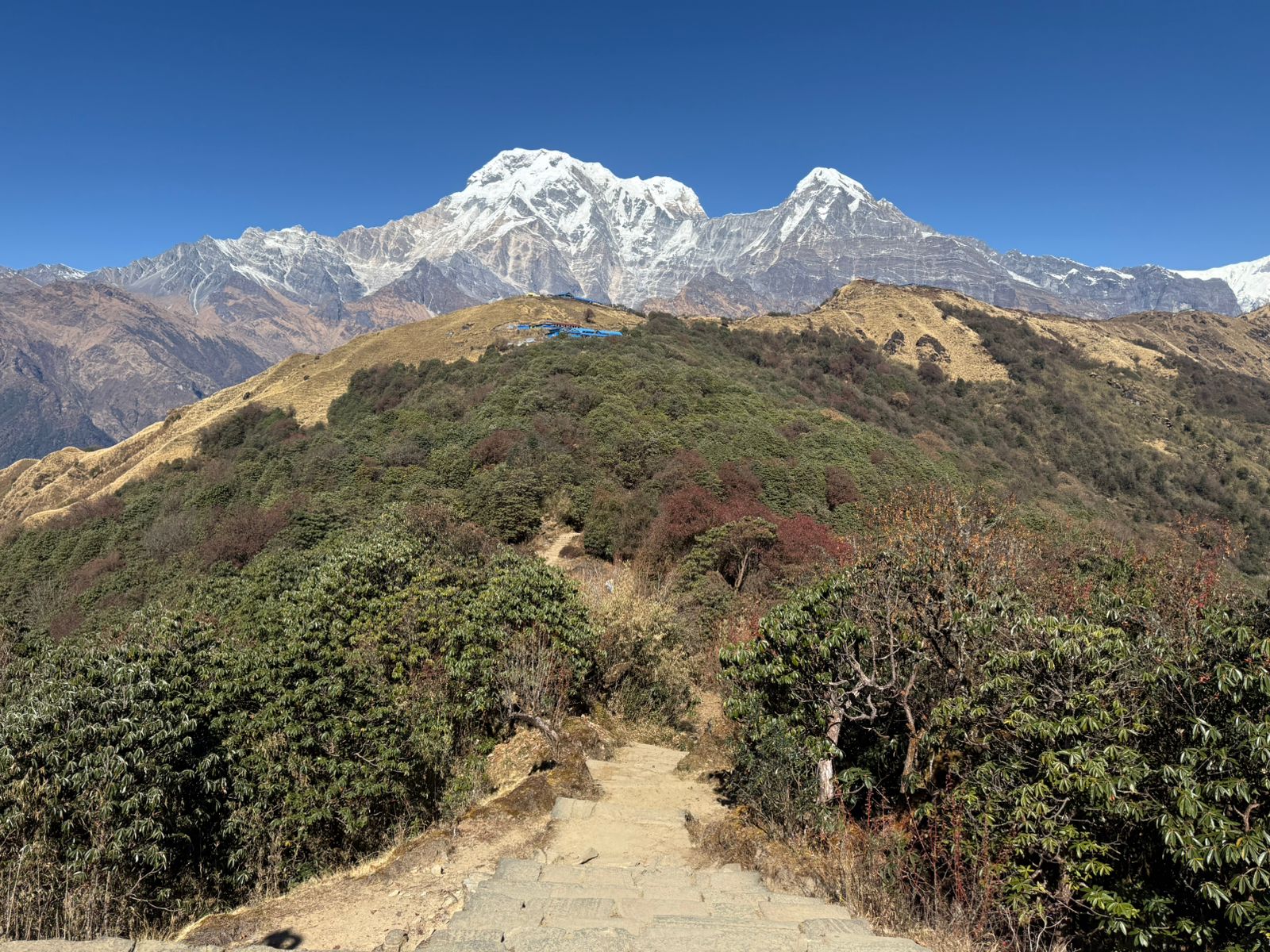
Regarding the best time to trek Mardi Himal, spring (March, April, and May) and autumn (September, October, and November) are the seasons with potential to offer spectacular views of the peaks in the Annapurna Range. Mainly Mardi Himal (Peak), which sits at an altitude of 5,587 m (18,330 ft), just right below Machhapuchhre (Mt. Fishtail, 6,993 m/22,943 ft) and the other peaks that are visible from the viewpoint and the base camp are as follows:
- Annapurna South (7,219 m/23,684.38 ft)
- Hiunchuli (6,441 m/21,131.89 ft)
- Gangapurna (7,455 m/24,458.66 ft)
- Himalchuli (7,893 m/25,895.67 ft)
Besides the mountain views, these two seasons also offer the best views of the village, valley, and hills and let you explore the area to the fullest without any fear of facing natural disasters, such as floods and landslides along the trail.
The other remaining seasons, winter (December, January, and February) and monsoon (June, July, and August), are considered the off-seasons for trekking to Mardi Himal. Going on a nature hike during these times of the year can be difficult. These seasons may put you at a higher risk, with a lesser chance of enjoying the mountain views and a greater chance of facing nature-related issues.
In the sections below, you'll know why spring and autumn are the best seasons for the Mardi Himal Trek and winter and monsoon are not. They all have both pros and cons. Nevertheless, the best seasons have more pros and fewer cons, while the off-seasons have the opposite.
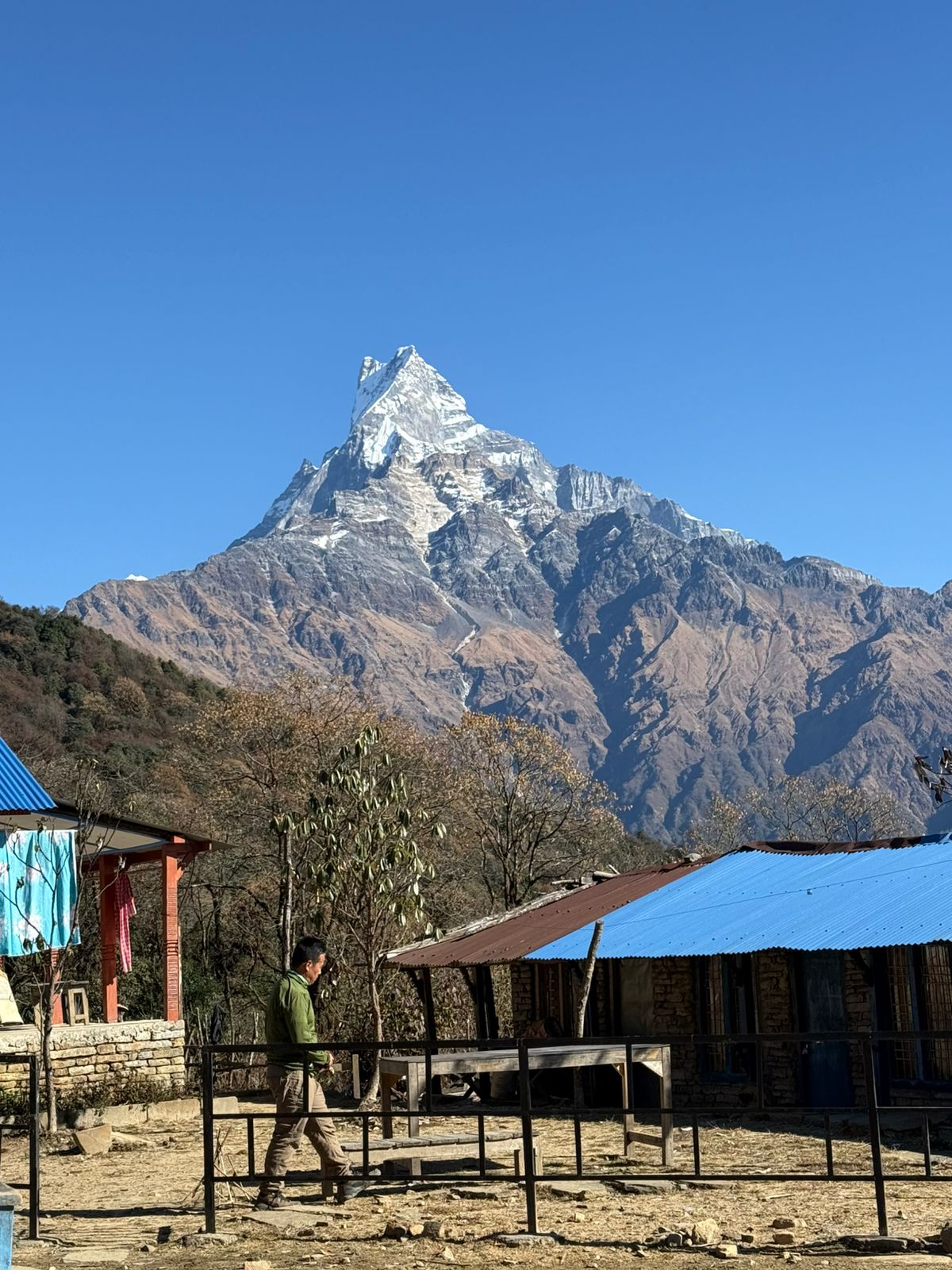
Mardi Himal Trek In Spring
Pros
- The route turns colourful with blooming rhododendrons and other wildflowers.
- The weather slowly becomes warmer with pleasant daytime temperatures and cool nights.
- Days are long, allowing you to hike comfortably without worrying about reaching your overnight stop before dark.
- Skies are mostly clear, offering panoramic mountain views and other landscapes along the trail.
- Accommodations along the way are all available and operated smoothly.
- Local festivals, Holi (festival of colours), Nepali New Year, and Buddha Purnima (the birthday of Lord Buddha) are celebrated in this season, offering you the chance to experience local culture and traditions.
Cons
- Due to the influx of tourists, accommodations along the trail might fill up quickly and need prebooking.
- Light rainfall often happens in the afternoon in May, making your day hike a bit worrisome.
Mardi Himal Trek In Autumn
Pros
- The weather is mostly stable, offering crystal-clear views of the peaks in the Annapurna Range.
- Due to monsoon rain, the landscape appears fresh, green, and clean with no dust and haze.
- The trails are dry, making hiking conditions easy and comfortable.
- Hotels along the route are all open for smooth service.
- Dashain and Tihar give festive vibes as they're the biggest festivals in Nepal.
Cons
- It's the peak trekking season. Thus, the trail is expected to be crowded, and so are the hotels and tea houses.
- Rainfall usually happens in early September, and nights start getting freezing in late November.
Winter Trekking In Mardi Himal
Pros
- When the days are bright, the real face of the Himalaya appears.
- The trail is quiet and peaceful.
Cons
- Snowfall in the higher sections is for sure, causing temperatures to drop significantly.
- Most of the accommodations along the trail stay closed until the next season.
- Days are short, forcing you to walk in a rush to get to your overnight destination before darkness falls.
- Cold weather doesn't make you feel like drinking water frequently, which causes dehydration and increases the risk of altitude sickness.
Monsoon Season Mardi Himal Trek
Pros
- The trail receives fewer crowds, making hiking conditions peaceful.
- Landscapes appear lush, green, and stunning when it's not pouring.
Cons
- Heavy rainfall makes the route muddy and slippery, and might cause an accident or injury.
- Leeches and other wild insects bite for sure in grassy areas, making your trek challenging.
- The risk of landslides, floods, and an increase in water level in the river and the waterfall is very high.
- Accommodation facilities are limited, as most hotels along the way remain closed.
Note: Even when trekking in Mardi Himal in spring or autumn, you should still exercise caution by sticking to the weather forecast. This is because the weather in the Himalaya is unpredictable and can turn harsh at any time. Hence, remember to check the forecast for your travel date when planning the trip and keep monitoring it daily until you reach the end of the trek.
Which Month Is Best For Mardi Himal Trek
By now, you've already learned about the best season for the Mardi Himal Trek. They are spring and autumn, and both seasons are divided into three months. Spring stretches from March to May, whilst autumn ranges from September to November.
But both seasons have one month among the others that is more ideal for this trek. It's April in spring and October in autumn.
They both offer nature's beauty in their own way. It's all up to you now to choose between April and October for this journey. Below is the breakdown of these two months, which might help you in picking either of them:
April
- Winter is thoroughly over by this month. All the winter snow and ice on the trail are gone.
- Days become completely long and warm. Whereas nights become short and not too cold.
- Nepali New Year also falls in this month.
October
- Monsoon is completely over, and the trail turns dry and green.
- Skies are mostly clear, and the weather is also stable.
- Nepal's biggest festivals, Dashain and Tihar, mostly occur in this month of every year.
- Mardi Himal Trek Weather By Month
It's a smart move you can make by learning about the Mardi Himal Trek weather by month when you're planning to do it shortly. Doing so will help you pick the right time to venture and pack your things properly.
The weather in the Himalaya Region of the country changes throughout the year. Such phenomena affect the conditions of the trekking route and mountain views.
And because of this, you may not experience what you are expecting to obtain from this trip. It's obvious to expect greater things to come for us ahead when we finally leave our comfort zone.
To make your adventure wonderful and memorable, it's necessary to first understand the weather conditions and temperatures by month while planning your trek. So, for your convenience, here's the table showing the month-wise weather conditions and temperatures on the Mardi Himal Trek below:
| Month | Weather Condition | Approx. Day & Night Temp. | Trekking Experience |
| January | Cold and snowfall are expected in the upper sections | 8 to 12°C in the day & -5 to -10 at night | Freezing conditions, silent route, suitable for experienced hikers. |
| February | Cold but less than the previous month | 10 to 14°C in the day & -3 to -8°C at night | Quiet trails, snowfall may still happen at higher altitudes. |
| March | Mild and stable | 12 to 18°C in the day & 0 to 5°C at night | Spring begins, good visibility, rhododendrons and other wild flowers start to bloom. |
| April | Warm and clear | 15 to 20°C in the day & 2 to -3°C at night | Best time in spring with colourful trails and amazing mountain views. |
| May | Warm, a bit humid | 18 to 22°C in the day & 5 to 8°C at night | Good hiking conditions, mostly clear morning, cloudy and a little rain in the afternoon. |
| June | Beginning of the rainy season | 20 to 25°C in the day & 8 to 12°C at night | Rain showers start, slippery trails, fewer hikers. |
| July | Heavy rainfall | 20 to 25°C in the day & 10 to 15°C at night | Muddy paths, disturbance of leeches and other wild insects, and poor visibility. |
| August | Continued pouring | 20 to 25°C in the day & 10 to 15°C at night | Lush greenery, but the skies are mostly cloudy, and the land is wet. |
| September | Monsoon ends, and the weather gradually begins to improve | 18 to 22°C in the day & 8 to 12°C at night | Dry trails, improving views, trekking season officially begins. |
| October | Cool, clear, and dry | 15 to 20°C in the day & 5 to 10°C at night | Ideal month in autumn, stable weather, clear skies. |
| November | Pre-winter and dry | 12 to 18°C in the day & 0 to 5°C at night | Good visibility, freezing nights, and less traffic on the trail. |
| December | Start of winter | 10 to 14°C in the day & -3 to -8°C at night | Fewer crowds, frigid nights, warm gear required |
Mardi Himal Trek Packing List By Season
It's important to know what you should bring and what you shouldn't when you're about to leave your sweet home for an adventure. Out there in the wilderness, we don't get everything we need.
Also, it ain't possible to carry all the items that we like. We can bring along only stuff that is enough for a few days.
Since the Mardi Himal Trek is 4 to 5 days long, you need to pack your gear or items accordingly. Furthermore, you should bring your items according to the season you're planning for this journey.
Therefore, I've prepared a list of necessary items you should bring season-wise for this trip or any other. Check them all wisely below.
Regular Items Across Season
- A backpack (minimum 55L).
- Waterproof hiking shoes with ankle support.
- Duffle bag (minimum 60L) for porter load.
- Water bottle + water purification tablets or filter.
- Insulated gloves
- Headlamp with spare batteries.
- Trekking poles.
- First-aid kit.
- A cap for hiking and a warm hat for the night.
- Quick-dry towel.
- Buff mask.
- Thermocoat.
- High-neck sweater.
- Down Jacket rated for a minimum of -15°C.
- Power bank.
- Toiletries, such as sunscreen (minimum SPF 50+), soap, toothbrush and paste, body lotion, lip balm, etc.
For Winter
In addition to regular items:
- Down pants, especially for an overnight stay at higher elevations.
- Gaiters and micro-spikes or crampons to protect shoes from snow and prevent slipping on icy routes.
- Sleeping bag rated for a minimum of -15°C (just in case blankets in tea houses aren't enough).
- Down gloves.
For Spring
In addition to regular items:
- Waterproof/windproof jacket for a day hike.
- Extra pairs of socks.
- Moisture-wicking base layers for top and bottom.
- Boot gaiter and micro-spikes (in case of snow/ice still on the trail to high passes), especially if trekking in early March.
- Light gloves.
For Autumn
In addition to regular items:
- Rain cover for a backpack.
- Raincoat (Rainfall happens occasionally).
- Thermal socks for an overnight stay at the upper sections.
For Monsoon
In addition to regular items:
- A waterproof bag to protect gadgets and essential documents.
- Raincoat.
- Gaiters to protect shoes from getting wet in the rain.
- Rain cover for a backpack.
- Insect repellent to prevent leech bites.
- Moisture-wicking base layers and extra clothes for constant wet conditions.
In the entire village, the Gurung Cultural Museum is the most visited place. It showcases their traditions, lifestyle, customs, tools, and daily life items. By visiting the museum, tourists can receive a deep understanding of how one of Nepal's beautiful ethnic groups has lived, worked, and celebrated their festivals over the ages.
You can also embrace the Gurung Culture by wearing their Traditional Attire. For women it's Cholo(blouse) and Fariya( wrapped skirt) paired with traditional jewelwry like pote(beads) and tilhari while the men wear bhangra and Kachhad which is traditional knee-length wrap worn with a shirt or daura-style top. You can capture the moment in photograph or video by carrying a doko(Nepali bamboo basket) with Namlo(Headstrap to carry doko) using traditional Gurung Music like Maya Pirati, Kalo Chasma Lau Bhanxa as background enhancing the authenticity and quality of your Ghandruk Travel memories.