
Kathmandu is one of the cities in the Kathmandu Valley with a population of around 1.67 million. It was known as Kasthamandap during ancient times.
Following the unification of Nepal by Prithivi Narayan Shah, it was established as the country’s capital. Earlier, Bhaktapur was the capital.
Newars occupy Kathmandu. Traditional Newari house with eye window (Aankhi Jhyal) can be seen in most of the city’s alleys.
Their culture, traditions, art, customs, language, and cuisine are famous throughout the country. Apart from Nepal’s major festivals (Dashain and Tihar), Indra Jatra, Seto Machhindranath Jatra, and Yomari Punhi are heavily celebrated by the Newari community.
There are 10 UNESCO World Heritage Sites in Nepal. Among them, four are in Kathmandu. They are:
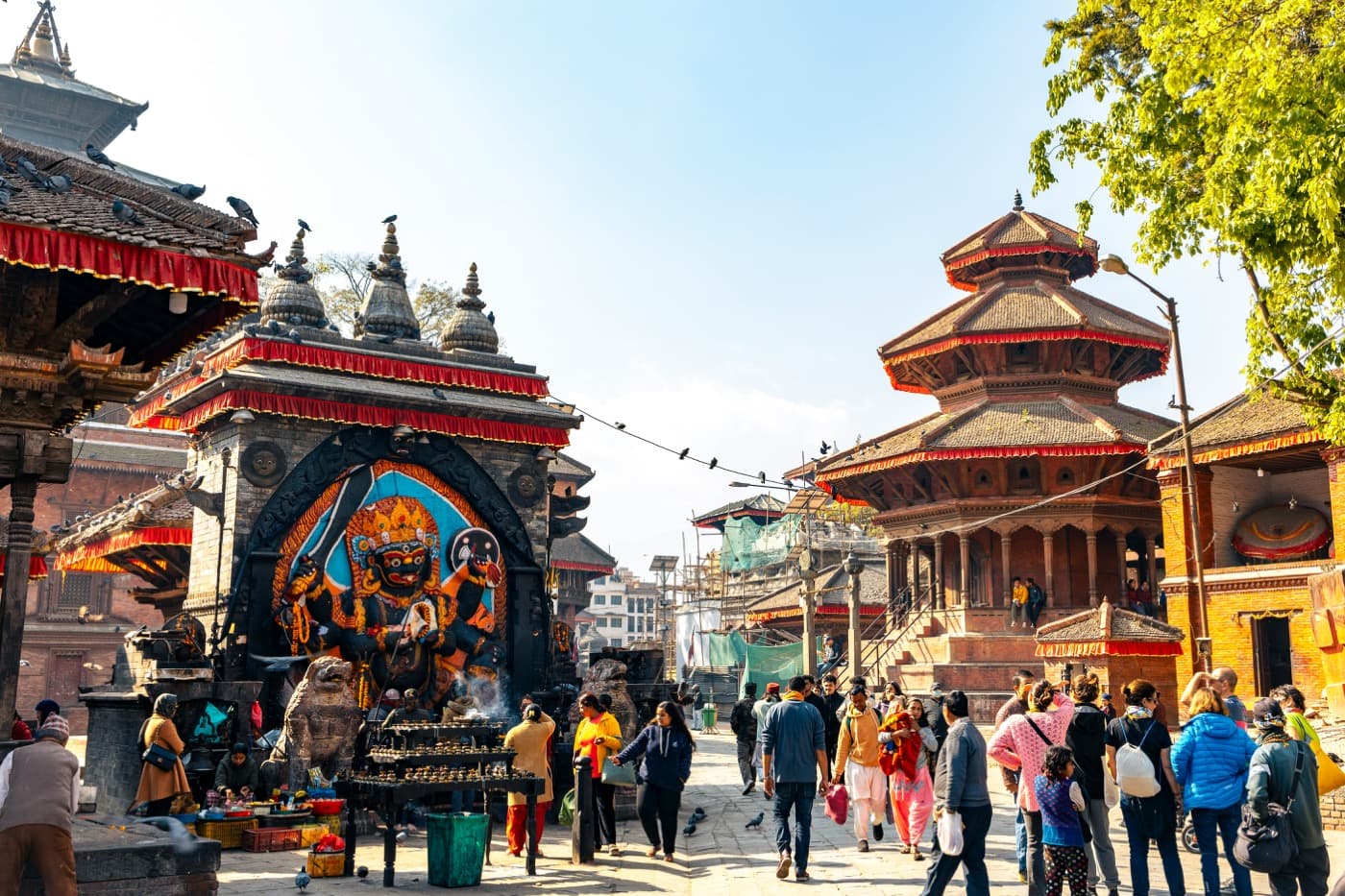
- Kathmandu Durbar Square: A museum that consists of ancient items from the Malla Dynasty.
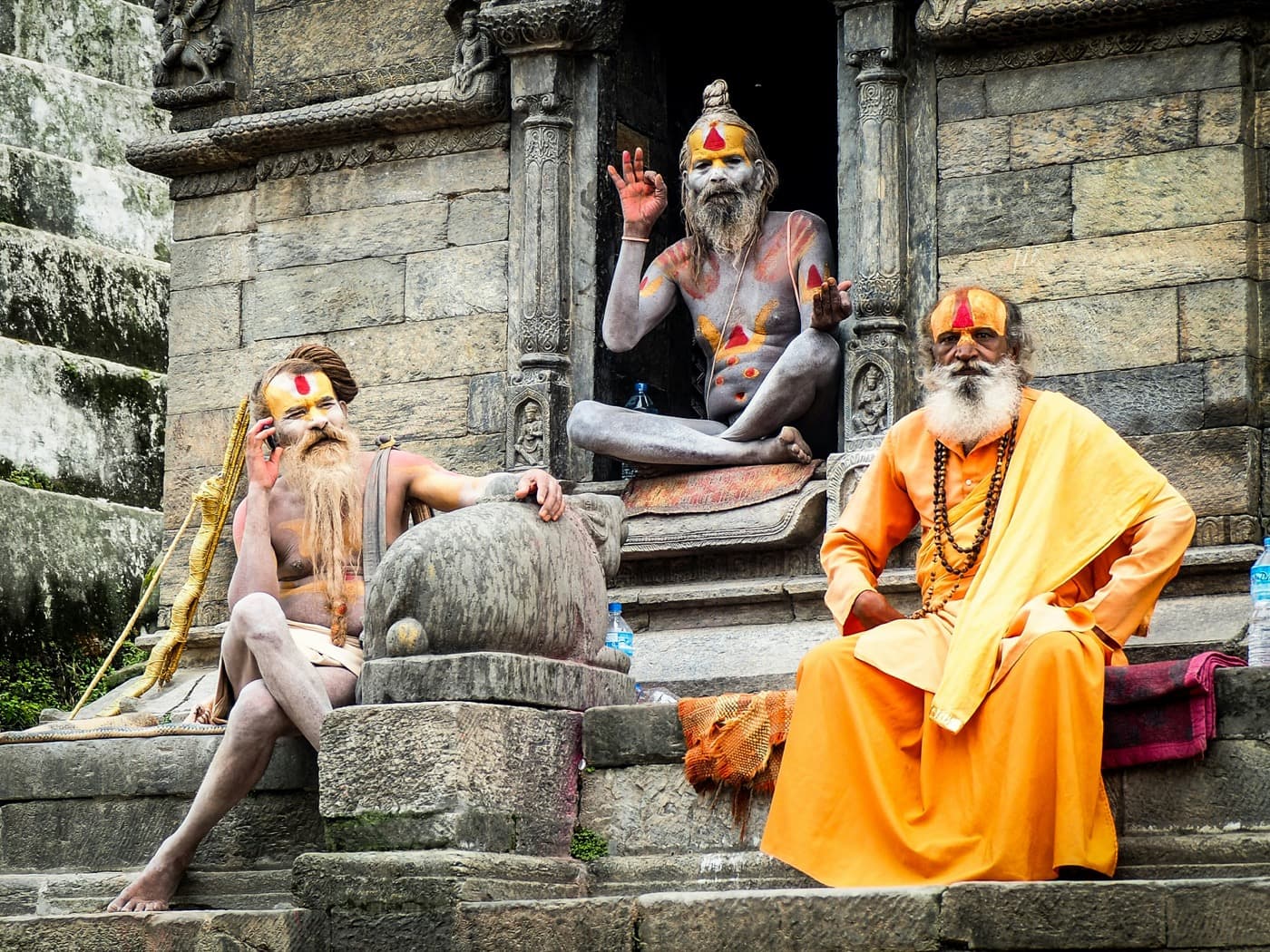
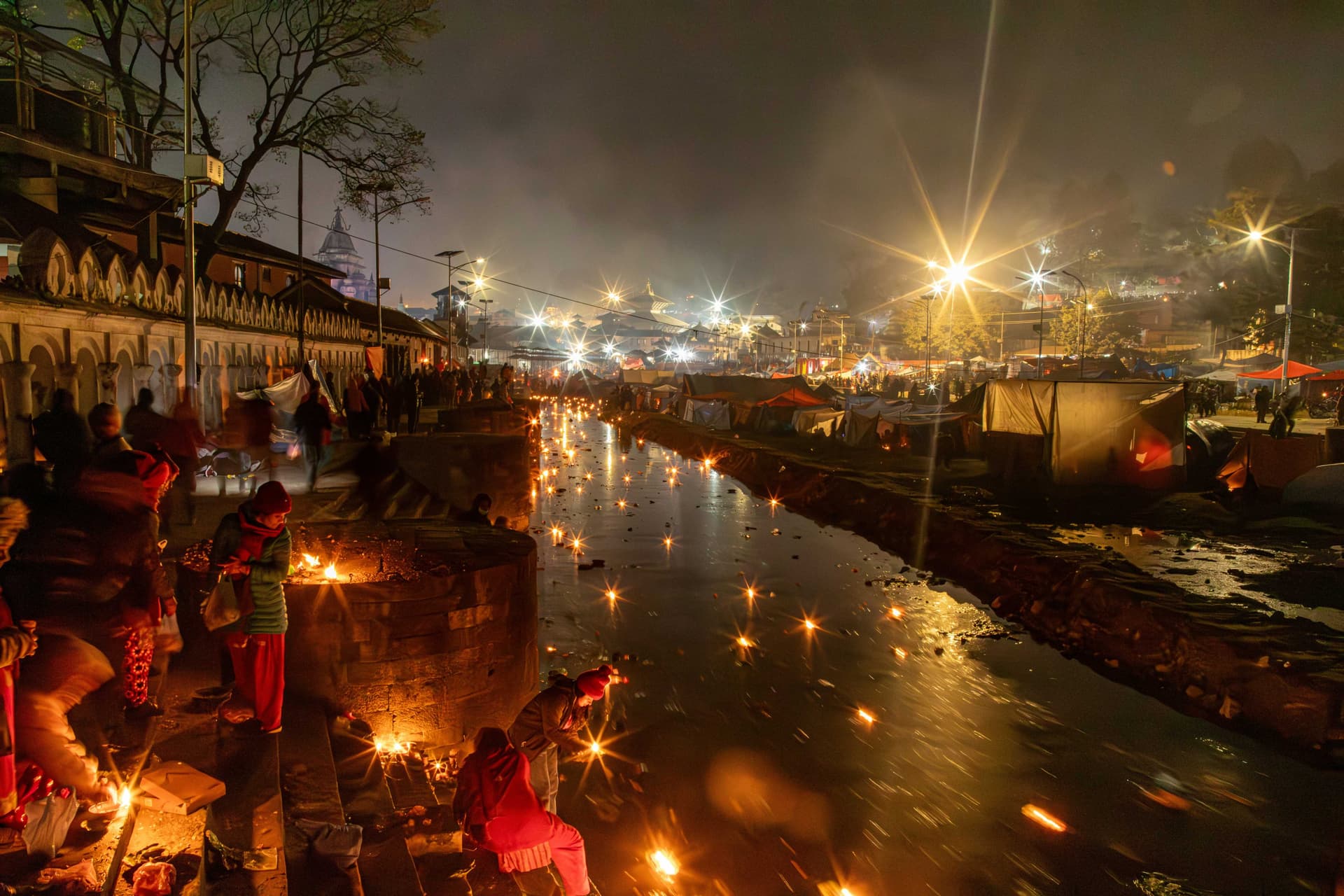
- Pashupatinath Temple: One of the holiest pilgrimage sites in the country, dedicated to Lord Shiva.
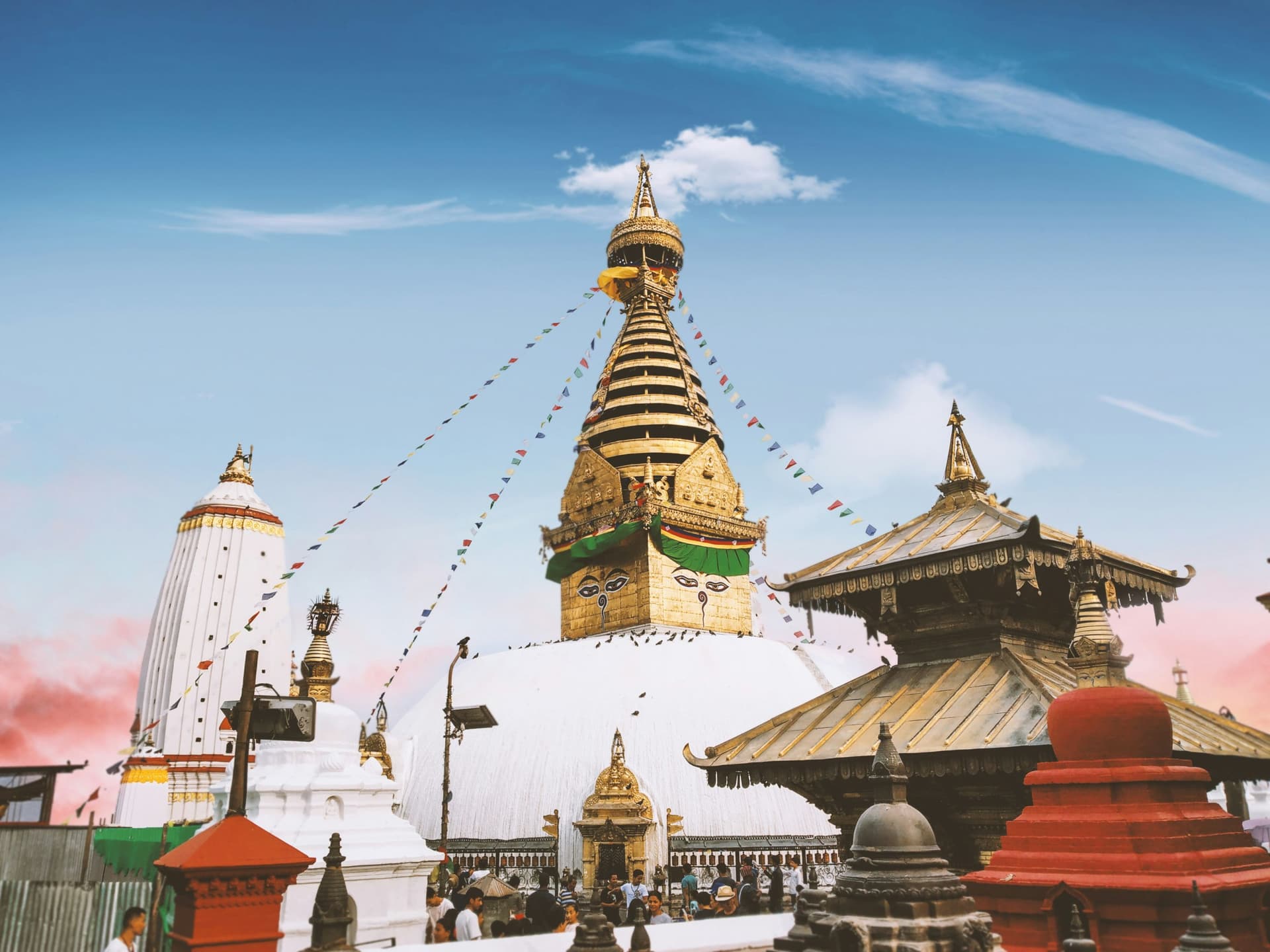
- Swoyambhunath Stupa: An ancient Buddhist stupa, also famous as the Monkey Temple.
- Boudhanath Stupa: One of the largest stupas in the world.
The other popular religious sites in the city are the Dakshinkali Temple, Padmasambhav Cave, and Budhanikantha Temple. The rivers like Bagmati, Vishnumati, and Dhobi flows in the city. Among them, the Bagmati is the major and sacred one.
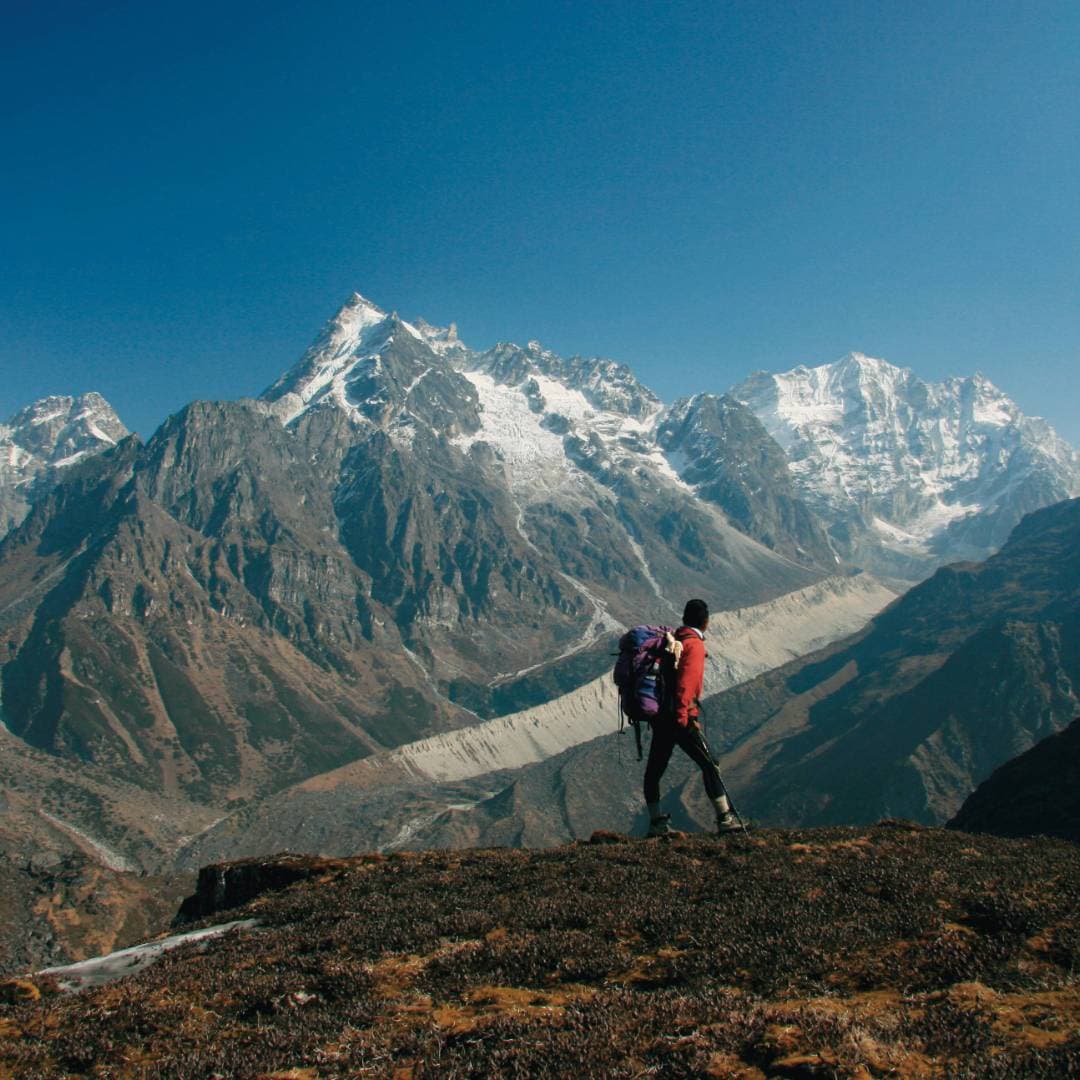
Kathmandu is mainly renowned for its temples and religious sites. Apart from this, it’s also famous for a nature site known as Shivapuri Nagarjun National Park.
The national park is home to fauna, like leopards, Himalayan black bears, jungle cats, monkeys, and over 300 bird species, as well as flora like oaks and rhododendrons (Nepal’s national flower). Furthermore, it’s the best hiking spot in the city.