
Chitwan is a gem for travelers who love wildlife and culture. Situated in Nepal’s Terai region, it is famous for its forests, rivers, and the variety of species of animals found here. Imagine walking through lush forests, hearing the distant roar of a tiger, and spotting a one-horned rhinoceros by the riverbank. Have you ever dreamed of stepping into a world where wildlife and culture exist side by side? Chitwan offers exactly that experience, waiting to be explored.
Historically, Chitwan was once a dense forest with wild animals like Leopards, Bengal tigers and elephants. It was ruled by King Chitrasen Baba (also known as the Tharu God) and was inhabited by the Tharu residents. Rishis used to come to meditate in the peacefulness of the forest.
Over time, this historically rich land has transformed into one of Nepal’s most famous travel locations, known not only for its heritage but also for its calm and varied climate.
The temperature of Chitwan fluctuates between 13℃ to about 40℃ throughout the year. May is the hottest month of the year in which the temperature can reach as high as 40℃.
So, it’s not quite a suitable month to come for a visit.
The best time to visit Chitwan is perhaps from October to early March where the temperature is most pleasant at around 25℃. These months also have clear skies making it the best time for photography too.
The main attraction of Chitwan is its National Park which is also the first national park of Nepal established in 1973 AD. It is a dense forest that covers 932 sq. km of land in the southern center of Nepal. UNESCO listed Chitwan National Park as a world heritage site in the year 1984 AD.
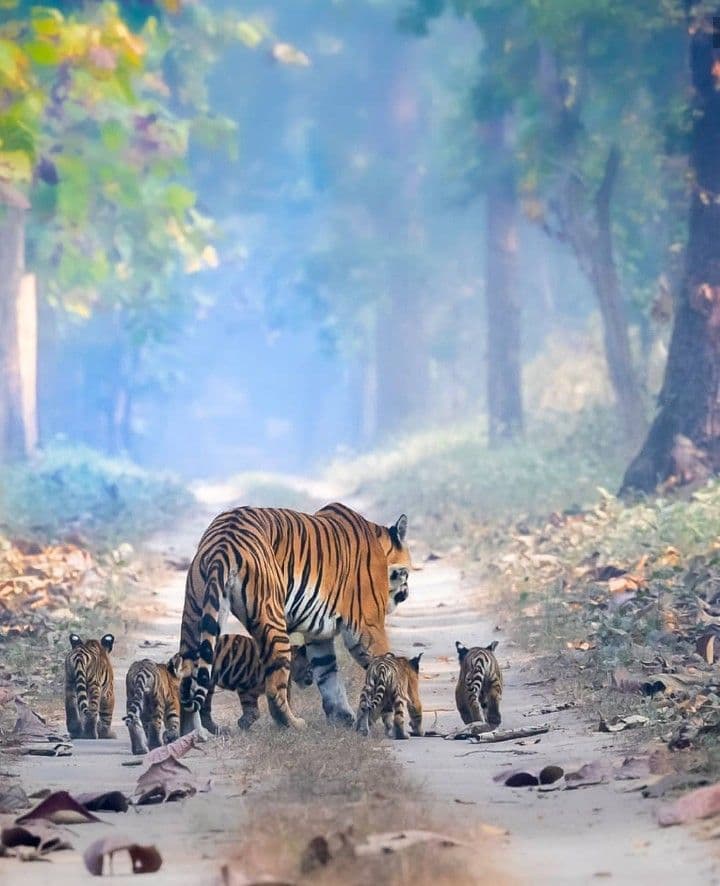
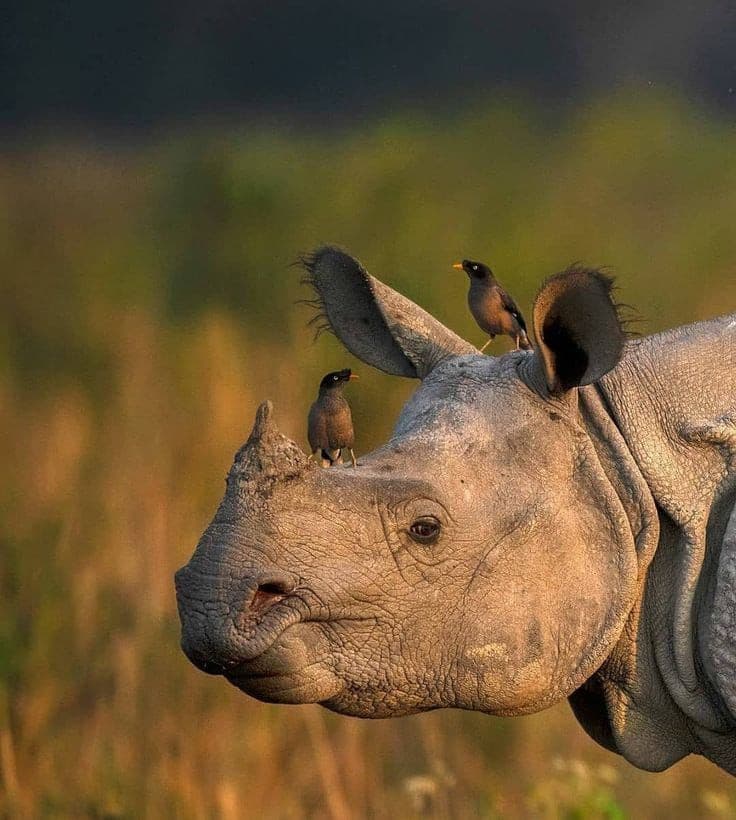
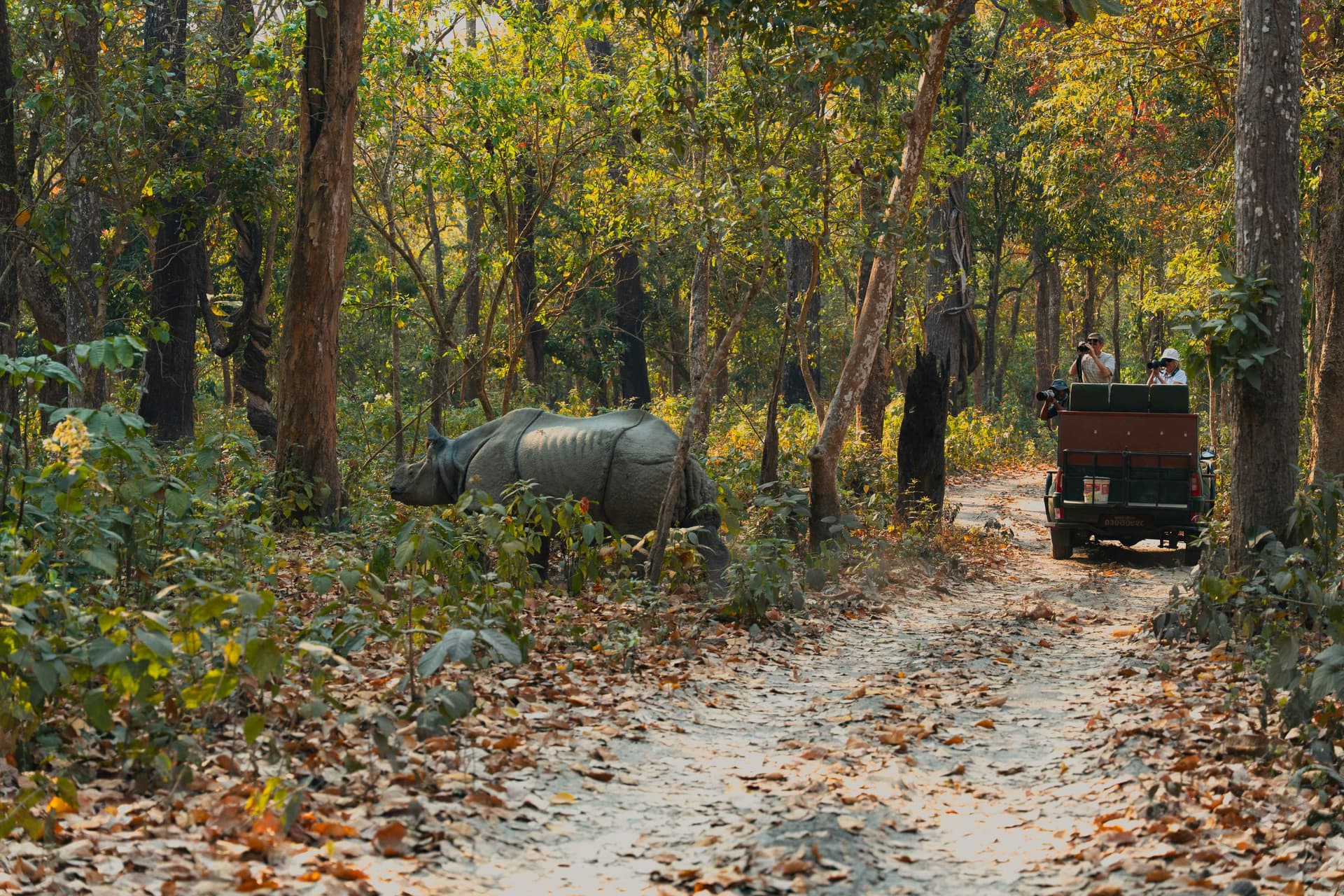
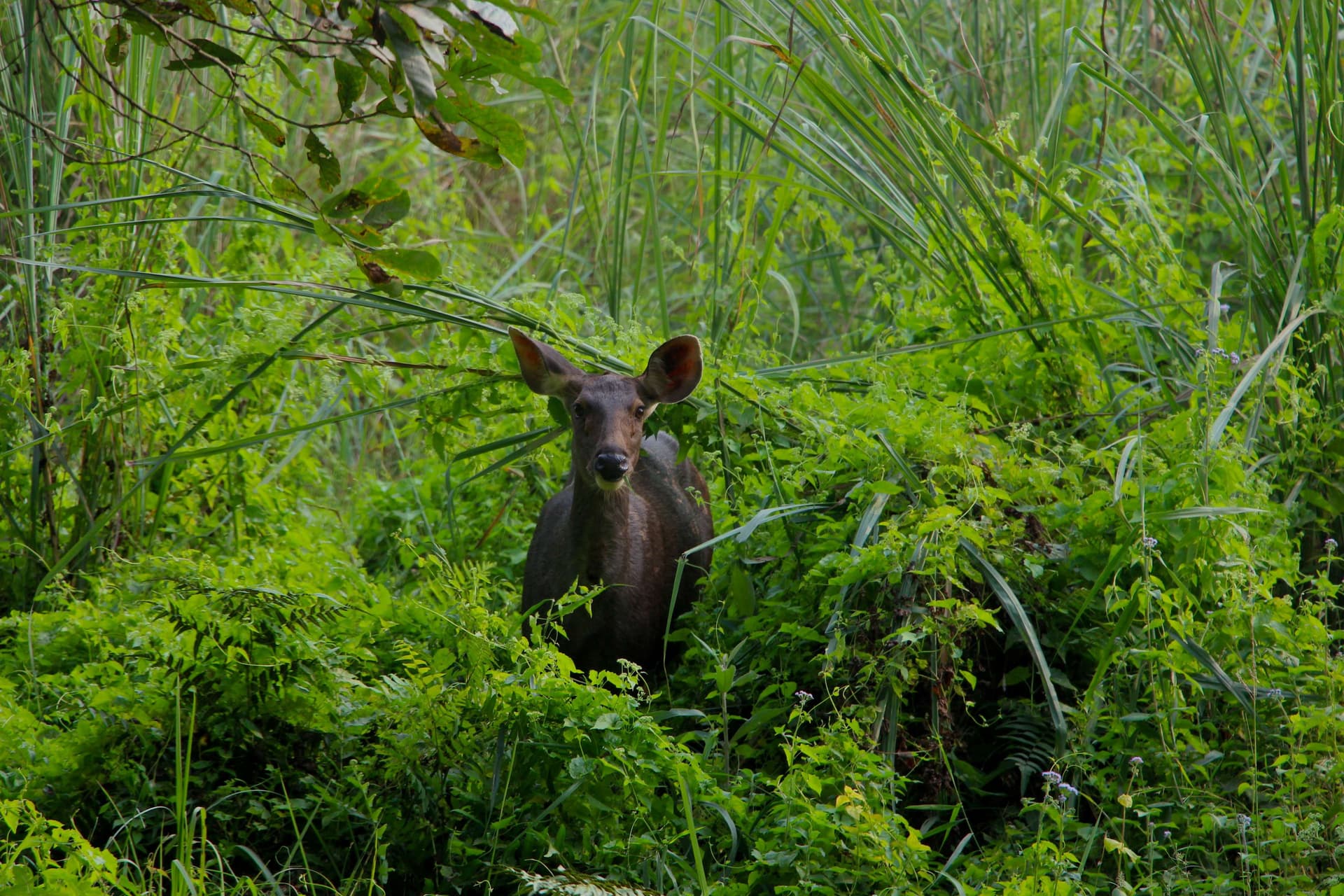
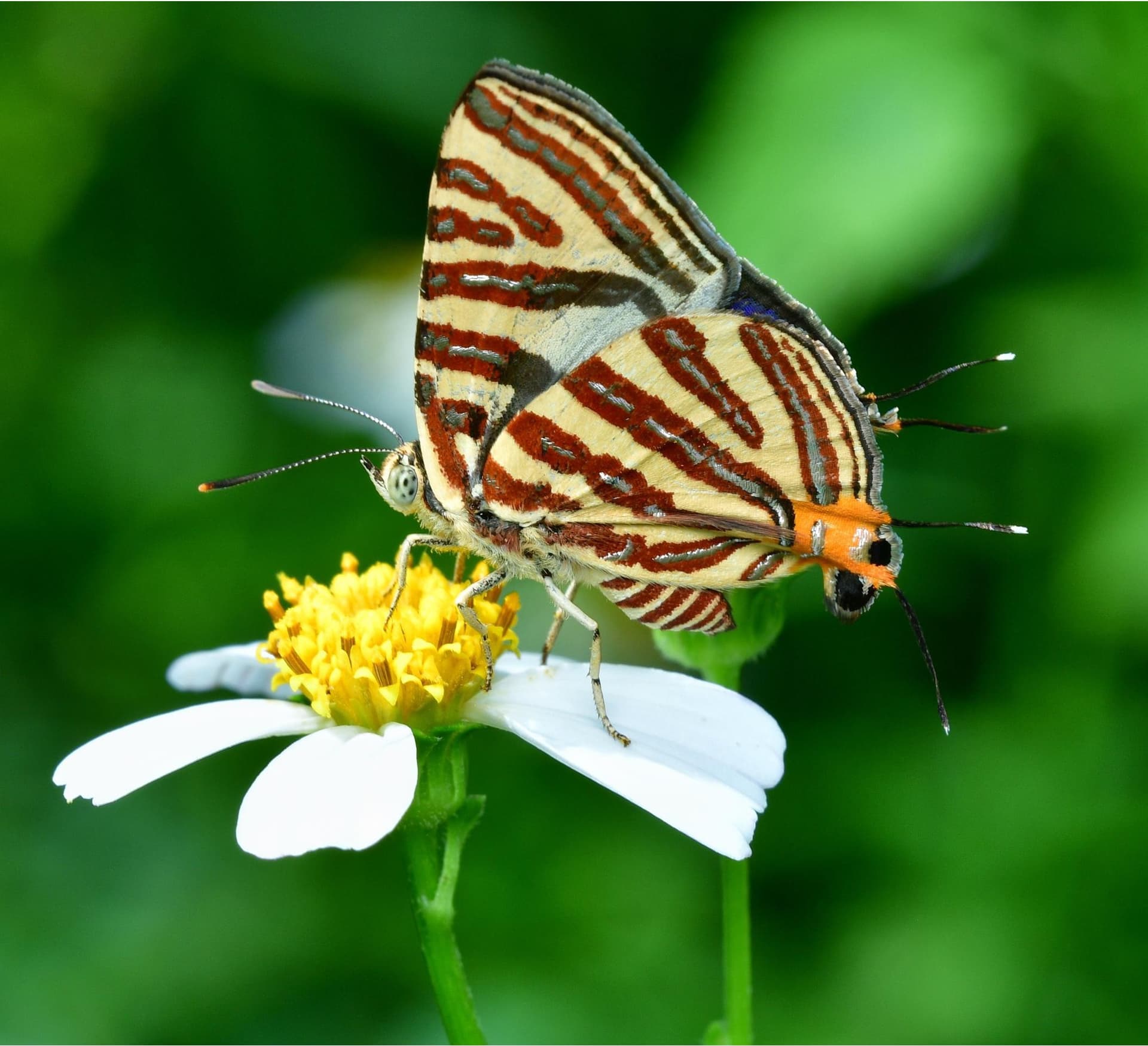
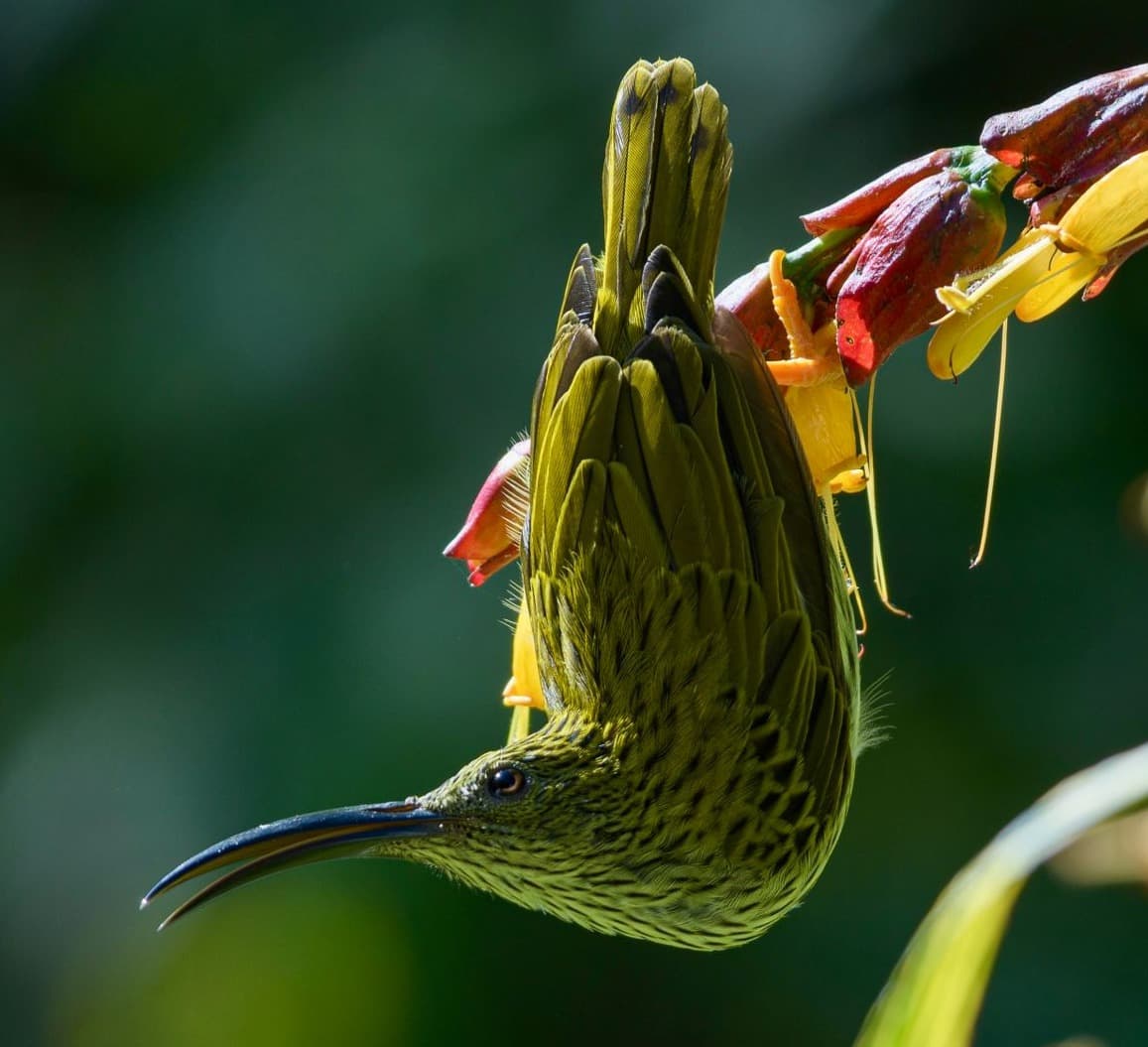
The national park is home to a variety of species of mammals, birds, reptiles, amphibians and many more. The unique features of this park are the one-horned rhinoceros, the gharial crocodile, and the Royal Bengal tigers who live in the thick woodlands of the park. Visitors can even experience the rare sight of locals feeding wild animals, a unique practice rarely seen elsewhere.
Beyond the jungles, Chitwan is alive with Tharu culture. Small villages let visitors peek into daily life, watch traditional dances, taste local dishes (such as ghongi, dhikri), or explore houses decorated with beautiful patterns. Festivals like Maghi and Dashain fill the streets with music, laughter, and vibrant colors, giving a real sense of community.
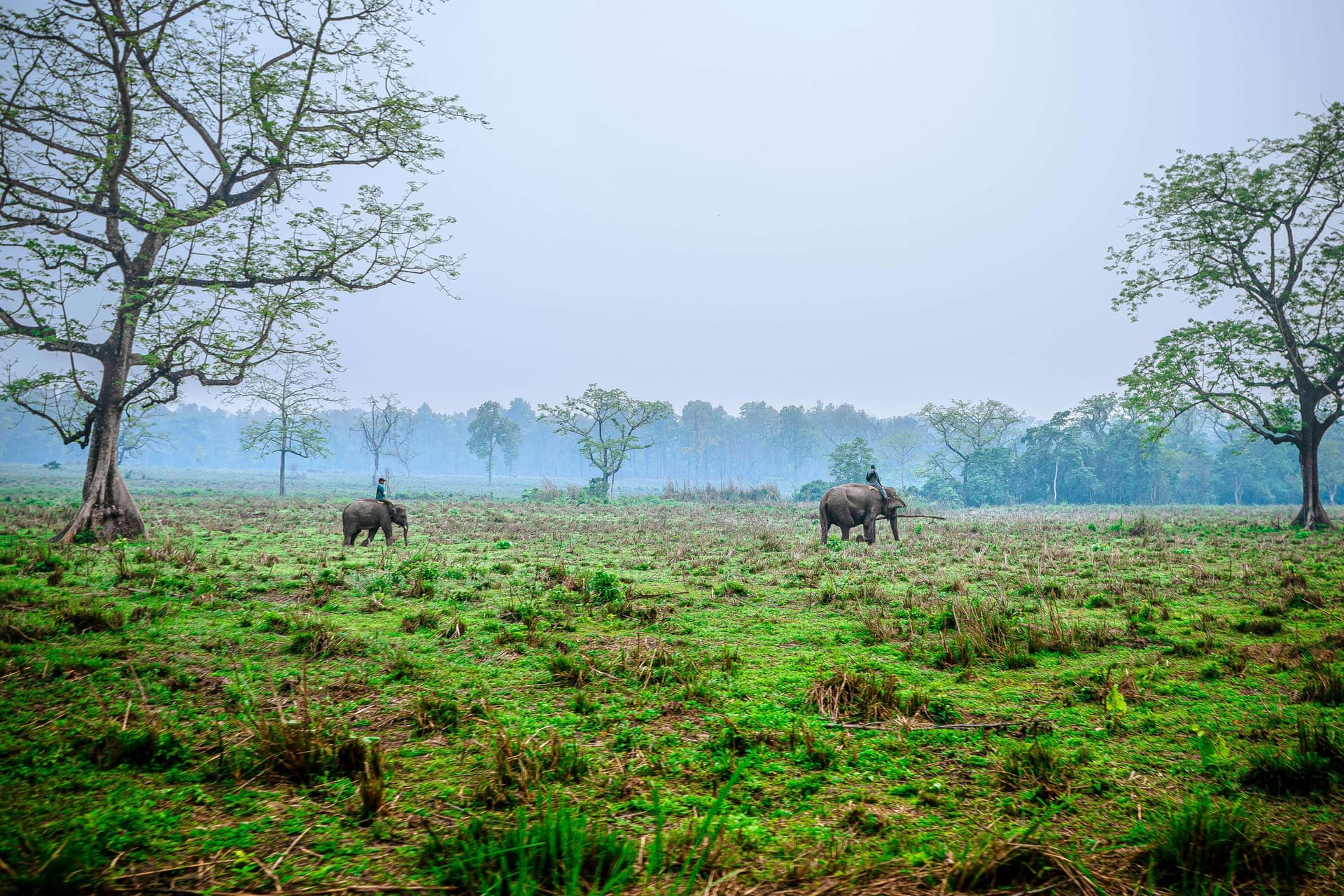
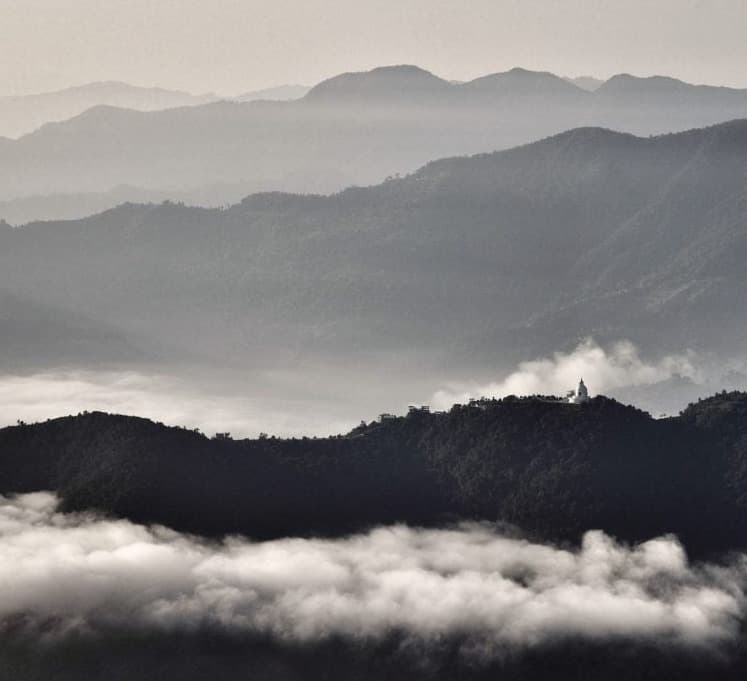
The rivers Rapti and Narayani add another layer of beauty. Early mornings are magical, with mist rising off the water and birds calling from the trees. Canoeing or taking a quiet walk along the banks shows a side of Nepal that feels untouched and peaceful.